
The Galopin Doctrine — whether to produce under the occupier
Belgian industry, one of the densest in Europe, found itself under the occupier's control. At its head, figures such as , governor of the Société Générale de Belgique — the country's most powerful financial group — had to decide what course to take in the face of German orders.
The dilemma was acute. To refuse all production was to plunge hundreds of thousands of workers into unemployment and destitution, and to risk their deportation to forced labour in Germany. To produce for Germany was to keep the economy turning and preserve jobs, but also to feed the enemy's war machine.
Galopin and the great industrialists sought a line. To produce civilian goods — not armaments — to maintain employment and avoid deportation, while refusing directly military production. To refuse everything, in the name of patriotism, even at the cost of sacrificing jobs. Or to produce without limit, including war matériel, to preserve profits and positions. The choice committed the fate of the country's economy and workers.
Should civilian goods be produced for the occupier in order to preserve jobs, should everything be refused, or should production be unlimited?
Galopin formulated the doctrine that would bear his name (the Galopin doctrine) and chose A: Belgian industry agreed to produce civilian goods to avoid mass unemployment and the deportation of workers, while refusing in principle the manufacture of weapons. A pragmatic compromise of the "lesser evil", it preserved jobs but also benefited the German war economy, and its boundary would remain porous. The doctrine would be hotly debated after the war; Galopin himself would be assassinated by Rexist collaborationists in 1944, a sign of the untenable position occupied by the economic elites between the occupier and the population.
Learn more about this event
Related polls
10
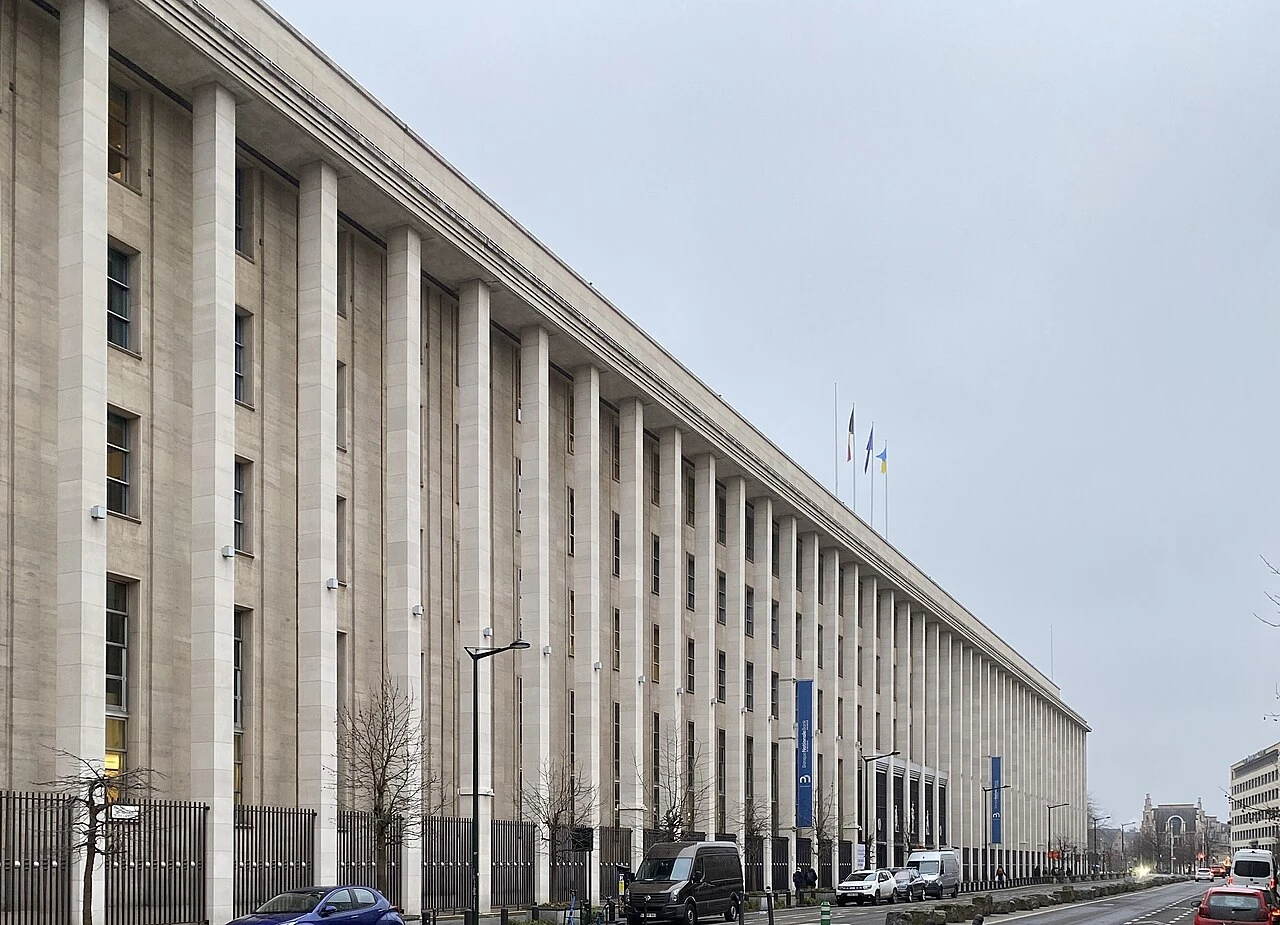
Forty tonnes of gold trapped at Ostend

Eindhoven under the heel: the lamp empire put to the test
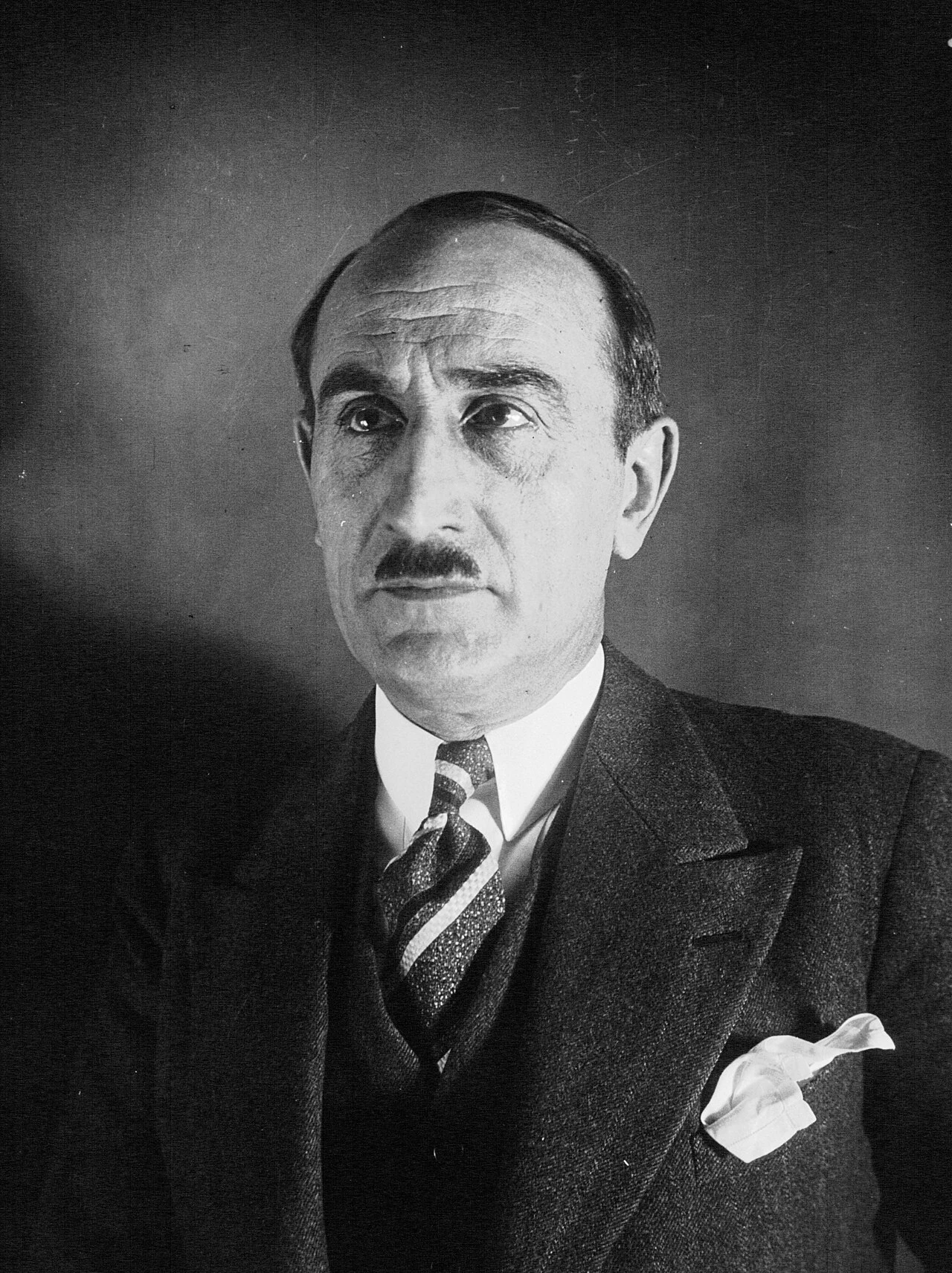
Marquet — Bordeaux overwhelmed, 12 June

Selling to Both Sides
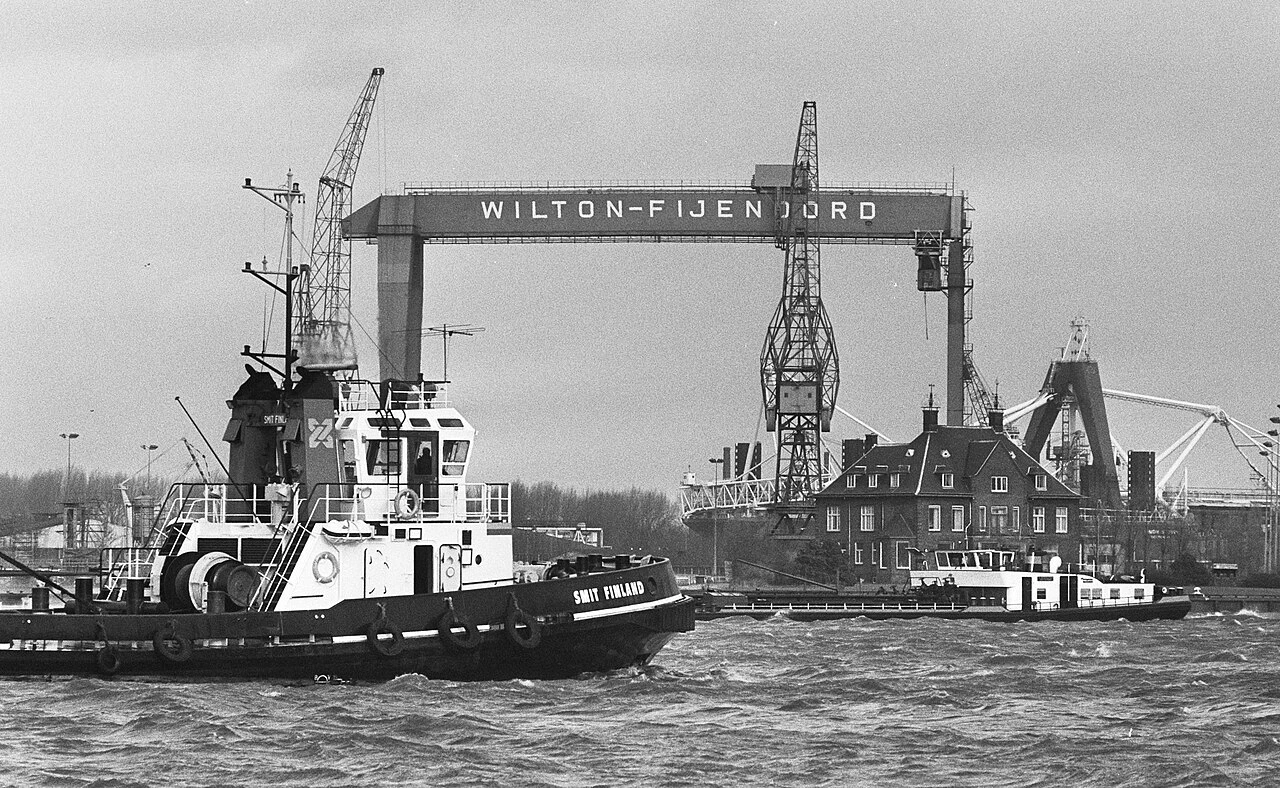
Wilton-Fijenoord: the shipyard's management faces the occupier
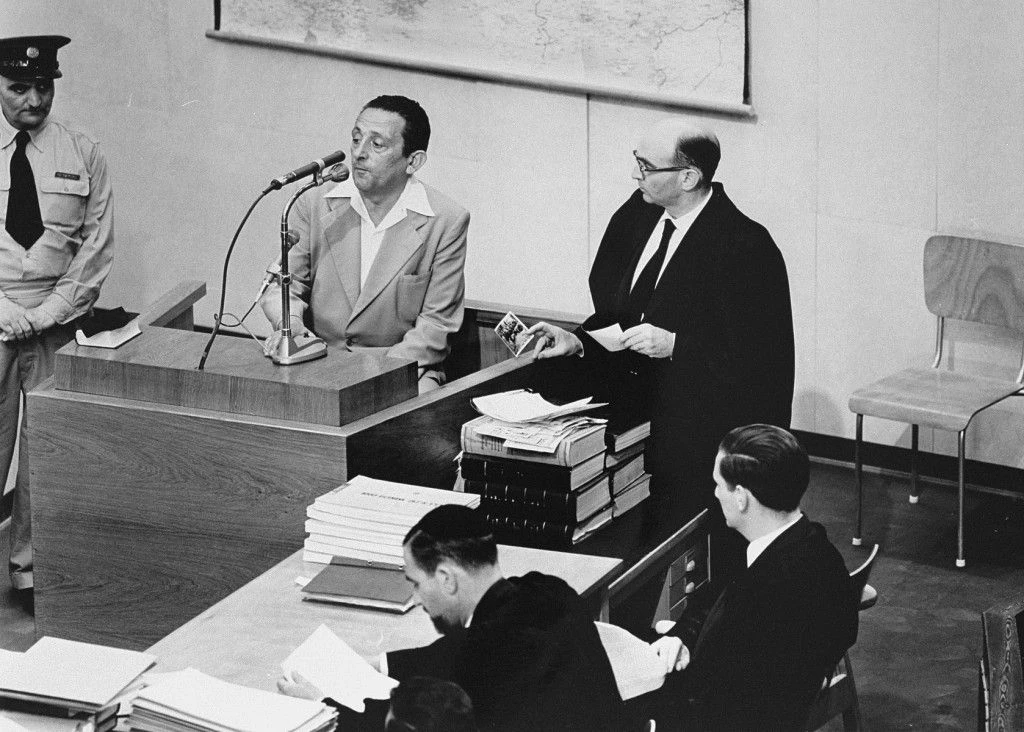
Biebow at Litzmannstadt — 8 February
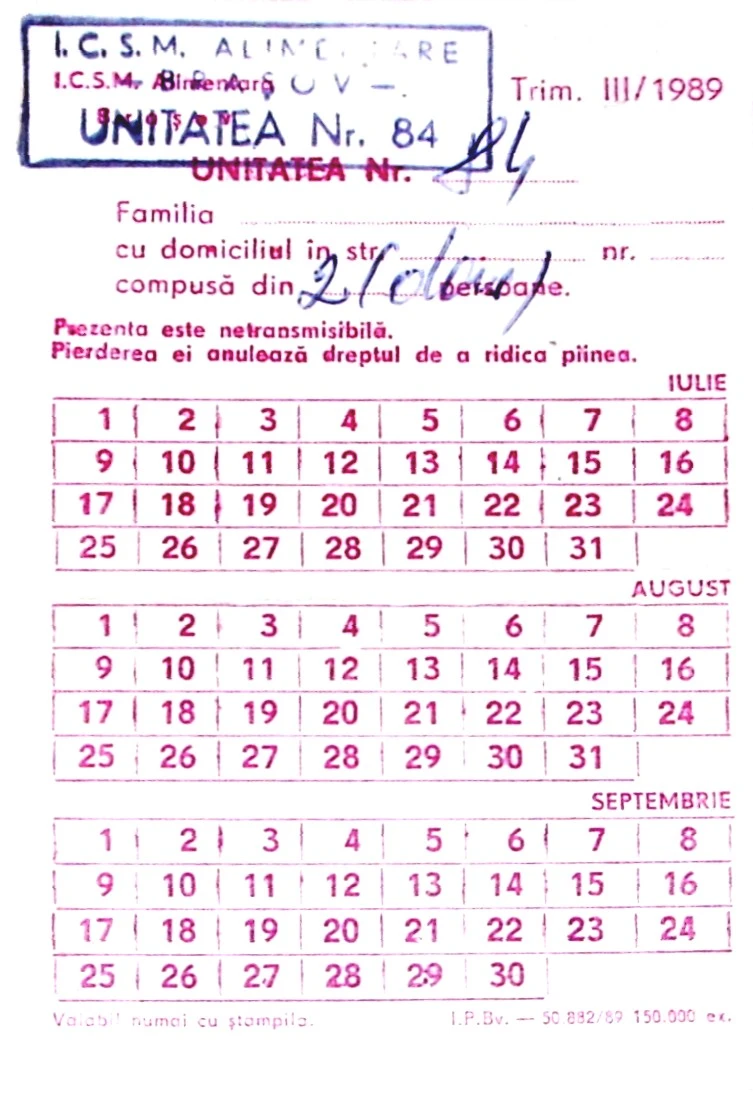
France's March 1940 Ration Card
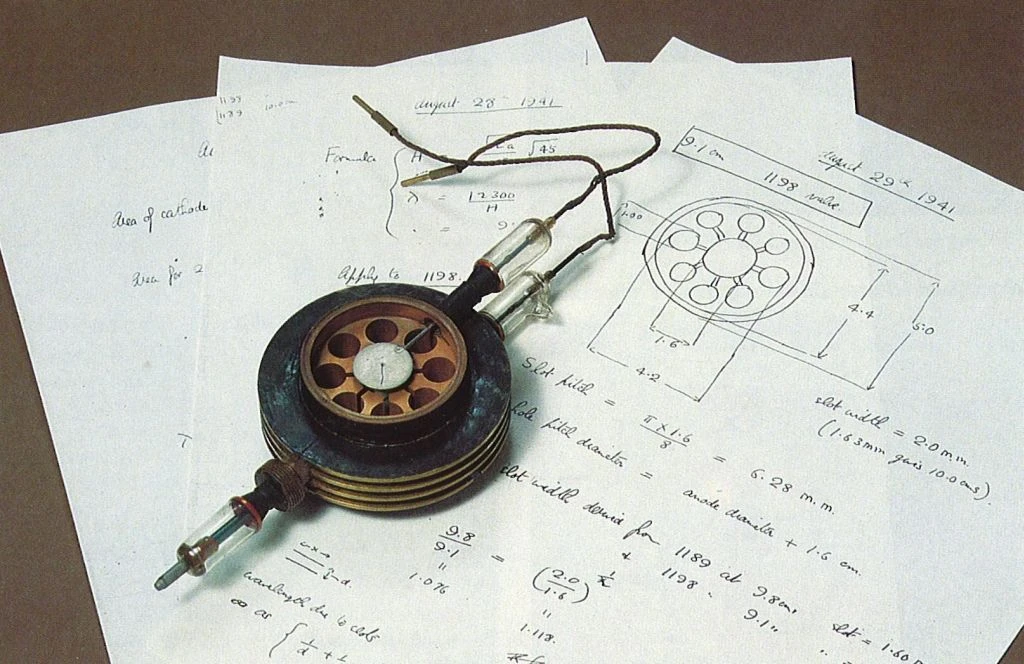
The Tizard Mission's Trunk for America
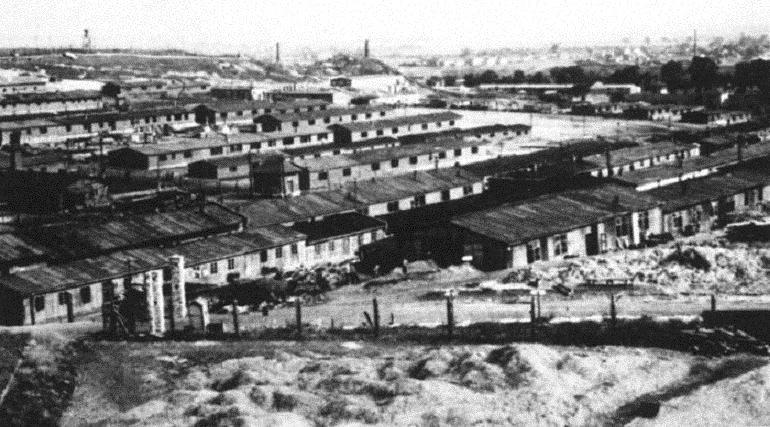
The Upper Silesian Pole Subjected to Forced Labour
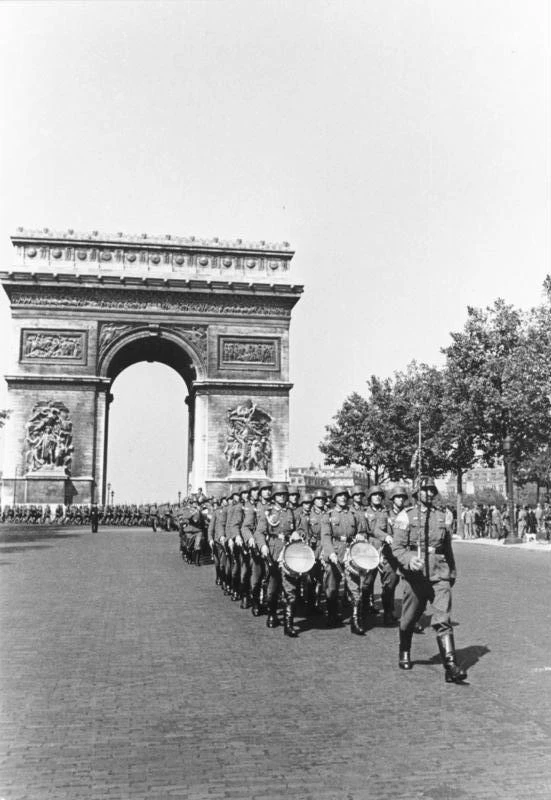
The Press under German Control
Forty tonnes of gold trapped at Ostend
Eindhoven under the heel: the lamp empire put to the test
Marquet — Bordeaux overwhelmed, 12 June
Selling to Both Sides
Wilton-Fijenoord: the shipyard's management faces the occupier
Biebow at Litzmannstadt — 8 February
France's March 1940 Ration Card
The Tizard Mission's Trunk for America
The Upper Silesian Pole Subjected to Forced Labour