
Under the bombs — the Belgian towns
From the first days of the invasion, the German air force bombed stations, road junctions and town centres to disrupt the rear and terrorise the population. Several Belgian towns — Tournai, Nivelles and others — saw their historic hearts ravaged by flames, sometimes for several days running.
For you, the resident, each alert imposed a choice of survival. To go down to the cellar or into a makeshift shelter, and stay there as long as the raids lasted, at the risk of being buried if the house collapsed. To flee the town for the safer countryside, but where one lost all bearings and all possessions. Or to stay at home to protect your dwelling and belongings from looting and fire.
The anguish was constant: the bombings were unpredictable, the rescue services overwhelmed, the rumours terrifying. Should you take cover, leave, or hold firm? Tens of thousands of families faced this dilemma, in towns some of which would lose, in a few days, part of their heritage and several hundred inhabitants.
Should our resident take cover in a shelter, flee the town, or stay to guard the home?
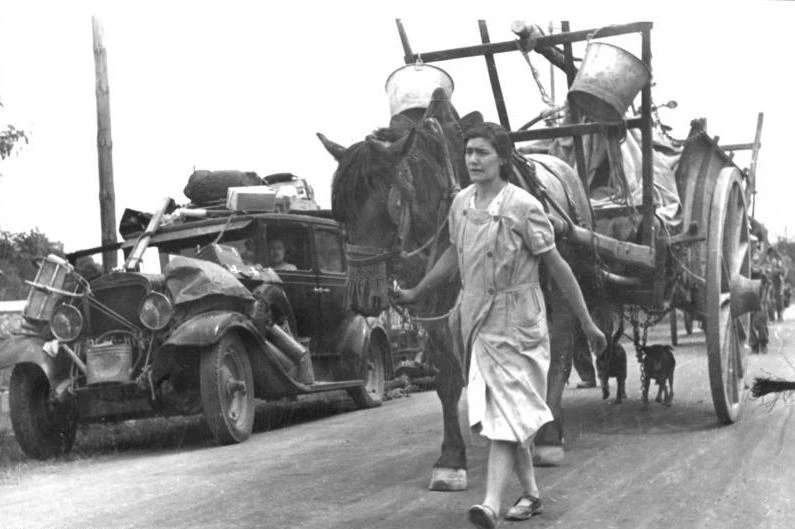
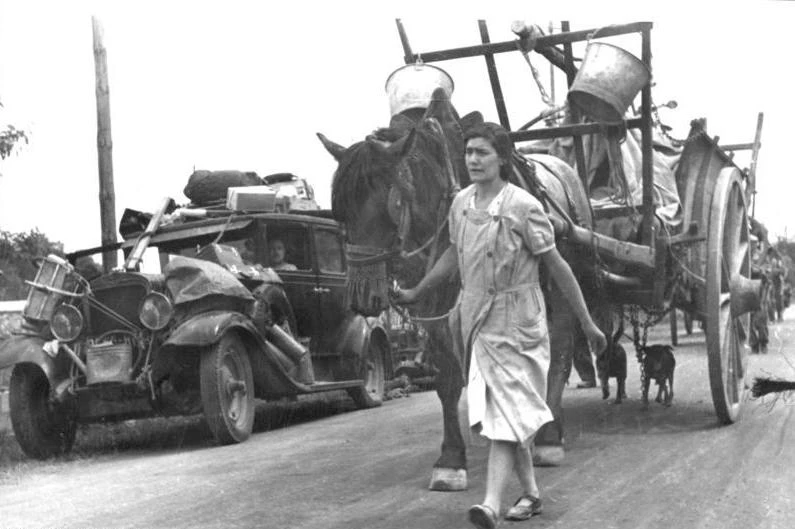
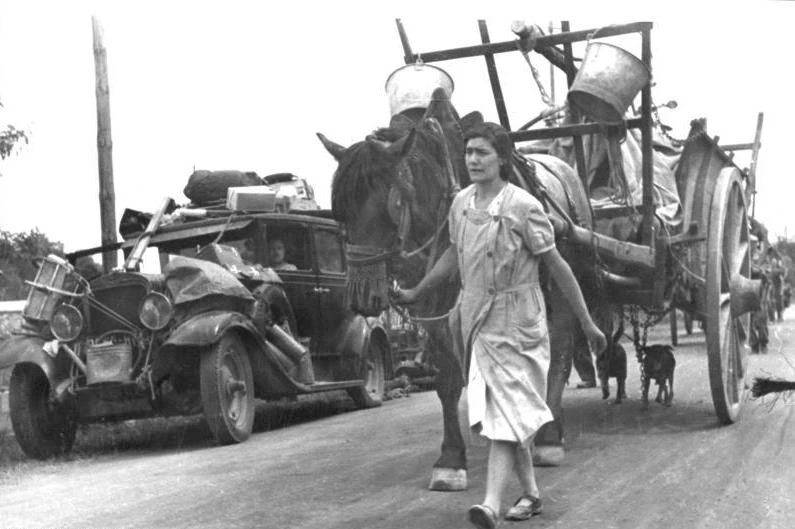
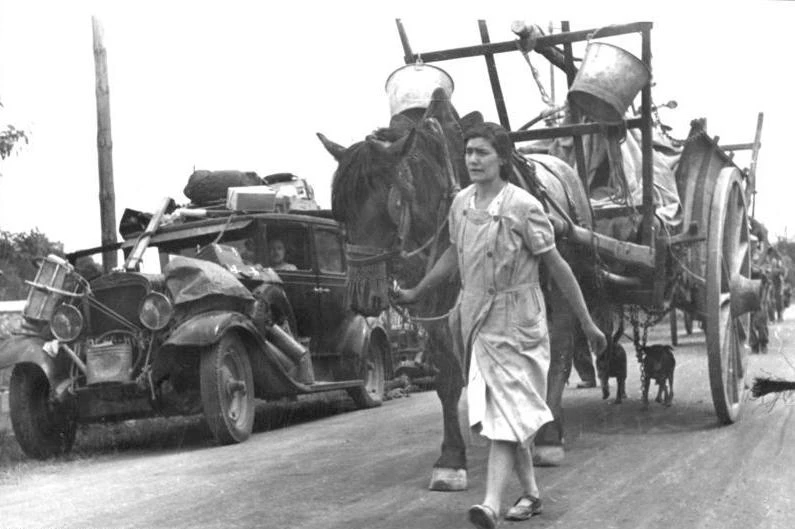
Behaviour was divided, but many ended up at B (flight), joining the general exodus: fear of the bombs drove entire populations onto the roads, adding to the congestion and the chaos. The towns hit — Tournai badly burned in mid-May, Nivelles and others — counted their dead and their ruins. The bombing of urban centres, integral to the German strategy of disruption and terror, left a lasting mark on memories. For civilians, May 1940 was not only military defeat, but the brutal experience of modern war brought to the population, far from the front.
Learn more about this event
Related polls
10
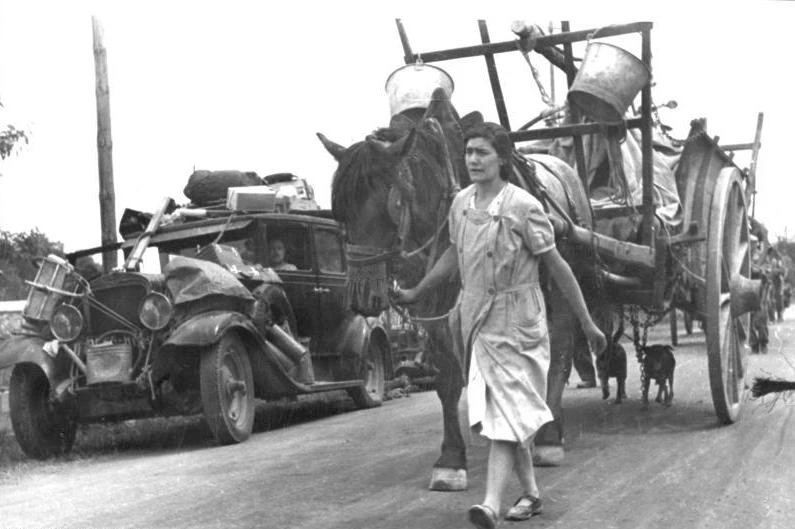
The exodus — flee or stay
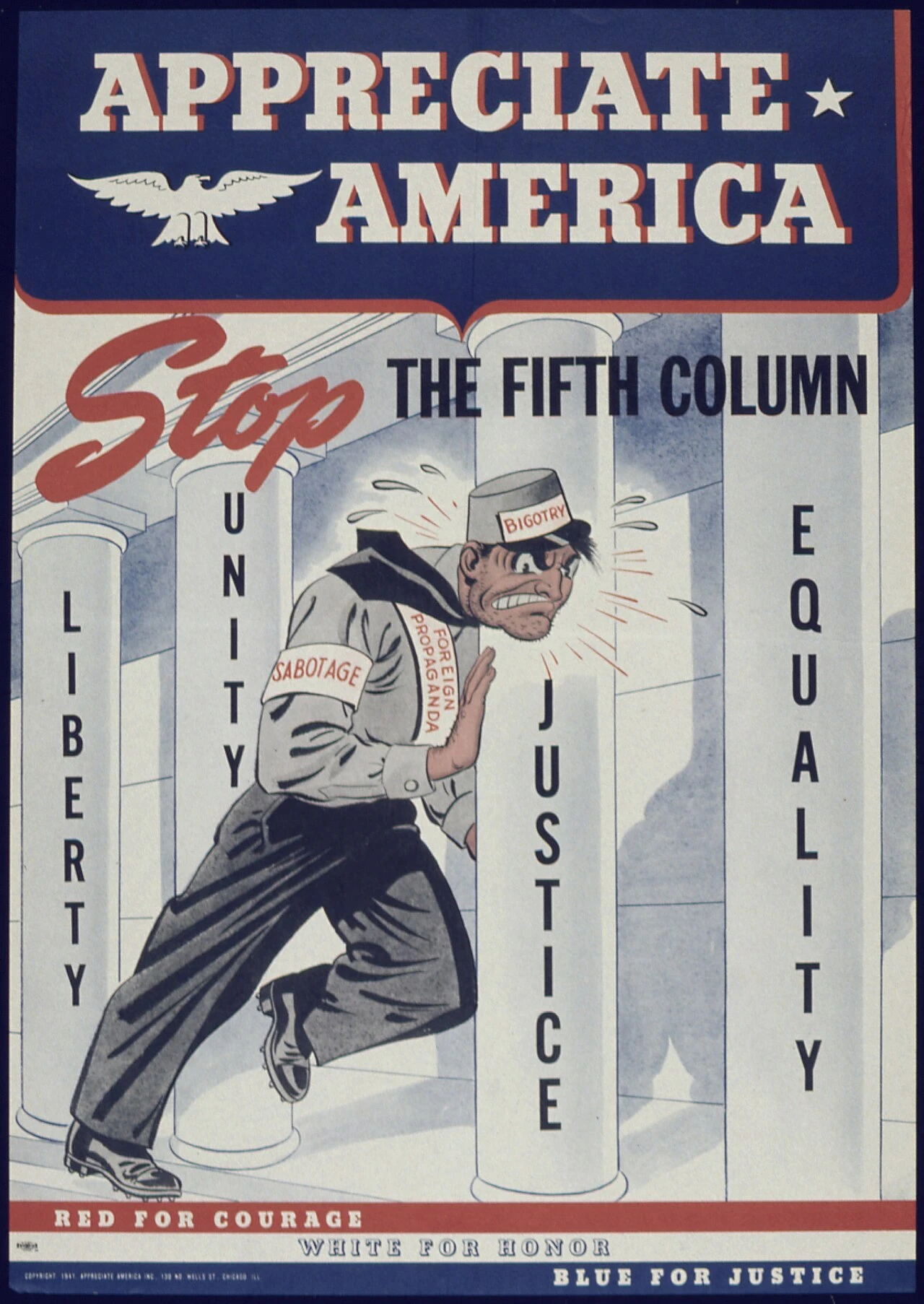
The fifth-column psychosis
The Press under German Control
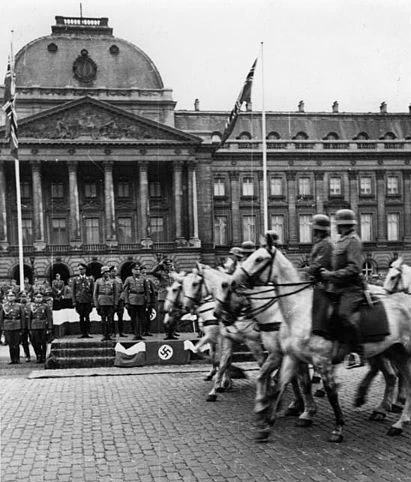
Going back to work under the occupier
The return from the exodus

The burgomaster faced with requisitions

The Red Cross and the Missing
The French exodus
Belgian border — leave or wait out the storm
The Repatriation of the Refugees
The exodus — flee or stay
The fifth-column psychosis
The Press under German Control
Going back to work under the occupier
The return from the exodus
The burgomaster faced with requisitions
The Red Cross and the Missing
The French exodus
Belgian border — leave or wait out the storm