
Adlertag — which targets?
The Luftwaffe targeting staff, on the Channel coast in occupied France and Belgium, are putting the finishing touches to D-Day of the Adlerangriff: Adlertag, the 'Day of the Eagle'. The objective set by Directive No. 17 is clear: break the Royal Air Force to open the way to invasion. The means, however, are still to be decided.
Three targets present themselves to the planners. First, the Fighter Command airfields in south-east England: destroying aircraft, runways and installations on the ground. Next, the chain of coastal radars — Chain Home, some fifty stations running from Land's End to the Orkneys — which gives the British early warning and directs their fighters through the 'Dowding system'. Finally, the aircraft industry, which turns out around 500 Spitfires and Hurricanes a month, more than Germany produces.
German doctrine has never decided between striking the enemy force, his bases, or his production. Time presses: invasion requires mastery of the sky before the autumn storms.
The staff must choose where to concentrate the blows.
Where do you concentrate the strikes: the fighter airfields, the coastal radars, or the aircraft factories?
The staff settles mainly on A — the airfields — with a few initial strikes on radar (option B) quickly abandoned. On 13 August 1940 the Luftwaffe flies around 1,485 sorties. But intelligence and coordination are faulty: several radars hit are rapidly restored, the metal towers prove hard to destroy, and the attacks lack follow-up. Worse still, the only airfields struck — Eastchurch, Detling — belong to Coastal Command, not Fighter Command, and the aircraft factories are not located. Germany loses 47 to 48 aircraft against 13 RAF fighters in the air. Adlertag inflicts damage but does not dent Fighter Command's capacity to defend its skies. The early abandonment of the radar target will rank, in hindsight, among the major errors of the campaign.
Learn more about this event
Related polls
10
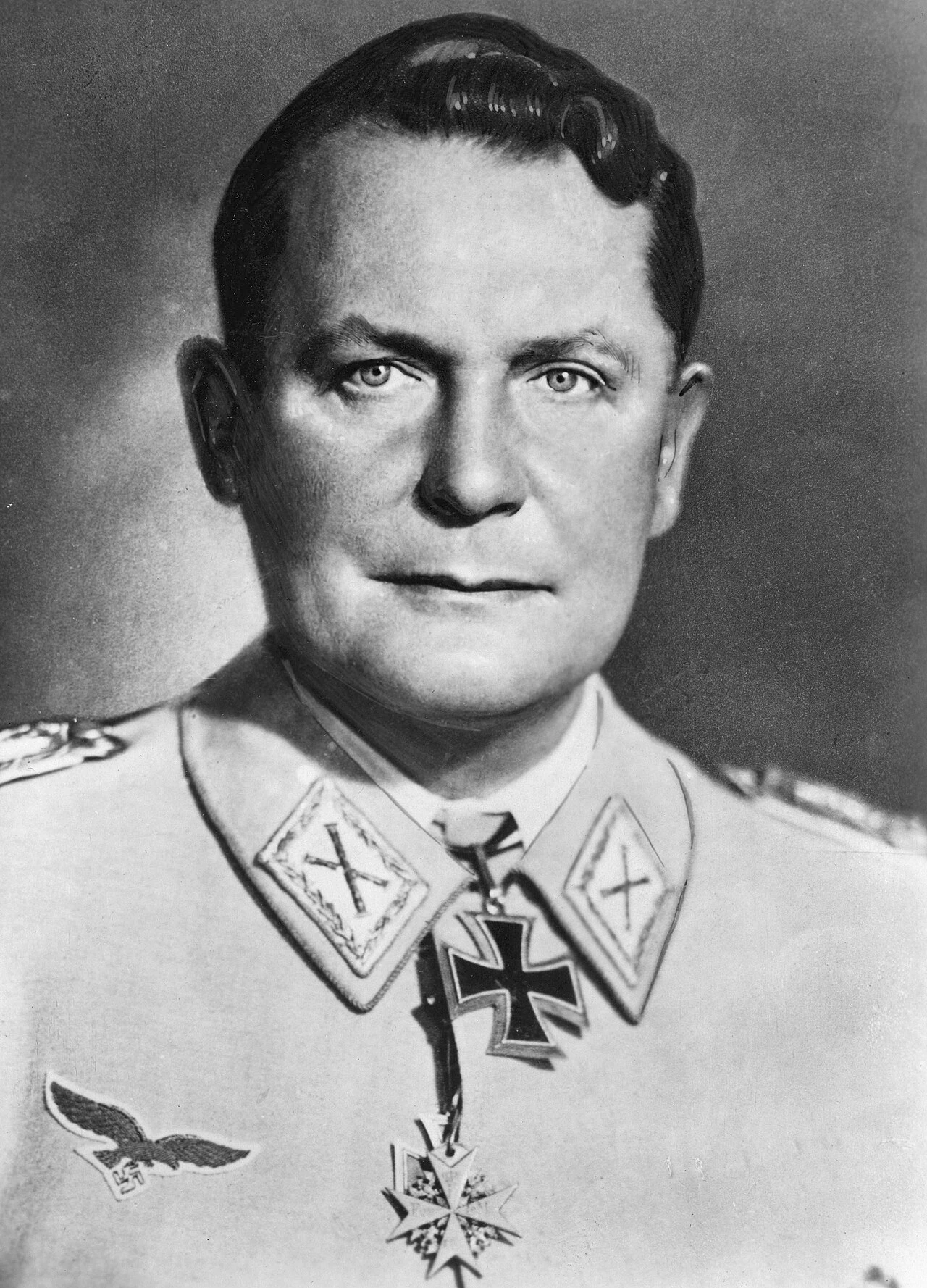
Göring's promise — Operation Adler
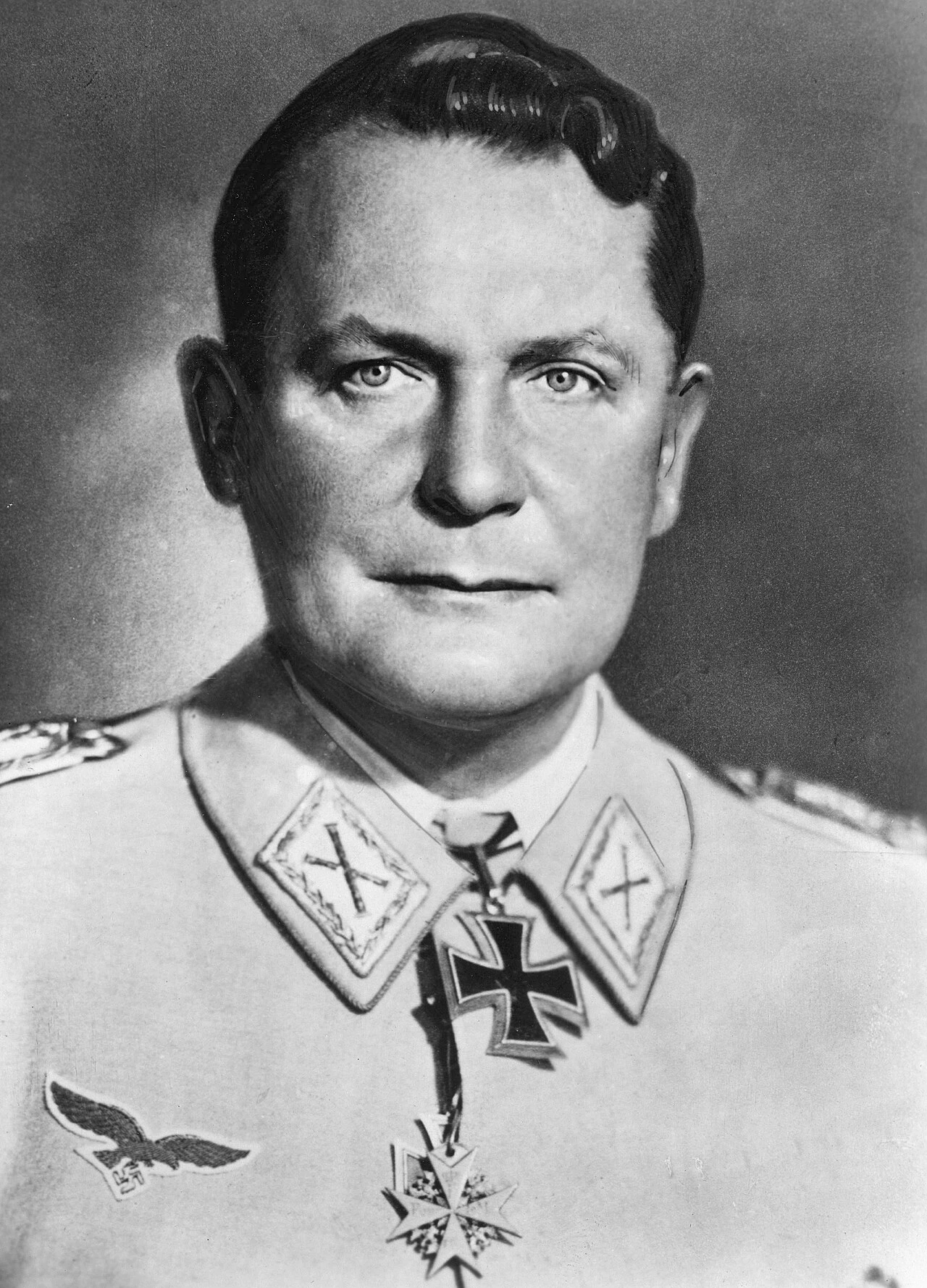
Göring at Cap Gris-Nez — September 7
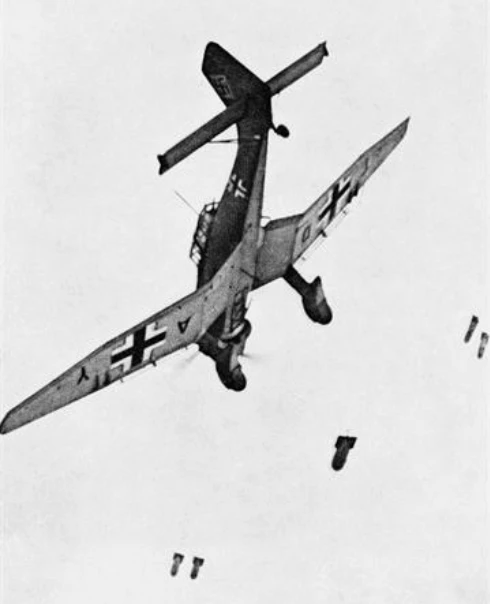
Withdrawing the Stukas
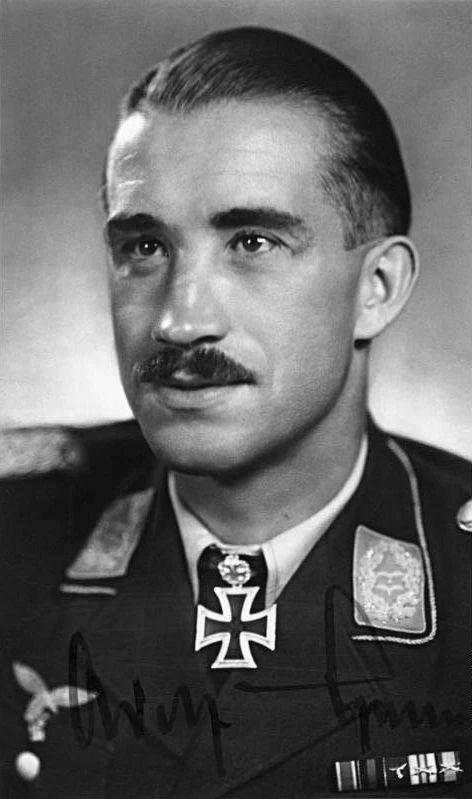
Galland over the Estuary
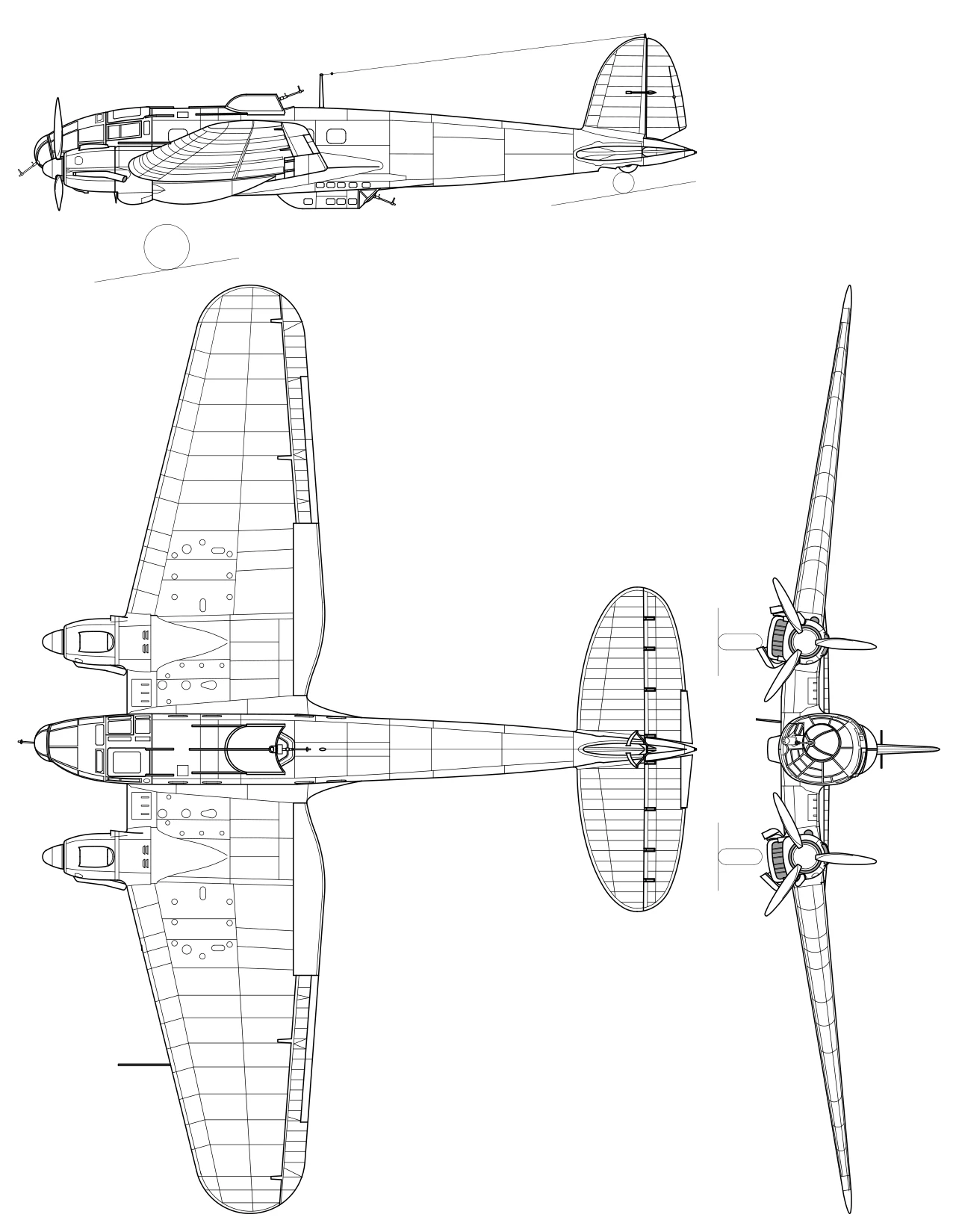
The doctrine of terror bombing
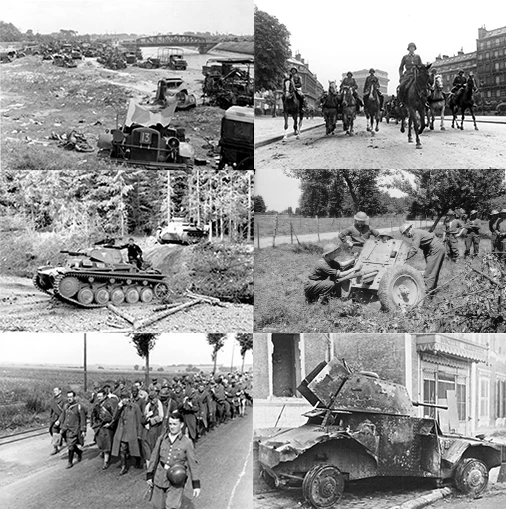
Fall Gelb — the order of 9 May 20:00
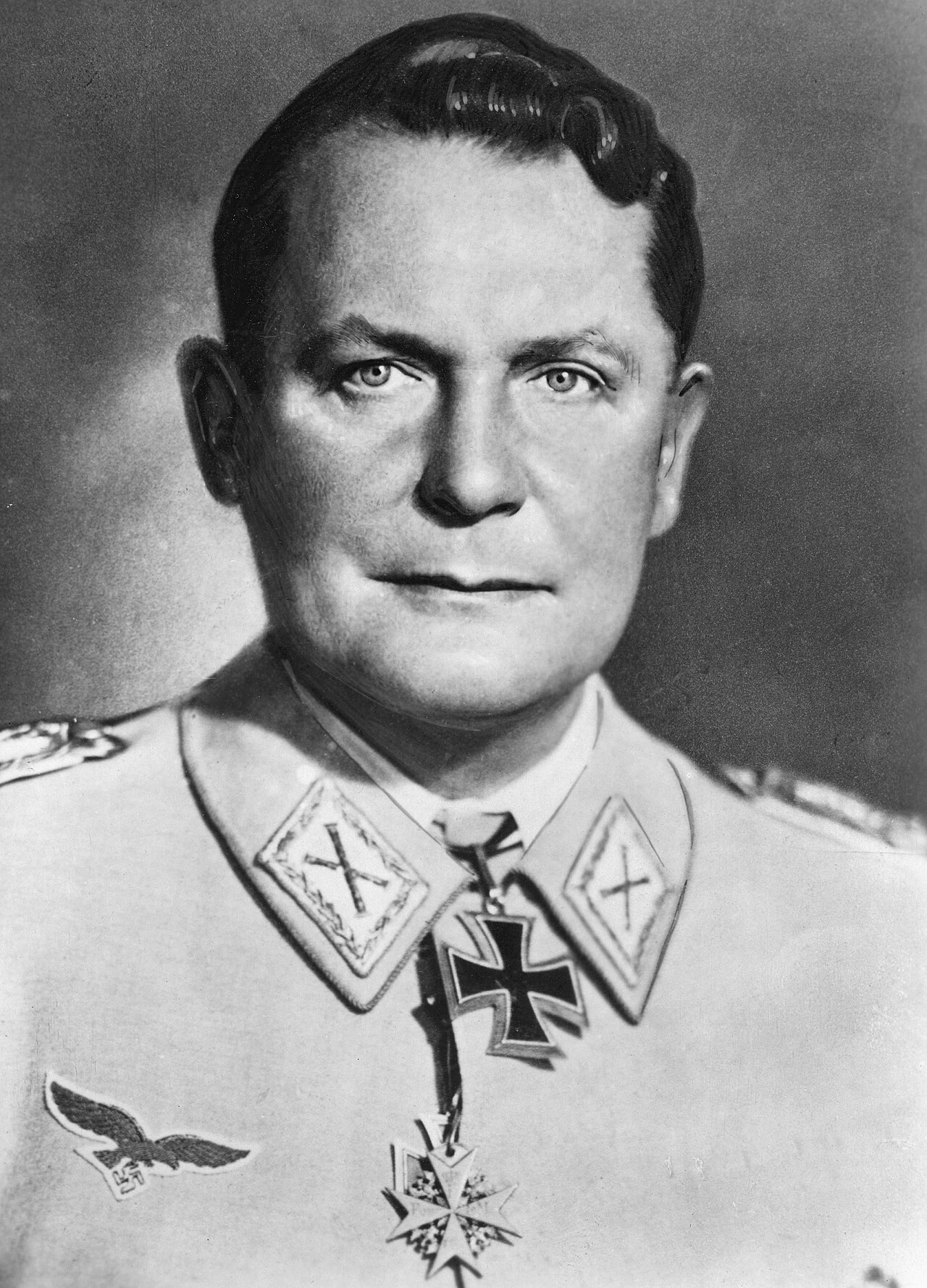
Goering at Carinhall — the promise to Hitler
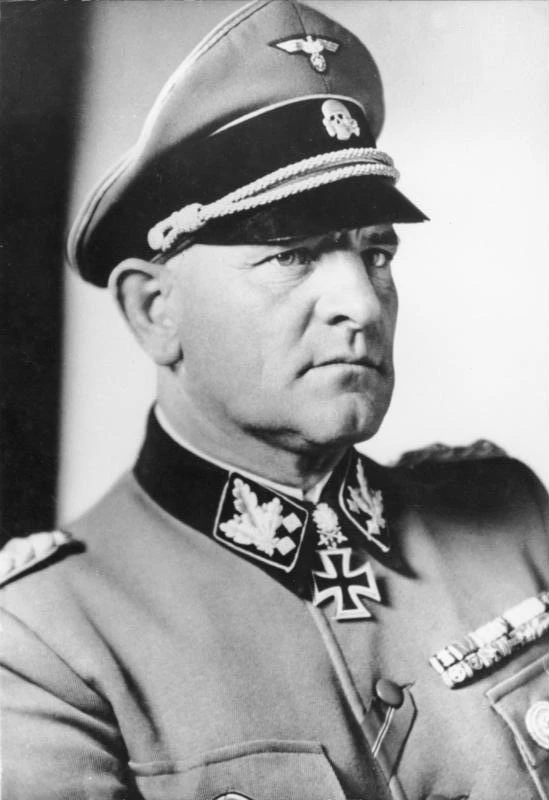
Hitler signs the Barbarossa directive
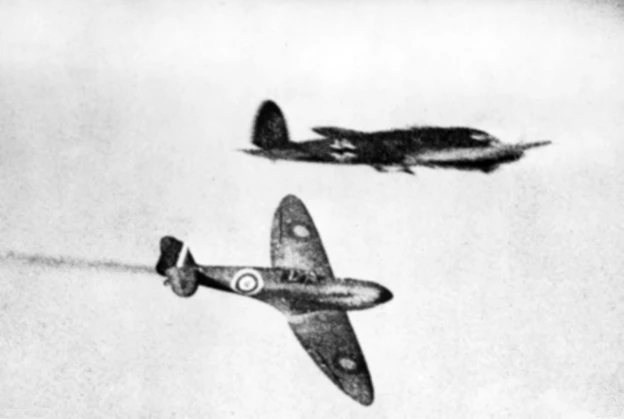
Eagle Day
Which heart to strike in the East?
Göring's promise — Operation Adler
Göring at Cap Gris-Nez — September 7
Withdrawing the Stukas
Galland over the Estuary
The doctrine of terror bombing
Fall Gelb — the order of 9 May 20:00
Goering at Carinhall — the promise to Hitler
Hitler signs the Barbarossa directive
Eagle Day