
The crossing of the Meuse at Dinant
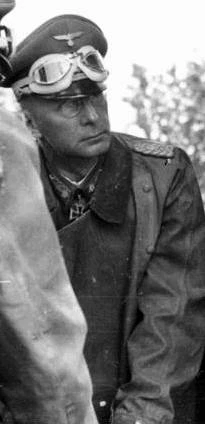
On 13 May 1940, after crossing the Ardennes, the German armoured divisions reached the Meuse, the last great natural obstacle before the French plain. At Dinant and Houx, General , at the head of the , had to force the river against a French defence holding the west bank.
Crossing a river under fire is one of the most perilous operations of all: the first to cross, in flimsy inflatable boats, exposed themselves to deadly fire, and the artillery on the far side could pin down any attempt. Waiting for the heavy artillery to arrive, along with massive air support, would be safer, but would give the French time to reinforce.
Rommel had to choose the tempo. He could launch the crossing in force immediately, paying a heavy price to exploit surprise and the enemy's disorganisation. He could wait for artillery and Stuka support to reduce losses, at the risk of losing momentum. Or he could seek a less defended crossing point upstream. The speed of the breakthrough across the Meuse would decide the fate of the campaign.
Should Rommel force the Meuse immediately, wait for heavy support, or seek another crossing point?
Rommel chose A: from 13 May, he drove his men across the Meuse at Dinant and Houx, leading from the front, crossing in person to spur on his troops and improvising smokescreens to mask those making the crossing. The bridgehead was established at the cost of severe losses but allowed the tanks to be brought across the next day. Combined with Guderian's breakthrough at Sedan on the same day, the rupture of the Meuse front opened the way for the race to the Channel. The daring of the immediate crossing, despite the risk, became one of the decisive springs of the German victory in the West.
Learn more about this event
Related polls
10
The Houx weir
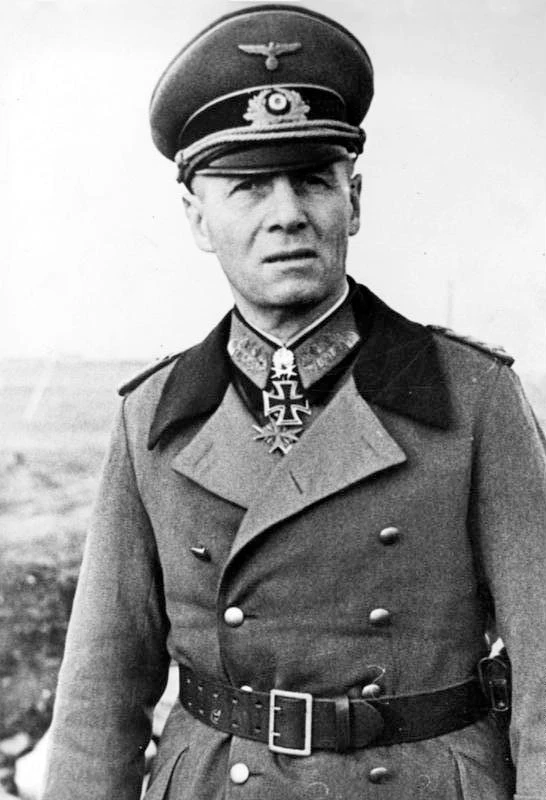
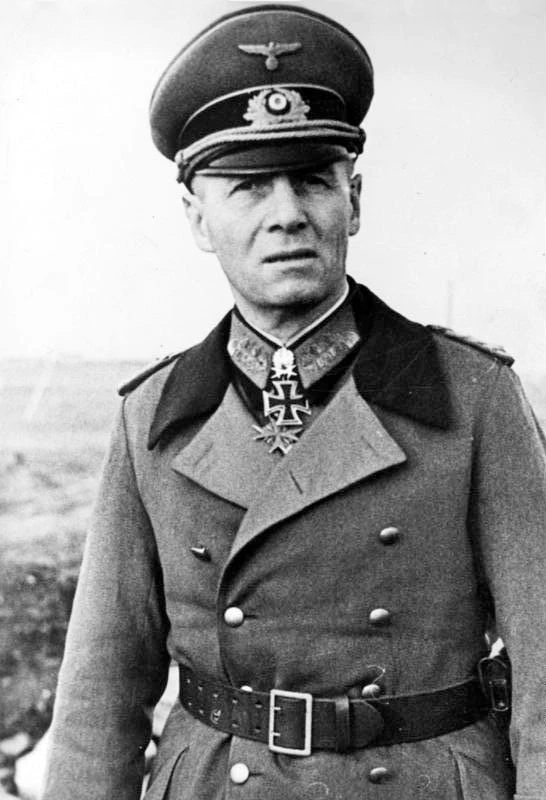
Rommel before the Meuse — Dinant, 13 May
Rommel before the Serre — the Crécy bridge
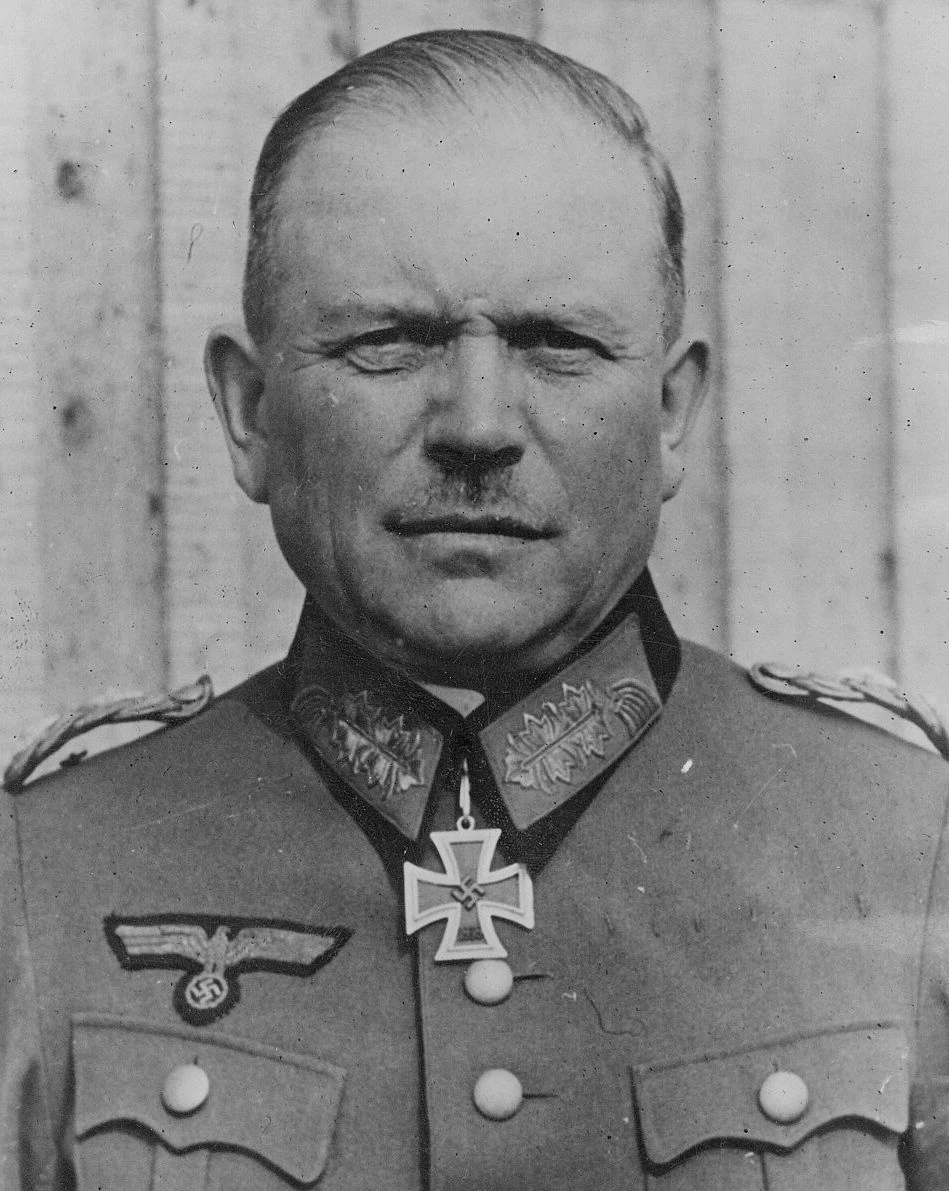
Sedan — Guderian on the Meuse
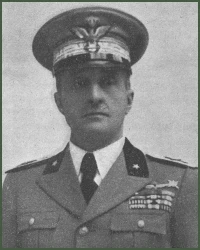
Pintor in the Alps — 21 June
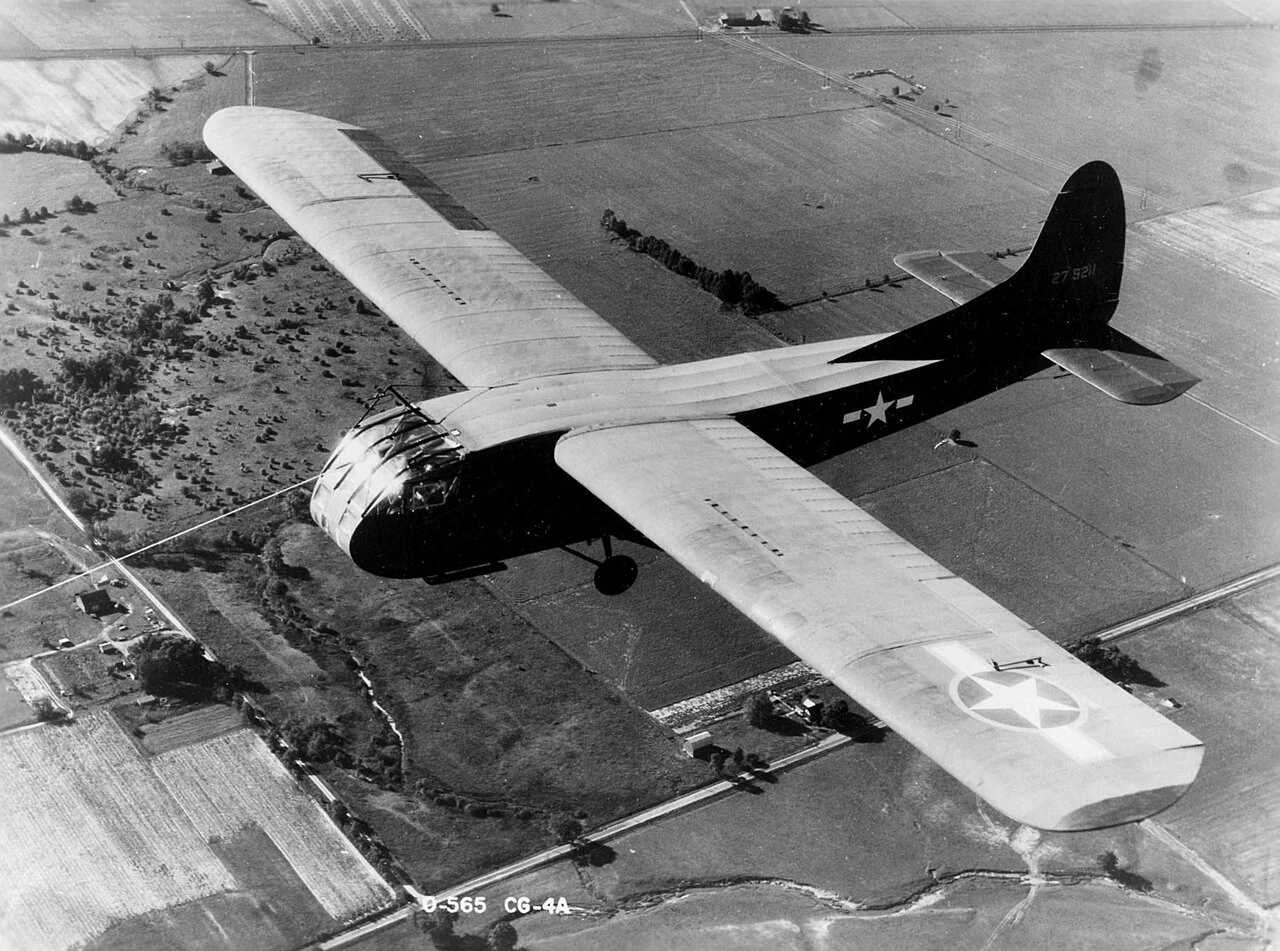
The coup de main on Ében-Émael
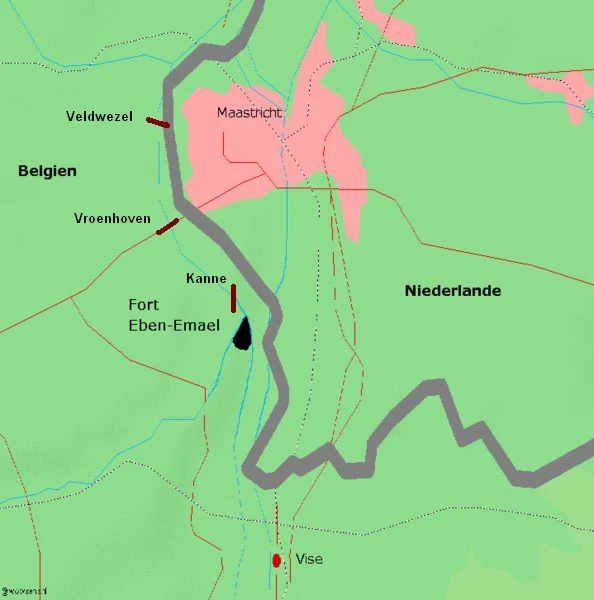
Eben-Emael — gliders on the roof
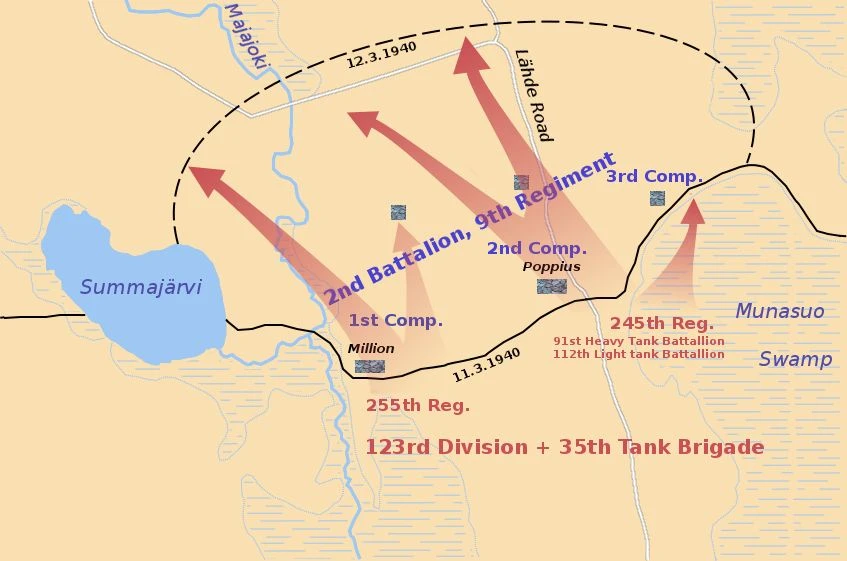
Lähde — Yakovlev against the Mannerheim bolt
Reinhardt stuck in the Ardennes — 11 May
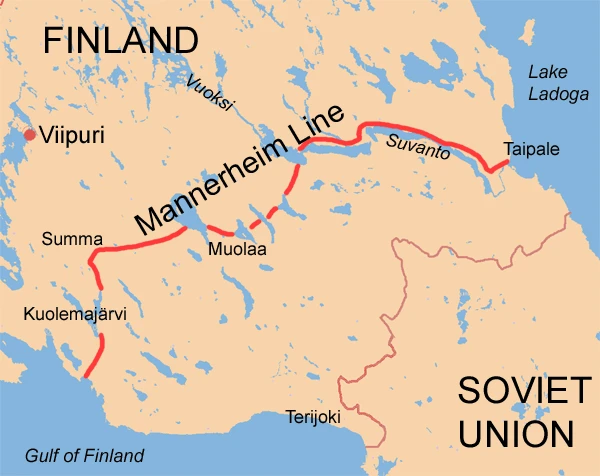
Timoshenko at Summa — 11 February
The Houx weir
Rommel before the Meuse — Dinant, 13 May
Rommel before the Serre — the Crécy bridge
Sedan — Guderian on the Meuse
Pintor in the Alps — 21 June
The coup de main on Ében-Émael
Eben-Emael — gliders on the roof
Lähde — Yakovlev against the Mannerheim bolt
Reinhardt stuck in the Ardennes — 11 May