
Which heart to strike in the East?
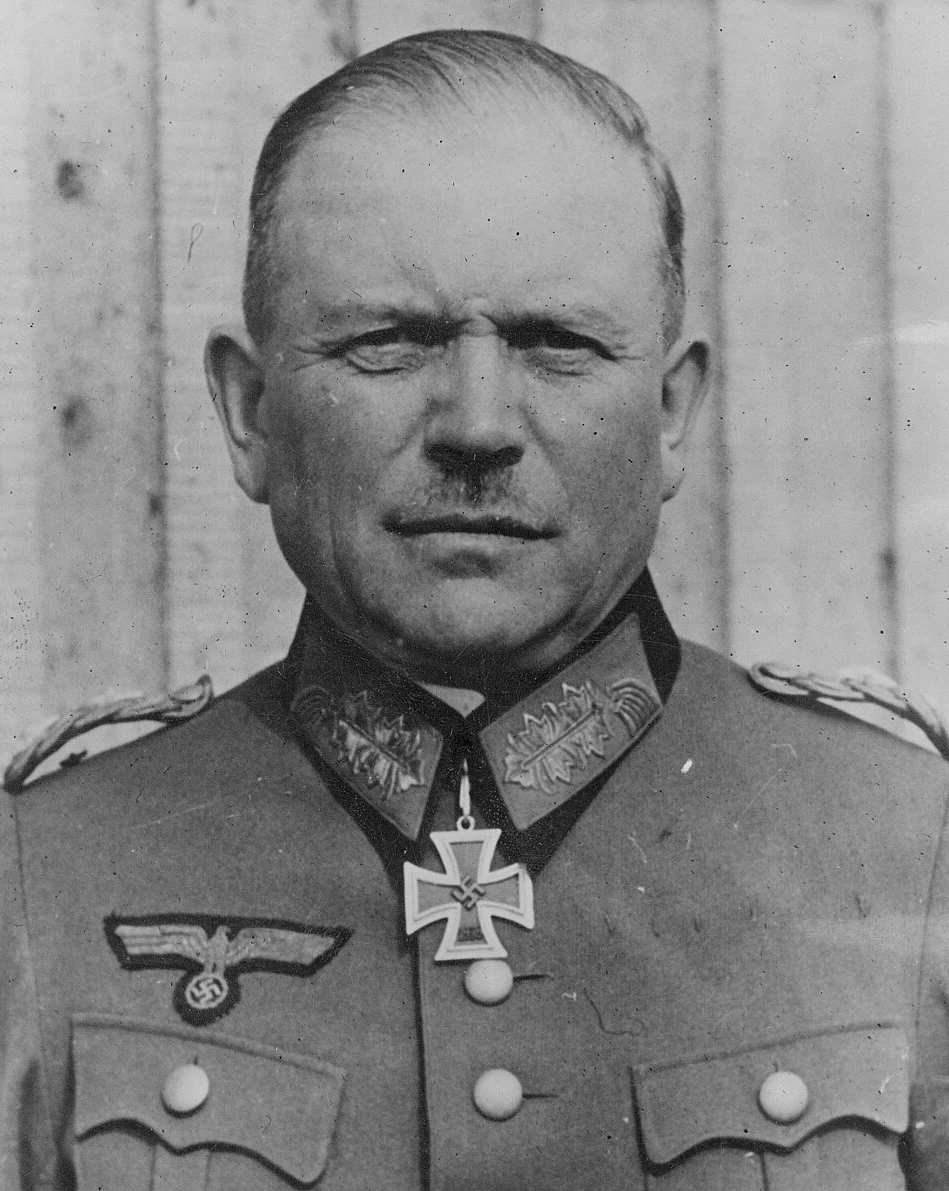
In the autumn of 1940, Generaloberst , Chief of the General Staff of the OKH, the High Command of the Army, supervises preparation of the plan for the invasion of the Soviet Union, then designated internally under the name Otto.
A meticulous officer, Halder has spent the summer shaping the deployment of millions of men. His conviction is fixed: the war will be won by striking Moscow, the political, railway and industrial hub of the USSR. Taking the capital, he believes, would dislocate the Soviet state and force the into the decisive battle to defend it. This reading, inherited from the Prussian staff tradition, places the main mass on the central axis.
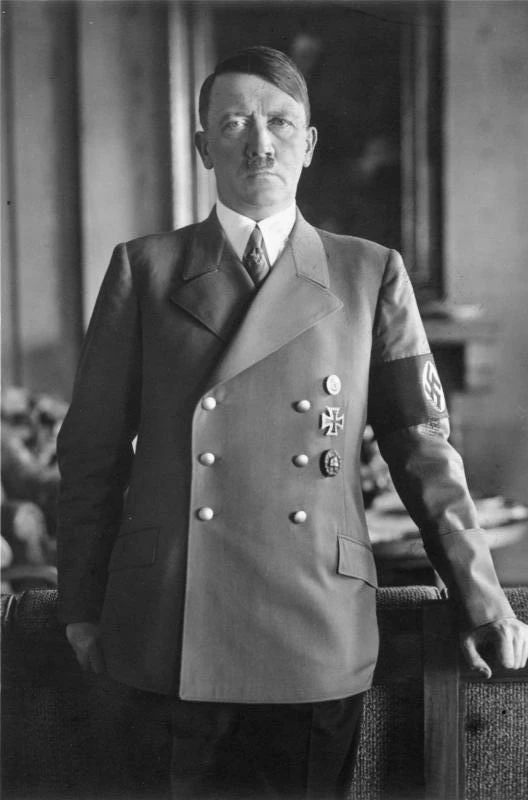
But Hitler does not share this priority. He judges Moscow secondary and wants first to destroy the west of the great rivers, then seize the economic objectives on the flanks: the shipyards and the Baltic coast towards Leningrad in the north, the grain lands and the industrial basin of Ukraine in the south. On 5 December 1940, Halder presents the definitive military plans to the Führer at a conference. The disagreement over the campaign's centre of gravity surfaces there, less than two weeks before the directive that is to fix the strategy.
Should Halder impose Moscow as the campaign's primary objective, or align the plan with the priority Hitler gives to the flanks?
Halder chooses C in the letter of the document: to humour the Führer, the plan retains an advance on three axes without clearly settling the centre of gravity, while leaving Halder to hope that, once the campaign was under way, the Moscow axis would impose itself of its own accord. Directive No. 21 of 18 December 1940 enshrines the ambiguity, placing the initial emphasis on the destruction of the enemy and on the northern and southern flanks. Launched on 22 June 1941, the invasion reveals the cost of this compromise: in the summer, Hitler diverts the armour towards Kiev and Leningrad, delaying the central thrust. When the offensive on Moscow finally resumes in the autumn, winter and Soviet reinforcements halt it at the gates of the capital. The absence of a single clearly defined objective has become one of the classic reproaches levelled at German planning.
Learn more about this event
Related polls
10
Fall Gelb — the order of 9 May 20:00
Hitler signs the Barbarossa directive
Saving an ally bogged down in the mountains
The Mud, the Winter and the Road to Moscow
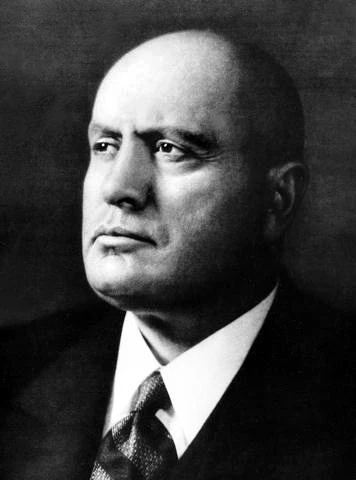
Mussolini wants his victory in Albania
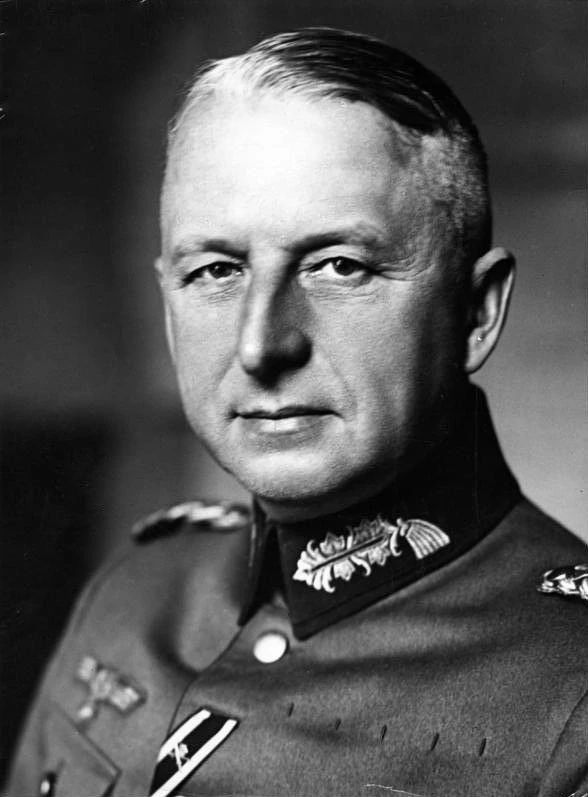
Perekop: the Iron Gate of Crimea
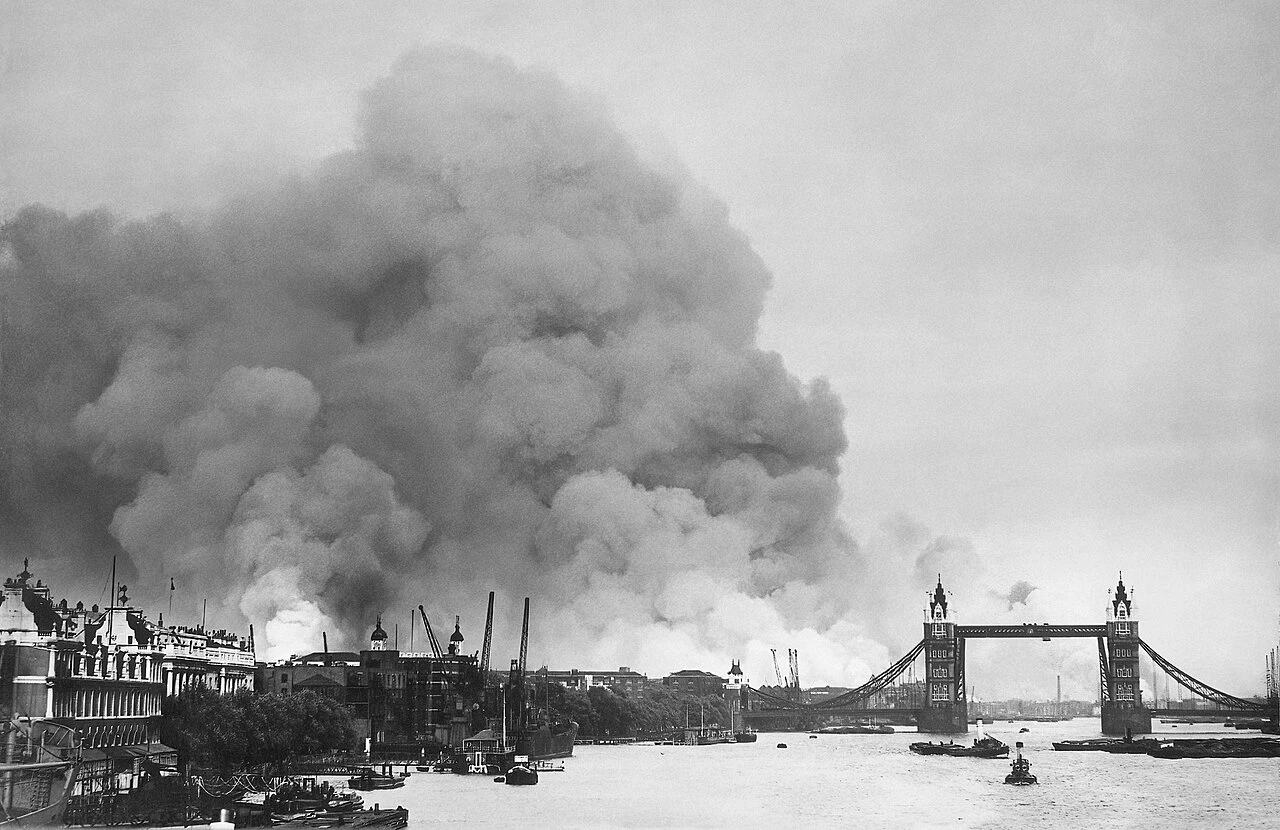
Adlertag — which targets?
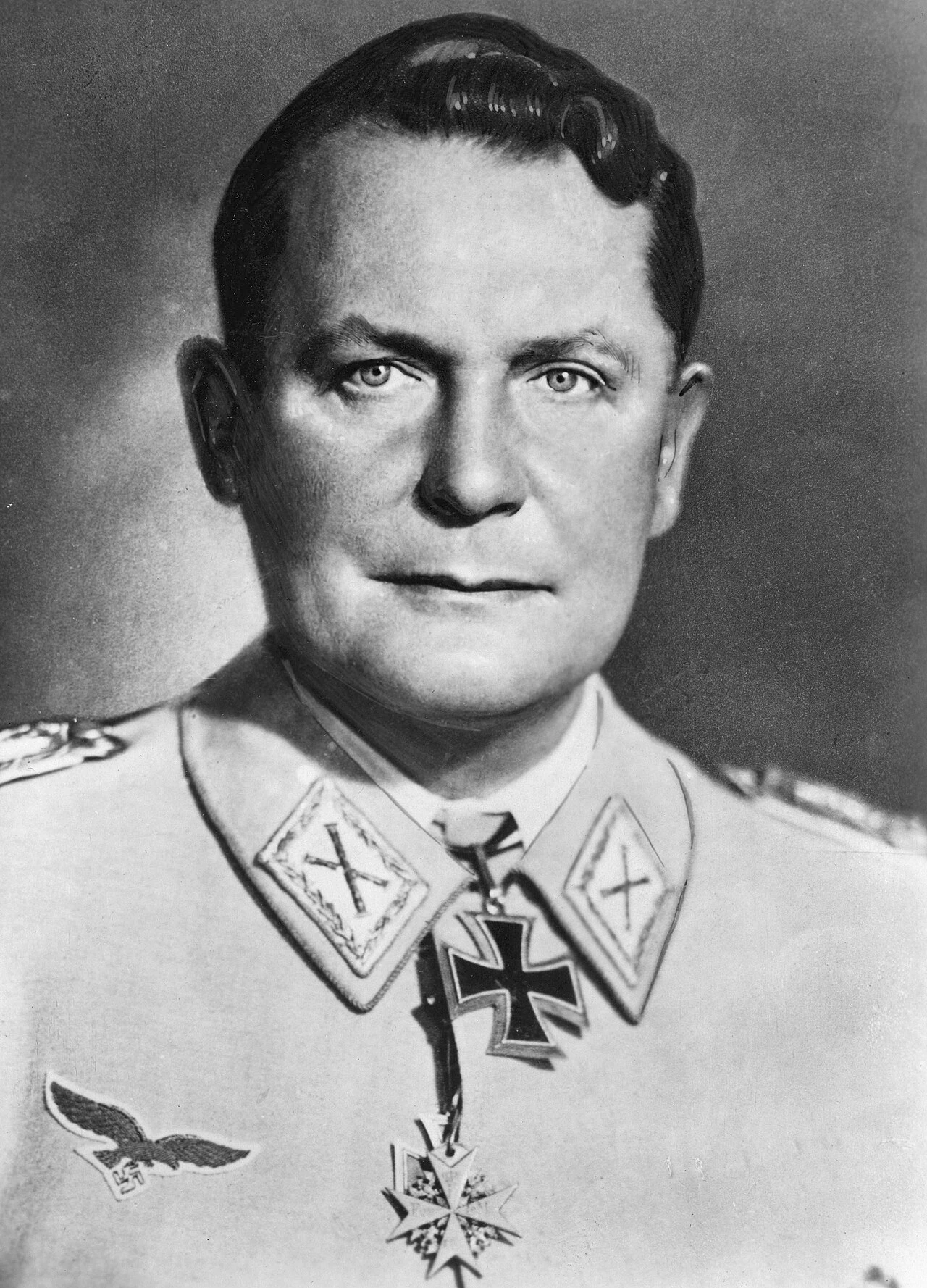
Göring's promise — Operation Adler
Mussolini, the Duce and the "Fait Accompli" — Rome, 15 October 1940
The Manstein plan adopted
Fall Gelb — the order of 9 May 20:00
Hitler signs the Barbarossa directive
Saving an ally bogged down in the mountains
The Mud, the Winter and the Road to Moscow
Mussolini wants his victory in Albania
Perekop: the Iron Gate of Crimea
Adlertag — which targets?
Göring's promise — Operation Adler
Mussolini, the Duce and the "Fait Accompli" — Rome, 15 October 1940