
The Reich Central Office for Jewish Emigration
After the Night of Broken Glass (Kristallnacht) of November 1938, the Nazi regime wants to drive the Jews out of the Reich as fast as possible. Two paths compete in Berlin. The first is diplomatic: the Rublee–Wohlthat plan, negotiated with the intergovernmental committee that emerged from the Évian conference, envisages the orderly emigration of around 150,000 work-capable Jews over three to five years, financed by their own assets and by international aid.
The second is coercive. On 24 January 1939, orders the creation of the Reichszentrale für jüdische Auswanderung (Reich Central Office for Jewish Emigration), entrusted to . The administrative instrument is now in place; what remains is to define the method it will apply.
The regime must decide. Bet on negotiated, financed emigration, which depends on the goodwill of reluctant host countries and would stretch over several years? Accelerate departure through administrative coercion and spoliation, at the risk of closing foreign borders even faster? Or combine the two? The choice will determine the fate of hundreds of thousands of people trapped between a Reich that drives them out and a world that shuts its doors.
Should the regime force the expulsion of the Jews through coercion, or rely on the negotiated emigration plan?
The regime chooses B: on 11 February 1939, Heydrich casts doubt on the viability of the Rublee plan and argues for harsher means. His Central Office generalises Eichmann's Vienna model — stripping Jews of their property in exchange for an exit visa and pushing them out through spoliation and pressure. The Rublee–Wohlthat plan, for want of countries willing to take in the refugees, remains a dead letter. Hundreds of thousands of Jews emigrate at the cost of ruin; but the wall of visas traps hundreds of thousands of others. When war closes the borders in the autumn of 1939, the policy of "forced emigration" will give way, in the months that follow, to concentration and then extermination. Heydrich's office prefigures the bureaucratic machine of persecution.
Learn more about this event
Related polls
10
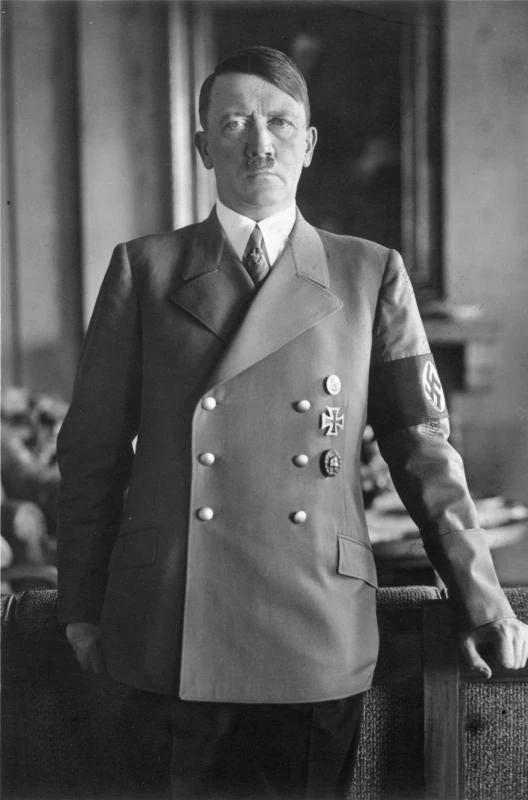
The Prophecy Speech

The Barbarossa decree — the 'licence to kill'

Gleiwitz — Naujocks at the Transmitter
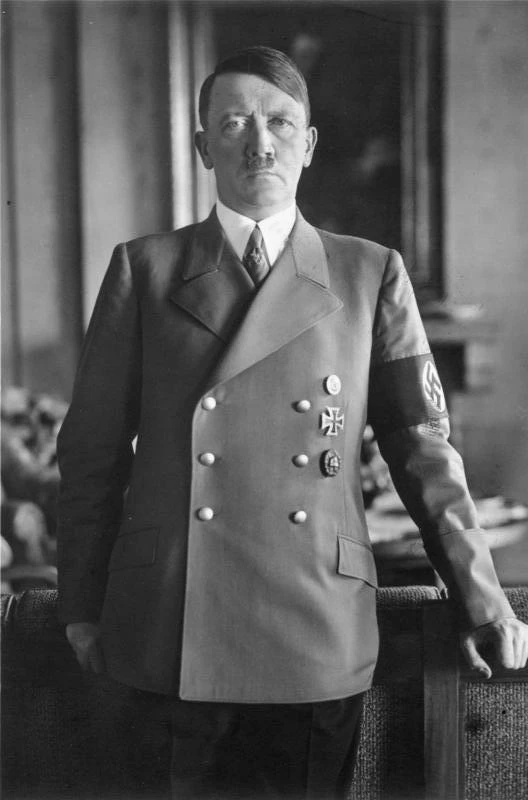
The Obersalzberg Speech
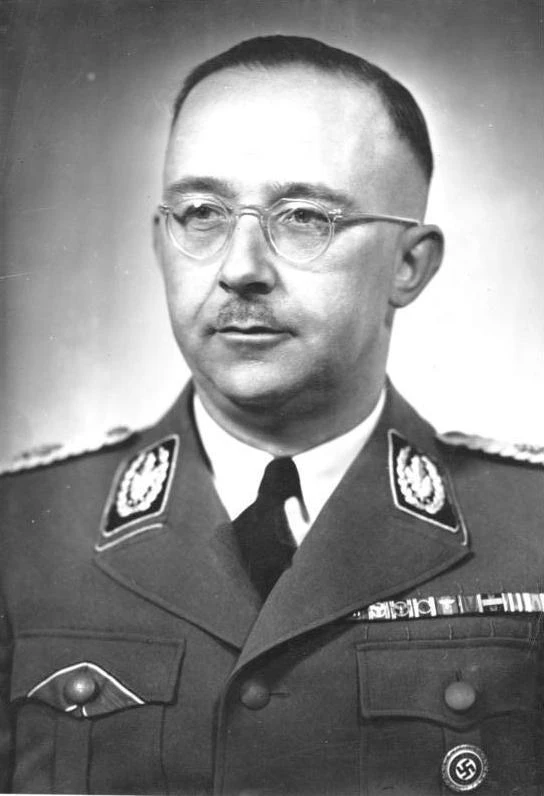
Himmler's memorandum to the Führer
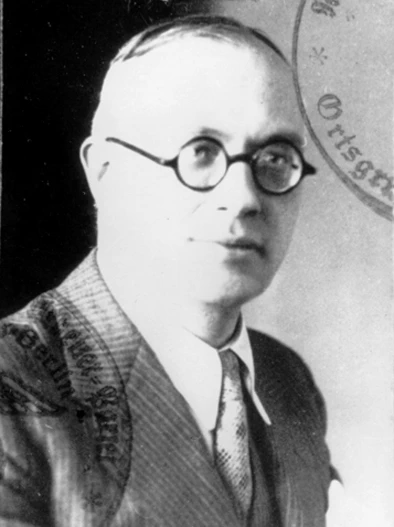
The Madagascar Plan on paper
Flee or Stay
AB Aktion — planning at the Wawel
Forster — Kashubians and Kociewiacy
Greiser — the Priority of the Wartheland
The Prophecy Speech
The Barbarossa decree — the 'licence to kill'
Gleiwitz — Naujocks at the Transmitter
The Obersalzberg Speech
Himmler's memorandum to the Führer
The Madagascar Plan on paper
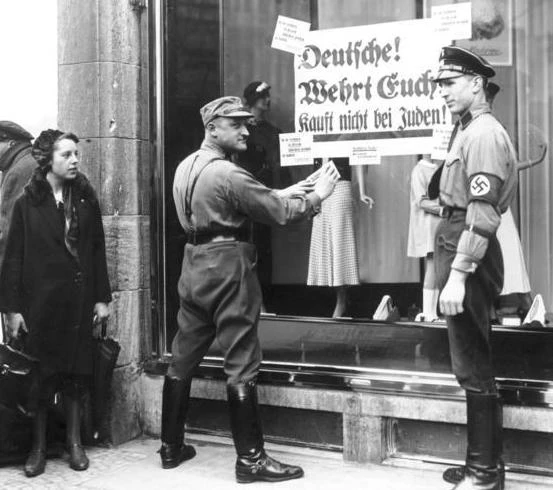
Flee or Stay
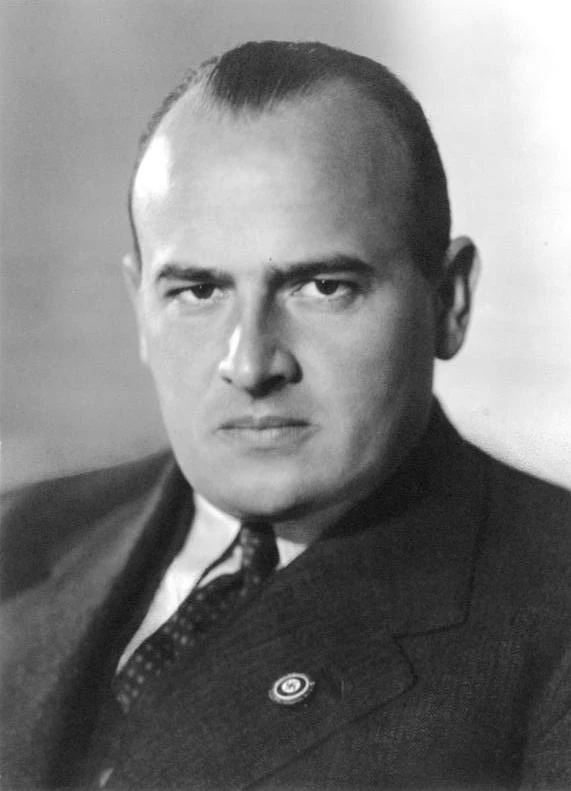
AB Aktion — planning at the Wawel
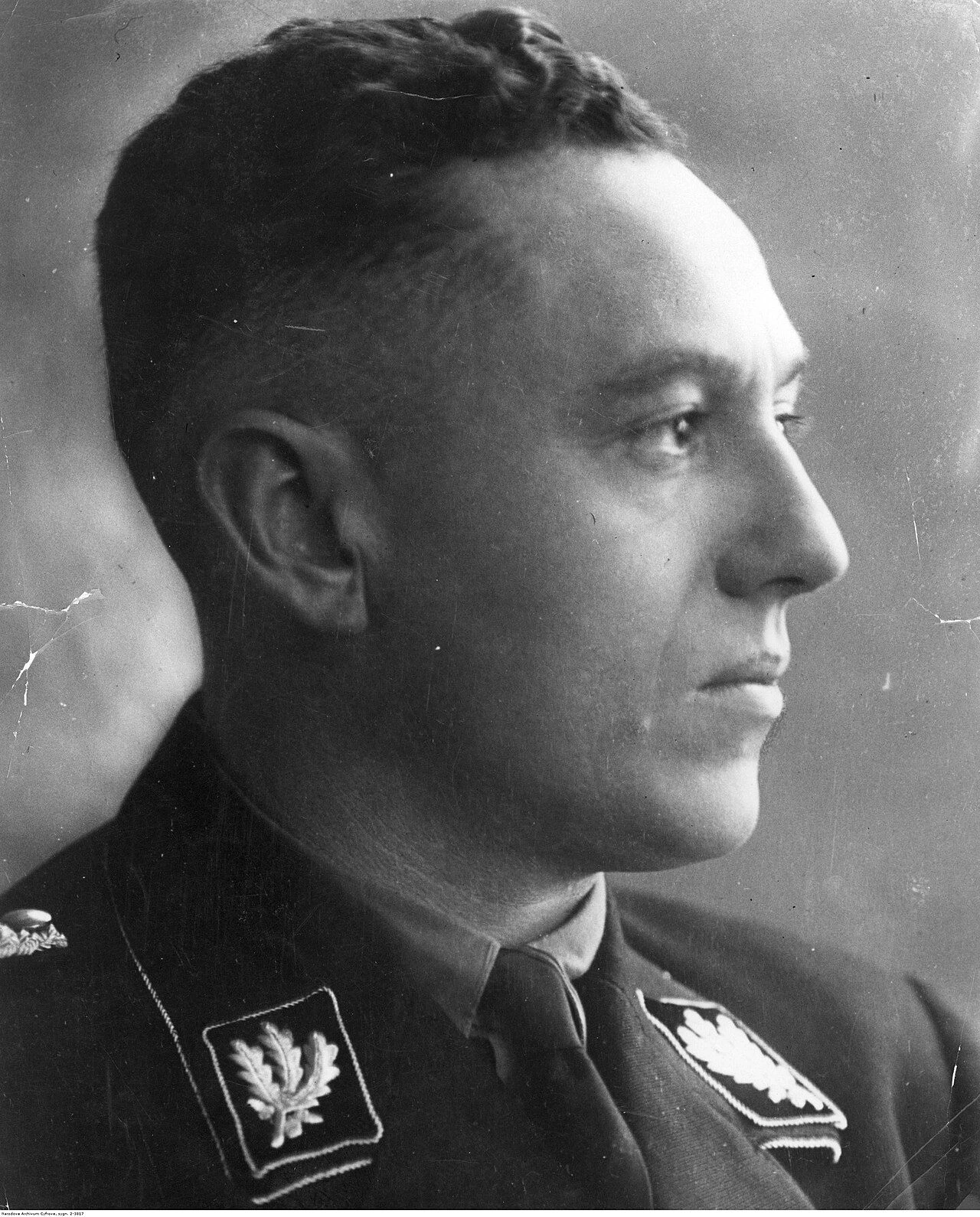
Forster — Kashubians and Kociewiacy