
In the summer of 1940, once France has been fixed by the armistices, the administration tries to assess the scale of the exodus — the largest population displacement in the history of Western Europe in the twentieth century. The sources are scattered: prefectoral registers, communal censuses, SNCF reports, accounts from the host cities (Bordeaux, Toulouse, Pau, Limoges, Périgueux).
Three major unknowns arise. How many people left their homes between May and June 1940? How many died on the way — strafings, exhaustion, accidents, lost children? How many returned home before the end of the year? The estimate conditions the management of returns, supply, and aid to separated families.
Figures are all the more lacking because many fugitives were never registered and because families remain dispersed in the autumn. The difficulty of quantification is real, in a country administratively disorganised. The stake is not merely statistical: it is a matter of measuring a national trauma founding the memory of 1940.
What order of magnitude to retain for the number of French thrown onto the roads?
Contemporary historiography accepts B: 8 to 10 million people fled on the roads in May-June 1940, a figure established by and confirmed by and . It is the largest population movement of twentieth-century Western Europe. The human toll is heavy but hard to fix: several tens of thousands dead (strafings, accidents, exhaustion) — often estimated at between 30,000 and 50,000 — and hundreds of thousands of children temporarily separated from their parents, most of whom will be found again. The majority of the fugitives return home in autumn 1940, under occupation. The exodus lastingly marks French collective memory: it becomes the symbol of the collapse of June 1940.
Learn more about this event
Related polls
10
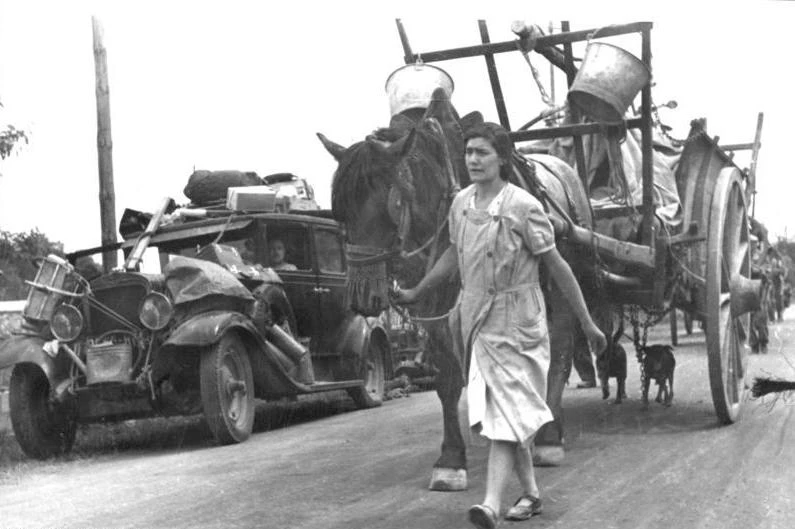
The French exodus
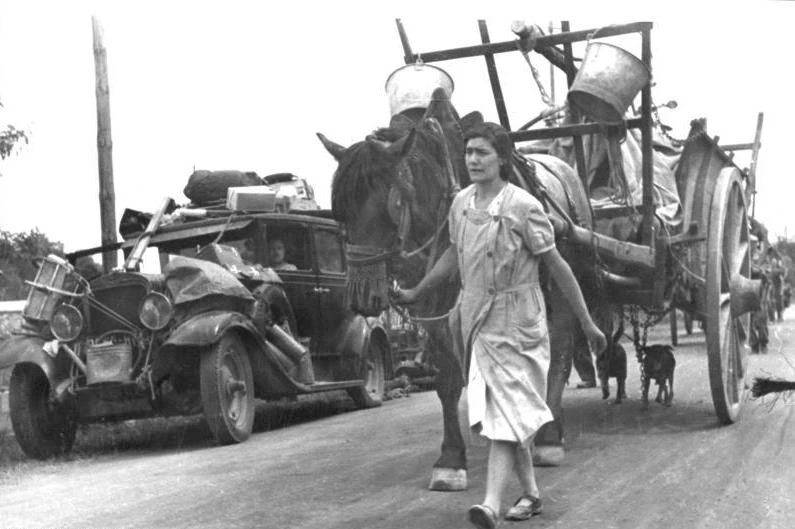
Belgian border — leave or wait out the storm
Hannah Arendt, Stateless and Interned, Facing Exile
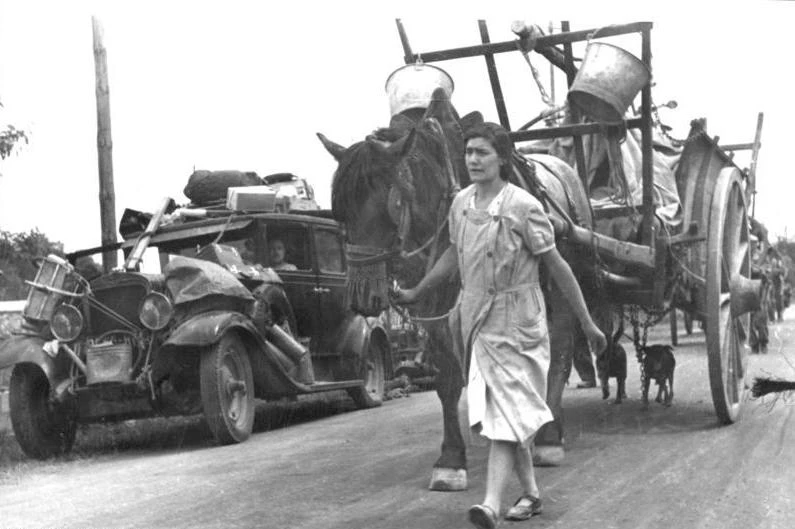
A Schoolteacher at Périgueux — Welcoming the Exodus
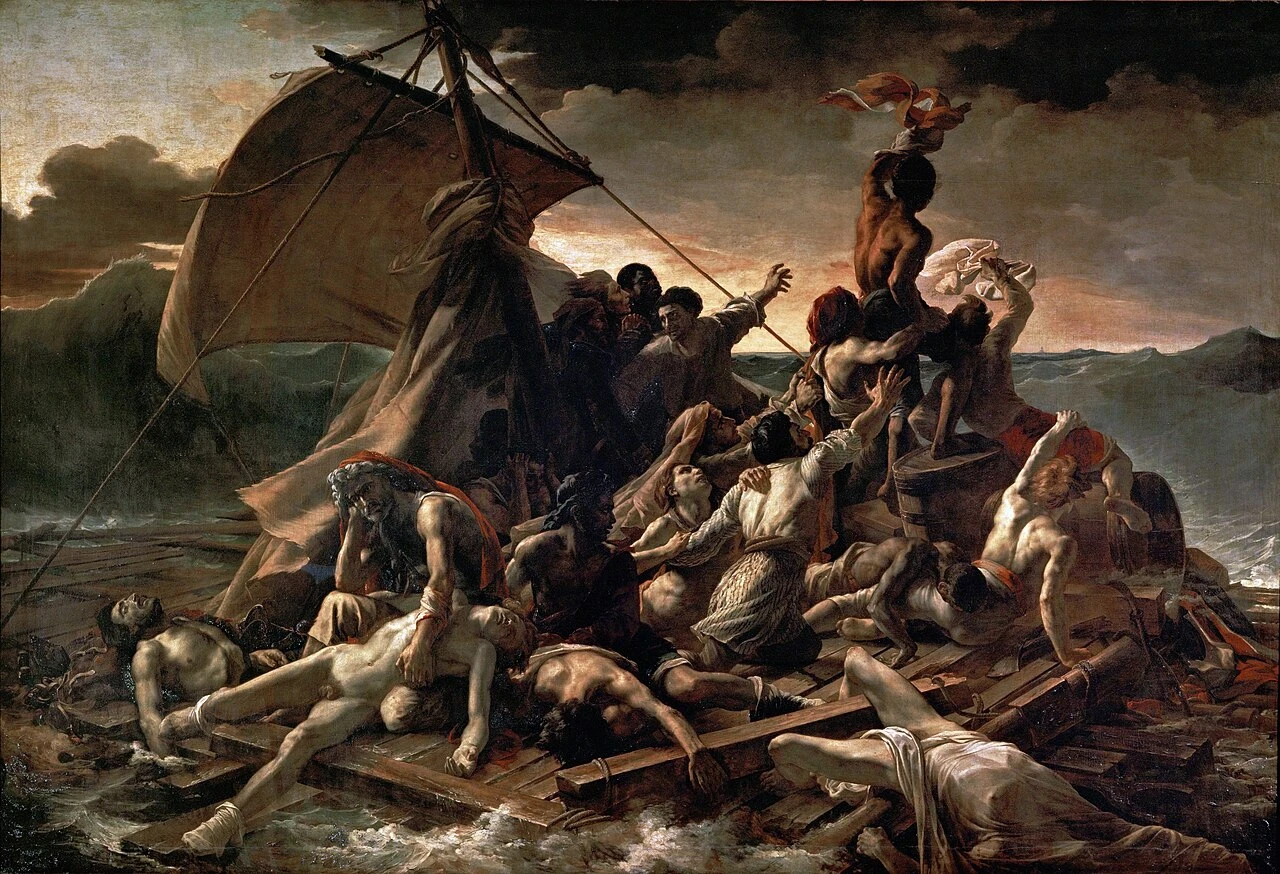
June 1940: the Mona Lisa on the road, ahead of the German advance
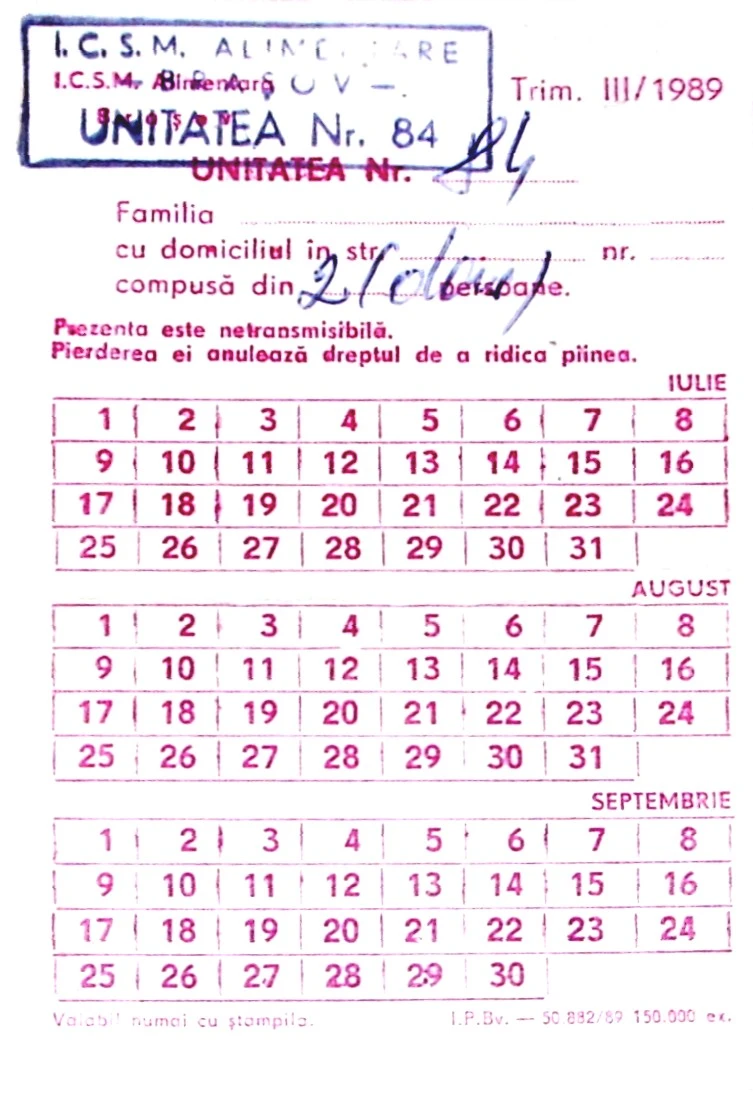
France's March 1940 Ration Card
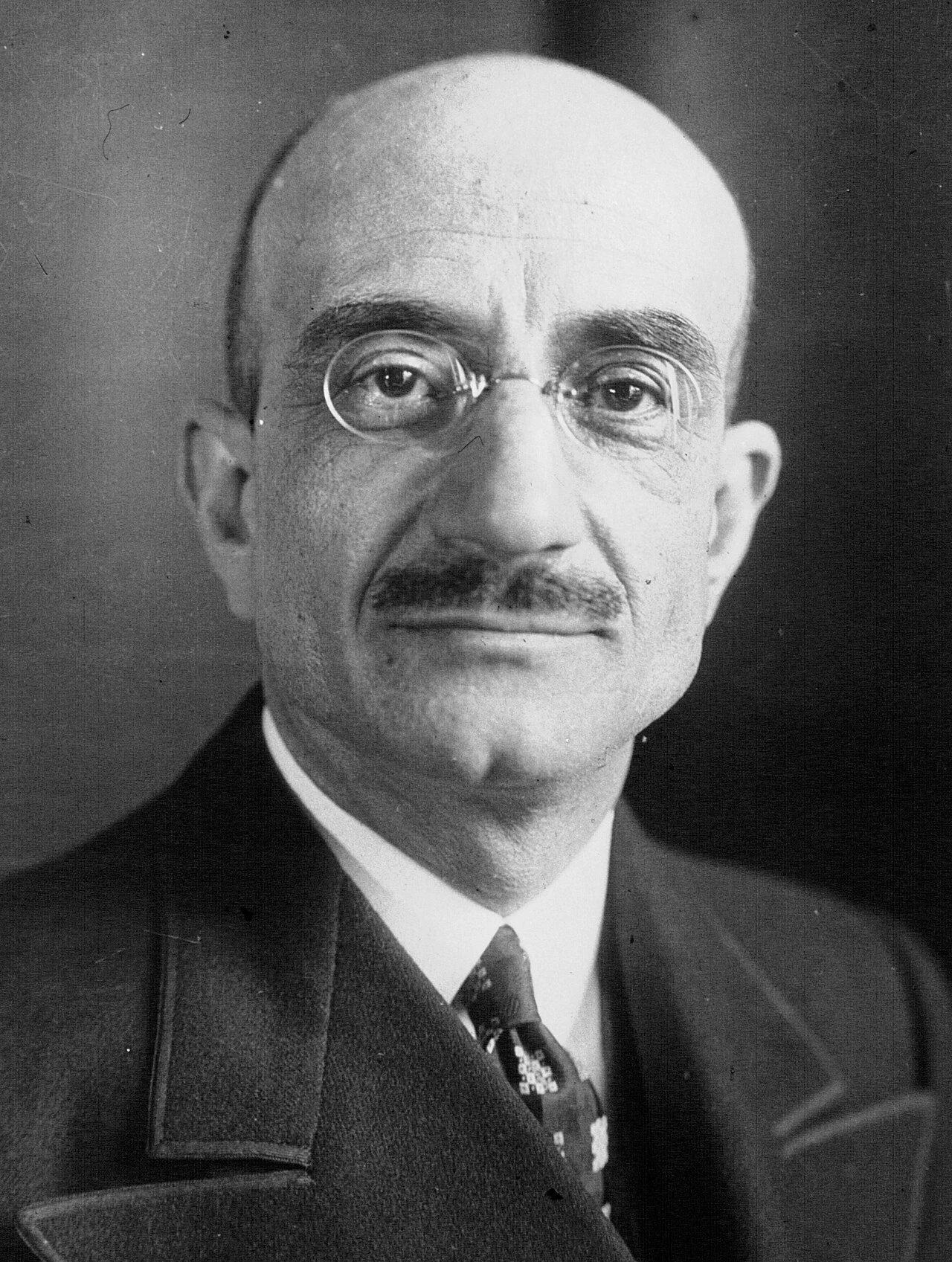
Langeron — Prefecture of Police, 14 June
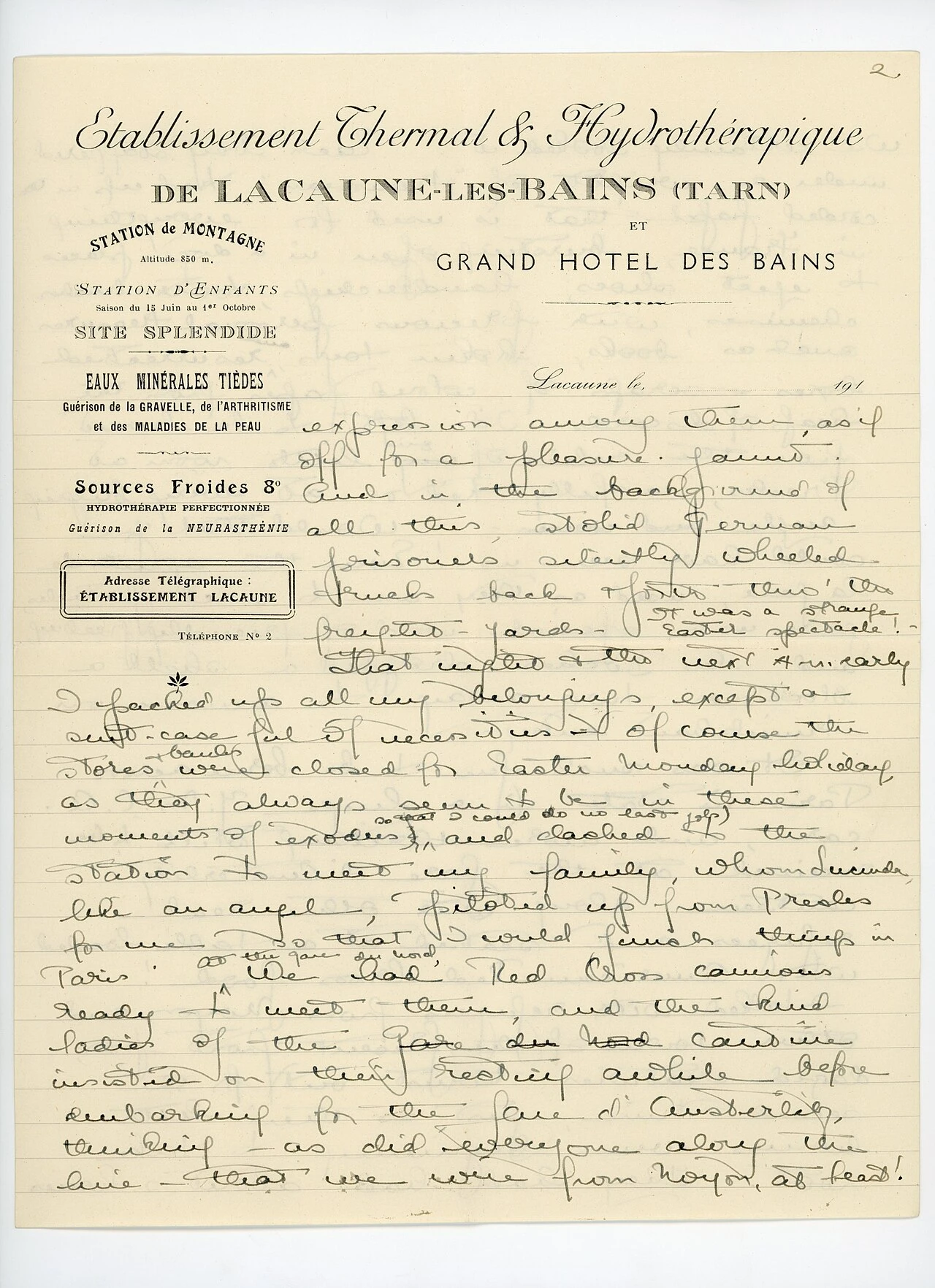
A Paris Lycée in Exodus
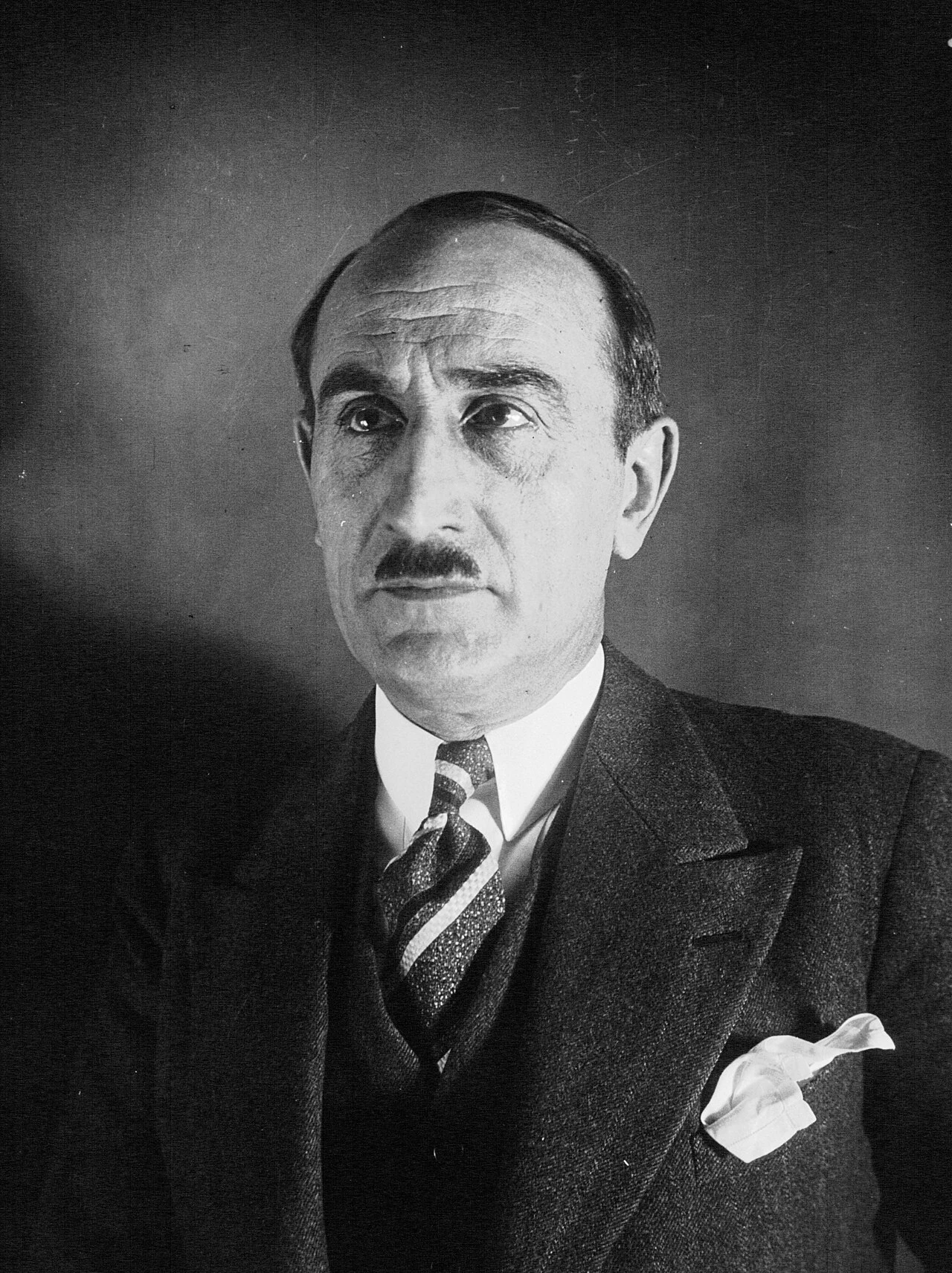
Marquet — Bordeaux overwhelmed, 12 June
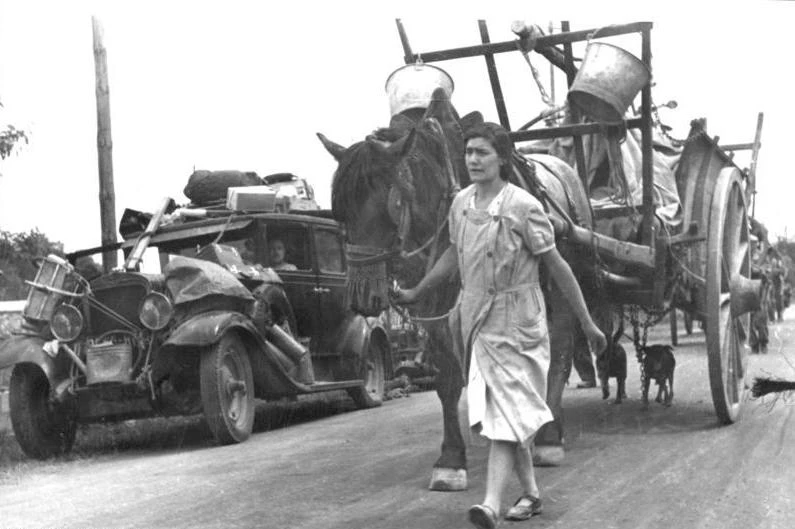
Paris empties out — 10 June
The French exodus
Belgian border — leave or wait out the storm
Hannah Arendt, Stateless and Interned, Facing Exile
A Schoolteacher at Périgueux — Welcoming the Exodus
June 1940: the Mona Lisa on the road, ahead of the German advance
France's March 1940 Ration Card
Langeron — Prefecture of Police, 14 June
A Paris Lycée in Exodus
Marquet — Bordeaux overwhelmed, 12 June