
The French army of 1940 counted in its ranks many foreign volunteer enlistees: anti-fascist refugees, Spanish republicans who had fled Franco, Jews who had fled Nazism, stateless persons, immigrants. Many had enlisted (often in the Foreign Legion or marching regiments) to fight Nazi Germany, out of conviction or out of gratitude towards their host country. You are one of them.
In the rout, you face a particularly perilous fate. For you, falling into German hands would mean, as an anti-fascist, a Jew or a "stateless person", treatment far worse than that reserved for ordinary prisoners. To continue the fight to the end, then try to flee abroad (England, overseas) to escape capture. To blend into the civilian population by getting rid of your uniform. Or to surrender with the other soldiers, hoping for prisoner-of-war status.
For these volunteers who had come to fight Nazism, defeat was a direct and personal threat. Their commitment, often forgotten, recalls the international dimension of the struggle against the Axis and the courage of those who fought for a homeland that was not theirs by birth.
Should our foreign volunteer enlistee flee abroad, blend into the population, or surrender as a prisoner?
Fates varied according to means and luck. Many fought with great bravery (the marching regiments of foreign volunteers, the Spanish republicans, distinguished themselves in the fighting of 1940), aware of what they were risking. At the defeat, some managed to flee (A) to England or Africa, others blended into the population (B) or were taken prisoner (C) — with, for Jews and anti-fascists, the danger of later persecution under Vichy and the occupier. The commitment of these foreign volunteers, who had come to fight Nazism in the name of an ideal, illustrates the international dimension of resistance from 1940 onwards — and the courage of those who had the most to lose.
Learn more about this event
Related polls
10
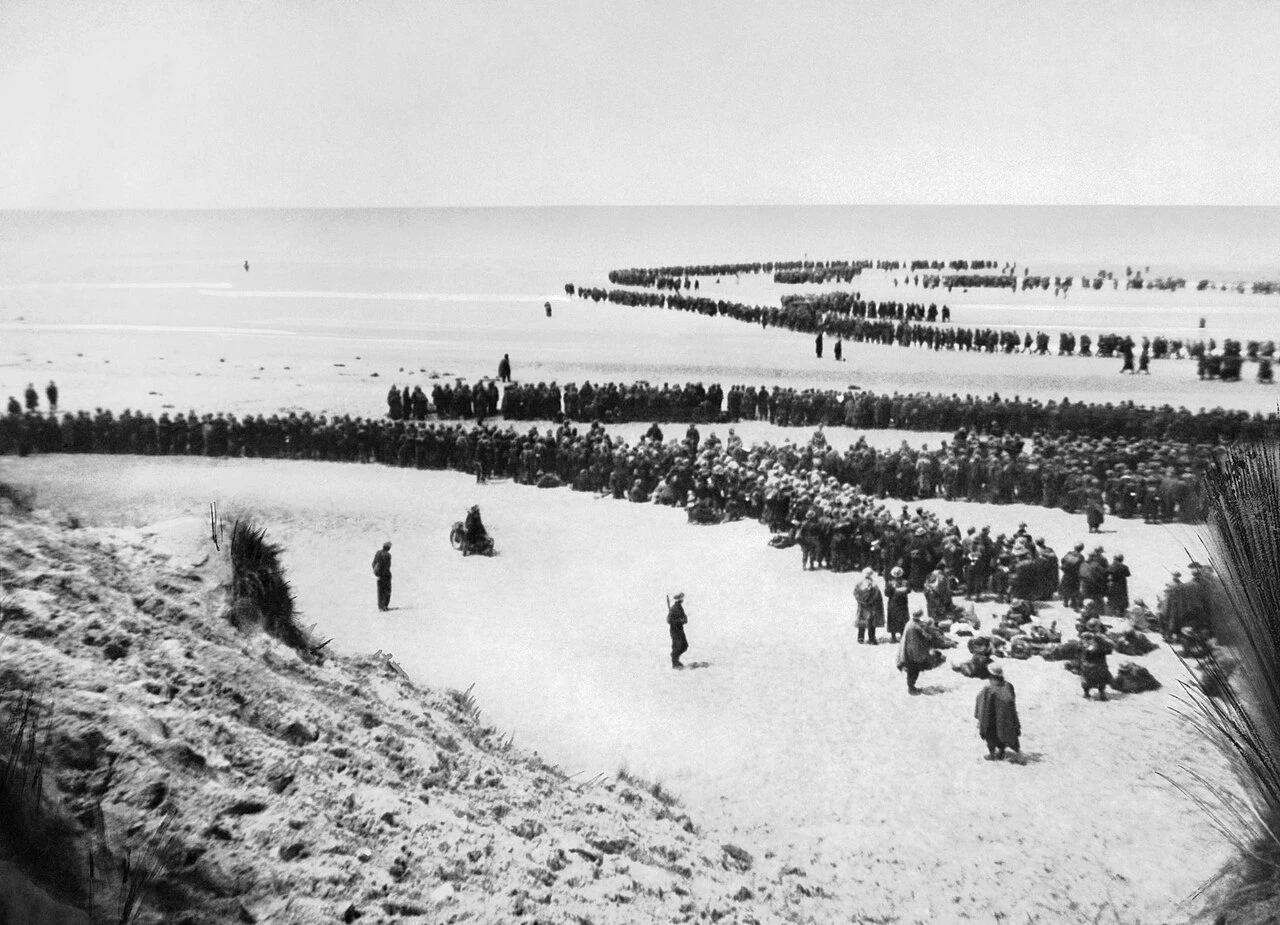
Dunkirk: holding the line under the bombs
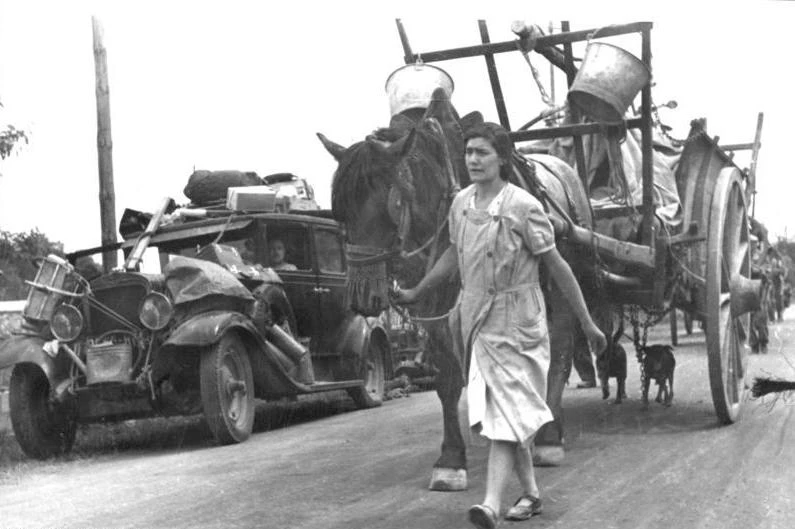
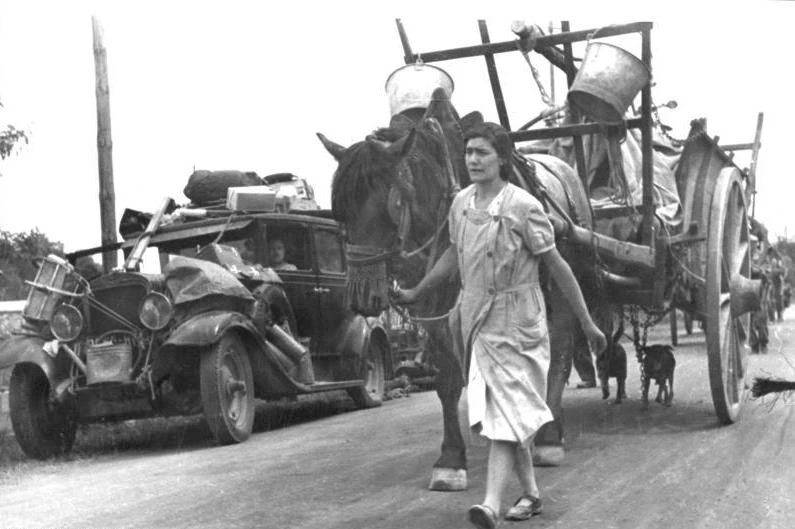
The French exodus
Belgian border — leave or wait out the storm
The Drawing of Lots at Rosendaël
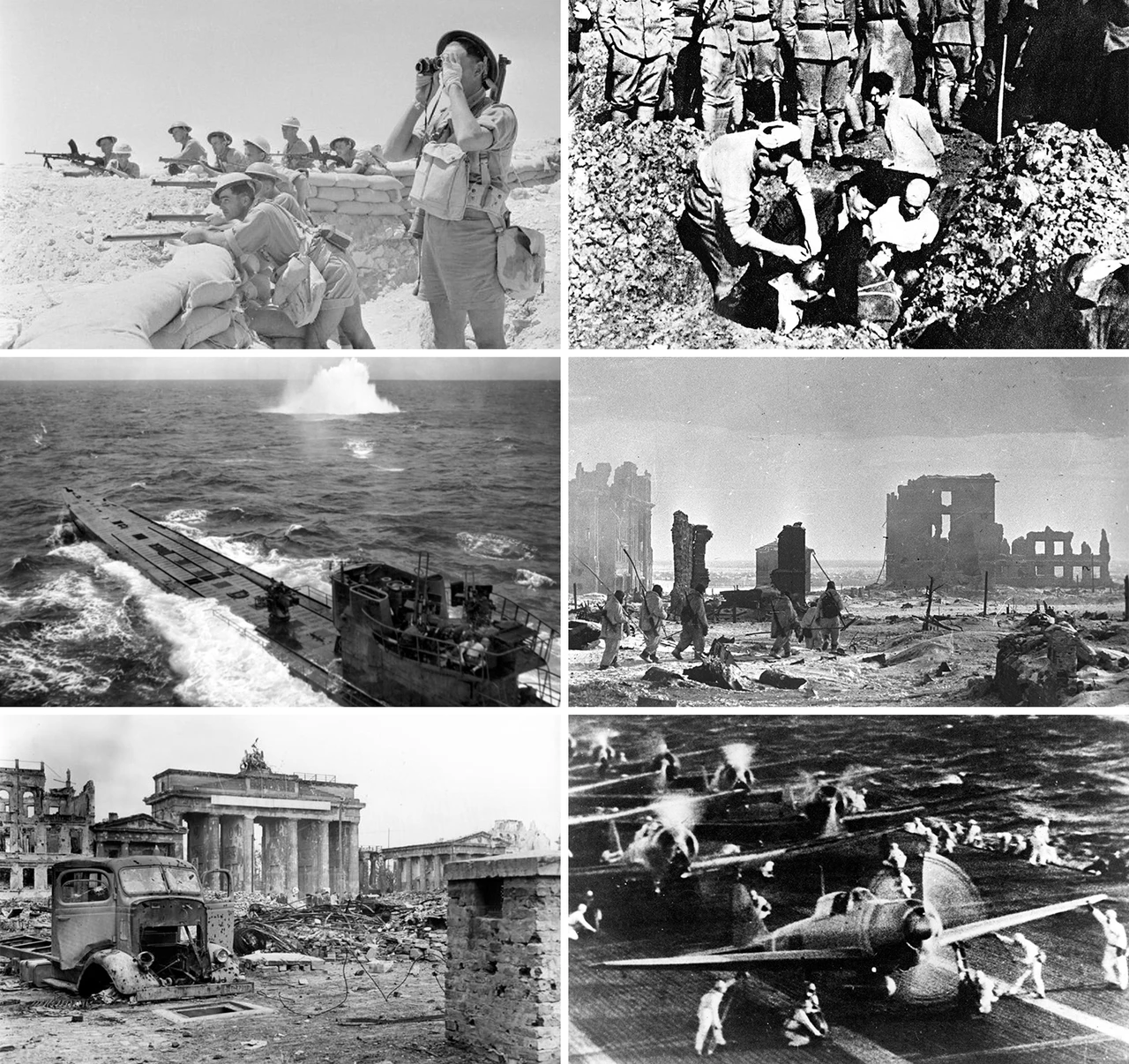
The great winter at the front
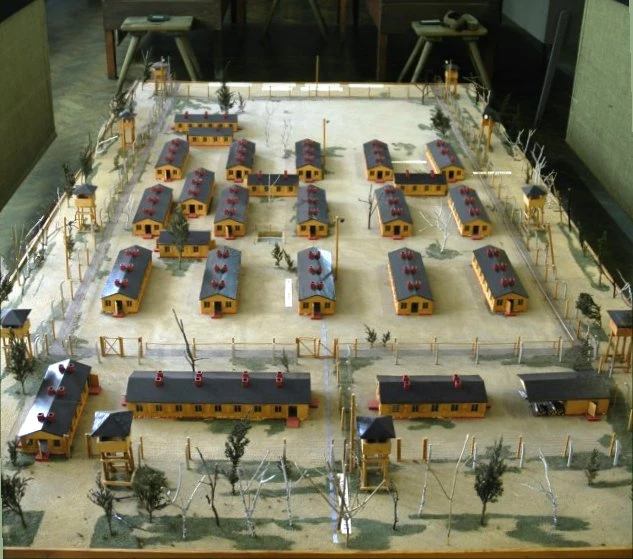
1.8 million prisoners
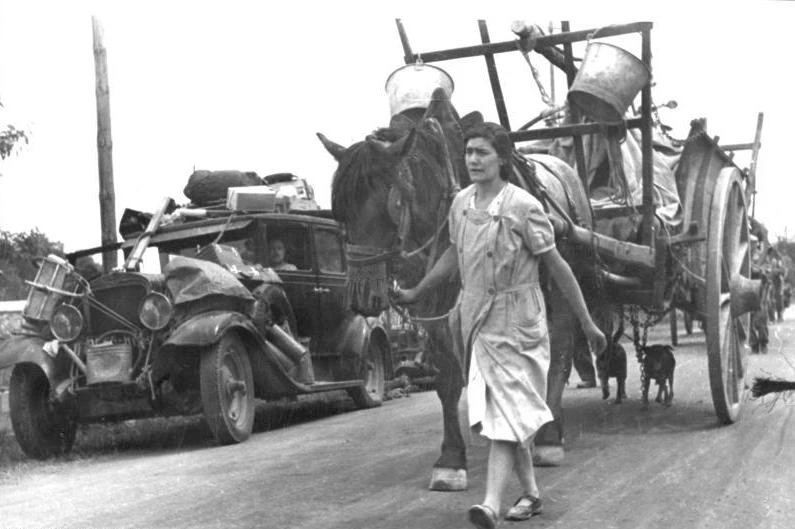
The exodus — flee or stay
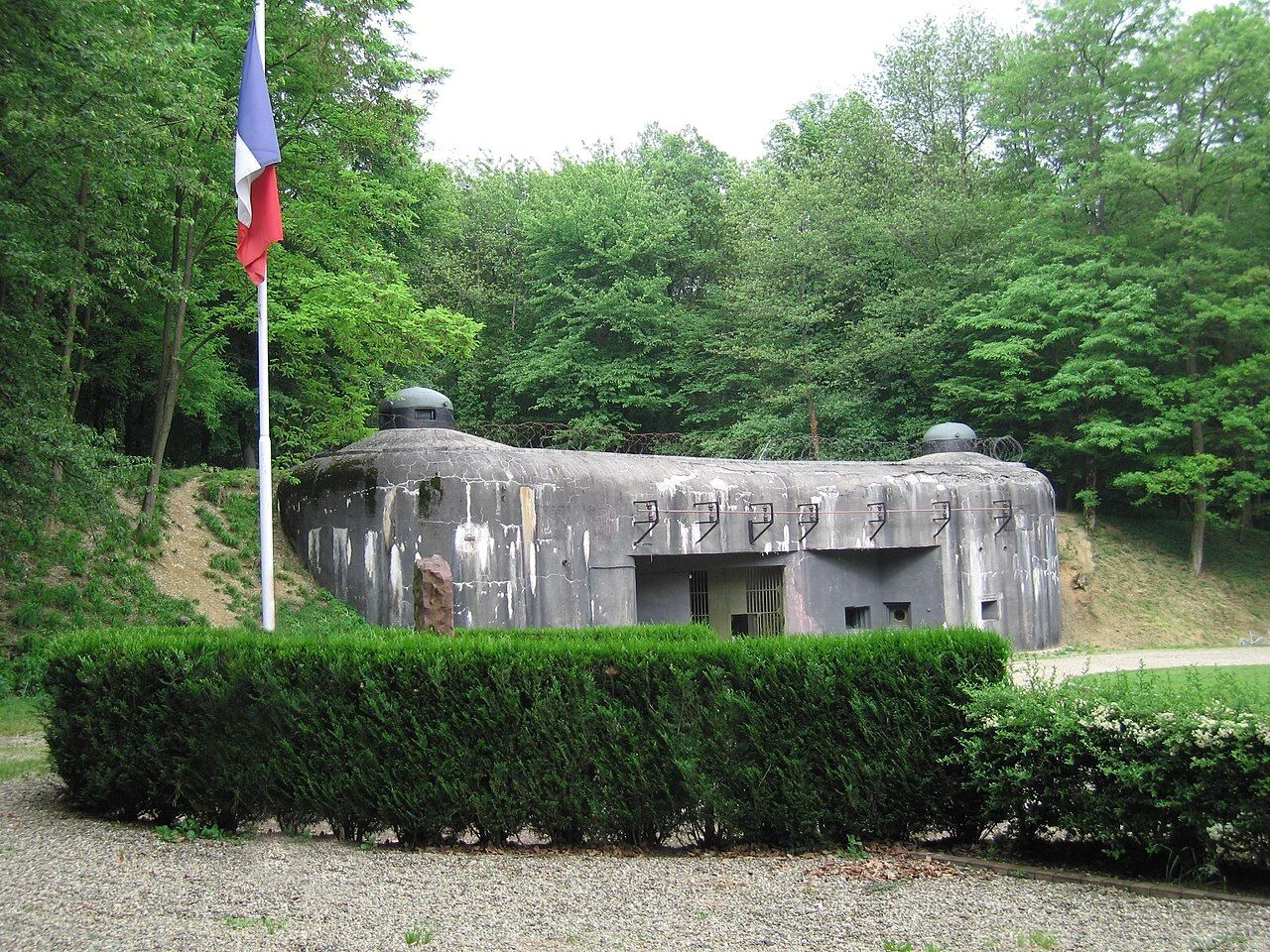
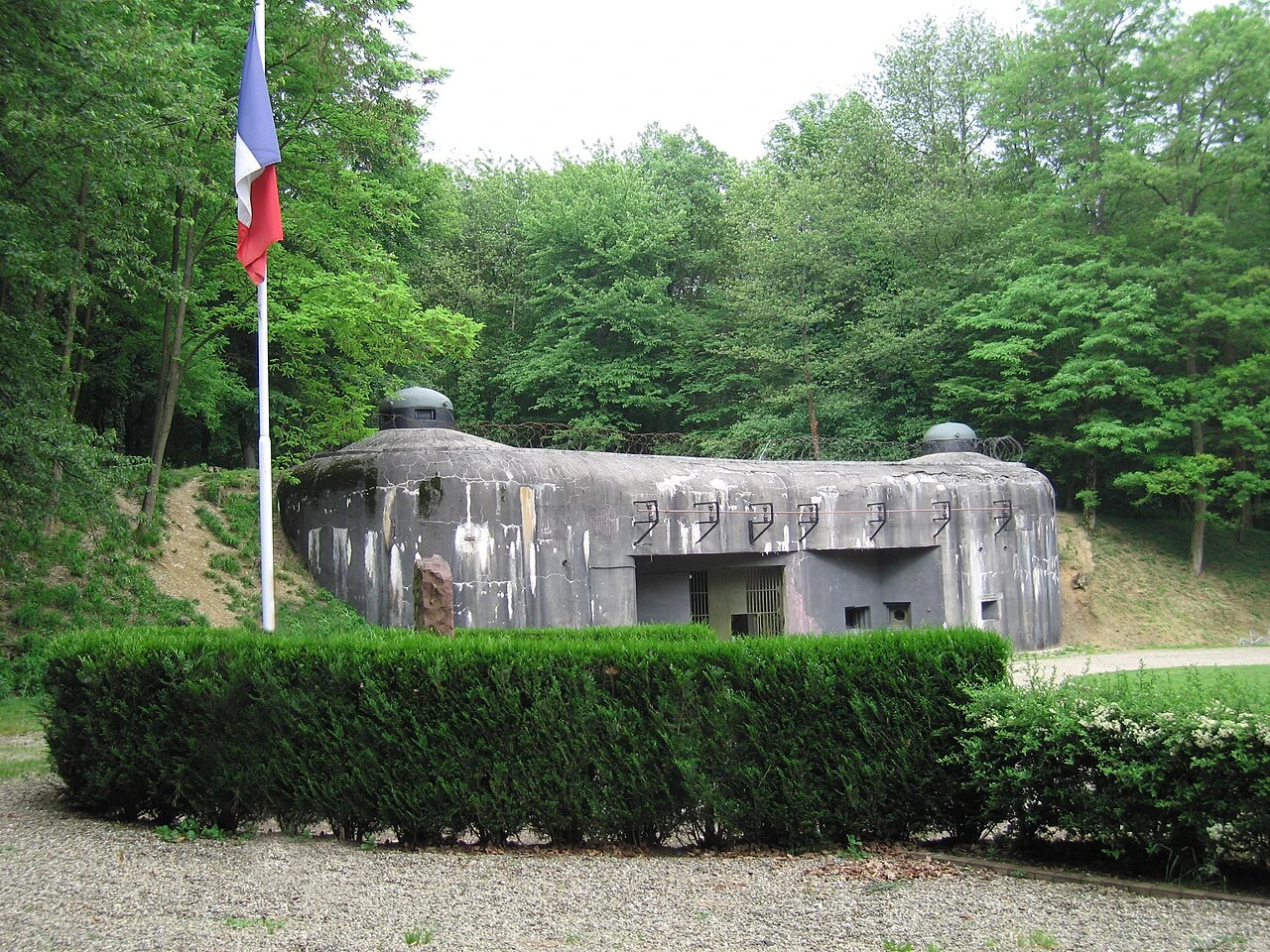
Hackenberg — a poilu on the Maginot
The Forbidden Zone of Alsace — what to do with the civilians of the Rhine?
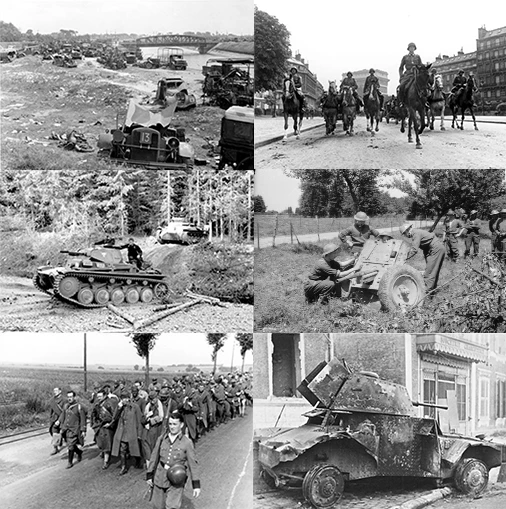
Morale on the home front
Dunkirk: holding the line under the bombs
The French exodus
Belgian border — leave or wait out the storm
The Drawing of Lots at Rosendaël
The great winter at the front
1.8 million prisoners
The exodus — flee or stay
Hackenberg — a poilu on the Maginot
The Forbidden Zone of Alsace — what to do with the civilians of the Rhine?