
Bangkok Eyes the Lost Provinces of the Mekong
, nicknamed Phibun, a major general who became Prime Minister in 1938, leads a Thailand gripped by a militarist nationalism. An officer trained in France, he has renamed Siam "Thailand" and nurses the dream of recovering the territories the kingdom had to cede to France under the reign of Chulalongkorn, at the turn of the century.
These provinces — pieces of Laos and Cambodia on the right bank of the Mekong, including Battambang and the region of Angkor — are in the hands of French Indochina. Yet this Indochina is now that of Vichy: cut off from the metropole, drained, and humiliated in September 1940 by the Japanese occupation of Tonkin, which it had to accept without fighting.
Phibun sees here a historic window. France is defeated, its Indochina garrison under-equipped — a handful of Renault FT tanks against a modernised Thai army. In Bangkok, anti-French demonstrations multiply; the Thai air force, equipped with American bombers, is ready.
In this month of November 1940, the Prime Minister must decide: content himself with diplomatic claims, or let the weapons speak against a weakened neighbour.
Should Phibun launch armed incursions into Indochina to retake the lost provinces, or stick to diplomatic pressure?
Phibun chose A: from November 1940, his forces probed the French positions. Artillery fire and cross-border raids targeted the disputed provinces, while the Royal Thai Air Force bombed Vientiane, Phnom Penh, Sisophon and Battambang. On 23 November 1940, six Thai bombers struck a French air base; two were shot down by Morane-Saulnier fighters. These skirmishes degenerated into open war in early January 1941, when the Thai army invaded Laos and Cambodia. Beaten at sea at Koh Chang, but victorious on land, Thailand carried its point thanks to the Japanese mediation of May 1941: Tokyo awarded it the coveted provinces. A personal triumph for Phibun, the success locked him into the Japanese orbit, a prelude to the alliance of December 1941.
Learn more about this event
Related polls
10
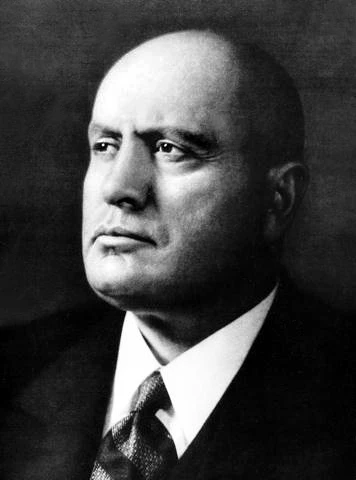
Mussolini, the Duce and the "Fait Accompli" — Rome, 15 October 1940
Saving an ally bogged down in the mountains
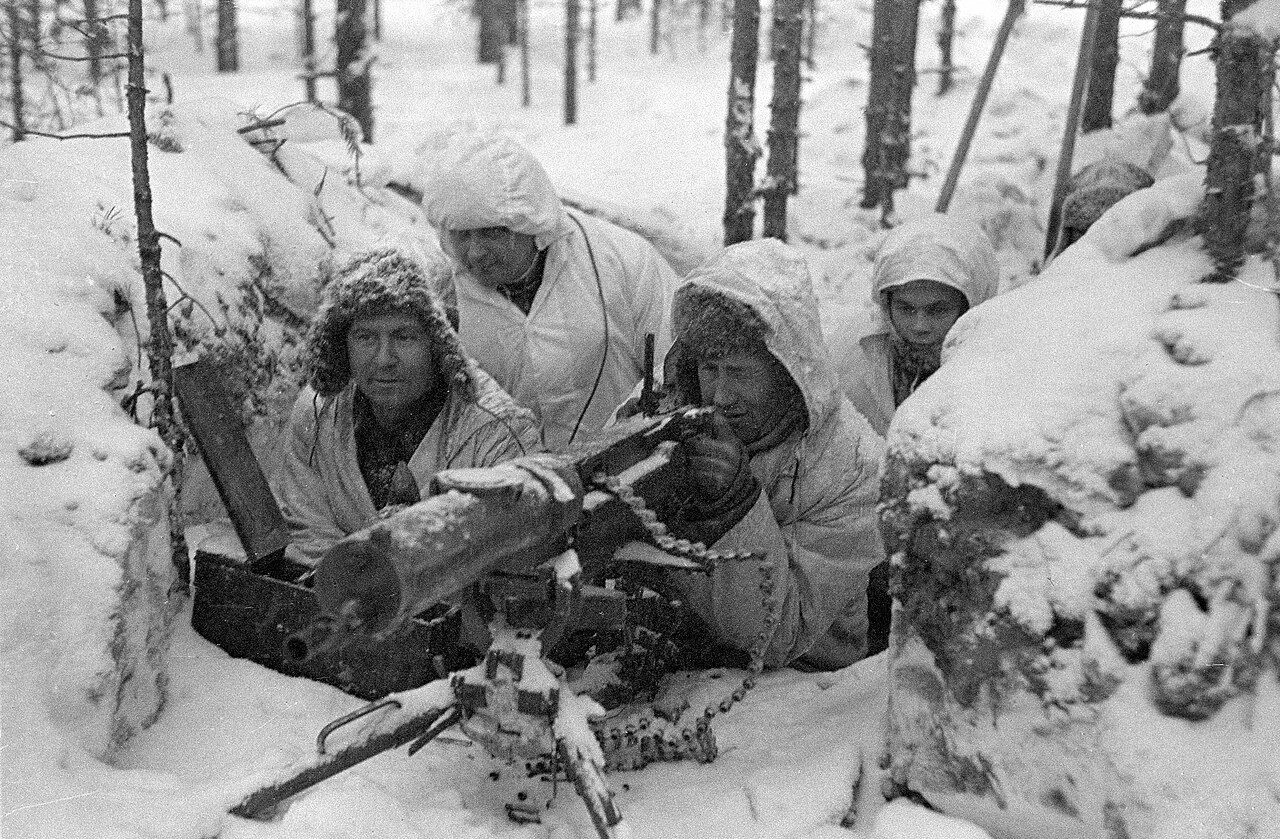
The Supreme Allied Council faces Finland
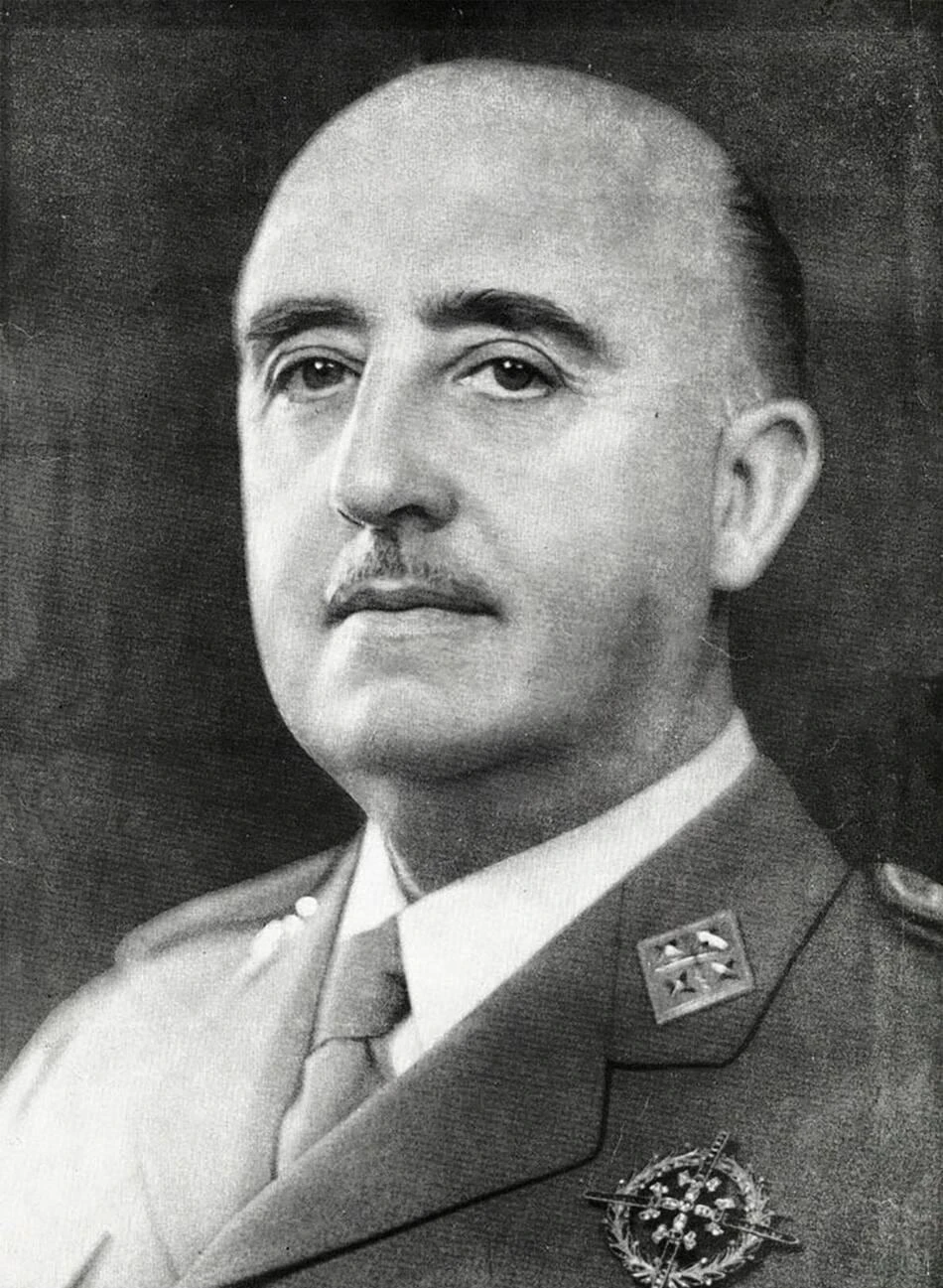
Franco at Hendaye — October 23
Gibraltar after the rebuff at Hendaye
Hanoi — the Japanese ultimatum in Indochina
Catroux and Tokyo's pressure on Indochina
The key to the Mediterranean and a hesitant ally
Dakar — de Gaulle and Operation Menace
Göring at Cap Gris-Nez — September 7
Mussolini, the Duce and the "Fait Accompli" — Rome, 15 October 1940
Saving an ally bogged down in the mountains
The Supreme Allied Council faces Finland
Franco at Hendaye — October 23
Gibraltar after the rebuff at Hendaye
Hanoi — the Japanese ultimatum in Indochina
Catroux and Tokyo's pressure on Indochina
The key to the Mediterranean and a hesitant ally
Dakar — de Gaulle and Operation Menace