
The turned agent and what he is allowed to say
Lieutenant-Colonel , nicknamed 'Tar', heads the young section of MI5 charged with double agents. It is he who, under the aegis of the future Twenty Committee (the 'Double-Cross'), decides what information a turned spy may pass to his German masters.
His first case is also his most delicate: , code-named Snow, a Welshman recruited before the war by the Abwehr. From September 1939, MI5 has returned to him the radio transmitter supplied by Germany and now controls his messages. Snow is the linchpin of a nascent network on which the whole credibility of the system depends.
In the autumn of 1940, the stakes are vital. Keeping a double agent credible demands a delicate judgement on what he is allowed to transmit. Now Snow knows sensitive secrets — notably the existence and location of the Chain Home radar stations that detect the bombers. Give away too much, and you arm the Luftwaffe; too little, and you risk burning the agent in Hamburg's eyes. In the midst of the Battle of Britain and the invasion alert, Robertson weighs every word that Snow will transmit to Germany.
To keep Snow credible in the eyes of the Abwehr, what information does Robertson let the turned agent pass to the Germans?
Robertson chooses A: he keeps Snow active and feeds the Abwehr a calculated cocktail of accurate facts and decoys. The credibility of a double agent is paid for in truths: for the enemy to swallow the disinformation, he must be fed enough accurate facts. MI5 even lets Snow inform the Germans about real elements — including the Chain Home radar stations — to sustain his reputation as a reliable informant, while using him to spread false indications, notably about British defences and intentions. This logic of 'paying in truths to sell lies' will become the doctrine of the Double-Cross system, which will end up controlling almost the entire network of German spies in the United Kingdom. Snow, an unstable and dubious agent, will finally be 'burned' and taken out of circulation in early 1941; but the method forged on his case will culminate in the great deceptions of 1943-1944. , who would chair the committee, would assert after the war that MI5 'actively ran and controlled' the entire German espionage apparatus in Great Britain.
Learn more about this event
Related polls
10
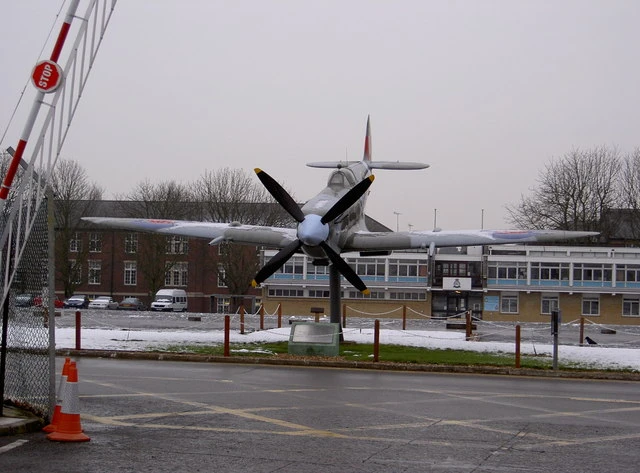
The Uxbridge plotter
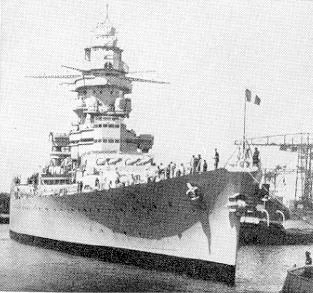
The Admiralty and the Strasbourg Rumour
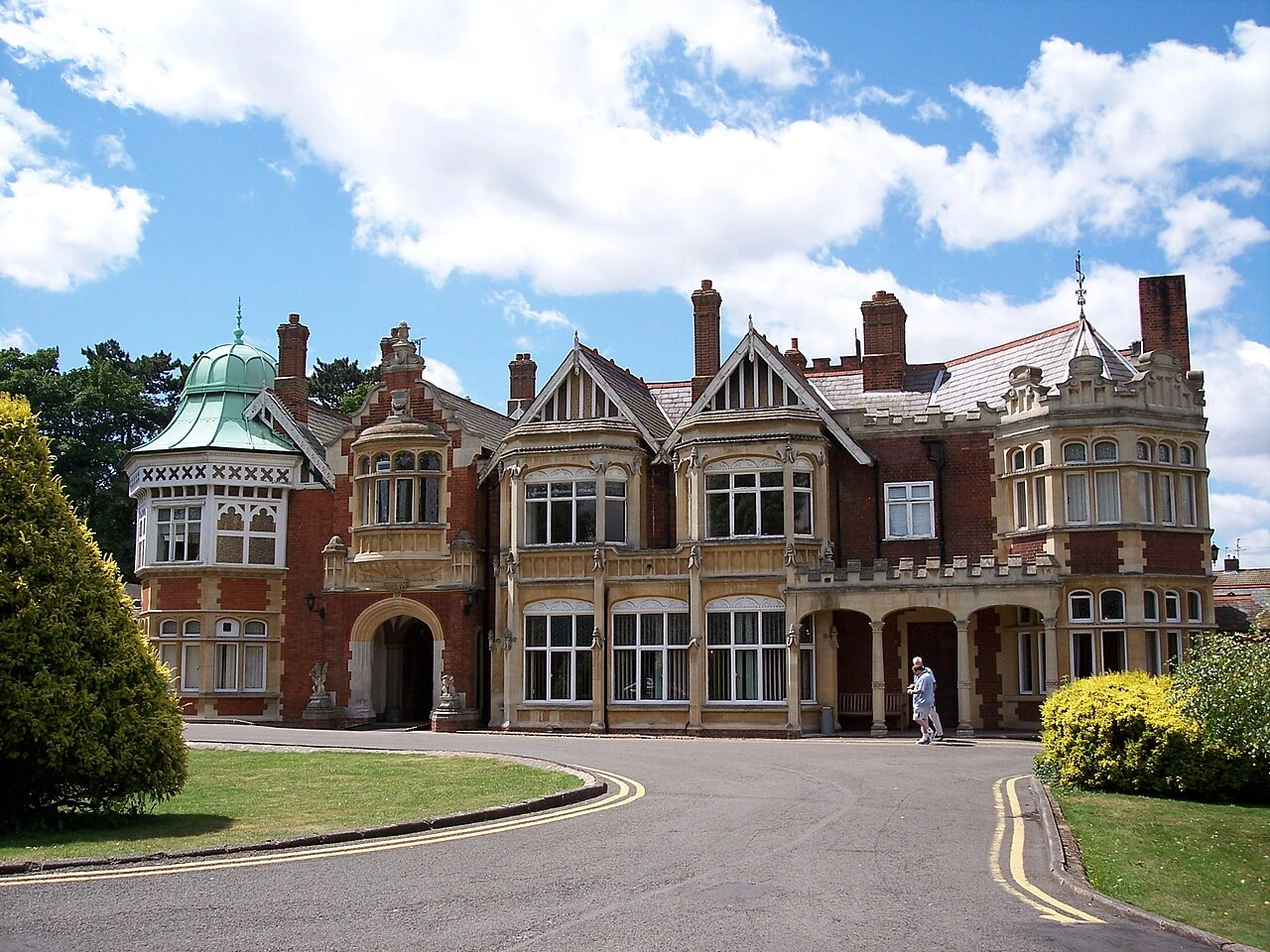
Bletchley breaks the Norway Enigma
U-110 — a U-boat abandoned but afloat
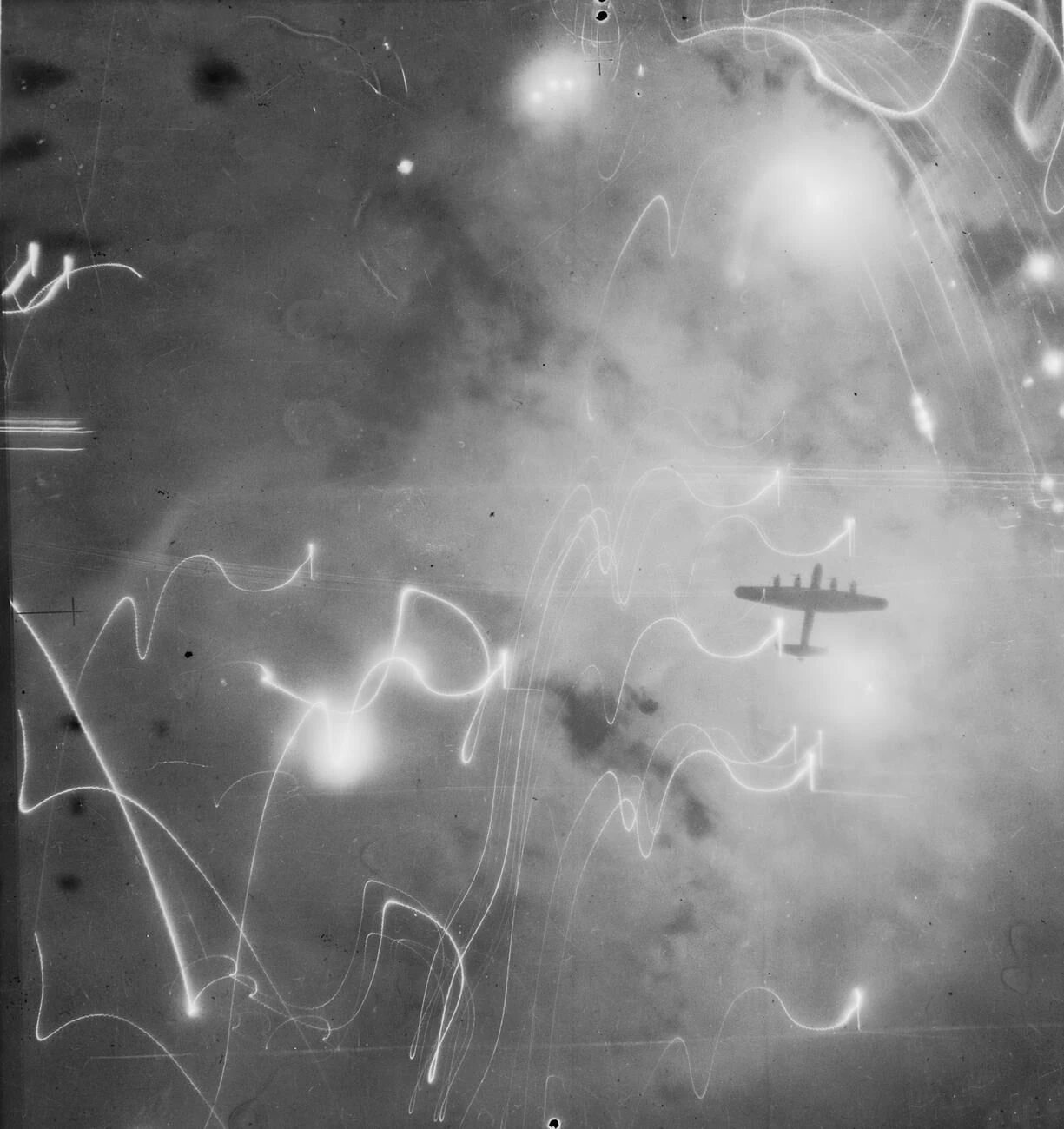
Bombing London — and the reply on Berlin

"Cromwell" — England, 7 September 1940

The Cambridge mathematician sworn to secrecy at Bletchley
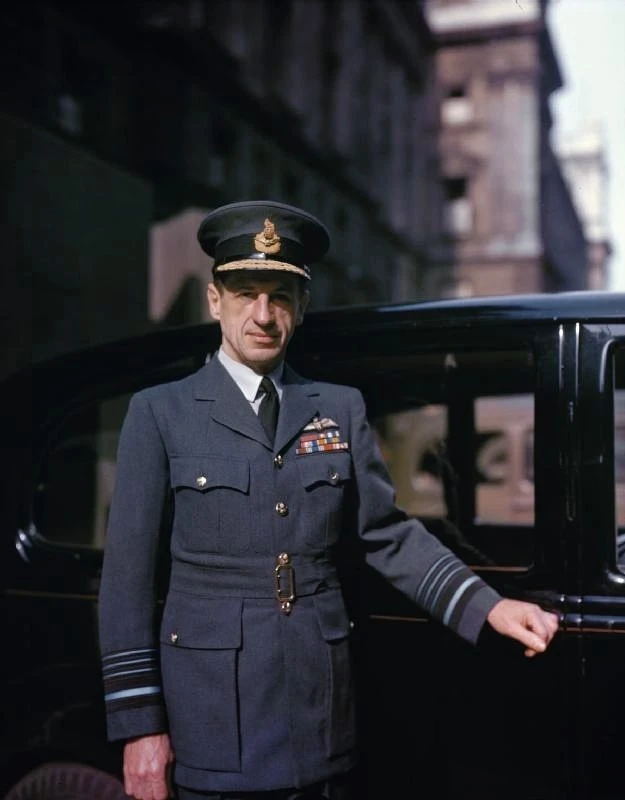
The Ports Gorged with Invasion Barges
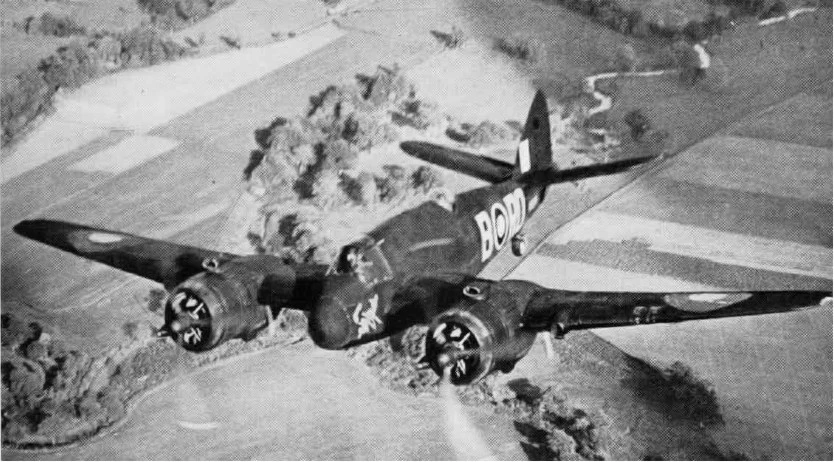
Breaking the night Blitz: who owns the darkness?
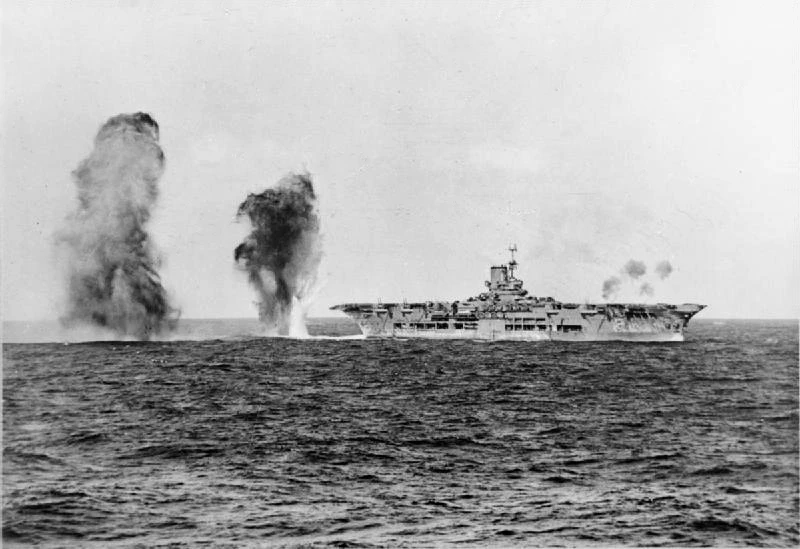
Cape Matapan — Cunningham against Iachino
The Uxbridge plotter
The Admiralty and the Strasbourg Rumour
Bletchley breaks the Norway Enigma
U-110 — a U-boat abandoned but afloat
Bombing London — and the reply on Berlin
"Cromwell" — England, 7 September 1940
The Cambridge mathematician sworn to secrecy at Bletchley
The Ports Gorged with Invasion Barges
Breaking the night Blitz: who owns the darkness?