
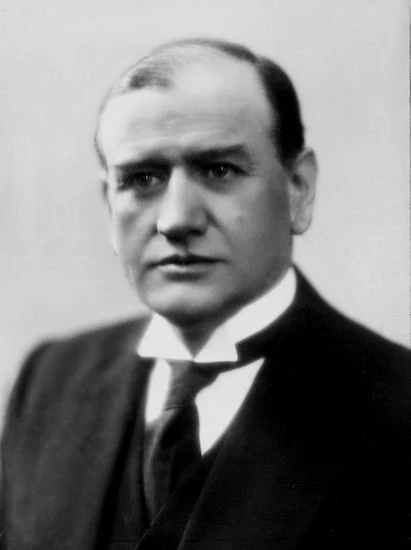
, 46, has reigned over Romania since 1930 and in 1938 established a royal dictatorship, suppressing the parties and governing through the National Renaissance Front. His diplomacy rested on the Franco-British guarantee offered in spring 1939. The collapse of France in June 1940 shatters this safety net: Bucharest finds itself alone before its neighbours.
Romania has held Bessarabia (between the Prut and the Dniester) since 1918, at Russia's expense; a secret protocol of the Molotov-Ribbentrop Pact recognised Moscow's 'interest' in this province. On the evening of 26 June 1940, barely after the Baltic states have been annexed, Commissar summons the Romanian minister in Moscow and demands Bessarabia and northern Bukovina. When Bucharest proposes negotiations, Molotov replies that the choice is 'territorial concessions or war'.
The masses its divisions on the Dniester. When consulted, Germany — which depends on Romanian oil and grain — advises giving way. The Crown Council meets in emergency session. must respond within hours.
Should one accept Molotov's ultimatum and cede Bessarabia and northern Bukovina, or risk war with the Red Army?
applies A. After two meetings of the Crown Council and in the absence of any outside support, he accepts the second Soviet ultimatum and orders evacuation. From 28 June 1940, the occupies Bessarabia and northern Bukovina — some 50,000 sq km and nearly 3.8 million inhabitants — amid haste and disorder. The capitulation without a fight ruins the king's prestige: the summer of 1940 sees Romania dismembered, forced also to cede northern Transylvania to Hungary and southern Dobruja to Bulgaria. Discredited, abdicates on 6 September 1940 in favour of his son Michael and goes into exile, leaving real power to General and the Iron Guard. Romania will swing into the Axis camp and take part, in 1941, in the reconquest of Bessarabia alongside Germany.
Learn more about this event
Related polls
10
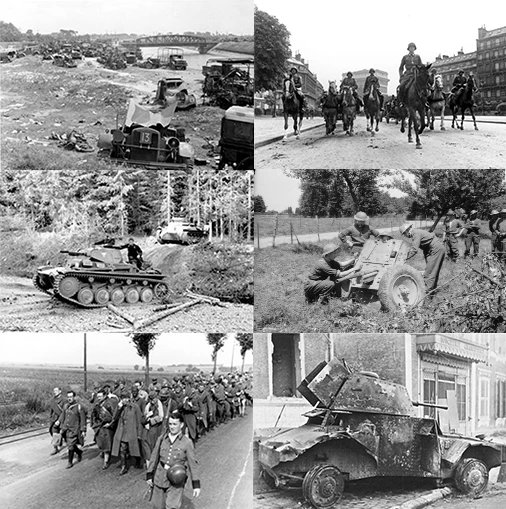
The armistice of Rethondes
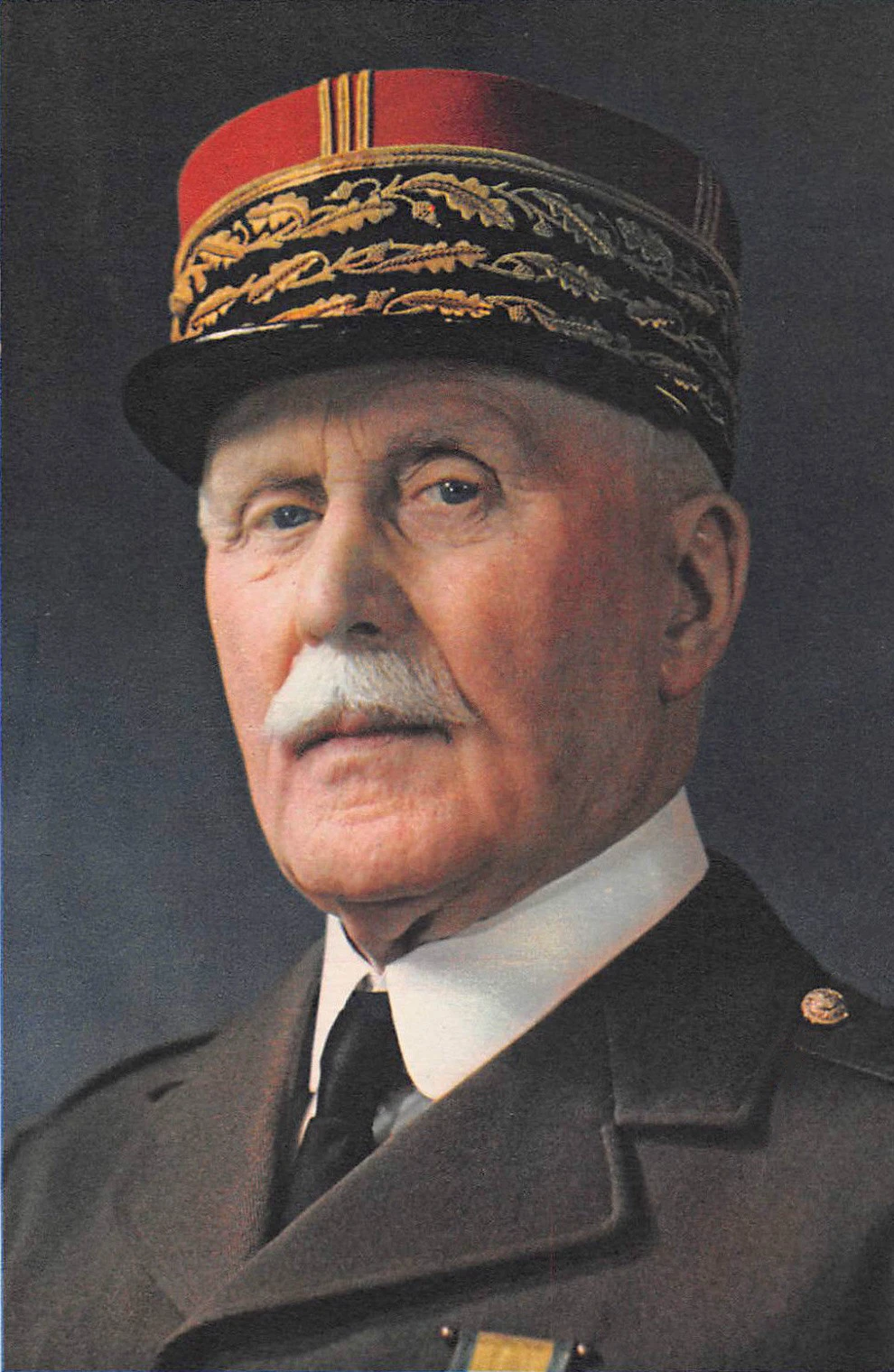
A Capital for the French State — 28 June
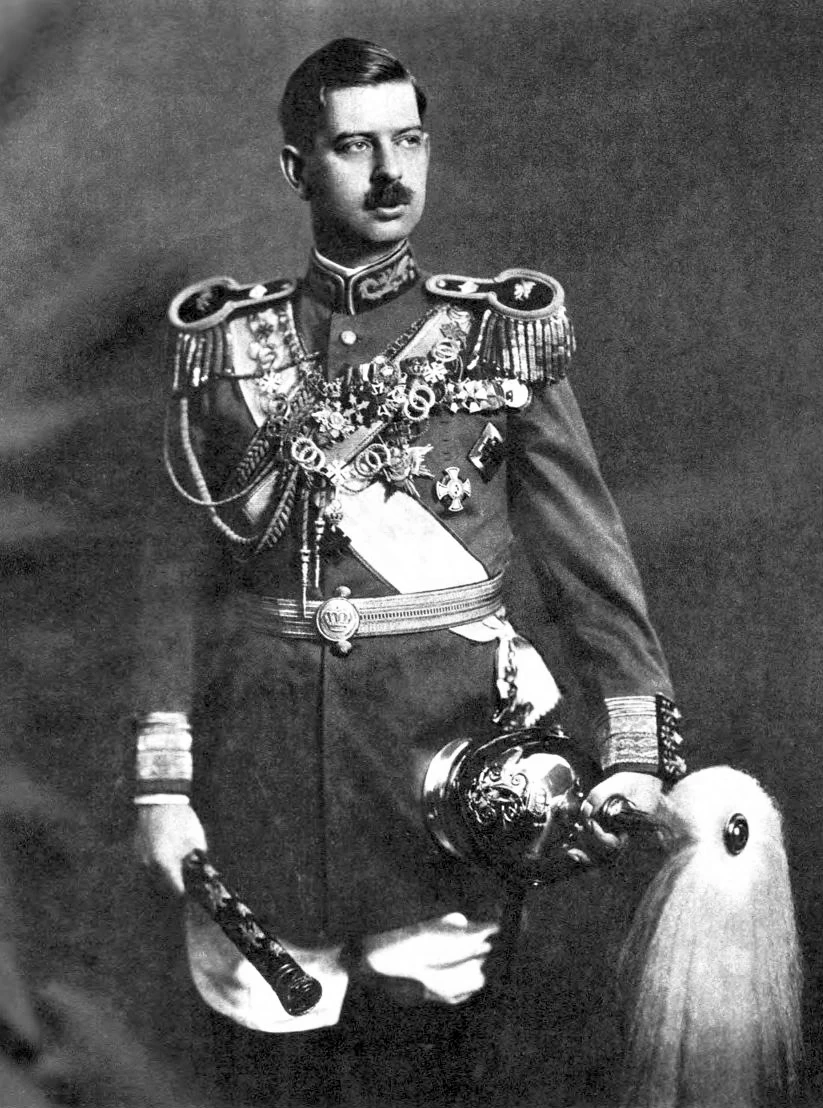
Carol II Against Antonescu — Bucharest, 6 September 1940
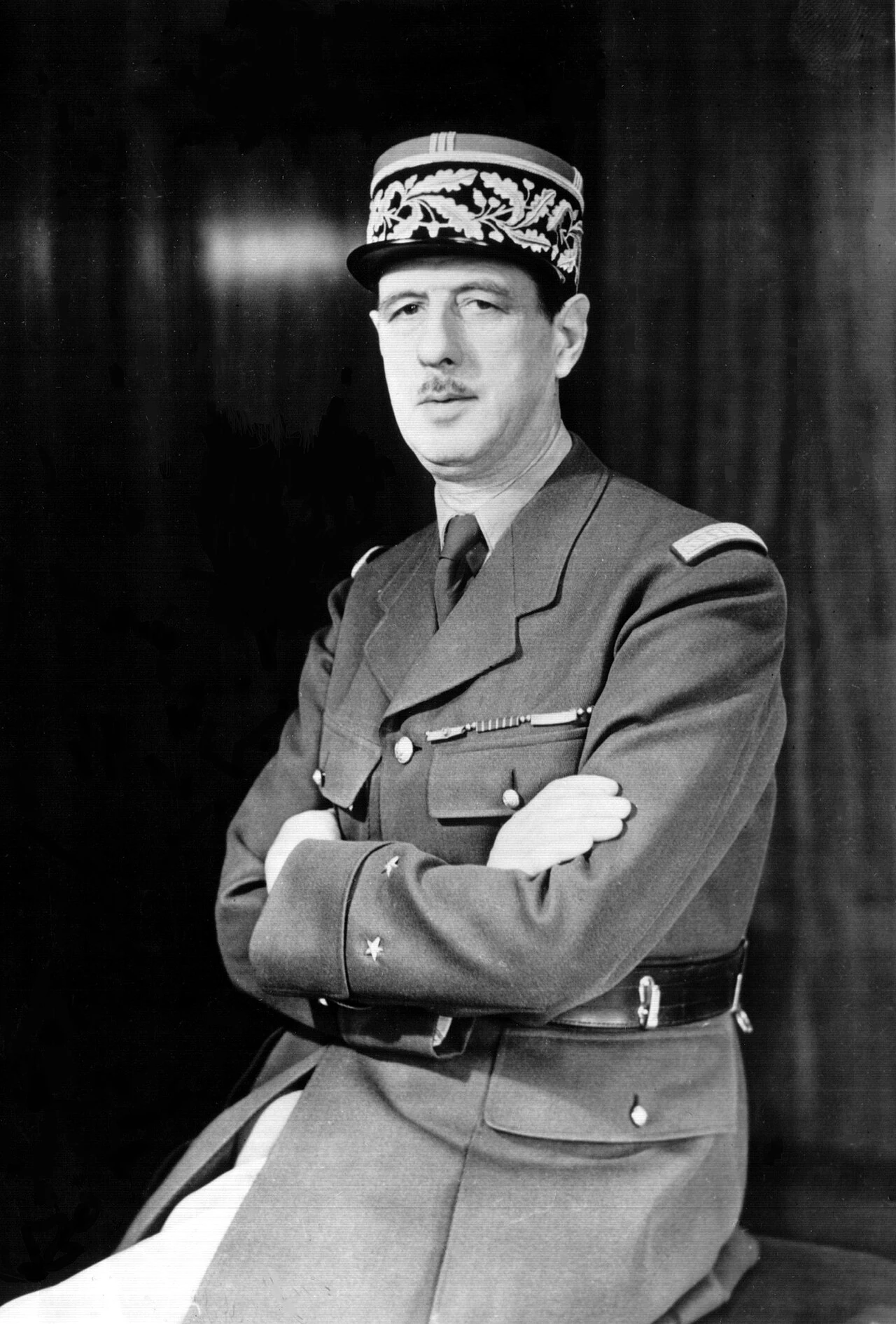
"The Fighting Must Cease"
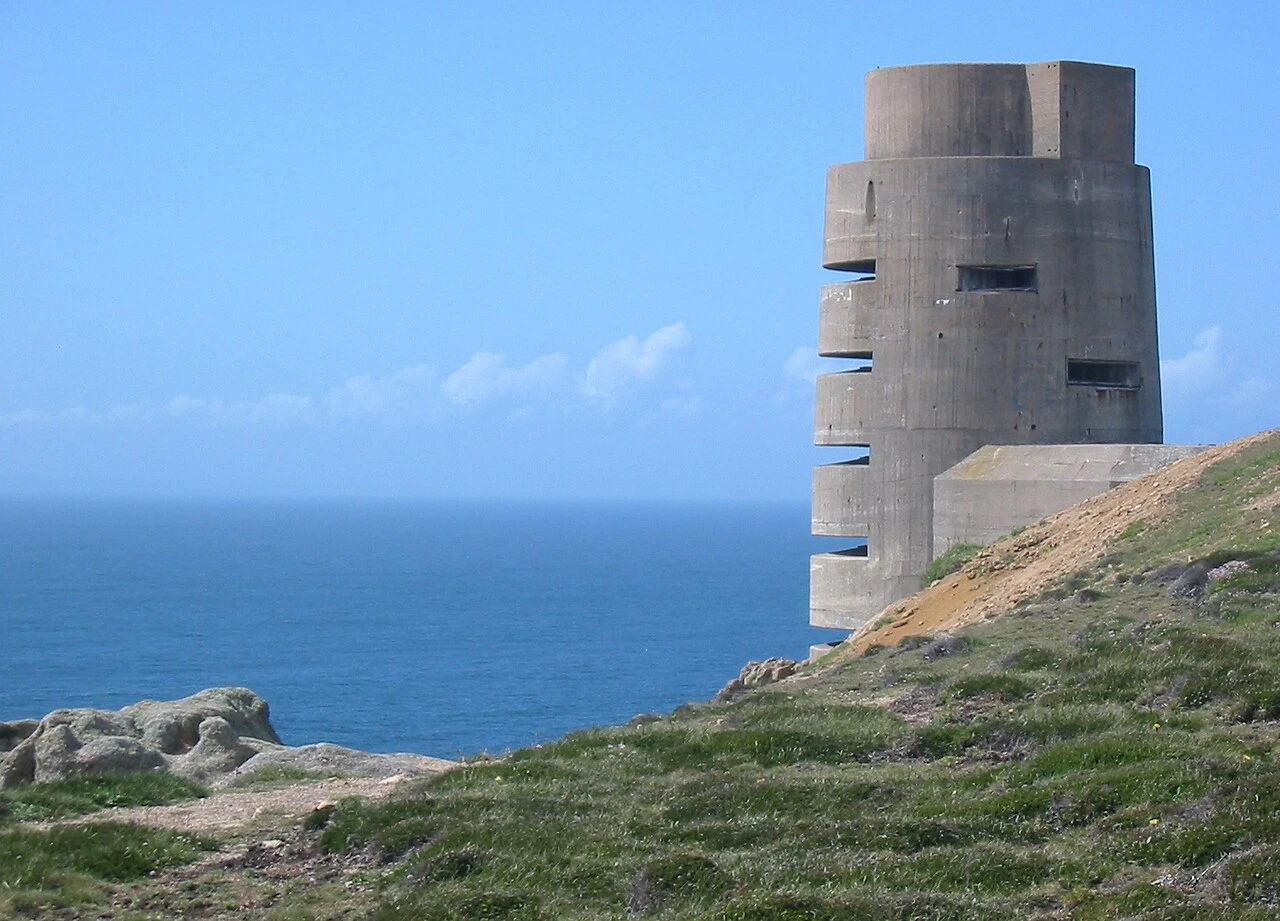
The fate of the Channel Islands
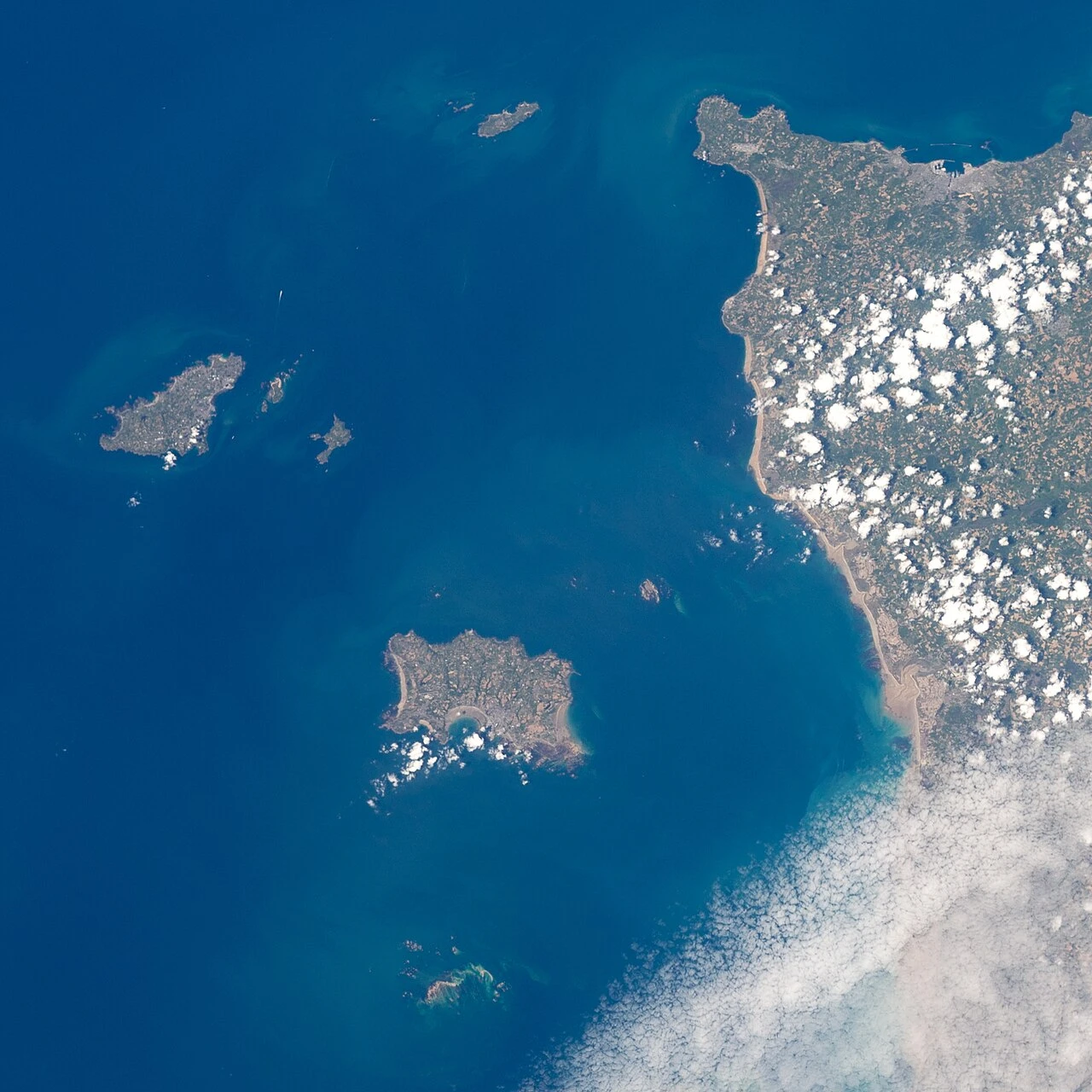
The Channel Islands — open city?
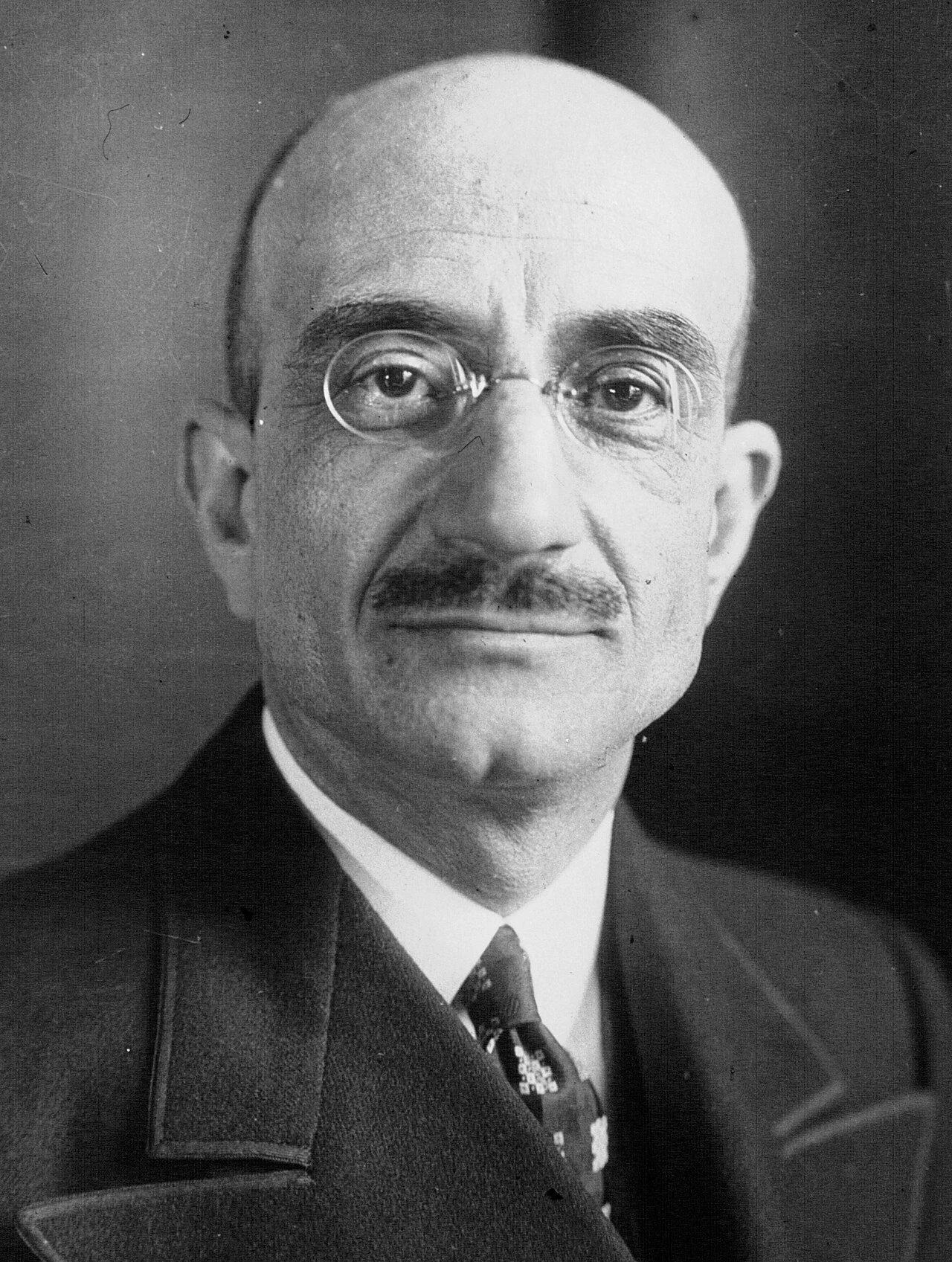
Langeron — Prefecture of Police, 14 June
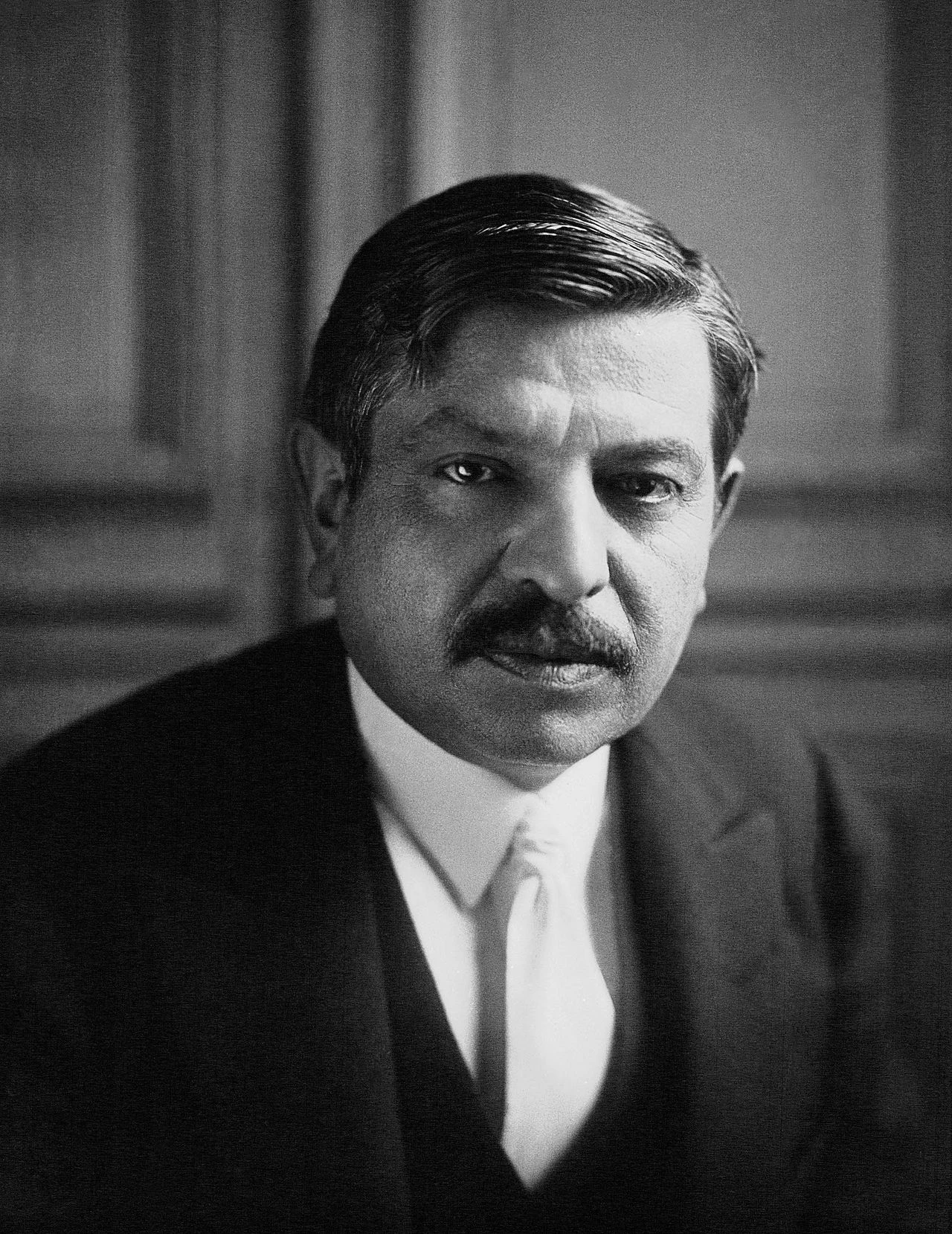
Laval at the Vichy Casino — 10 July
The Massilia — Bordeaux 21 June
The Massilia — Leaving for North Africa
The armistice of Rethondes
A Capital for the French State — 28 June
Carol II Against Antonescu — Bucharest, 6 September 1940
"The Fighting Must Cease"
The fate of the Channel Islands
The Channel Islands — open city?
Langeron — Prefecture of Police, 14 June
Laval at the Vichy Casino — 10 July
The Massilia — Bordeaux 21 June