
The Battle of the Lys
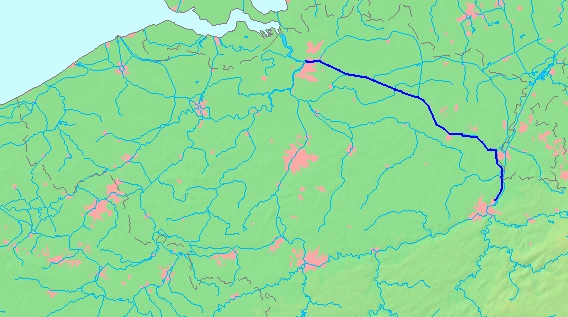
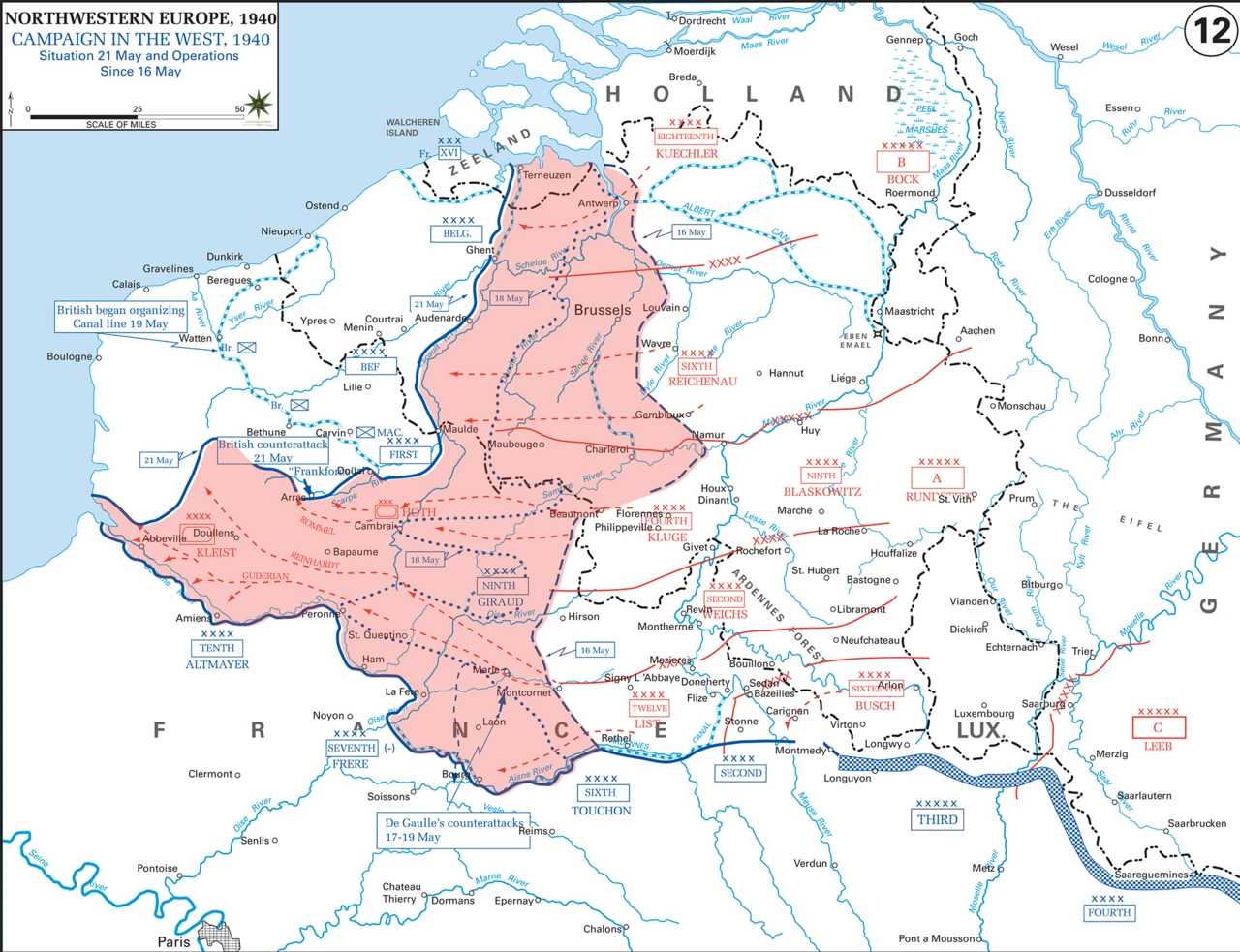
Driven back from the Albert Canal and then the Dyle, the Belgian army falls back from one river to the next. Around 23 May 1940 it clings to the Lys, around Kortrijk, on a front that forms the linchpin of the Allied left flank: to its right, the British Expeditionary Force is flowing back towards the coast; behind it, Dunkirk is becoming the only way out.
The Belgian army is bled white, its units worn down by two weeks of retreat, its morale shaken. Bock's attacks in force on either side of Kortrijk, seeking to break the junction between the Belgians and the British in order to open the road to the sea.
The Belgian command must choose. It may fight a desperate battle of attrition on the Lys, to hold the flank and cover the Allied evacuation, at the cost of probable sacrifice. It may disengage once more towards the coast and the "national redoubt" envisaged by the King. Or it may acknowledge that the army can take no more and move towards capitulation. The time left to the Allies in the north to reach Dunkirk depends in part on the resistance on the Lys.
On the Lys, should the Belgian army fight a last battle of attrition, or disengage towards the coast?
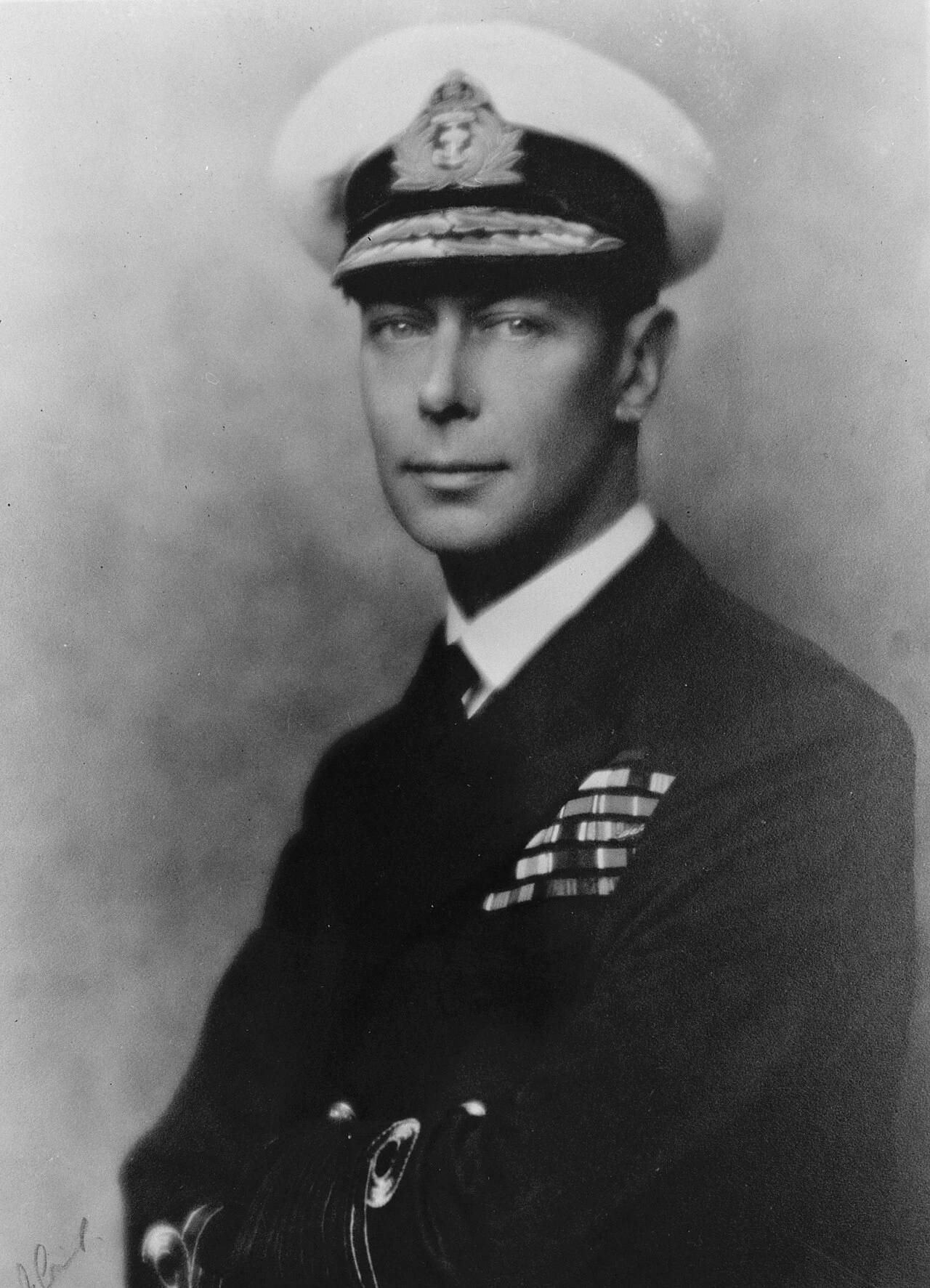
The Belgian command first holds to A: the Battle of the Lys (23–27 May) sees the Belgian army fight hard around Kortrijk, delaying Bock and protecting the left flank of the Allied retreat towards Dunkirk. But the pressure becomes unbearable, the junction with the British corps breaks, and the losses mount — it is in this context that the Vinkt massacre takes place nearby. With the Belgian front giving way, concludes that continuing to fight would no longer have any purpose: he capitulates on 28 May 1940. Even so, the resistance on the Lys will have bought the Allies precious hours for the embarkation.
Learn more about this event
Related polls
10
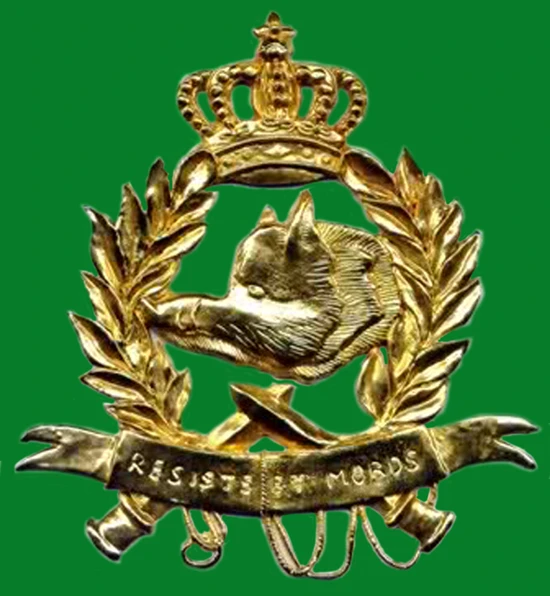
The abatis of the Chasseurs Ardennais
The bridges of the Meuse
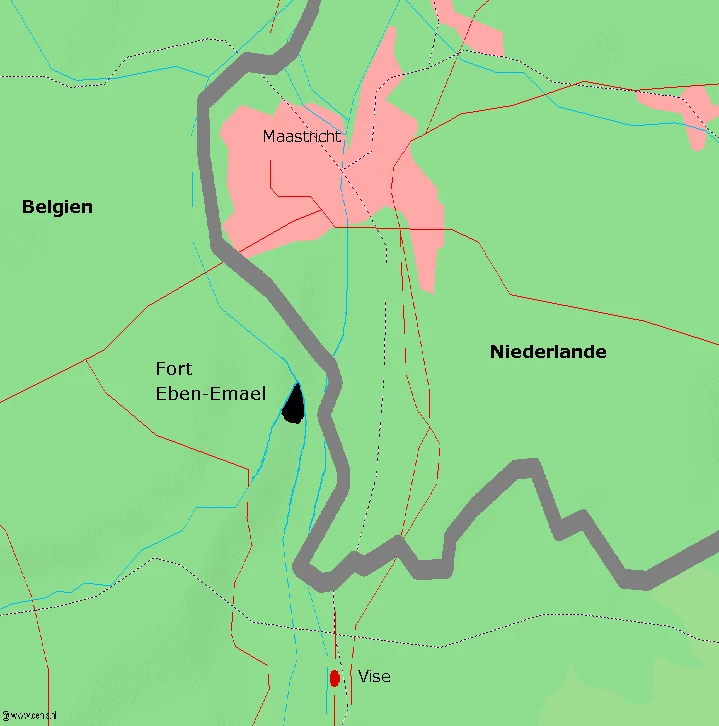
Eben-Emael — Jottrand under the explosions
Kanne bridge — fourth airborne target
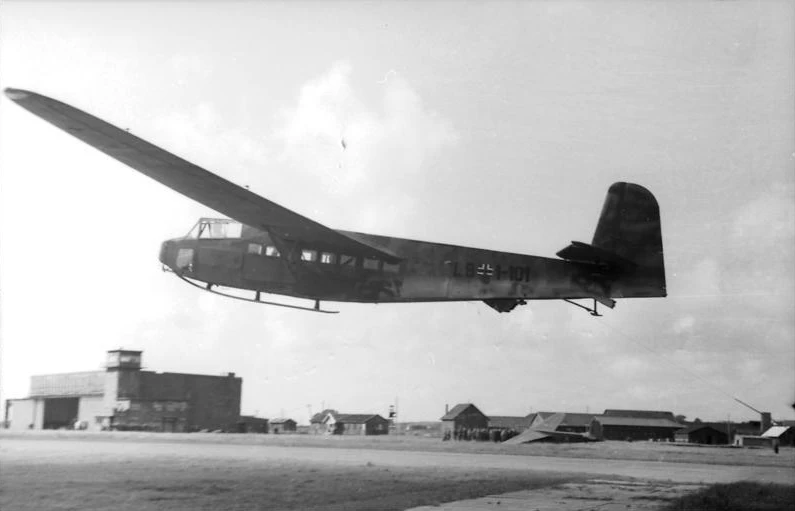
Veldwezelt bridge — Beert and the demolition officer
Vroenhoven bridge — the demolition order
The bridges of the Albert Canal
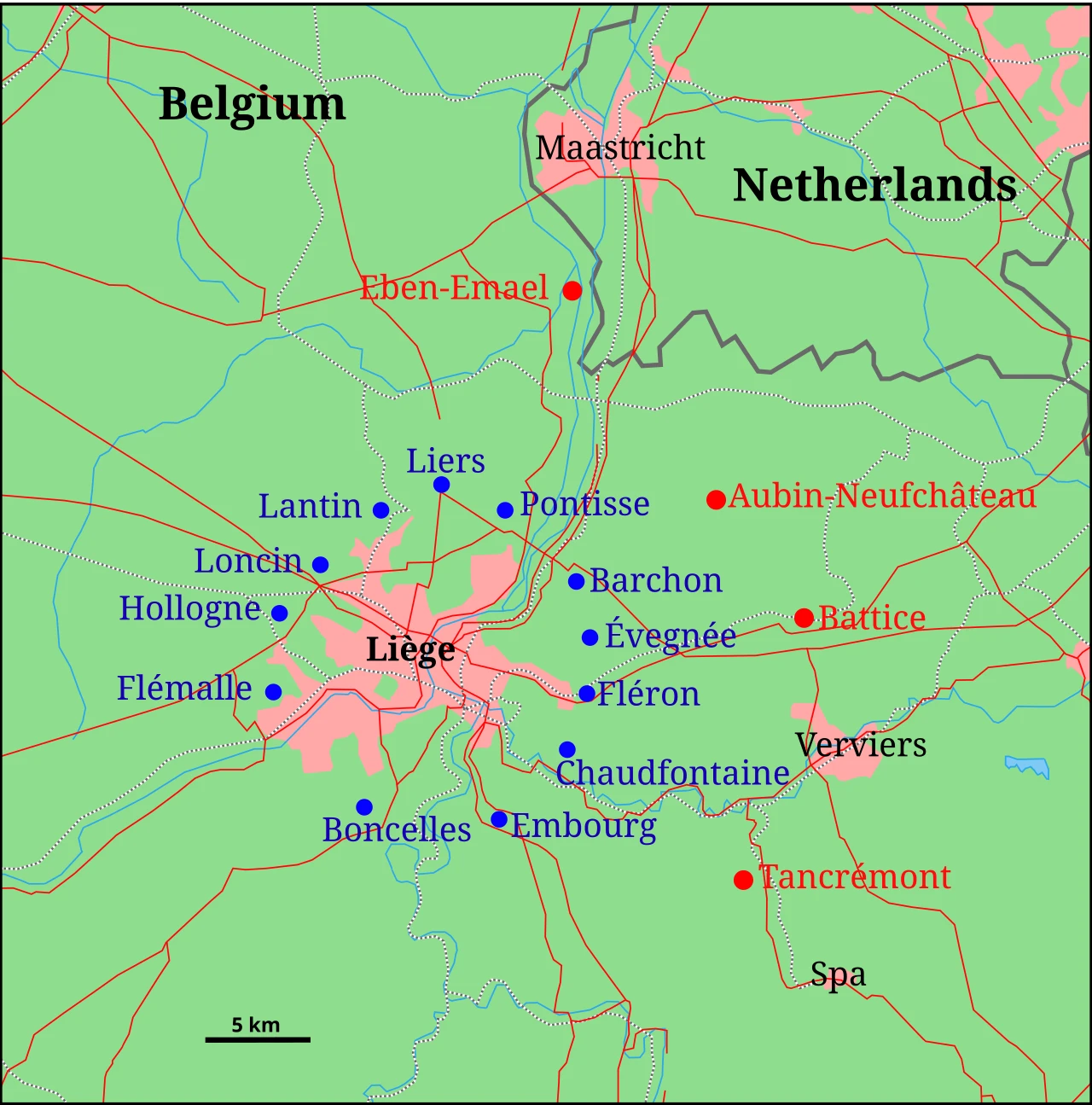
The fortified position of Liège
The Gembloux gap
Boulogne — Fox-Pitt and the Guards facing the port
The abatis of the Chasseurs Ardennais
The bridges of the Meuse
Eben-Emael — Jottrand under the explosions
Kanne bridge — fourth airborne target
Veldwezelt bridge — Beert and the demolition officer
Vroenhoven bridge — the demolition order
The bridges of the Albert Canal
The fortified position of Liège
The Gembloux gap