
Harwood against the Graf Spee
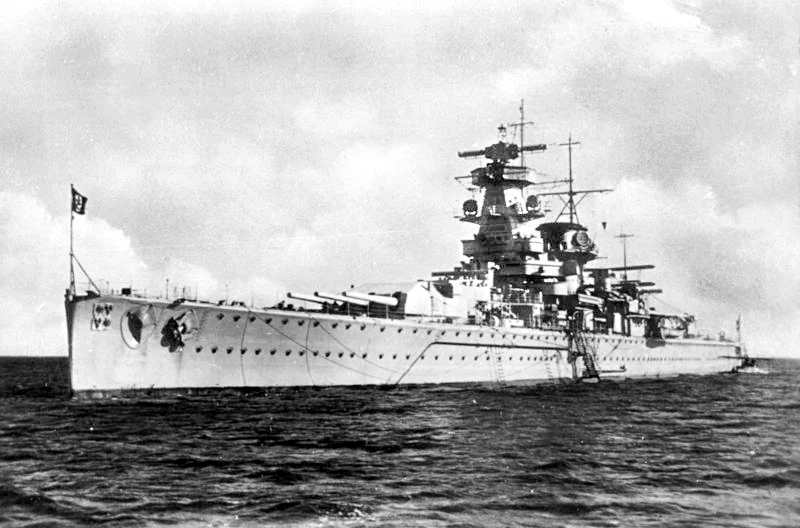
The Admiral Graf Spee is one of the three German pocket battleships (Panzerschiff), a 16,200-ton vessel armed with six 280 mm guns, capable of 28 knots but only lightly armoured. Having left Wilhelmshaven on 21 August 1939 under Kapitän zur See , 45, she has been cruising in the South Atlantic awaiting the outbreak of war. Between 30 September and 7 December 1939 she has sunk nine British merchantmen (50,089 tons in all) without a single death — Langsdorff systematically evacuates the crews before scuttling. Her pursuit ties down nine British and French naval task forces.
Commodore , 51, commands — the Royal Navy's South Atlantic Division: heavy cruiser HMS Exeter (eight 203 mm guns), light cruisers HMS Ajax and HMNZS Achilles (eight 152 mm guns apiece). On 12 December, by working out the Graf Spee's signals and the routes she has used, Harwood predicts that Langsdorff will appear off the River Plate estuary on the morning of 13 December.
At 05:52 on 13 December the Graf Spee is sighted off Punta del Este. At 06:08, the first salvoes. Harwood must choose his engagement doctrine against an enemy who outranges him technically (33 km against 25 km).
How should Harwood handle his ships against a technically superior opponent?
Harwood applies C. Exeter closes in to draw the main fire — hit seven times by 280 mm shells, 61 British dead, masts down, A and B turrets out of action by 07:30. Ajax and Achilles attack from the port side — hit but still operational. The Graf Spee is struck seventeen times by British shells, and the damage is critical: her fuel-purification system is wrecked (Langsdorff can no longer return to Germany without a stop), her A turret is partially out of action and her Seetakt radar is destroyed. At 14:00 the Graf Spee breaks off and makes for Montevideo for urgent repairs. The British lose 72 men and see Exeter badly damaged; the Germans count 36 dead. Langsdorff wins the tactical phase but loses the strategic one: his ship is trapped in a neutral port whose exit Harwood now blocks. The battle is the first major British naval victory of the war. Harwood is promoted rear-admiral three weeks later, knighted (KCB), commands the Mediterranean 1942-1943. Died in 1950.
Learn more about this event
Related polls
10
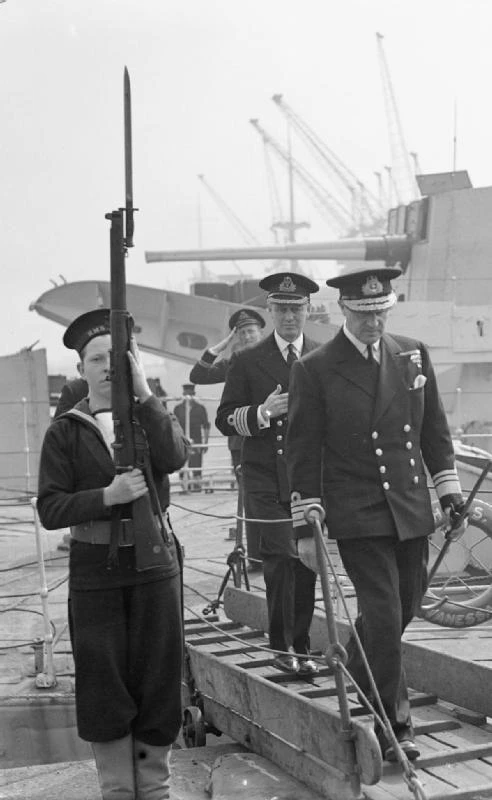
Whitworth and the Warspite — 13 April
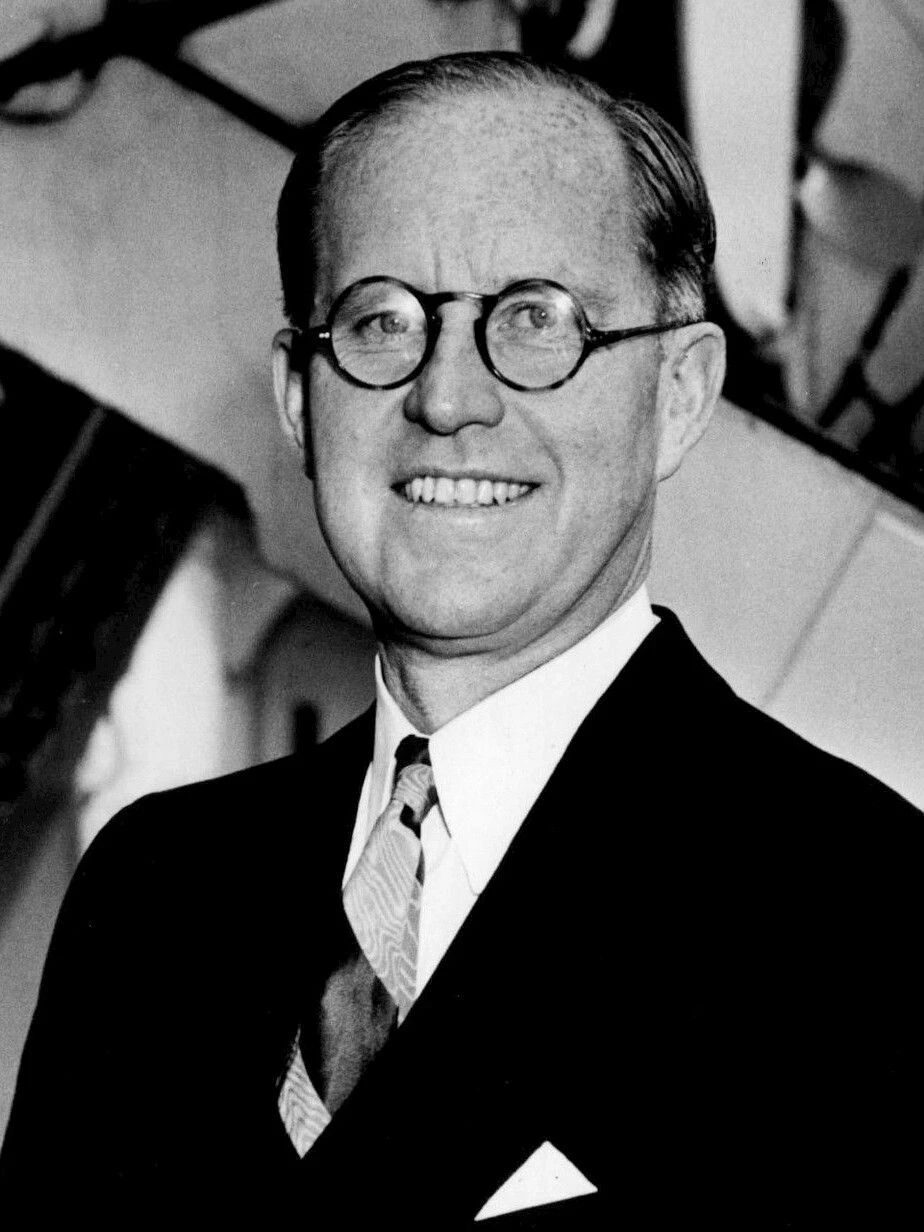
HMS Rawalpindi — Kennedy at 3:47 p.m.
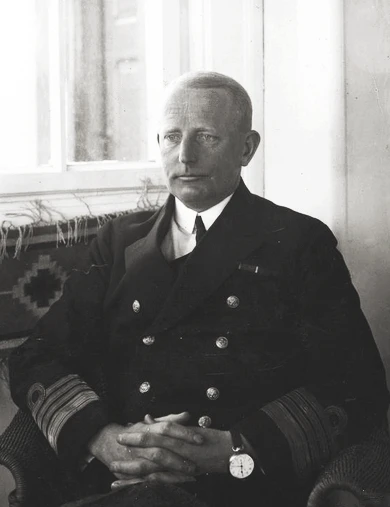
Langsdorff at Montevideo — 17 December
Hel — Unrug faces the German envoy
HMS Courageous — Makeig-Jones after the Torpedoes
HMS Daring in the Pentland Firth
HMS Glowworm against the Admiral Hipper
Krojanty — Mastalerz and the 18th Uhlans
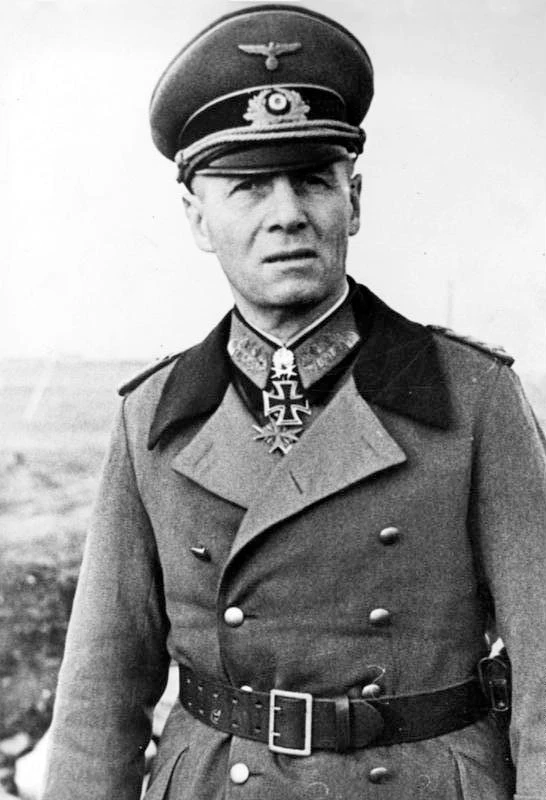
Rommel before the Meuse — Dinant, 13 May
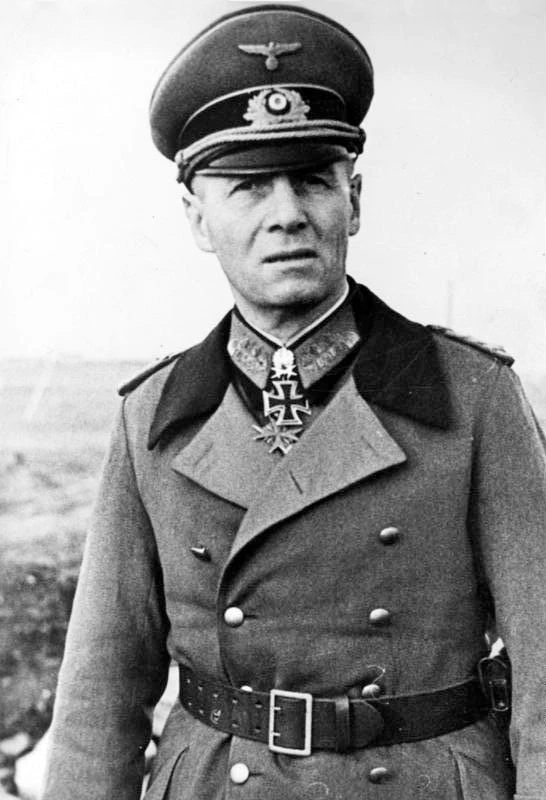
Rommel before the Serre — the Crécy bridge
Whitworth and the Warspite — 13 April
HMS Rawalpindi — Kennedy at 3:47 p.m.
Langsdorff at Montevideo — 17 December
Hel — Unrug faces the German envoy
HMS Courageous — Makeig-Jones after the Torpedoes
HMS Daring in the Pentland Firth
HMS Glowworm against the Admiral Hipper
Krojanty — Mastalerz and the 18th Uhlans
Rommel before the Meuse — Dinant, 13 May