
The Tizard Mission's Trunk for America
Summer 1940. Britain is fighting alone and is desperately short of the industrial capacity needed to mass-produce the cavity magnetron developed at Birmingham, the centrepiece of the future centimetric radar. The United States has that capacity, but it is still neutral, and nothing guarantees it will enter the war.
Sir proposes to ship to Washington a trunk filled with Britain's technological secrets. The terms of the transfer remain to be set. Should these innovations be sold, given away with no strings attached to unlock American industry as quickly as possible, or should the most sensitive ones be held back until Washington is formally committed?
The debate divides even the highest levels of government: some advisers dread handing over the nation's technical crown jewels for free to a power that could profit from them without giving anything in return.
On what terms should Britain entrust its most precious technical secrets, including the cavity magnetron, to a still-neutral United States?
The War Cabinet, on Tizard's insistence, opted for an unconditional gift: no financial terms or reciprocity clause was attached. Tizard left on 14 August 1940 and his team brought the cavity magnetron to the Americans in September. This transfer led to the creation of MIT's Radiation Laboratory and to the mass production of the magnetron. The official American historian later called the trunk the most valuable cargo ever brought to American shores.
Learn more about this event
Related polls
10

The Shadow Factories
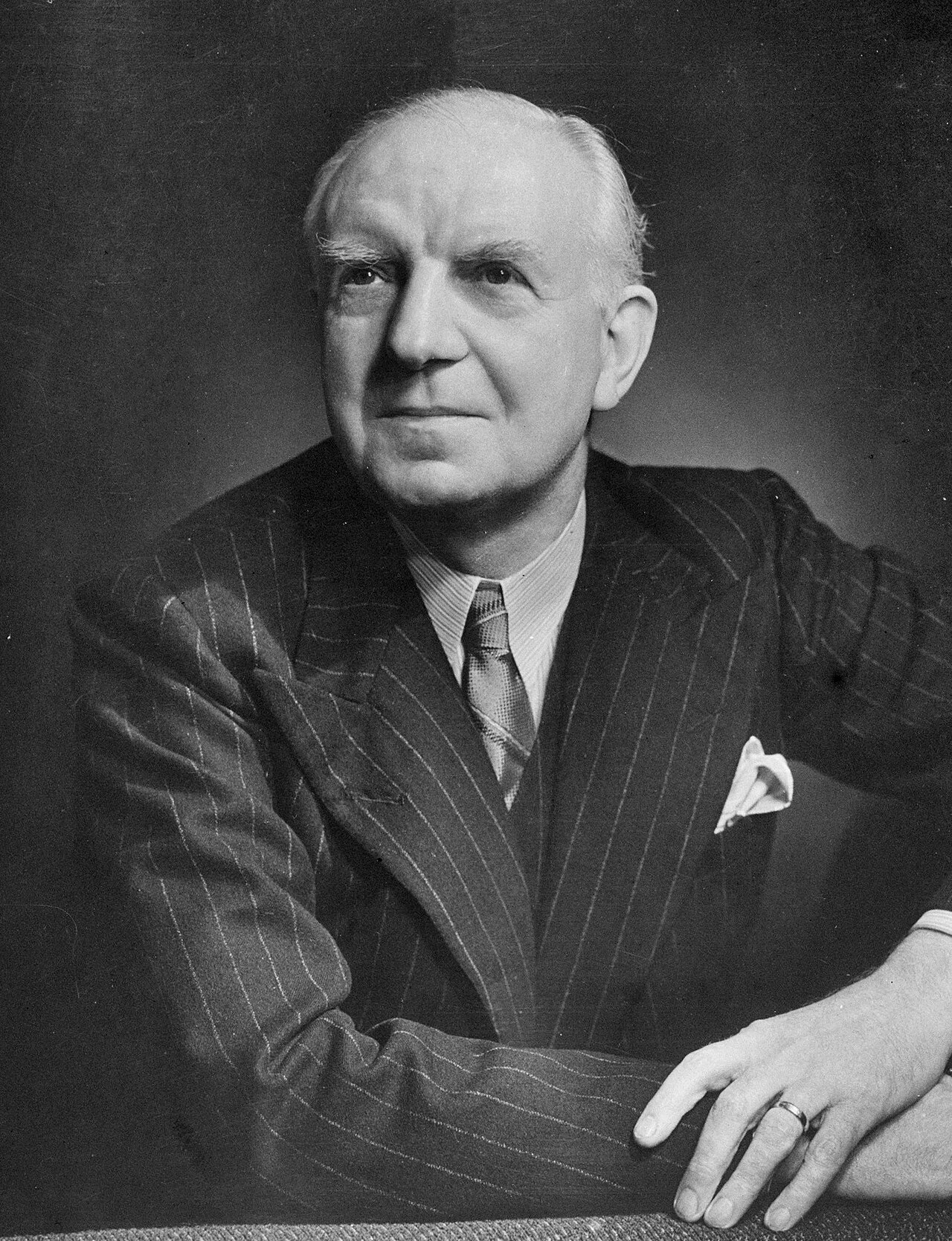
British rationing put to the test in 1941
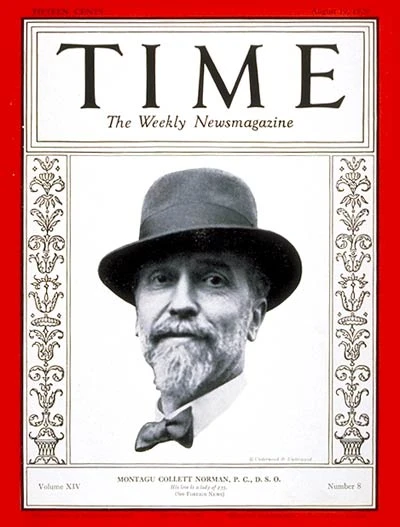
The Czech Gold
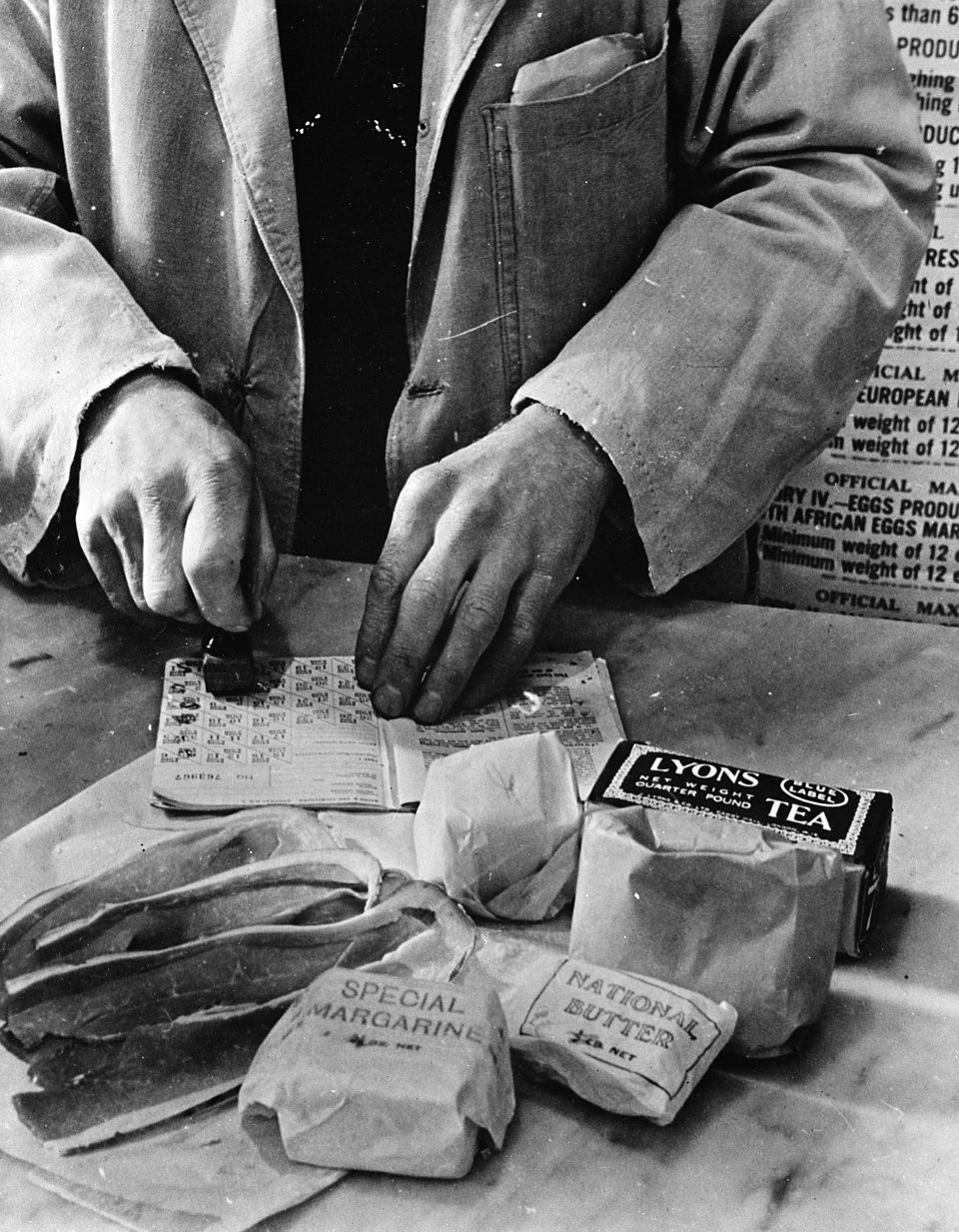
British rationing — Morrison and the principle

Whittle, his jet engine and the rebellious combustion chamber
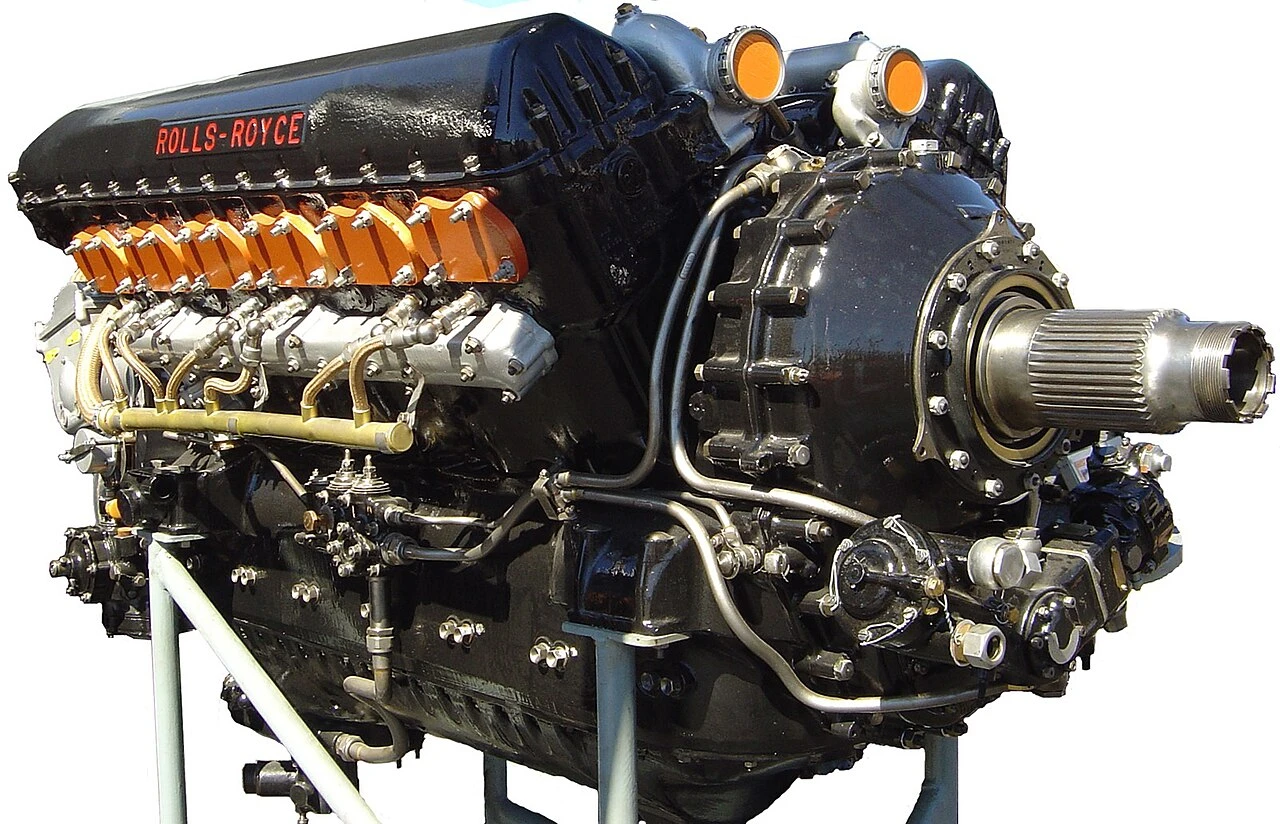
Car assembly lines for an aircraft engine
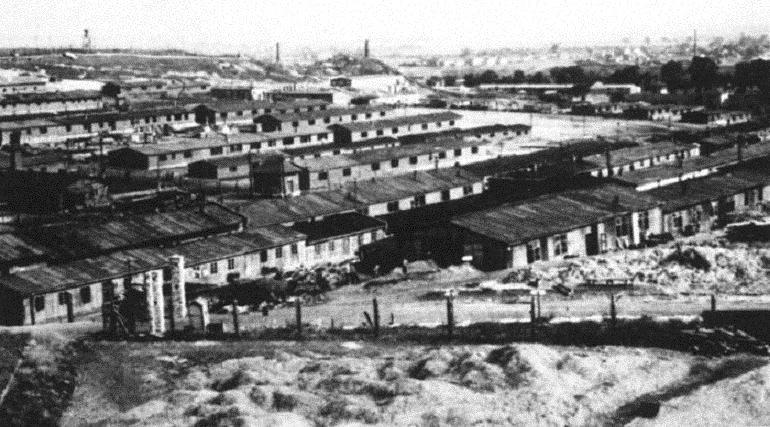
The Upper Silesian Pole Subjected to Forced Labour
The Oil of the Indies That Tokyo Demands

Buy Each for Themselves or with a Single Voice
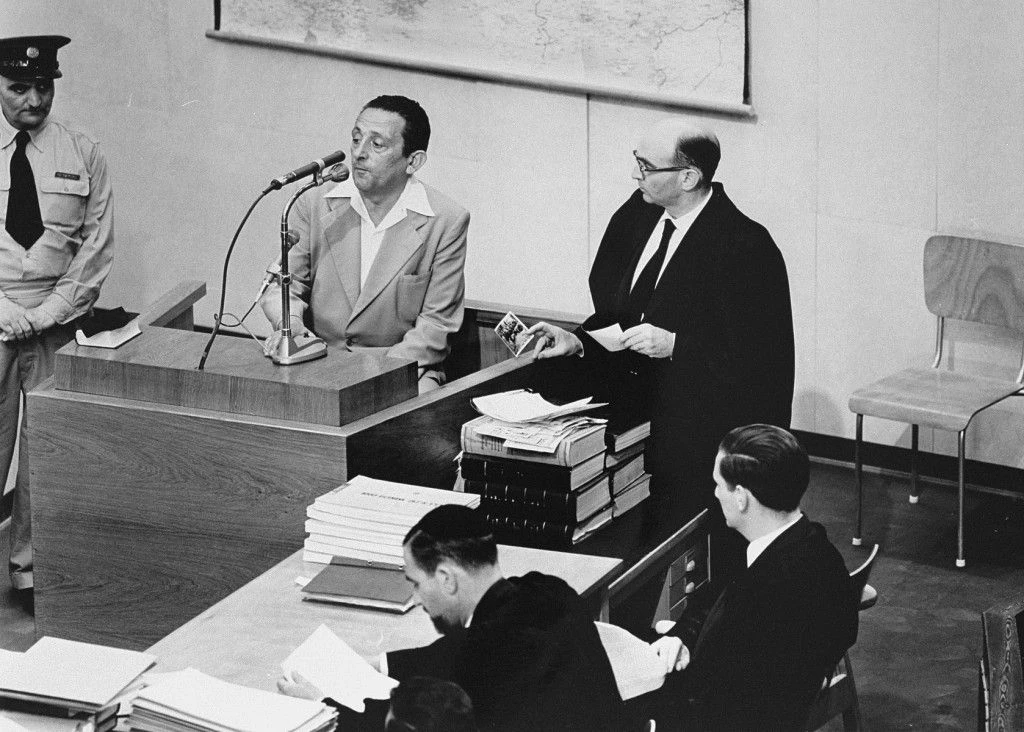
Biebow at Litzmannstadt — 8 February
The Shadow Factories
British rationing put to the test in 1941
The Czech Gold
British rationing — Morrison and the principle
Whittle, his jet engine and the rebellious combustion chamber
Car assembly lines for an aircraft engine
The Upper Silesian Pole Subjected to Forced Labour
The Oil of the Indies That Tokyo Demands
Buy Each for Themselves or with a Single Voice