
Casting Out the Victors — Air Ministry, November 1940
Air Chief Marshal and the commander of , , have just won the Battle of Britain. But at the Air Ministry in London, their methods are now being challenged by their own peers.
The opposition is led by , head of , and Air Marshal , advocates of the Big Wing tactic — massing several squadrons before interception, contrary to the fragmented, rapid riposte practised by Park. A meeting at the Air Ministry on 17 October 1940, chaired by , turns into a trial of Park's methods.
To this is added the quarrel over night interception, as the Blitz intensifies. Dowding is working on guidance by radar and instruments, an idea approved by Churchill but judged fanciful by and by . When Dowding receives the eighteen-point report of the Salmond commission — created by , Minister of Aircraft Production — he strikes out nine points and marks five others with a question mark, in a tone that irritates his superiors.
Dowding believes himself immovable since Churchill's public support during the summer. It remains to be seen what the top of the Air Ministry will decide about the fate of the two architects of the victory.
At the summit of the Air Ministry, what is to be done with the two architects of victory?
The Air Ministry chose B. Summoned before what Beaverbrook would call a band of "bloody Air Marshals", Dowding and Park were cast aside. Dowding left Fighter Command on 24 November 1940, replaced by ; Park was relieved of in early December — his successor being Leigh-Mallory — and posted to Training Command, officially to "rest". The irony was cruel: on 19 November, the pilot shot down a Junkers Ju 88 using airborne radar, validating precisely Dowding's idea on night interception. Too late. The two men most responsible for Britain's survival were dismissed at the moment of their triumph; their rehabilitation would come decades later.
Learn more about this event
Related polls
10
The Appeal of 18 June
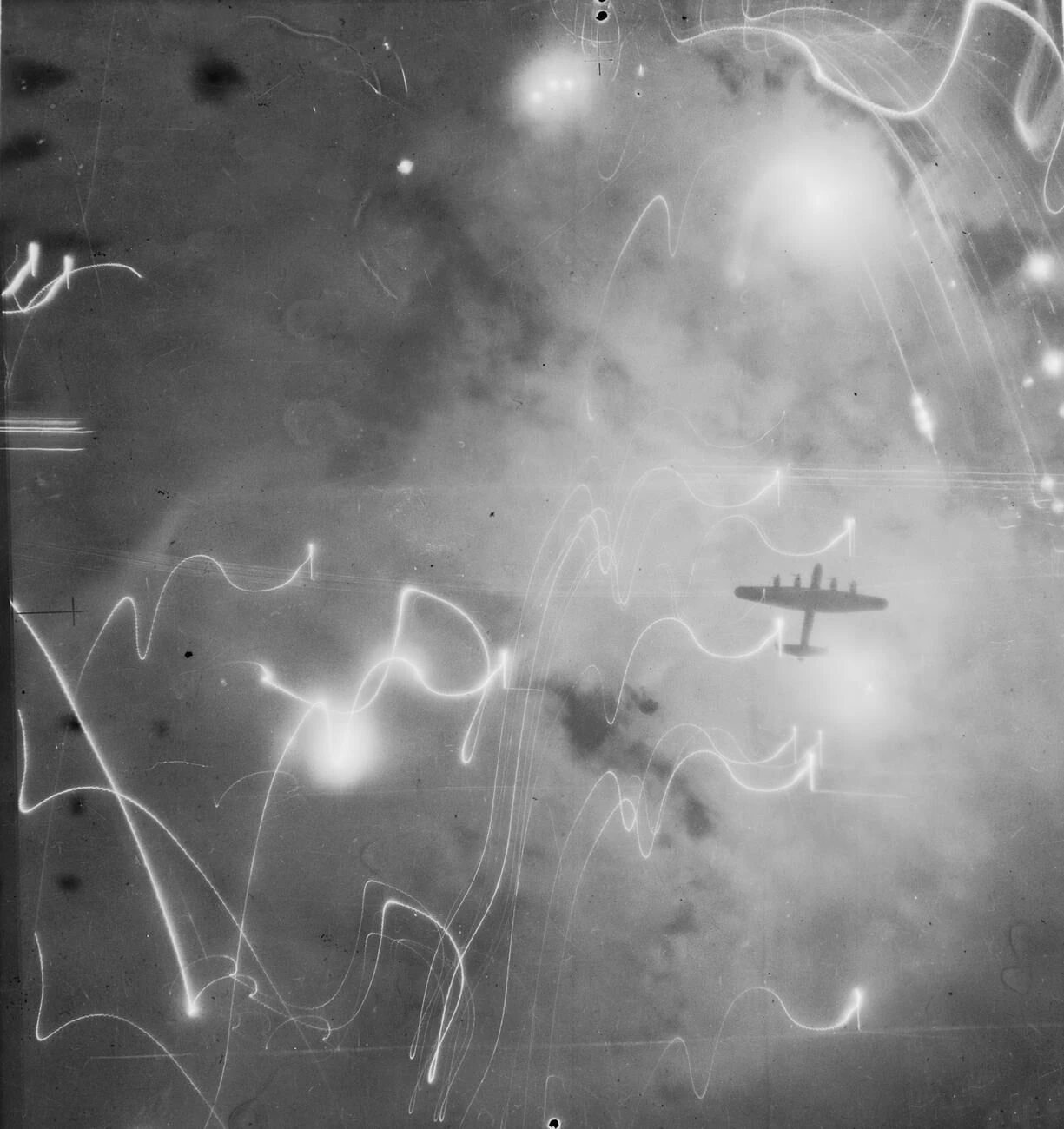
Bombing London — and the reply on Berlin
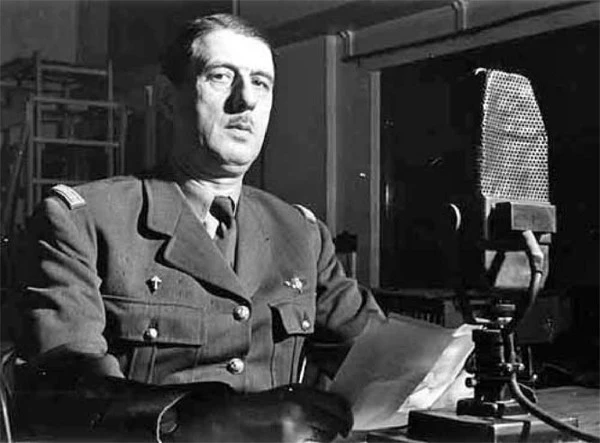
De Gaulle at the BBC microphone — 18 June, 18:00
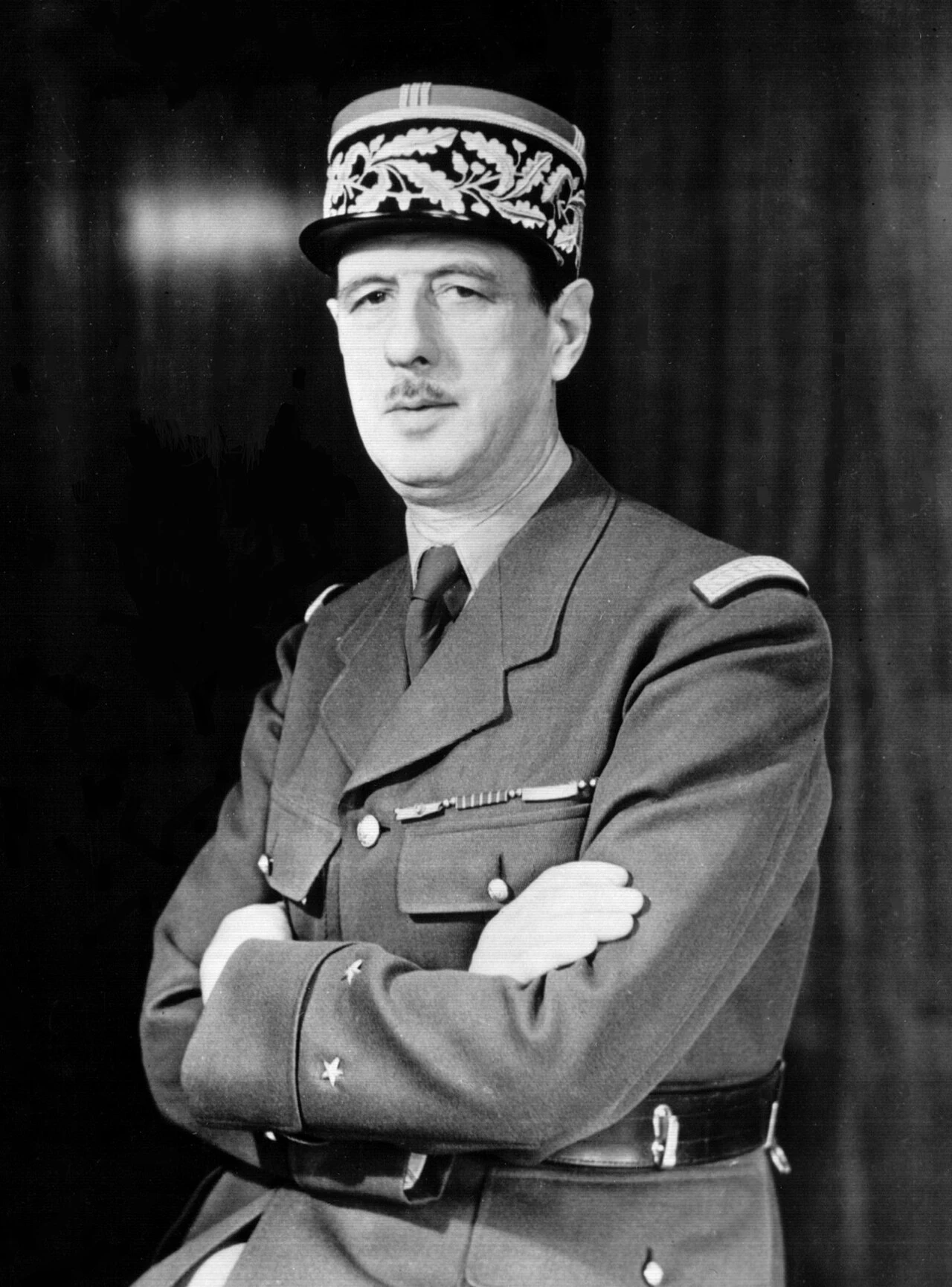
De Gaulle calls on Churchill — 9 June
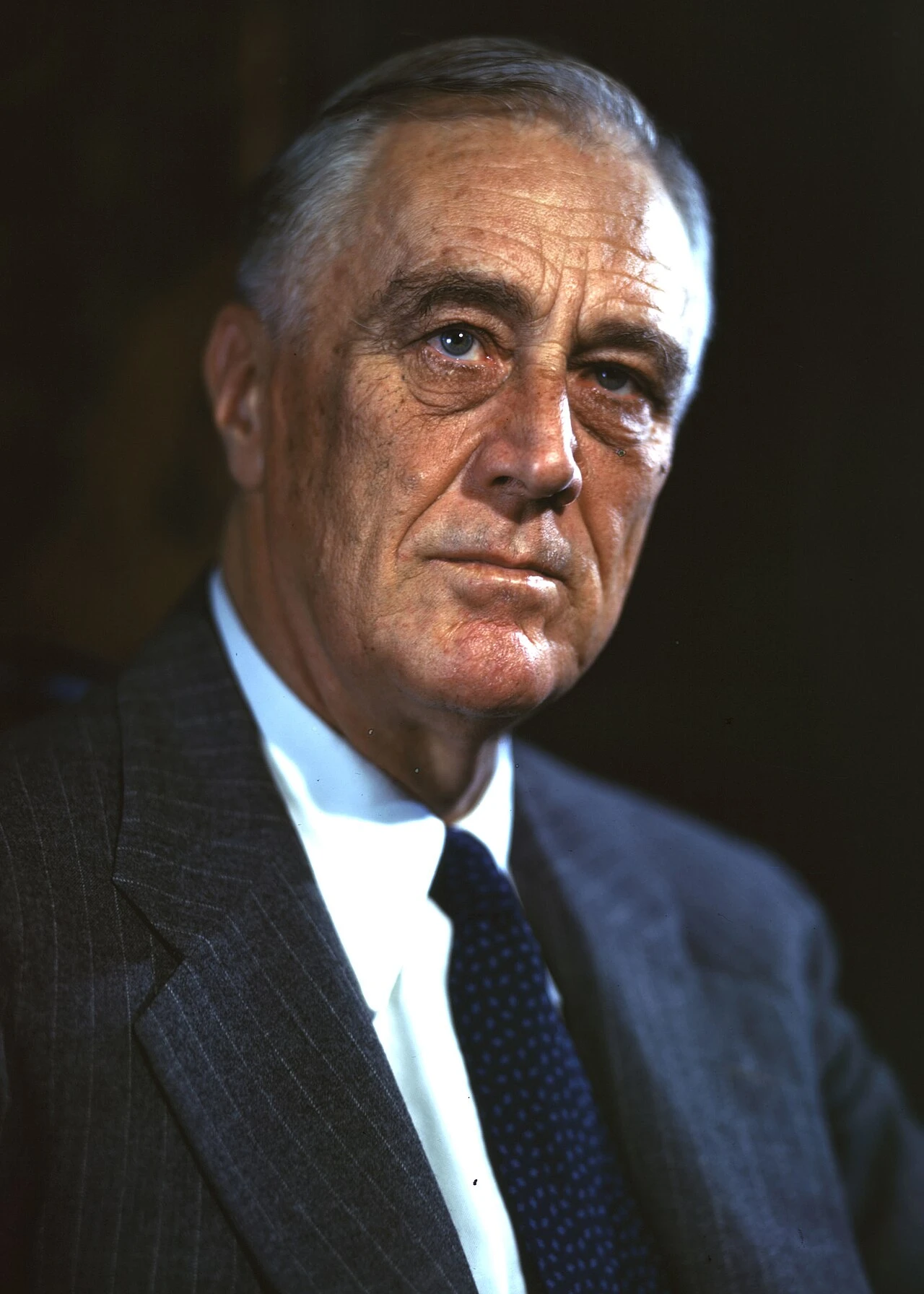
An emissary to judge whether the island will hold
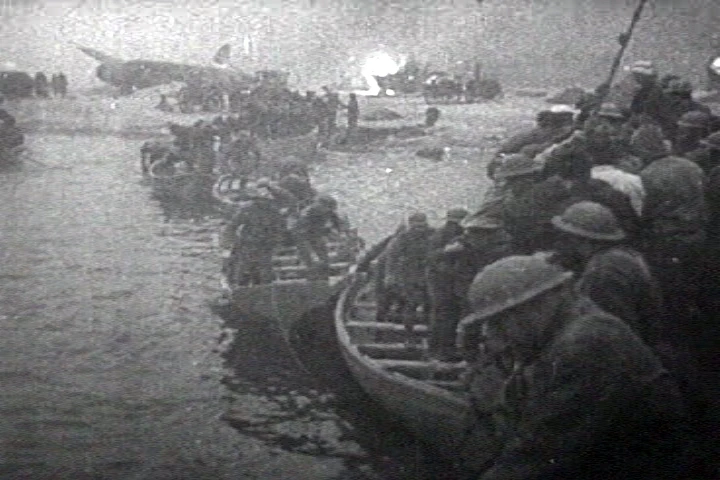
Ramsay — Dover, 14:23
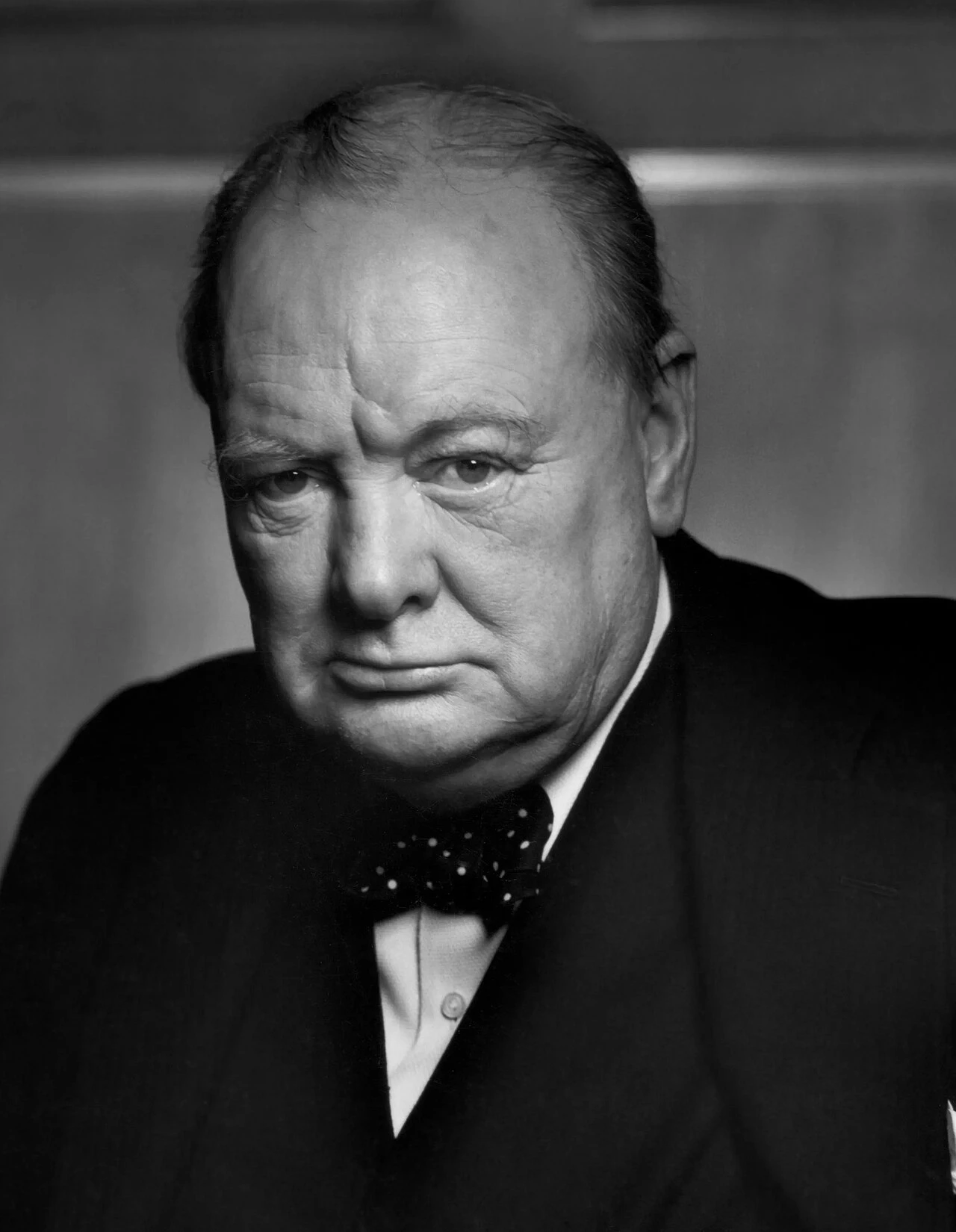
Churchill before the 25 ministers — 28 May 18:00
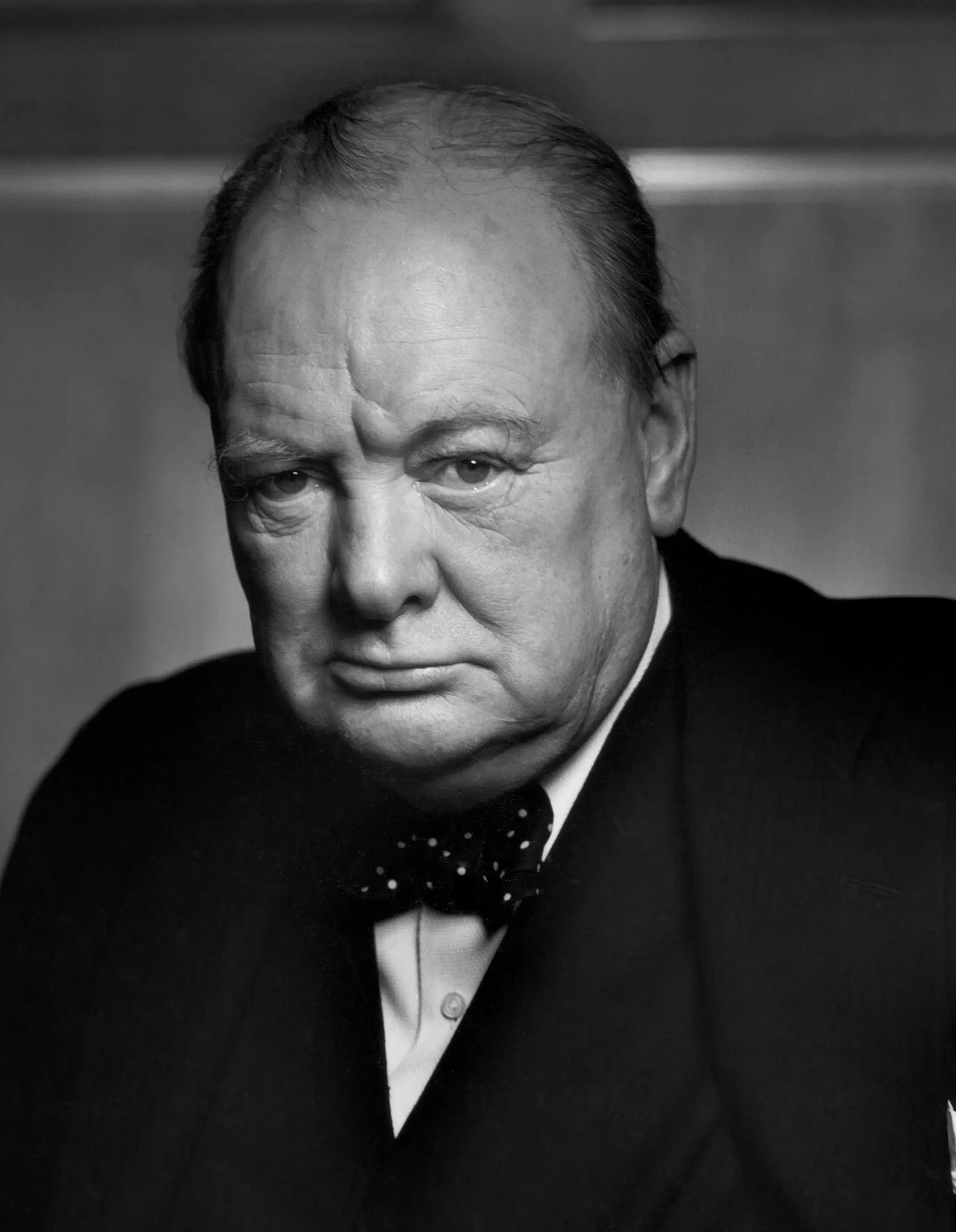
Churchill before the Commons — 4 June
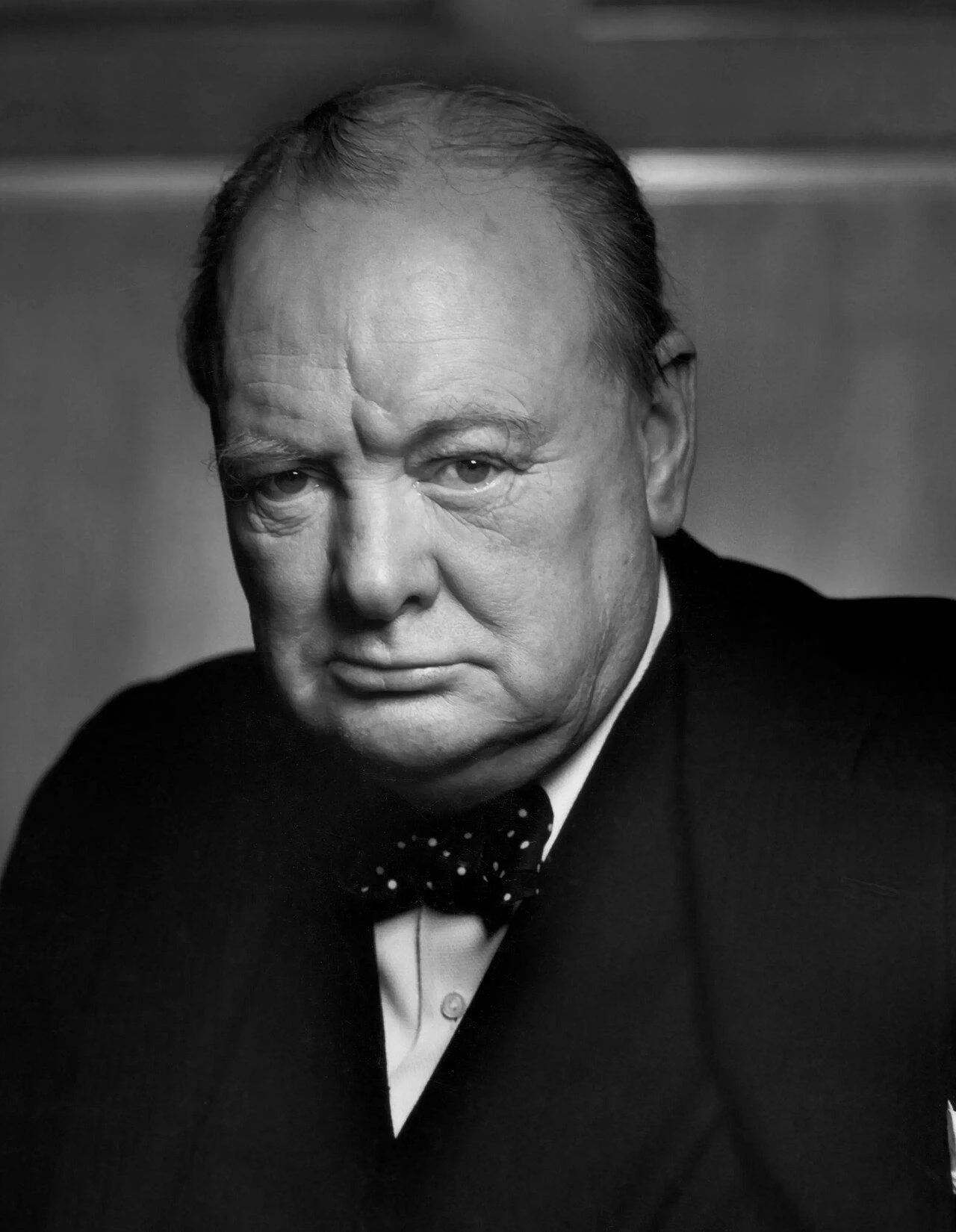
Halifax at the War Cabinet — 25 May 18:00
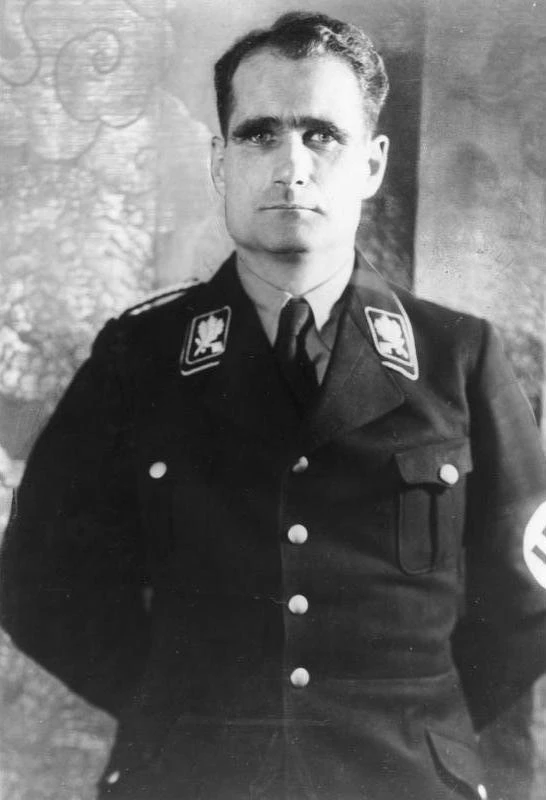
Hess — the fixed idea of a separate peace
The Appeal of 18 June
Bombing London — and the reply on Berlin
De Gaulle at the BBC microphone — 18 June, 18:00
De Gaulle calls on Churchill — 9 June
An emissary to judge whether the island will hold
Ramsay — Dover, 14:23
Churchill before the 25 ministers — 28 May 18:00
Churchill before the Commons — 4 June
Halifax at the War Cabinet — 25 May 18:00