
Biebow at Litzmannstadt — 8 February
Łódź, the industrial city of central Poland (672,000 inhabitants in 1939, of whom 233,000 were Jews — a third of the population), was annexed to Germany as part of the Reichsgau Wartheland on 9 November 1939. It was renamed Litzmannstadt by decree of Greiser on 11 April 1940. At the moment of annexation its Jewish community was among the largest in Poland — concentrated in the Bałuty district and the old historic ghetto.
On 8 February 1940 the head of the SS in the Wartheland, SS-Gruppenführer , issued an order creating a Judenwohnbezirk (Jewish residential district) in Bałuty, into which all the Jews of Litzmannstadt were to be transferred by 30 April 1940. The perimeter covered 4.1 square kilometres, chiefly the Bałuty slum, an already overcrowded prewar quarter. Planned capacity: 160,000 people.
, 38, was appointed Gettoverwalter (civilian administrator). A Bremen businessman, a former spice merchant trained in commercial school, his deputy handled relations with the local Judenrat — to be led by , 62, a former textile factory manager.
Biebow had to define the ghetto's economic policy.
What economic policy should be adopted for the ghetto?
Biebow chose B. The Łódź ghetto was sealed on 30 April 1940: a fence of wood and barbed wire, 165,000 inhabitants, no gas, no regular running water, a ration of 800 calories a day. But the workshops ran: by 1942, 80 percent of Wehrmacht uniform production came from Łódź. Biebow obtained from Berlin several extensions of the ghetto's existence (1942, 1943, 1944) by pointing to its productivity — Łódź was thus the last ghetto in Poland to be closed, in August 1944. In all 204,000 Jews passed through Łódź; by 30 August 1944, 74,000 had been deported to Auschwitz and the last 5,000 to Chełmno; fewer than 1,000 survived in 1945. Rumkowski, who had believed he could save his people through administrative collaboration, was deported with his family to Auschwitz on 27 August 1944 and killed on arrival. Biebow fled in April 1945, was captured by the British in June 1945, handed over to Poland, tried at Łódź in April 1947, sentenced to death and hanged on 23 June 1947.
Learn more about this event
Related polls
10
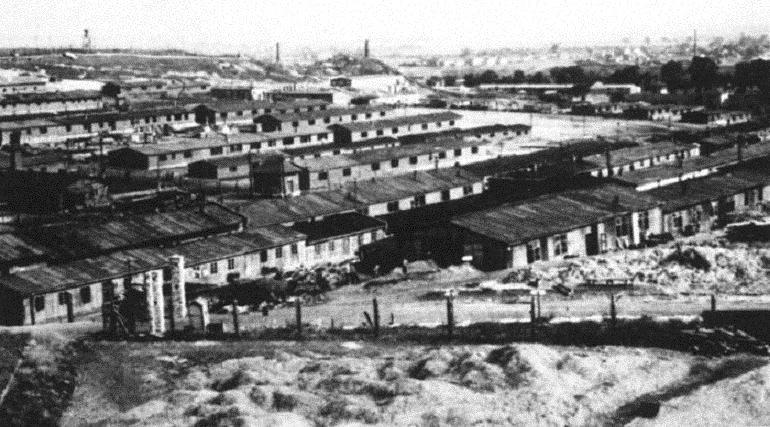
The Upper Silesian Pole Subjected to Forced Labour
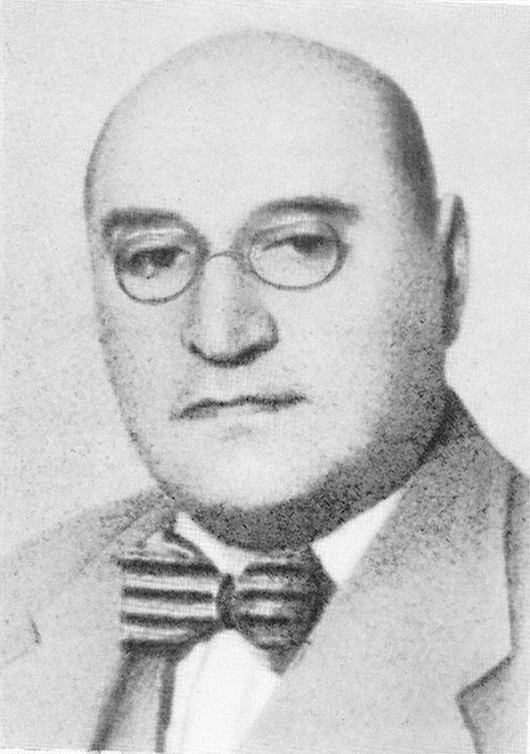
Czerniaków — the offer of the Judenrat
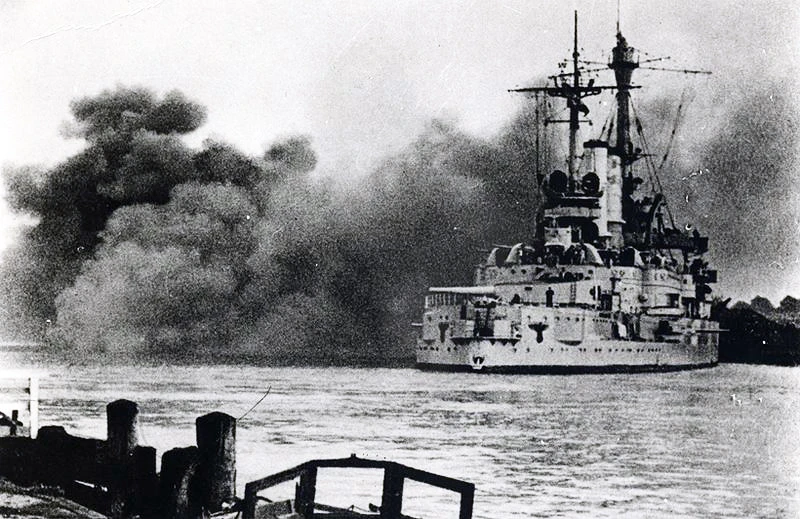
Danzig, September 1939 — the policeman of the Free City
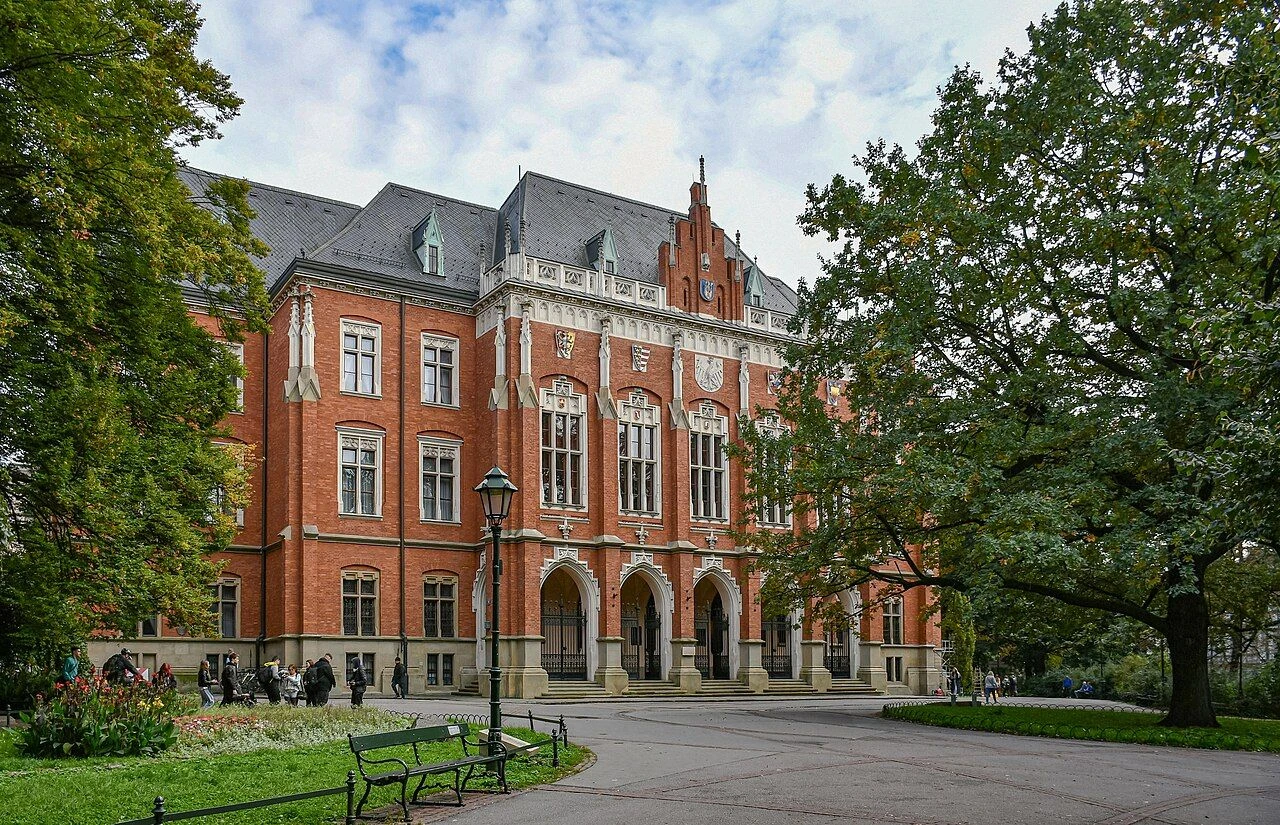
Hans Frank — the taking of the Wawel
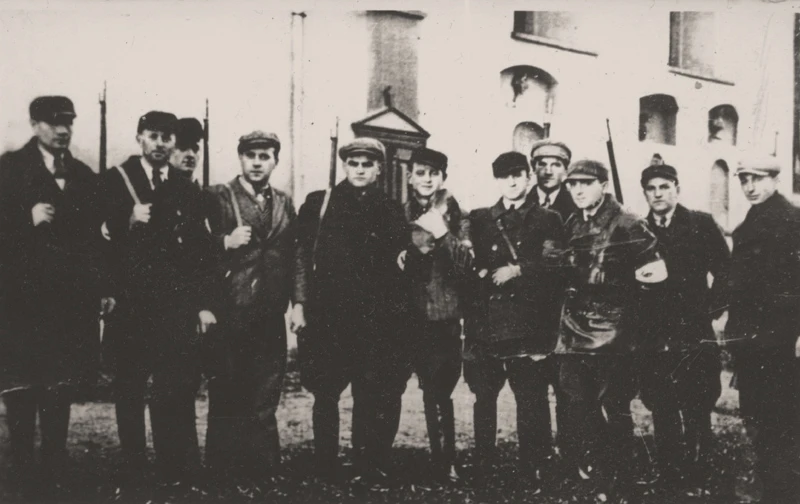
The Volksdeutsche Conscripted into the Selbstschutz
The Gold of the Bank of Poland — the destination of the SS Eocene
Borakowski and the merchant fleet
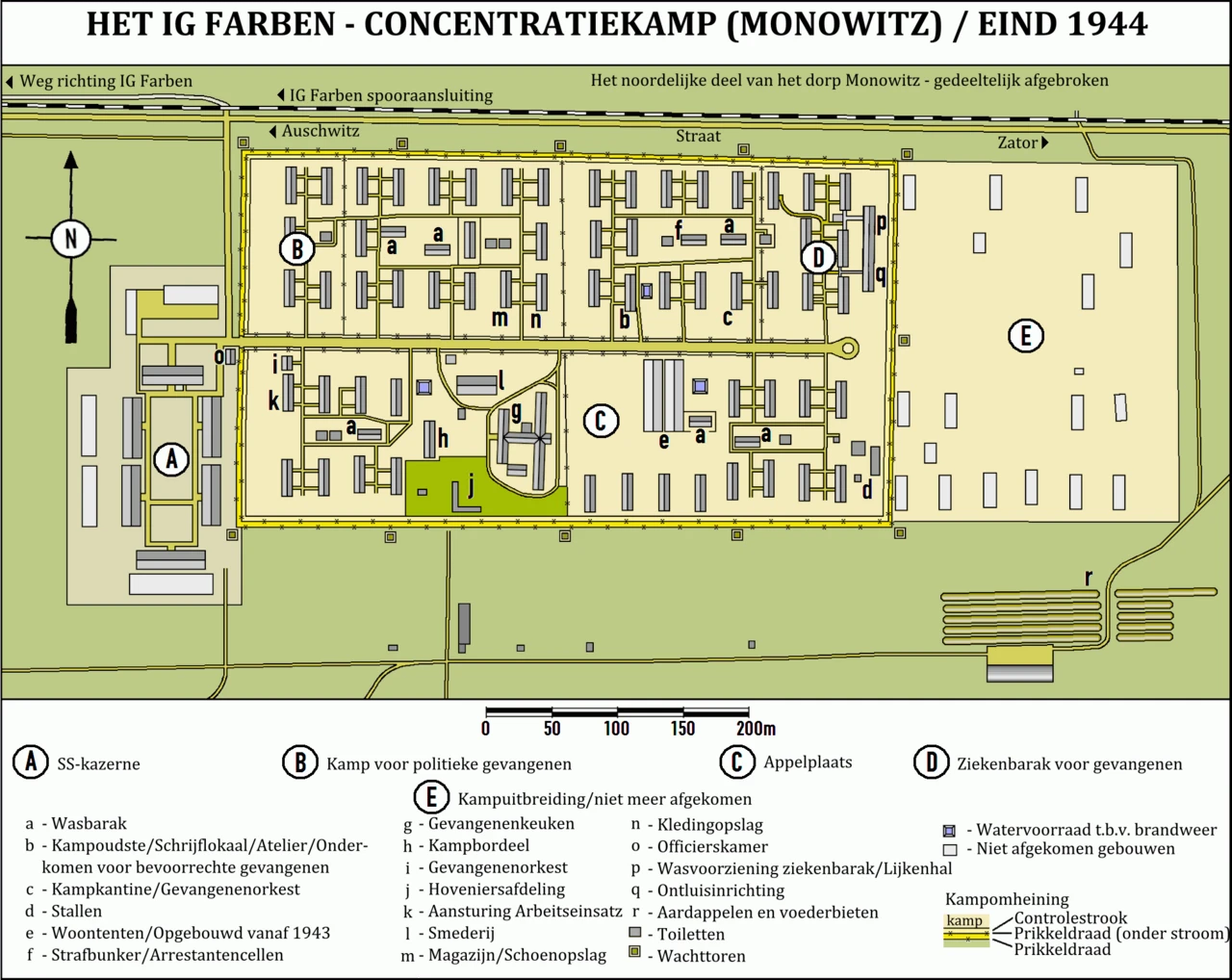
The Monowitz Construction Site
Buy Each for Themselves or with a Single Voice
British rationing — Morrison and the principle
The Upper Silesian Pole Subjected to Forced Labour
Czerniaków — the offer of the Judenrat
Danzig, September 1939 — the policeman of the Free City
Hans Frank — the taking of the Wawel
The Volksdeutsche Conscripted into the Selbstschutz
The Gold of the Bank of Poland — the destination of the SS Eocene
Borakowski and the merchant fleet
The Monowitz Construction Site
Buy Each for Themselves or with a Single Voice