
Studying in the Warsaw Ghetto
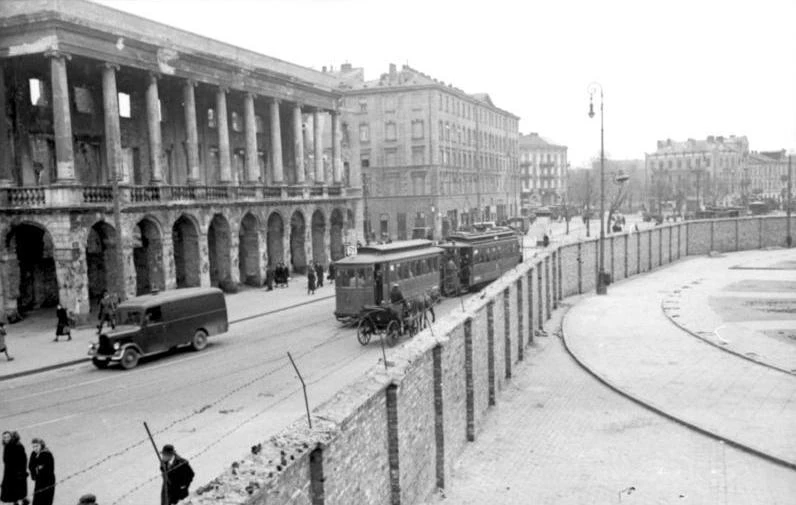
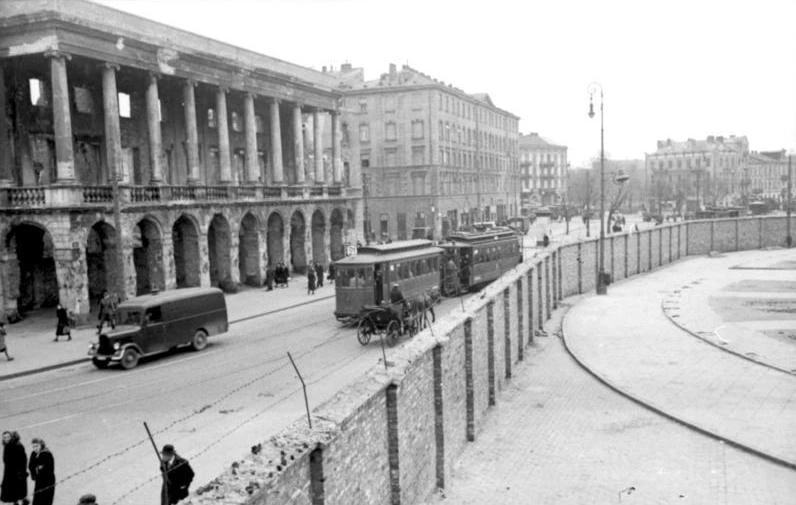
In the autumn of 1941, in the Warsaw Ghetto, declared schooling for Jewish children comes to an end: from the age of ten they are conscripted into labour, and the occupier bans open education. For a young woman who dreams of higher studies (philosophy, medicine, the sciences), an intellectual future seems walled off, in an overcrowded space where hundreds of thousands are packed behind a wall, left to typhus and an organised famine.
Yet the ban gives rise to an underground education system. Former teachers organise komplety, small clandestine study circles meeting in apartments, sometimes under cover of soup kitchens for children. They teach the primary and secondary curricula, and for the most advanced a university level. Studying becomes an act of moral resistance against an occupier bent on reducing the Jews to pure labour power.
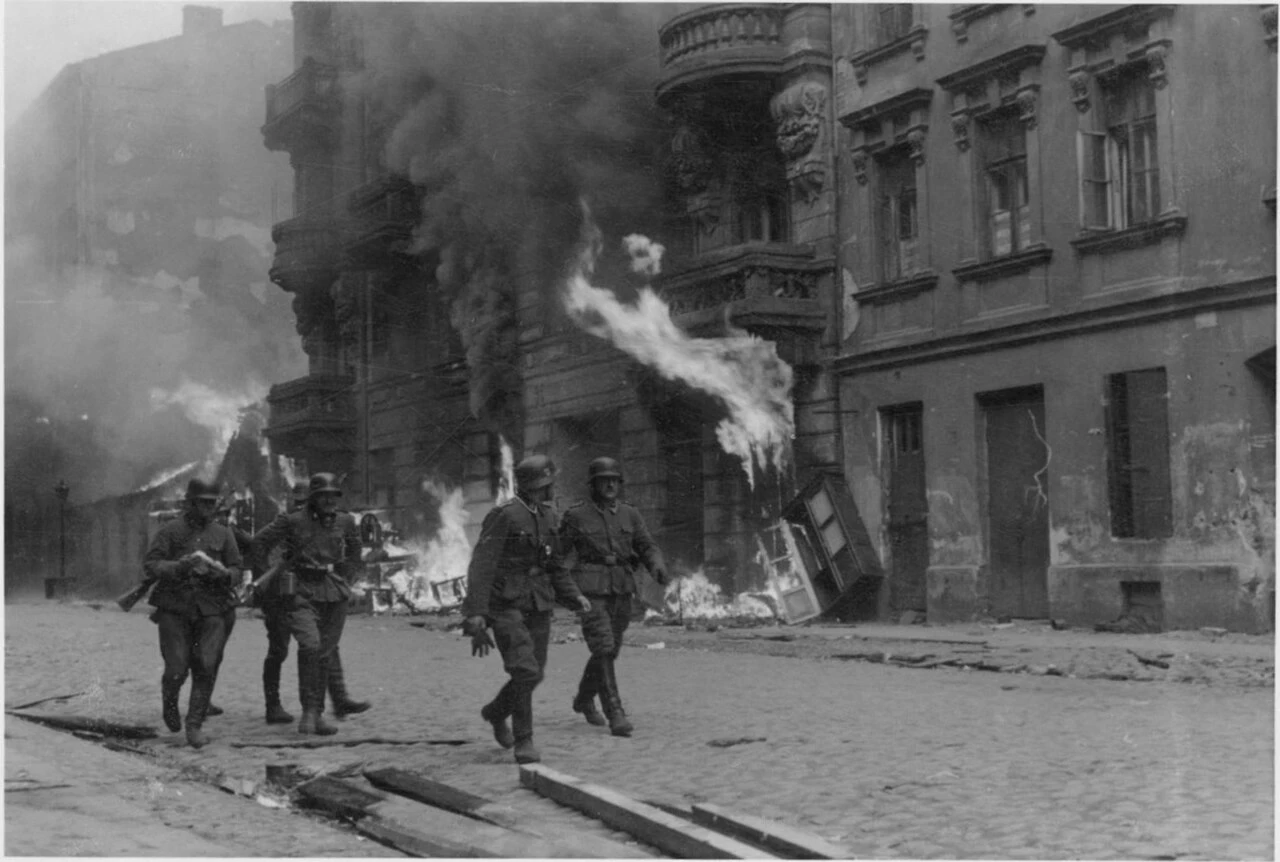
The most striking example is the clandestine medical school. As early as 1940, the Germans authorise "sanitary courses to combat epidemics", justified by the typhus outbreak; from May 1941 to July 1942, these courses cover a genuine medical curriculum modelled on the European one. But the cost is crushing: many students study on an empty stomach, without a ration card, under the constant threat of the round-up and deportation that would strike the ghetto en masse in the summer of 1942.
Barred from her studies by the occupier, should this young woman in the ghetto attend the clandestine classes, attempt to flee, or devote her strength to her family's survival?
Clandestine education was a massive reality of the Warsaw Ghetto: after open schooling was banned in the autumn of 1941, thousands of children and young people attended the komplety organised by unemployed teachers, and university-level teaching existed, notably the clandestine medical school disguised as "sanitary courses" (1941–1942). For those who had the strength despite hunger and without a ration card, studying was an act of cultural resistance. Most of these students and their teachers were deported and murdered at Treblinka during the "great deportation" of the summer of 1942.
Learn more about this event
Related polls
10
Clandestine teaching in the Warsaw Ghetto
The Jewish Schoolteacher of Kazimierz
The Warsaw Ghetto — the temptation of informing
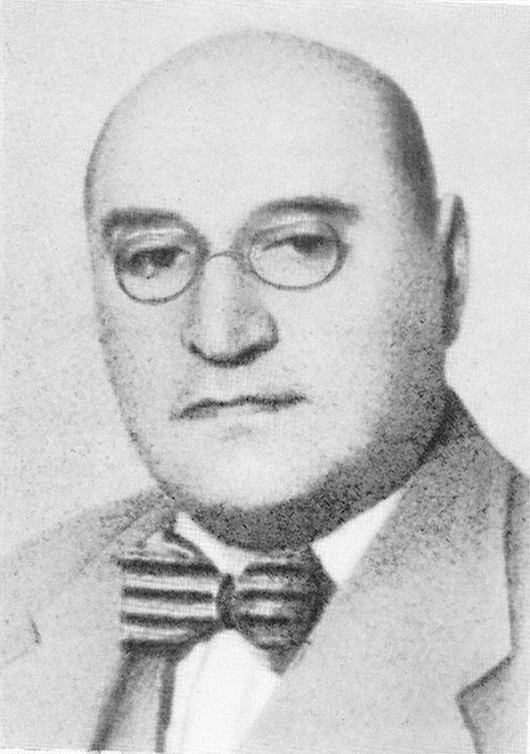
Czerniaków — the offer of the Judenrat
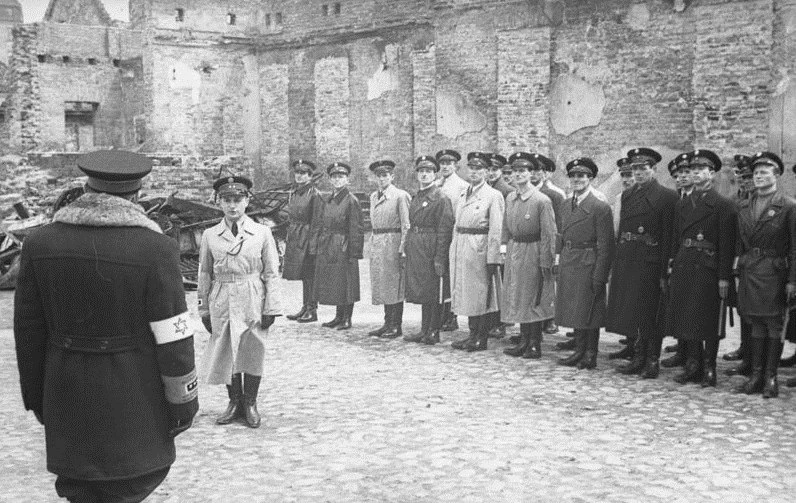
Czerniaków — the Warsaw ghetto sealed
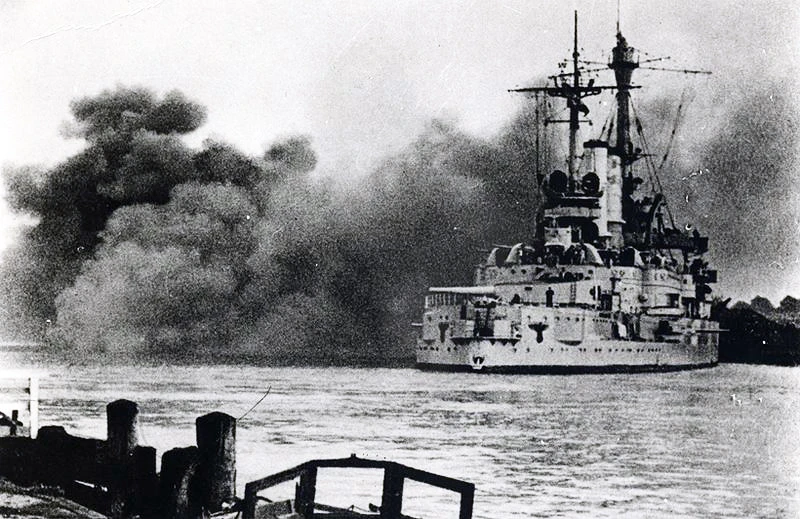
Danzig, September 1939 — the policeman of the Free City
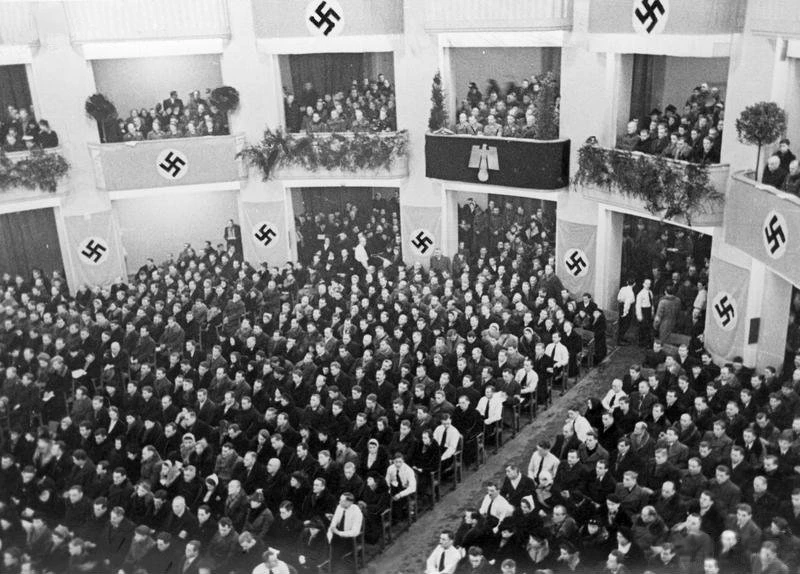
The Deutsche Volksliste — sign, or stay Polish
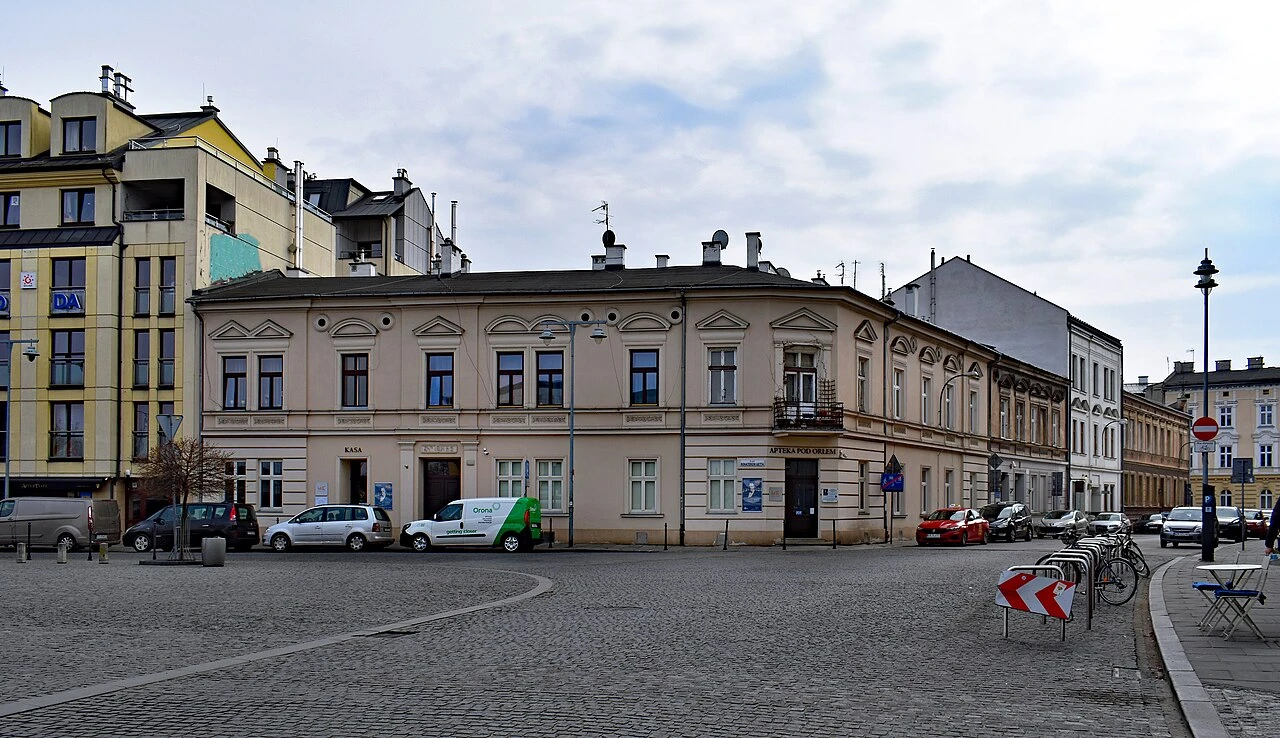
The apothecary of the Kraków Ghetto
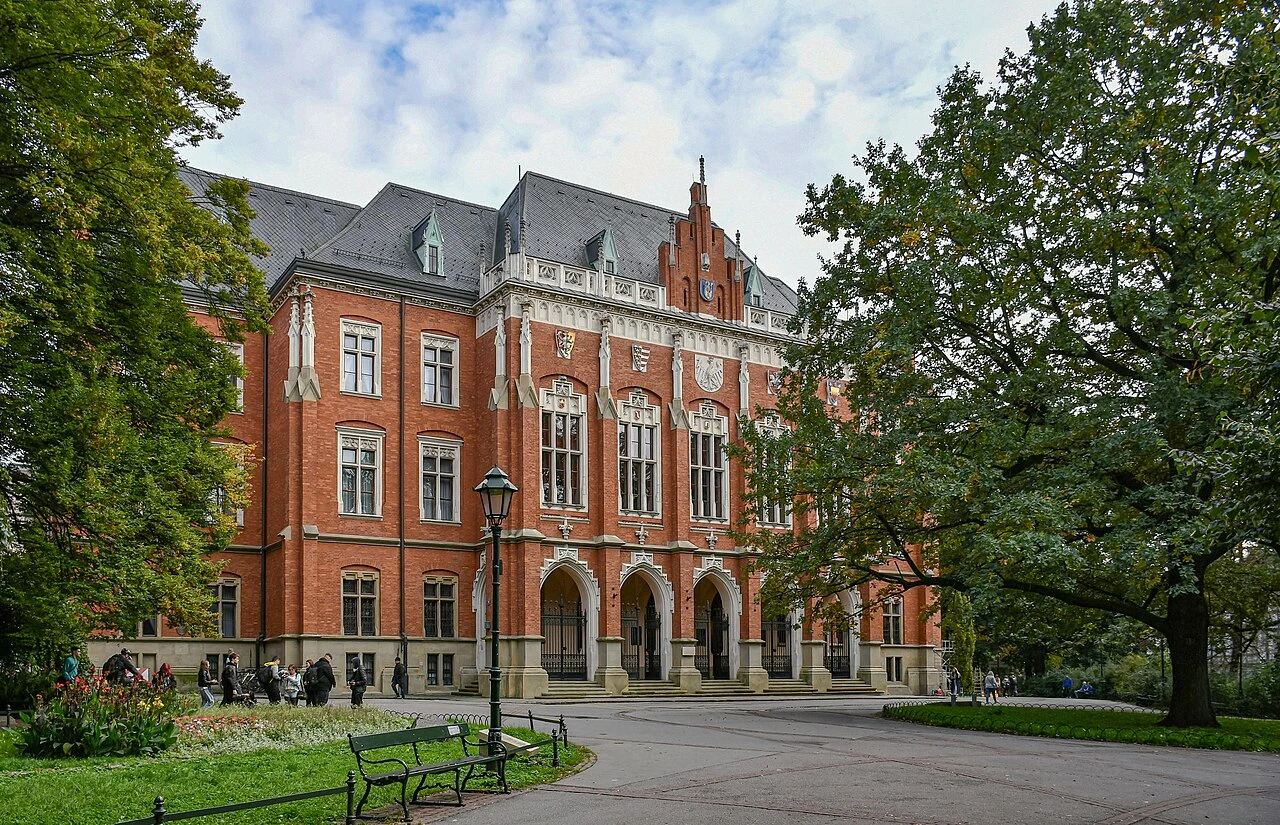
The Kraków Student After the Sonderaktion Krakau
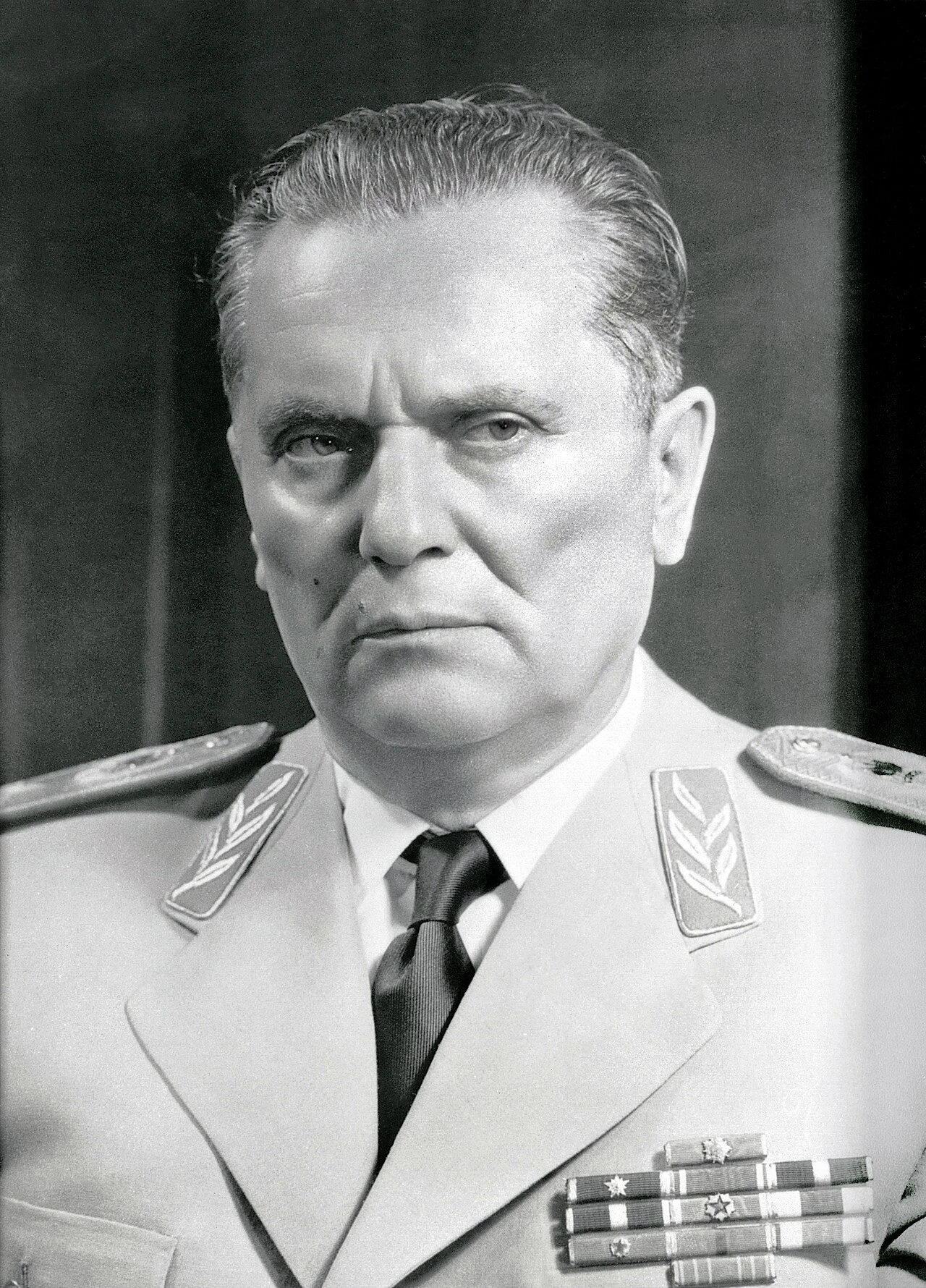
The Belgrade medical student and the call of the Partisans
Clandestine teaching in the Warsaw Ghetto
The Jewish Schoolteacher of Kazimierz
The Warsaw Ghetto — the temptation of informing
Czerniaków — the offer of the Judenrat
Czerniaków — the Warsaw ghetto sealed
Danzig, September 1939 — the policeman of the Free City
The Deutsche Volksliste — sign, or stay Polish
The apothecary of the Kraków Ghetto
The Kraków Student After the Sonderaktion Krakau