
The autumn of 1941 has turned the war in the East into something unlike any campaign waged in the West. Since June, the high command has been passing down through the ranks directives that deliberately place the Soviet enemy outside the usual law governing belligerents. One of them targets by name the political commissars of the Red Army, tasked with the ideological supervision of the troops: once captured, they are not to be treated like other prisoners. In the Smolensk sector, where the summer's fighting has left endless columns of captives, its application has become a daily matter, left to the judgment of front-line officers.
Before you, a commissar has just been identified among a group of prisoners. You know the directive. Nothing in your training as an officer prepared you for such an order, and others before you have found quiet accommodations with their conscience. Some comrades obey without flinching; others mutter that such acts soil the uniform and feed the enemy's hatred. The chain of command is watching, and the slightest decision can be reported.
The man waits, his hands bound, and the weight of the moment rests entirely on you.
As a Wehrmacht officer facing this captured commissar, what do you decide?
The "Commissar Order" (Kommissarbefehl), issued on 6 June 1941, was applied for the most part during the invasion of the USSR: most units executed captured commissars, claiming several thousand victims as early as 1941, in flagrant violation of the laws of war. A minority of officers quietly circumvented it, and many prisoners were also handed over to the or the SD in the rear. Finding that this policy hardened Soviet resistance and drove commissars to fight to the death, the high command formally suspended the order in May 1942. At the Nuremberg trials, the Kommissarbefehl was cited as one of the principal pieces of evidence of the criminality of German conduct in the East.
Learn more about this event
Related polls
10
The Mud, the Winter and the Road to Moscow
At the Gates of Moscow, in the November Frost
Perekop: the Iron Gate of Crimea
Lähde — Yakovlev against the Mannerheim bolt
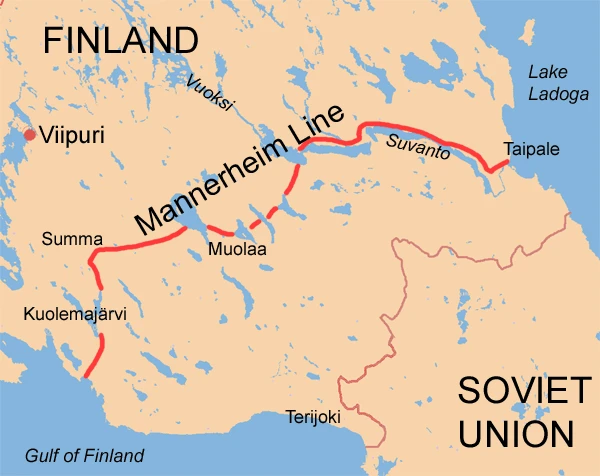
Timoshenko at Summa — 11 February
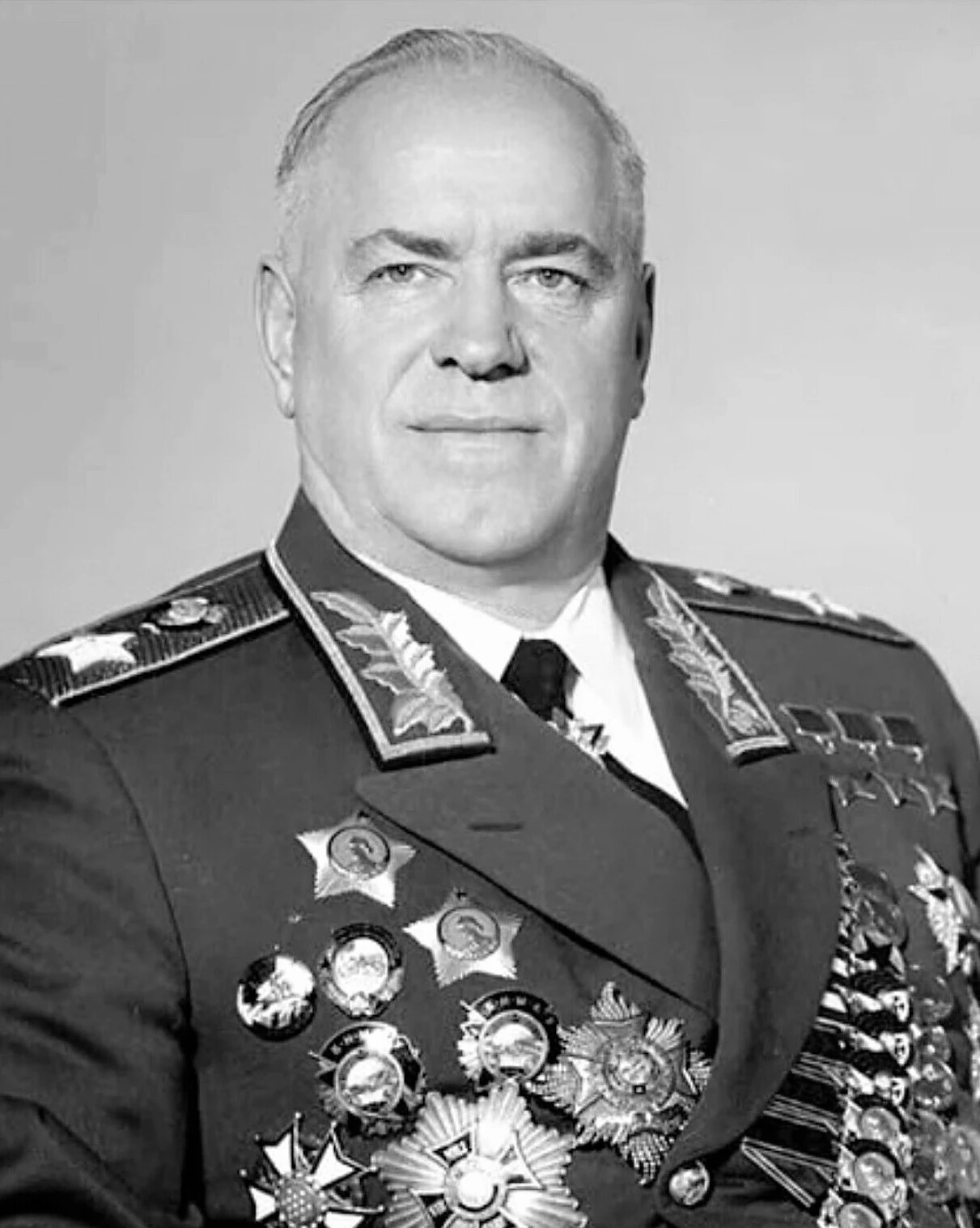
Zhukov Facing the Void Before Moscow
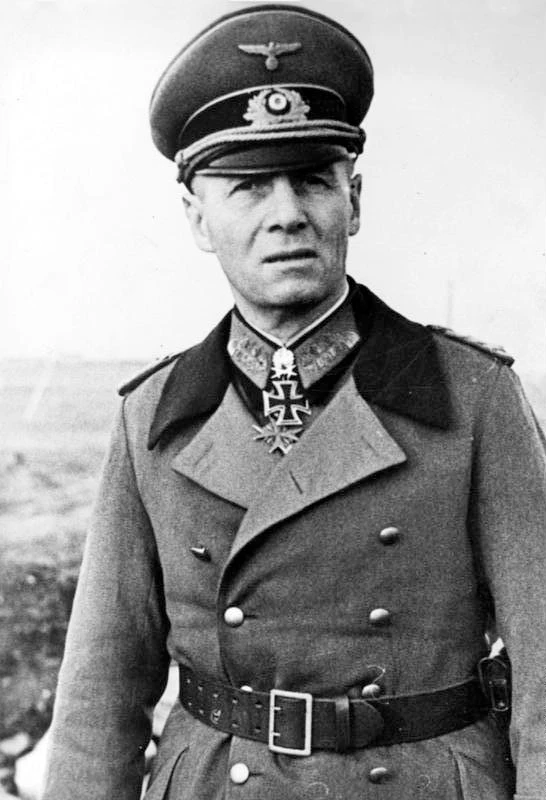
The dash to the wire: Rommel's gamble on the frontier
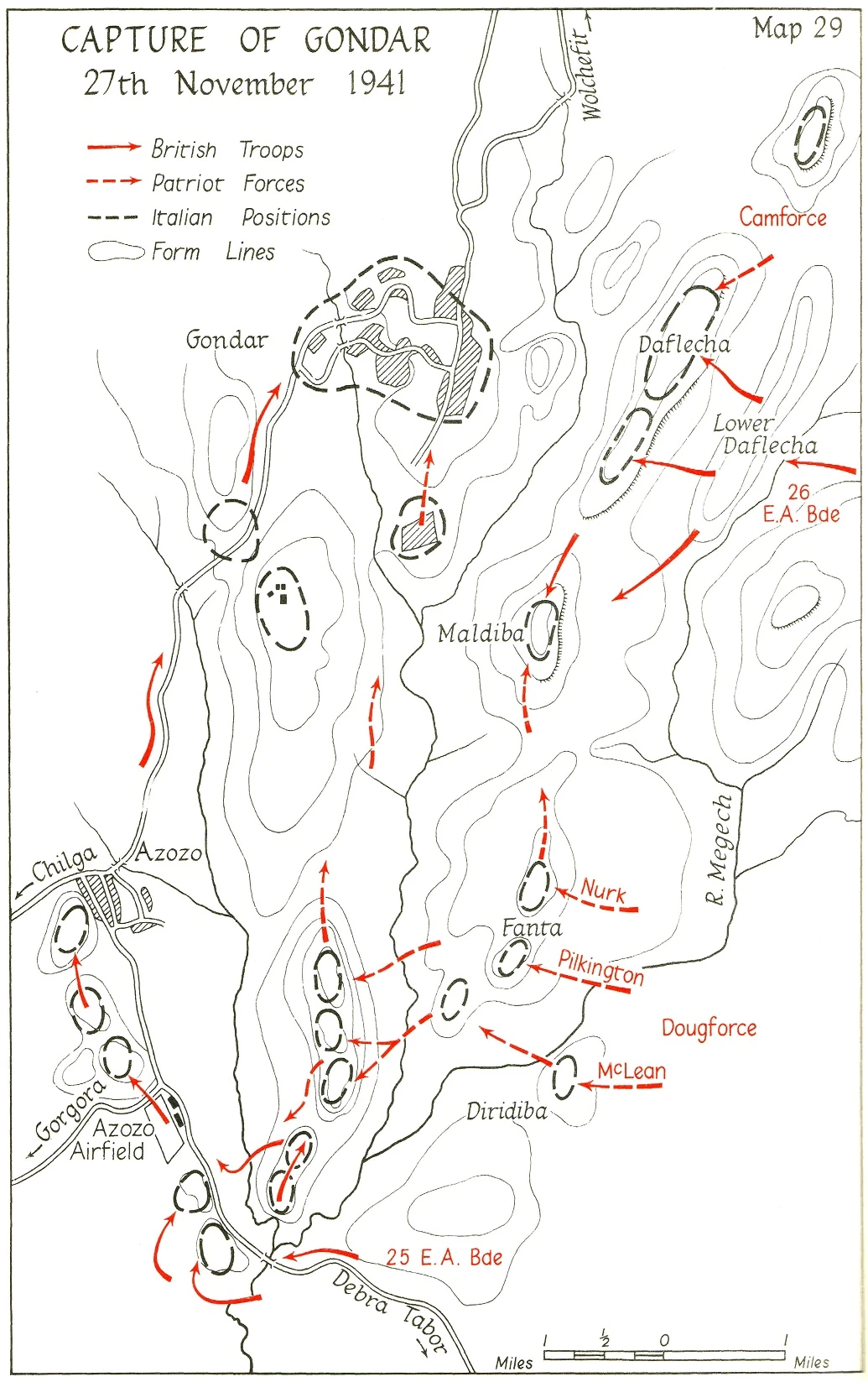
The Last Redoubt at Gondar
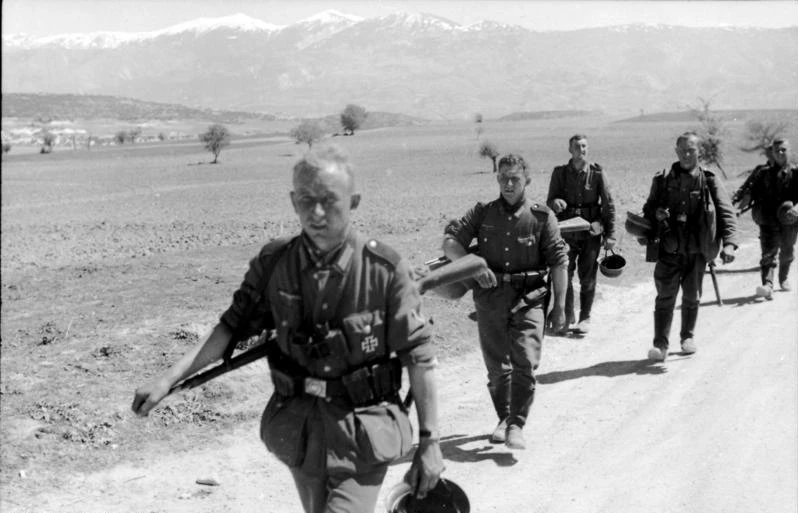
Marita — the invasion of Greece
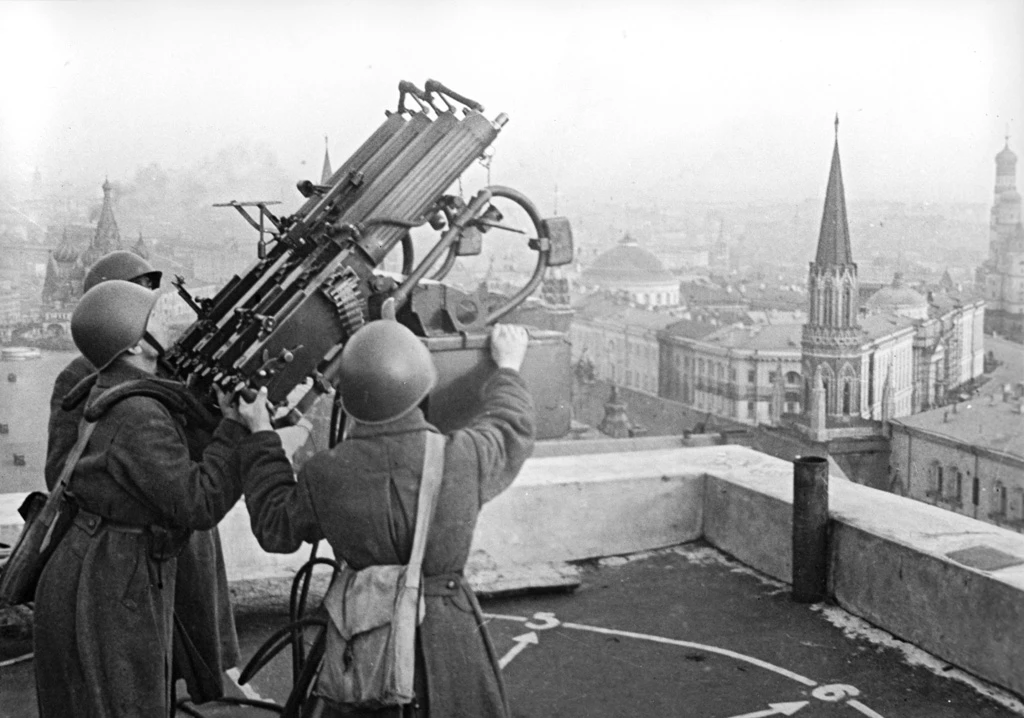
Vyazma, October 1941: the militia faces the onslaught
The Mud, the Winter and the Road to Moscow
At the Gates of Moscow, in the November Frost
Perekop: the Iron Gate of Crimea
Lähde — Yakovlev against the Mannerheim bolt
Timoshenko at Summa — 11 February
Zhukov Facing the Void Before Moscow
The dash to the wire: Rommel's gamble on the frontier
The Last Redoubt at Gondar
Marita — the invasion of Greece