
The Indische Legion — Subhas Chandra Bose in Berlin
In January 1941, , former president of the Indian National Congress placed under house arrest in Calcutta by the British, escaped in disguise and made his way secretly to Afghanistan. From Kabul, carrying a forged Italian passport in the name of "," he travelled through Moscow and reached Berlin in early April 1941. On 3 April, he met senior officials of the Auswärtiges Amt and submitted a memorandum to them: he proposed an alliance with the Axis to drive the British out of India and called for a declaration in favour of Indian independence.
Bose belonged to the radical wing of Indian nationalism, at odds with Gandhi's non-violent strategy. Convinced that "the enemy of my enemy is my friend," he wanted to exploit the war to hasten the end of the Raj. The Axis powers held Indian prisoners of war captured in North Africa, notably in Cyrenaica, and a propaganda apparatus that could carry his voice to the subcontinent.
Yet the course was fraught with risk: associating with the fascist regimes could discredit the Indian cause in the eyes of the world, and distant Germany had no direct military means of acting against the Raj. A refugee in Berlin, Bose had to choose the path by which to serve the cause of independence from exile.
Having reached Berlin after his escape from India, should Bose seek the support of the Axis against the British Empire, remain neutral, or side with the Allies?
Bose chose alliance with the Axis. From Berlin, he founded the Free India Centre (inaugurated on 2 November 1941) and Azad Hind Radio — which gave rise to the salute "Jai Hind" — and had the raised from Indian prisoners captured in North Africa. The legion, around 3,000 men later incorporated into the , never fought in India and ended the war garrisoned in France. Bose reached Asia in 1943, where he proclaimed the provisional government of Azad Hind and led the alongside the Japanese (notably during the Imphal-Kohima offensive in 1944, a defeat). He died in a plane crash in Taiwan in August 1945. India's independence, in 1947, came chiefly from the Congress's non-violent mass movement.
Learn more about this event
Related polls
10
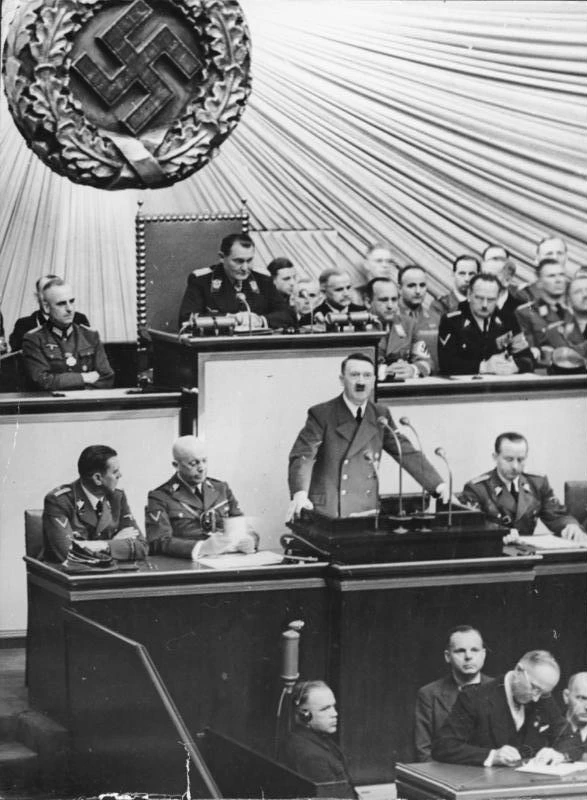
Hitler — the Reichstag Speech
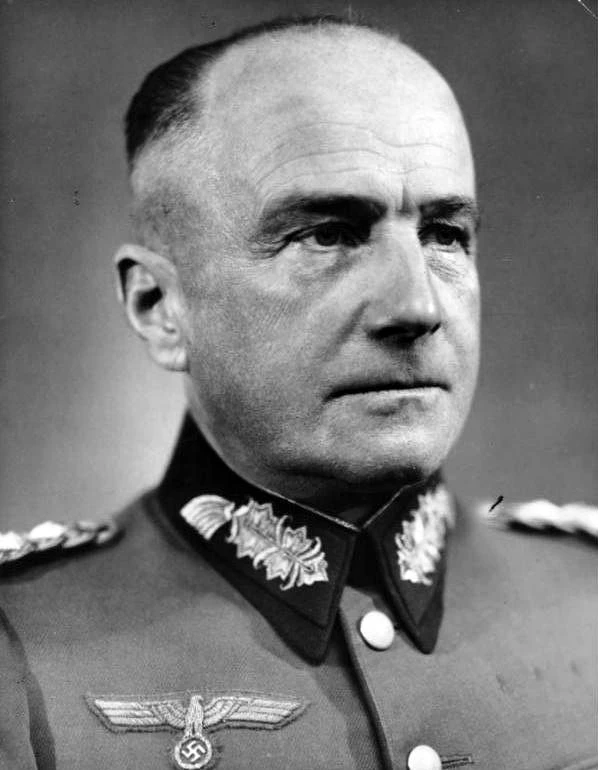
Brauchitsch — Reich Chancellery, 5 November
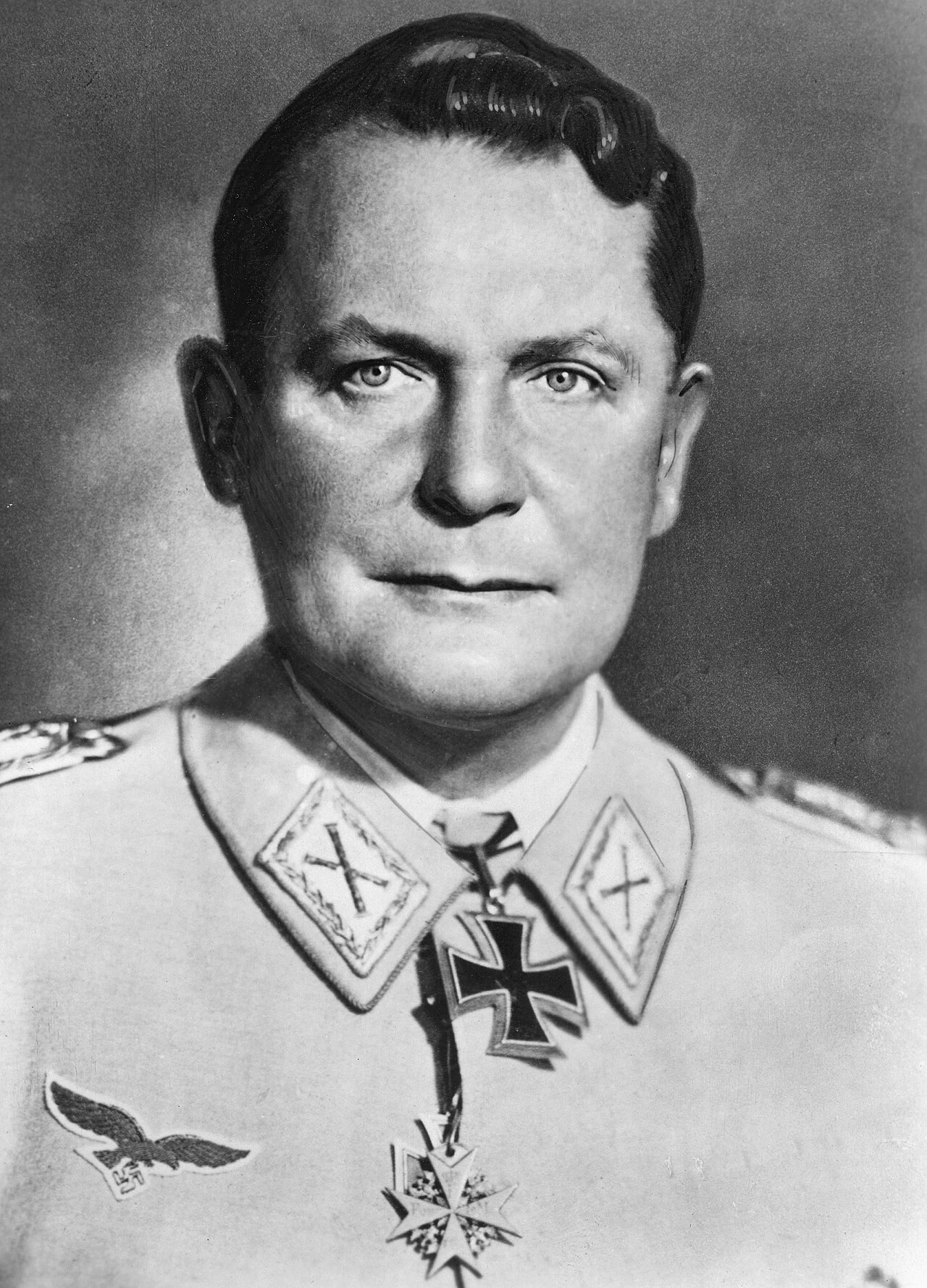
Goering at Carinhall — the promise to Hitler
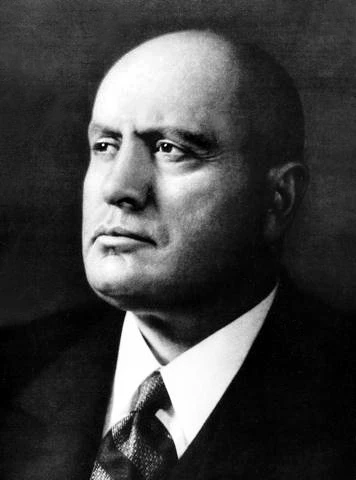
Mussolini on the Riviera — 21 June
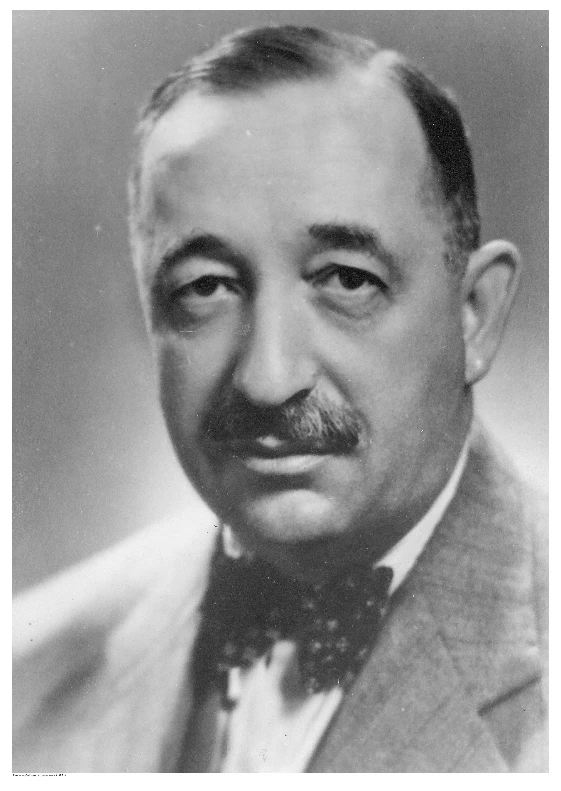
Bulgaria: lock of the Balkans, a price to pay
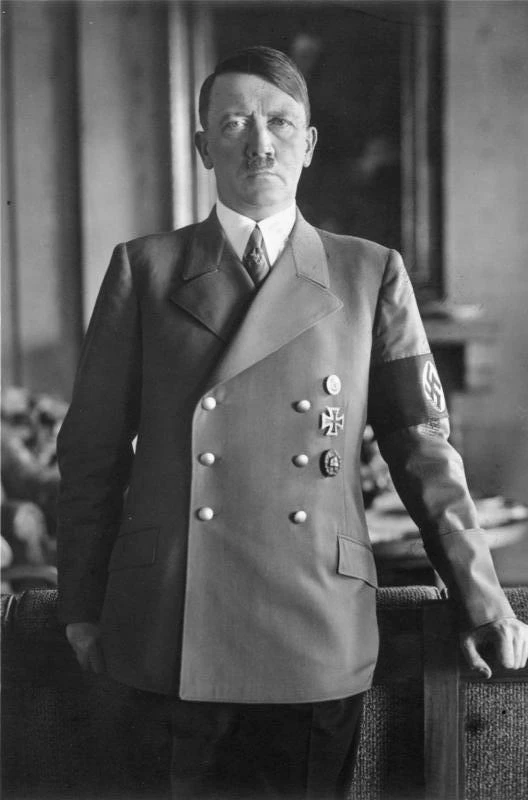
Hitler After Molotov — Berlin, November 1940
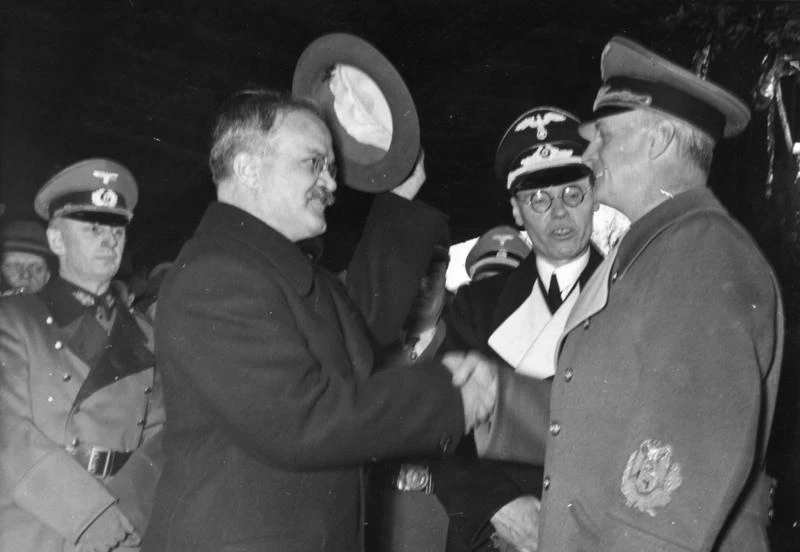
Molotov in Berlin — November 12
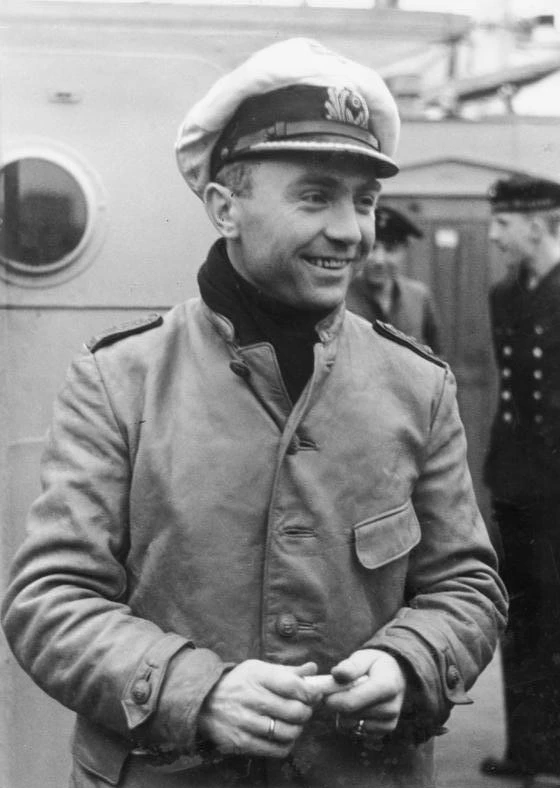
'Where is Prien?' — the fate of a hero
Berlin, October 1941: The Words of Victory
The Obersalzberg Speech
Hitler — the Reichstag Speech
Brauchitsch — Reich Chancellery, 5 November
Goering at Carinhall — the promise to Hitler
Mussolini on the Riviera — 21 June
Bulgaria: lock of the Balkans, a price to pay
Hitler After Molotov — Berlin, November 1940
Molotov in Berlin — November 12
'Where is Prien?' — the fate of a hero
Berlin, October 1941: The Words of Victory