
Mannerheim to the Ryti government — 28 February
By 27 February 1940, after the breakthrough at Lähde, Mannerheim faced the hardest decision of his career: to recommend peace or to continue resistance. The military situation was critical: - 130,000 fit Finnish soldiers on the Karelian front (out of 180,000 initially mobilised) - Ammunition: 12 days of artillery rounds remaining - Manpower reserves spent — the last contingents of seventeen-year-olds called up - Allied aid promised but blocked by Swedish and Norwegian refusal of transit - Foreign volunteers: 11,500 Swedes (SFK), 1,200 Danes, 700 Norwegians, 350 Poles (the Podhalańska Brigade in preparation), 230 French — a total of about 14,000, but partly not yet arrived
On 28 February 1940 at 14:00 Mannerheim summoned to his office in Mikkeli: (Prime Minister), (Foreign Affairs), (Defence) and (Chief of Staff). He laid before them his confidential military report: "The army can hold for another 8 to 14 days. Beyond that the isthmus falls entirely. Helsinki becomes indefensible."
The government waited for his counsel on whether to fight on.
What counsel should Mannerheim give the Ryti government?
Mannerheim counselled B. His recommendation was unambiguous: "We must seek peace now. Every day that passes makes the Soviet terms worse." Ryti, Tanner and Niukkanen accepted. On 29 February 1940 the first official message went to Moscow through Kollontay. On 6 March the delegation left for Moscow. On 12 March the Peace of Moscow was signed. Mannerheim had thus been tactically right, but his decision earned internal criticism: some officers (General Wallenius in particular) thought he ought to have attempted a last stand to draw in Allied intervention. Mannerheim would reply in his memoirs of 1952: "One does not sacrifice an army for diplomatic illusions." The Mannerheim Cross (the Finnish equivalent of the German Knight's Cross, instituted on 15 March 1940) was created to honour Finnish soldiers. Mannerheim continued to serve: he signed the armistice of 1944 as President, resigned in 1946, lived in Switzerland and died in January 1951.
Learn more about this event
Related polls
10
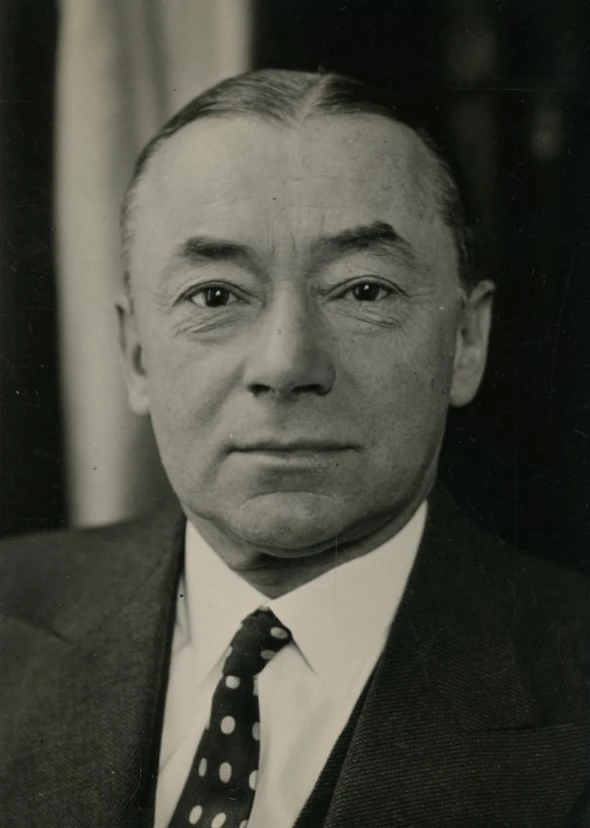
Reynaud — Matignon 21 March
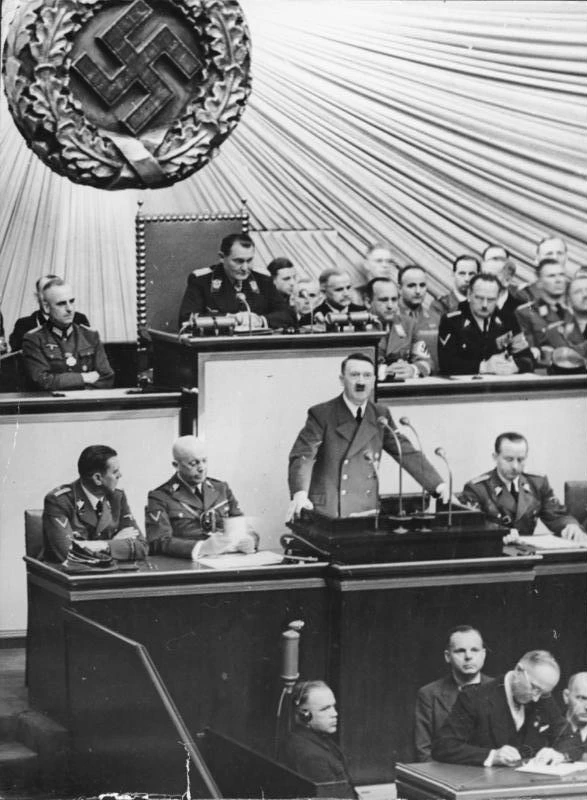
Hitler — the Reichstag Speech
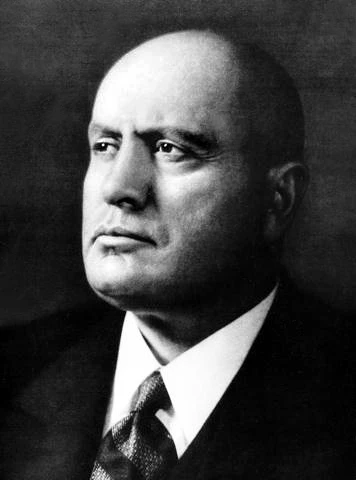
Mussolini at the Palazzo Venezia — early June
Mussolini on the Riviera — 21 June
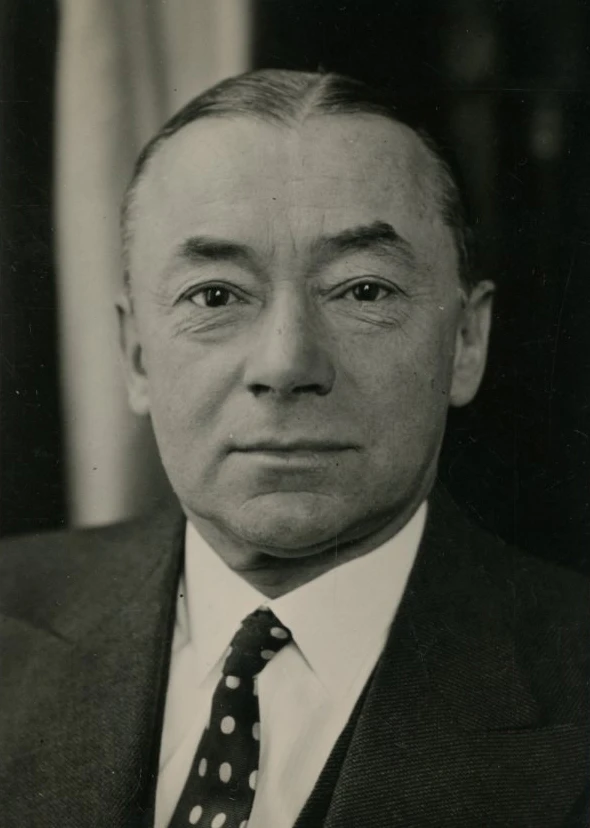
Reynaud faces the Council — Bordeaux, 16 June, 22:00
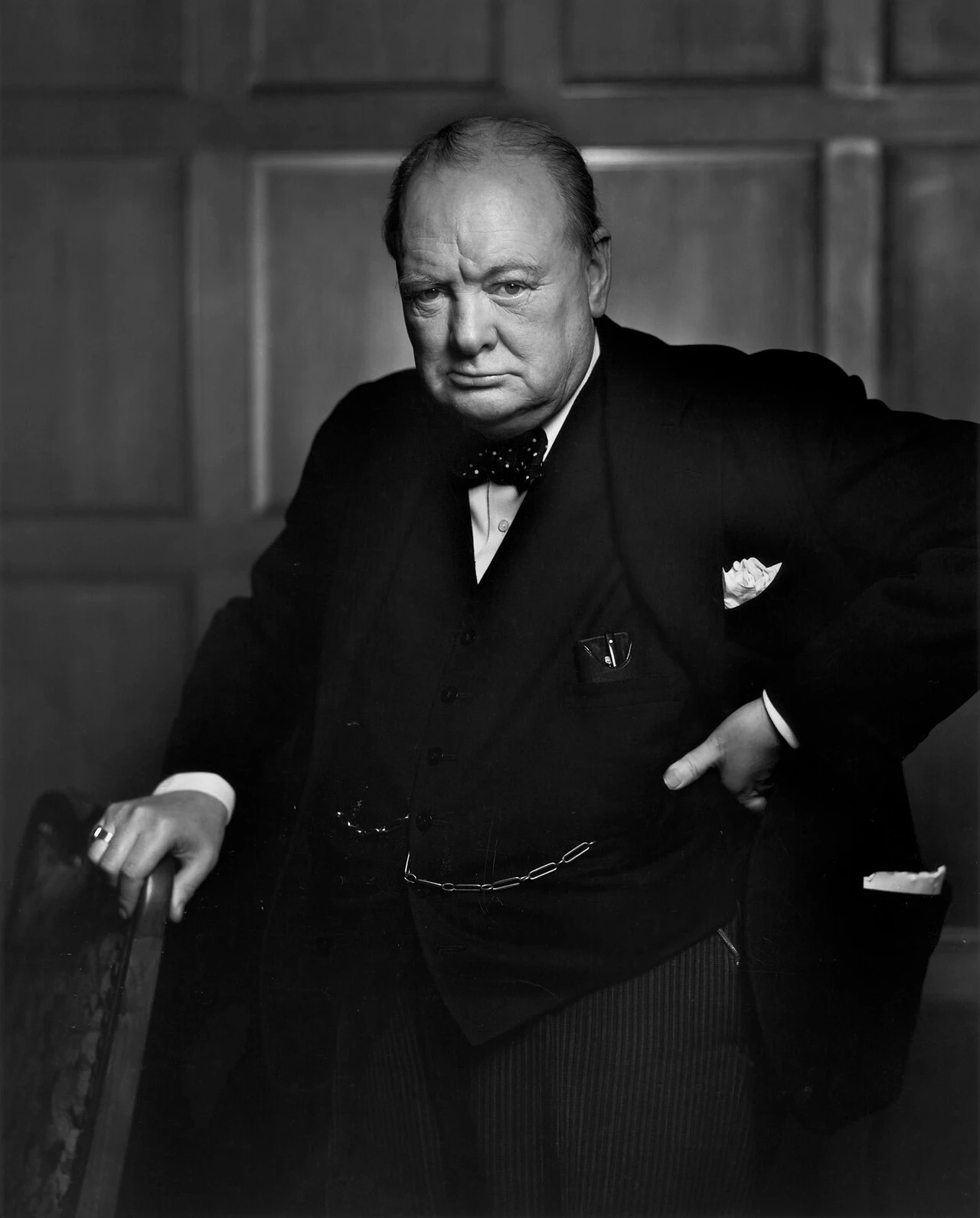
Auchinleck replaces Wavell
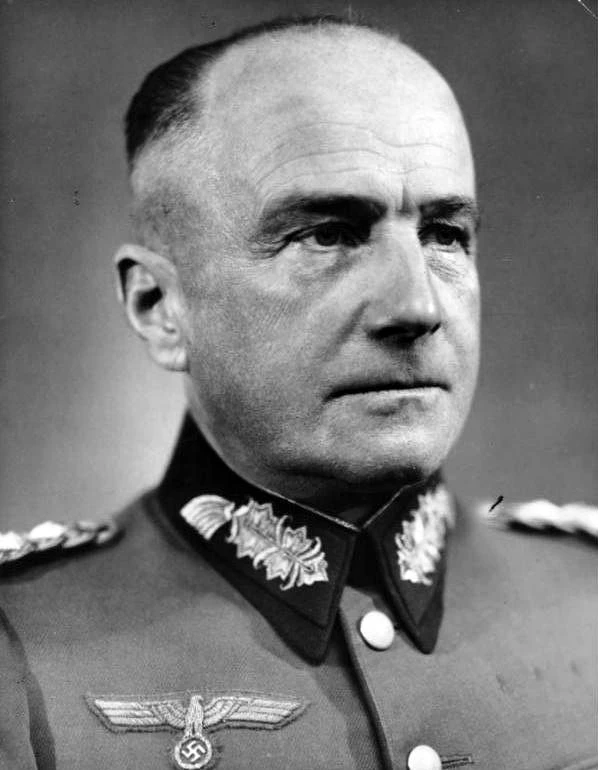
Brauchitsch — Reich Chancellery, 5 November
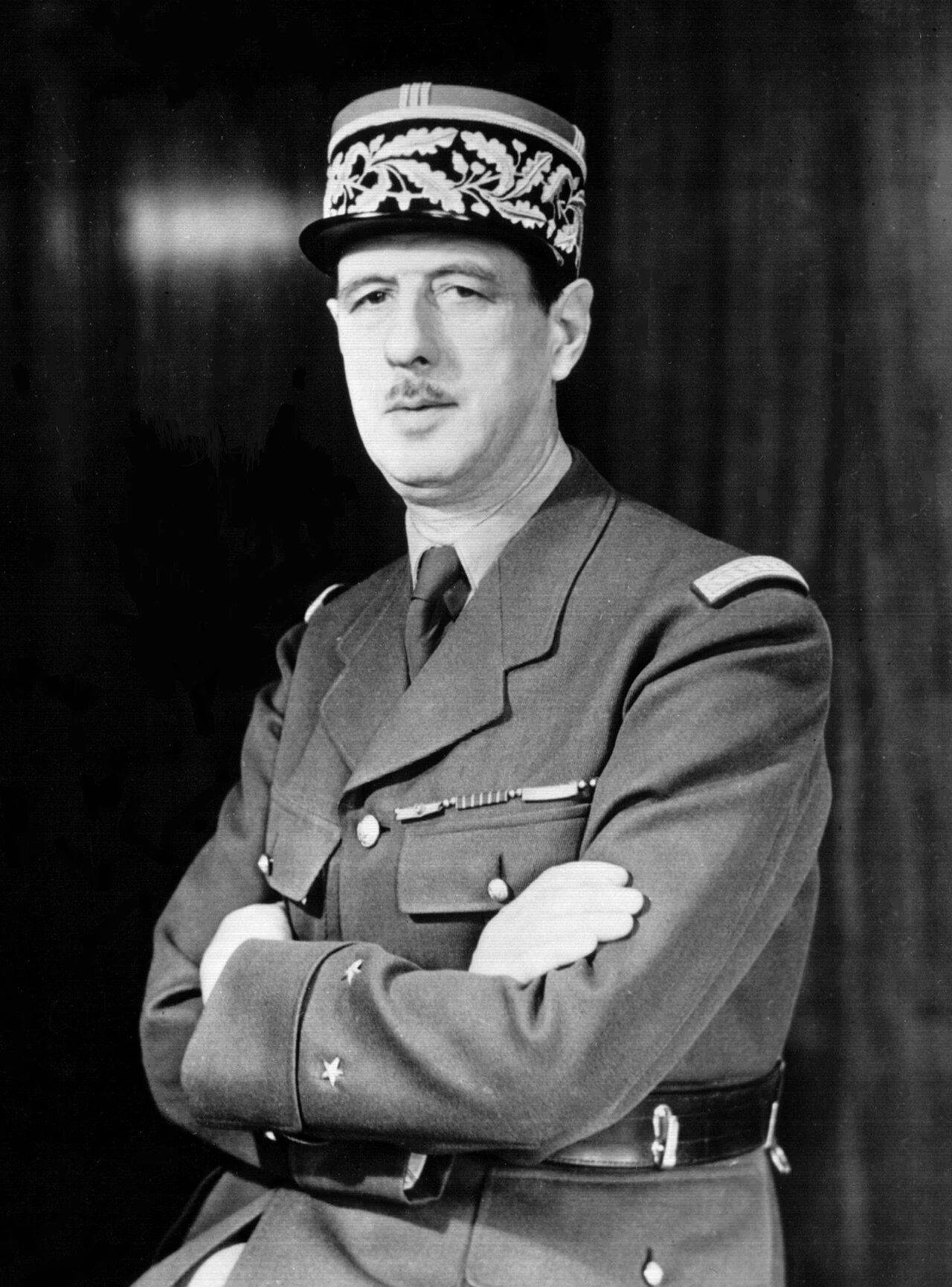
De Gaulle calls on Churchill — 9 June
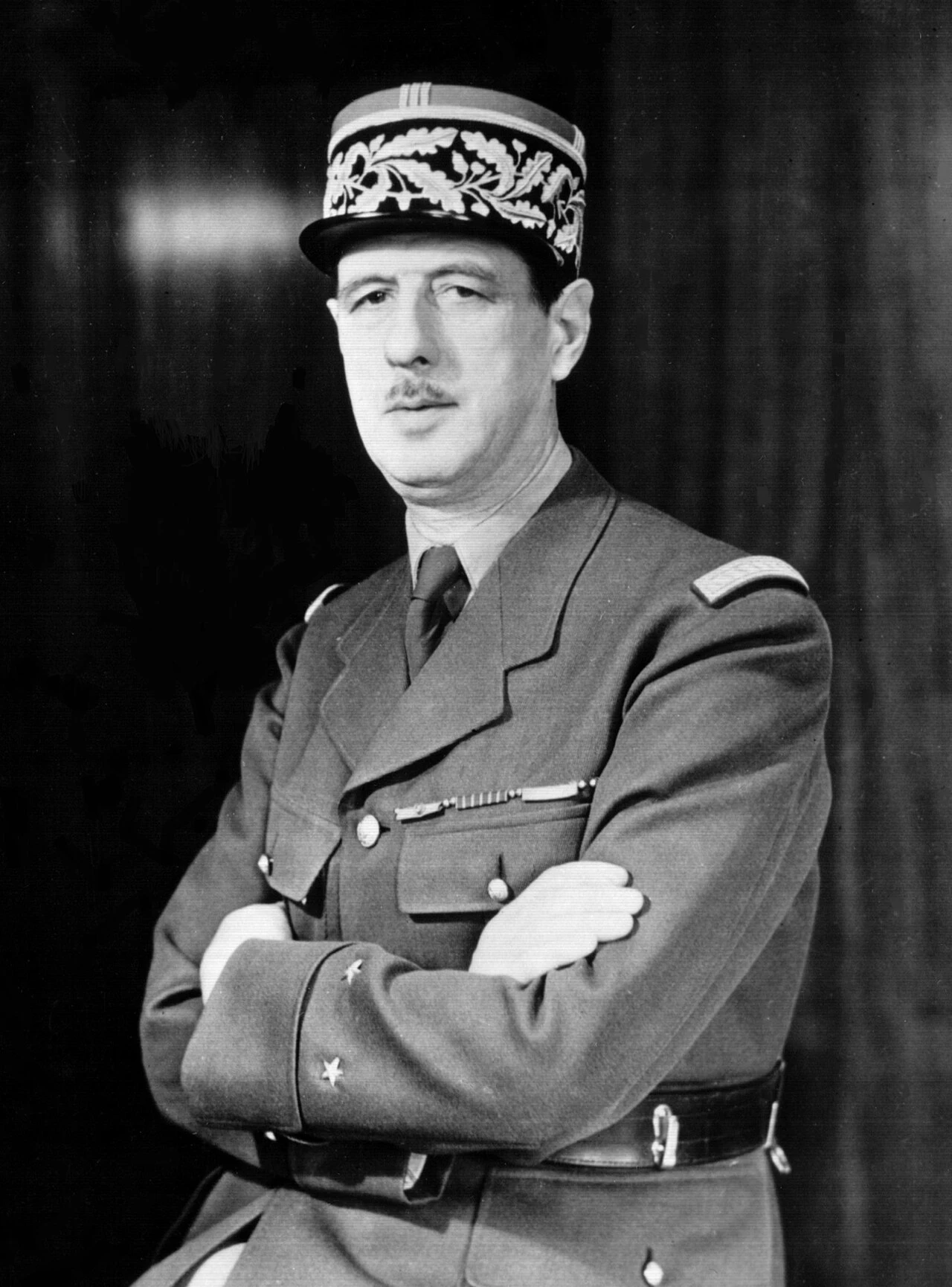
De Gaulle joins the government — 5 June
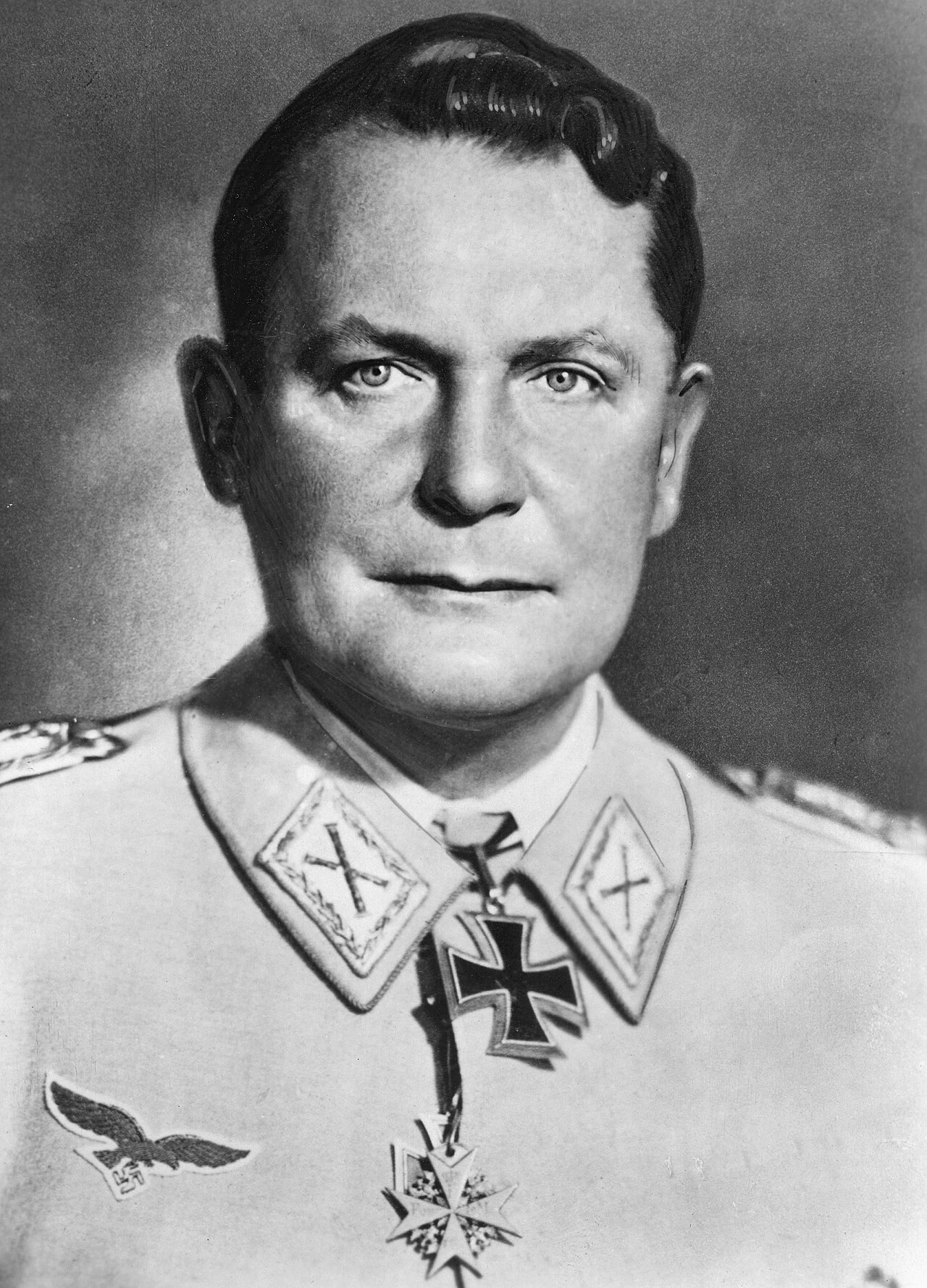
Goering at Carinhall — the promise to Hitler
Reynaud — Matignon 21 March
Hitler — the Reichstag Speech
Mussolini at the Palazzo Venezia — early June
Mussolini on the Riviera — 21 June
Reynaud faces the Council — Bordeaux, 16 June, 22:00
Auchinleck replaces Wavell
Brauchitsch — Reich Chancellery, 5 November
De Gaulle calls on Churchill — 9 June
De Gaulle joins the government — 5 June