
The coup de main on Ében-Émael
The fort of Ében-Émael, completed in 1935, was reputed to be the most modern and most powerful fortress in Europe: buried, bristling with guns, it locked the bridges of the Albert Canal, the key to the Belgian defence in the north-east. To take it by conventional means would cost weeks and thousands of men.
The Germans devised an unprecedented operation: to land, at dawn on 10 May, a detachment of engineer paratroopers directly on the roof of the fort by means of silent gliders, in order to neutralise the cupolas with shaped charges before the garrison could react. Lieutenant commanded this coup de main of extreme audacity — but of great fragility: a handful of men, without artillery, against more than a thousand defenders.
The German command could attempt this airborne coup de main by glider, staking everything on surprise. It could resort to a conventional assault by infantry and artillery, safer but slow. Or it could bypass the fort, accepting that it would remain a threat to the rear. Success or failure would determine the speed of the entry into Belgium.
Should the airborne coup de main on Ében-Émael be attempted, a conventional assault be launched, or the fort be bypassed?
The Germans chose A: at dawn on 10 May 1940, around fifty engineer paratroopers landed by glider on the roof of Ében-Émael and neutralised its main cupolas with shaped charges within minutes, paralysing the fortress. The garrison, stunned and cut off from command, surrendered the next day. This coup de main, one of the most spectacular of the war, opened the bridges of the Albert Canal and precipitated the collapse of the first Belgian line. It revealed to the world the power of airborne forces and shaped charges, and lastingly inspired assault-troop doctrine. The fortress reputed impregnable had fallen in a single day.
Learn more about this event
Related polls
10
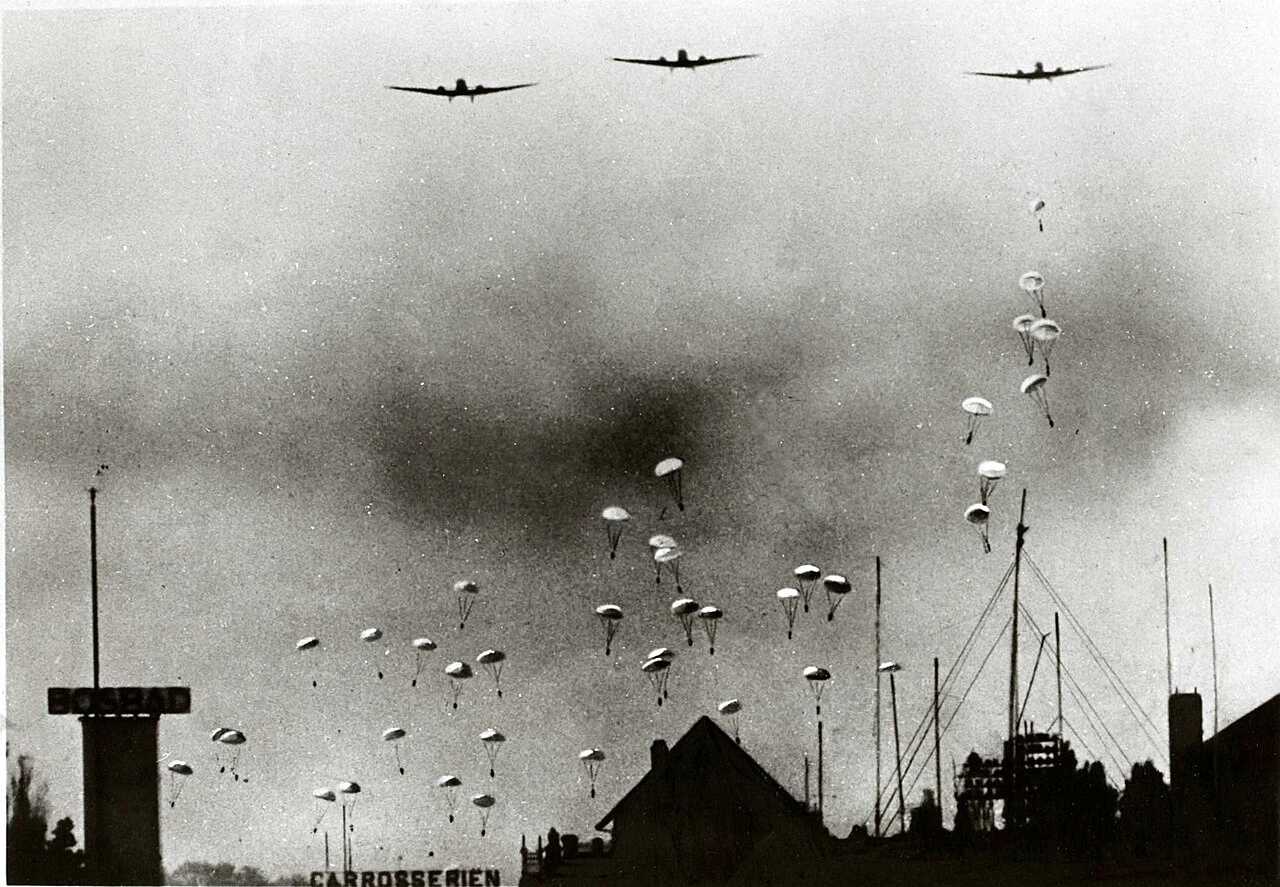
The paratroopers on The Hague
Valkenburg — paras on a grass strip
Ypenburg — German paras outside The Hague
Fornebu — the transports under fire
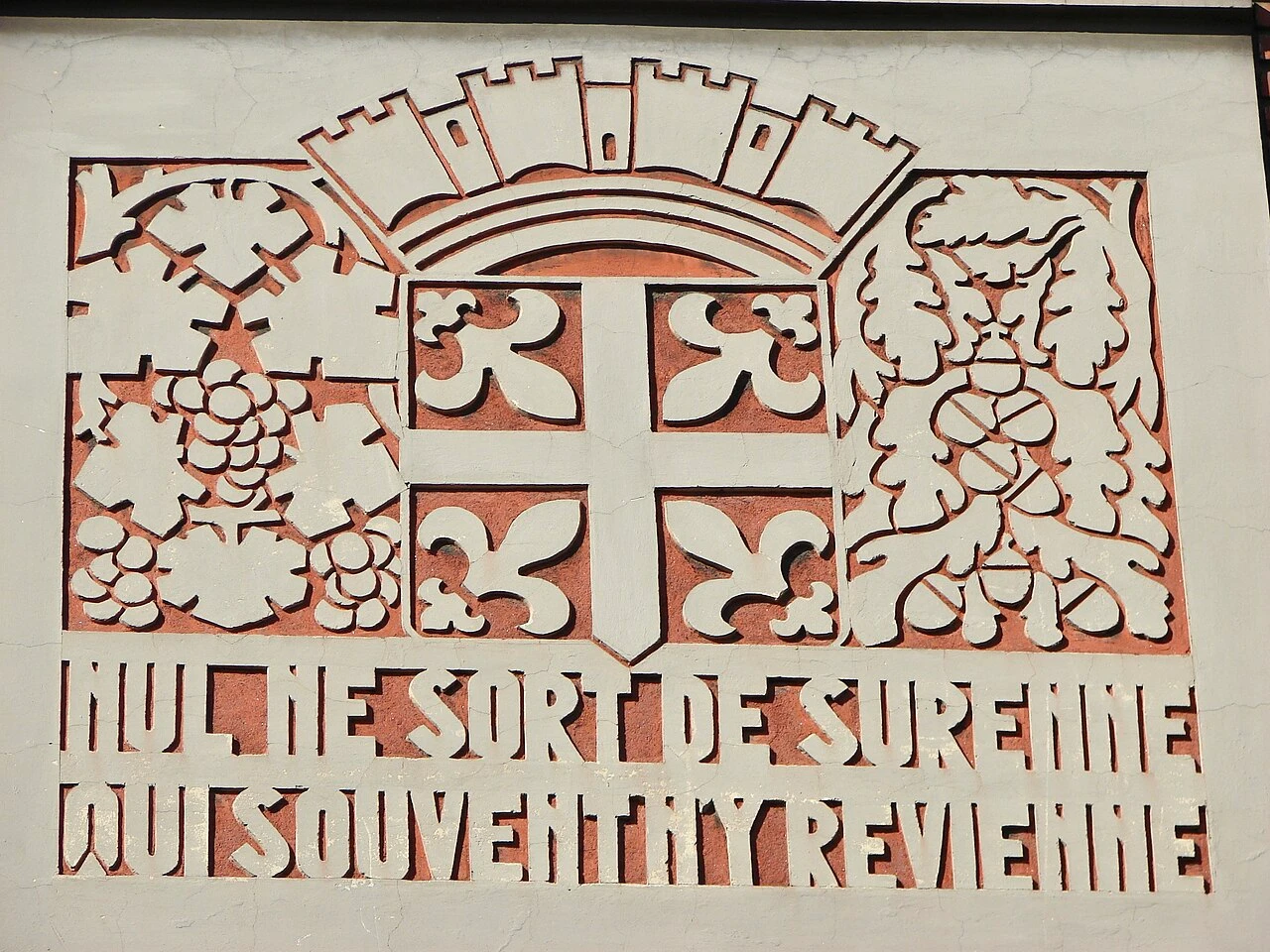
The Houx weir
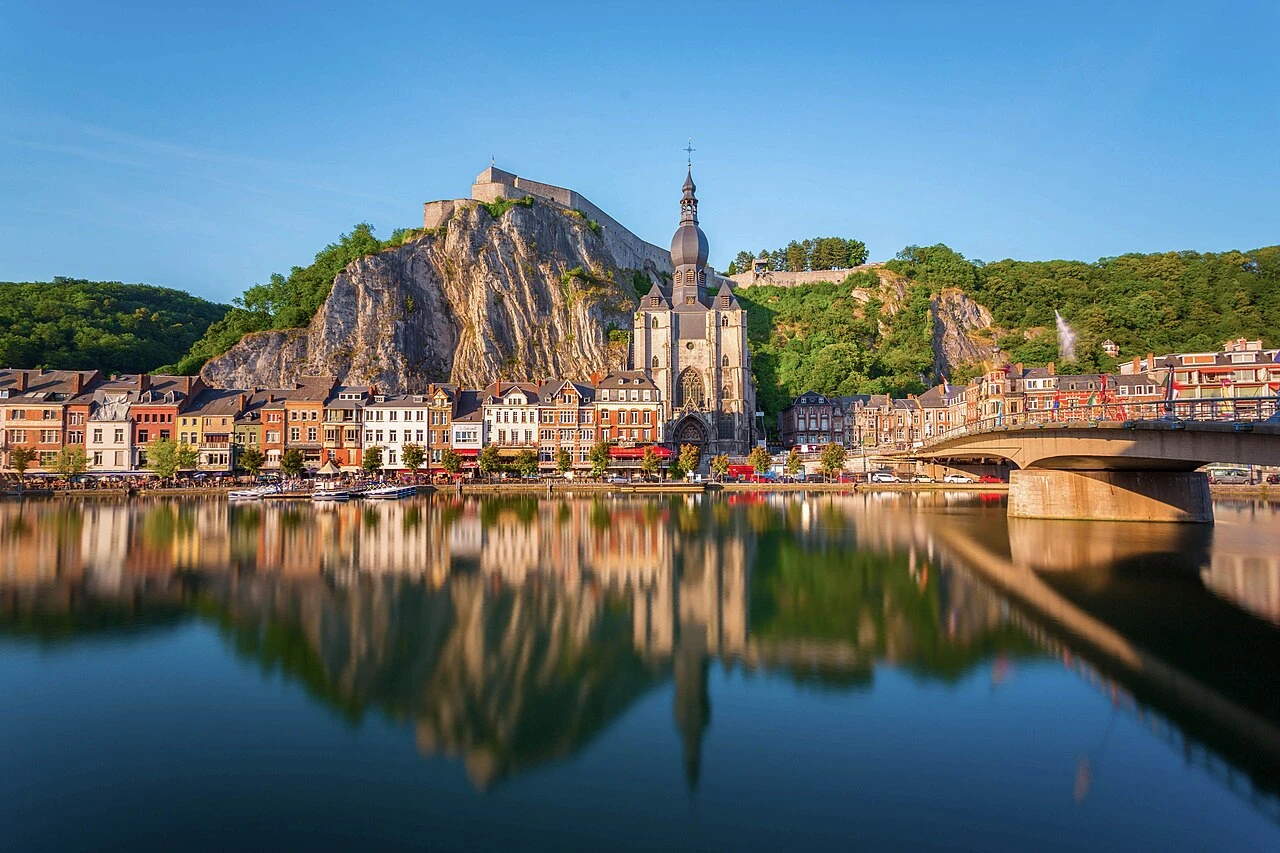
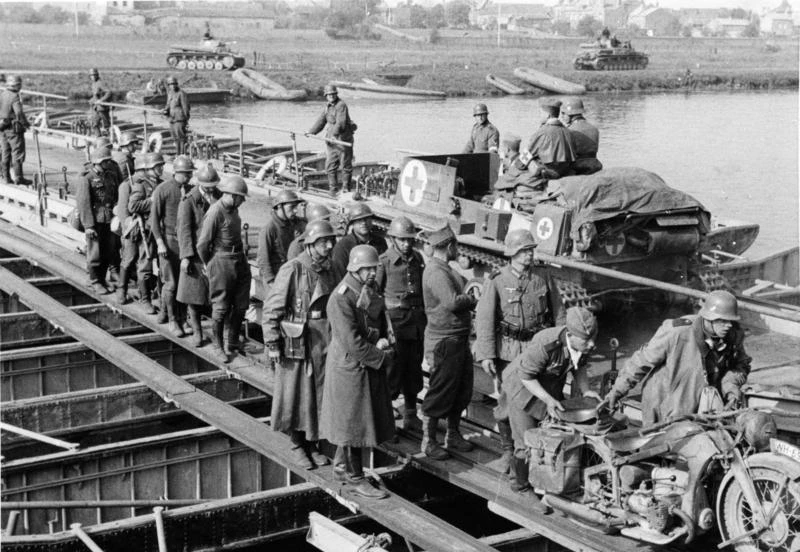
The crossing of the Meuse at Dinant
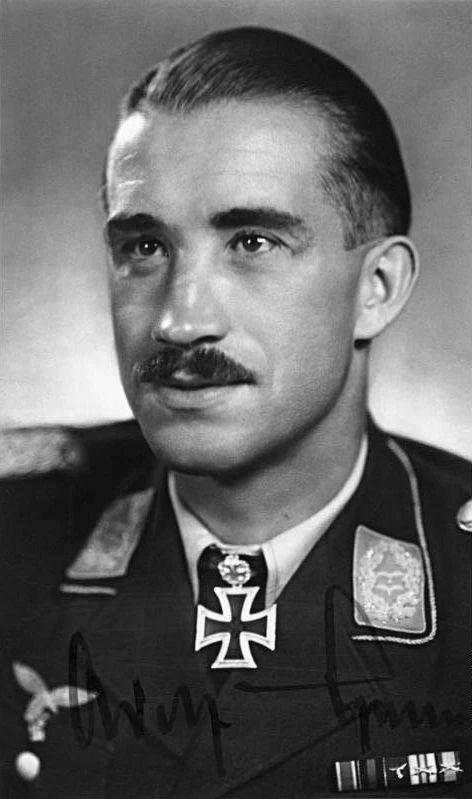
Galland over the Estuary
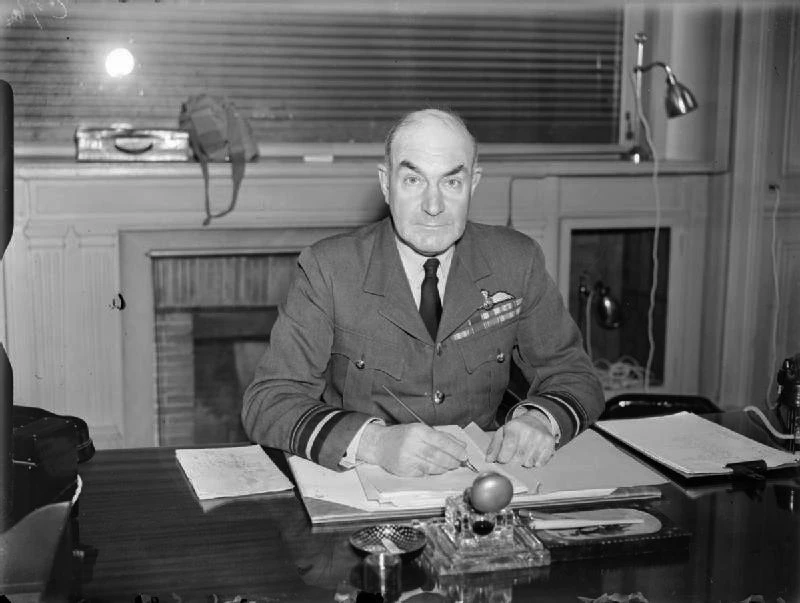
The bridges of Maastricht — the sacrifice of the Battles
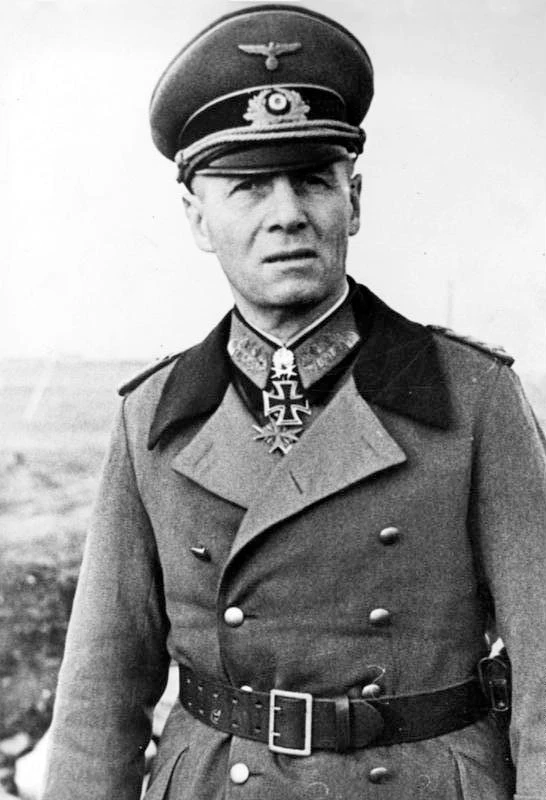
Rommel before the Meuse — Dinant, 13 May
The deluge of Stukas over Sedan
The paratroopers on The Hague
Valkenburg — paras on a grass strip
Ypenburg — German paras outside The Hague
Fornebu — the transports under fire
The Houx weir
The crossing of the Meuse at Dinant
Galland over the Estuary
The bridges of Maastricht — the sacrifice of the Battles
Rommel before the Meuse — Dinant, 13 May