
The Manstein plan adopted
At the start of 1940, the plan for the offensive in the West ("Fall Gelb") remained, in its first version, a variant of the 1914 attack: the main effort came through the plain of Belgium. Many generals judged it predictable and not decisive. General , chief of staff of , defended a bold and risky idea: to direct the main effort through the Ardennes, a wooded massif reputed impassable for armour, in order to break through at Sedan and drive towards the Channel, taking from the rear the Allied armies that had entered Belgium.
Manstein's plan ("Sichelschnitt", the sickle cut) was brilliant but perilous: should the armour become bogged down in the Ardennes, or should the Allies react quickly, it would be a catastrophe. The cautious hierarchy hesitated to overturn its plans for so hazardous a gamble.
The high command had to decide. To adopt the Manstein plan and its Ardennes gamble. To keep the classic plan through Belgium, safer but without the element of surprise. Or to seek a compromise distributing the effort. The arbitration would rise to the very summit of the Reich, where the decision would be settled. Which option should the OKH choose?
Should the German command adopt Manstein's Ardennes gamble, keep the classic plan, or split the difference?
The command chose A: after Manstein had set out his views to Hitler in February 1940, the "Sichelschnitt" was adopted. The main effort was directed at the Ardennes, with the concentration of the armoured divisions under Guderian and Kleist. The gamble, judged mad by many, would prove devastatingly effective: the breakthrough at Sedan on 13 May would catch the Allies completely off balance, their best forces having advanced into Belgium. The adoption of the Manstein plan is arguably the most consequential decision of the Western campaign: it transformed an expected offensive into one of the fastest victories in military history.
Learn more about this event
Related polls
10
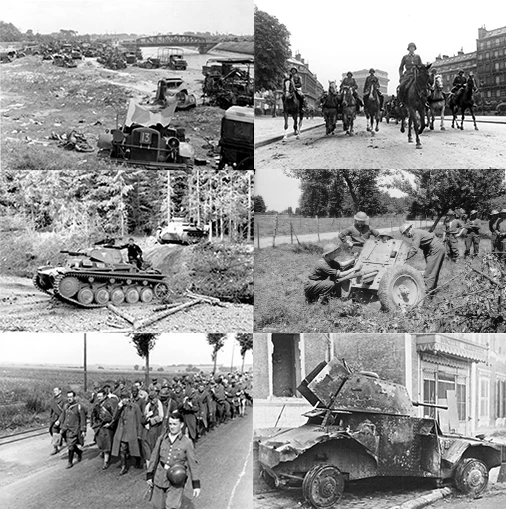
Fall Gelb — the order of 9 May 20:00
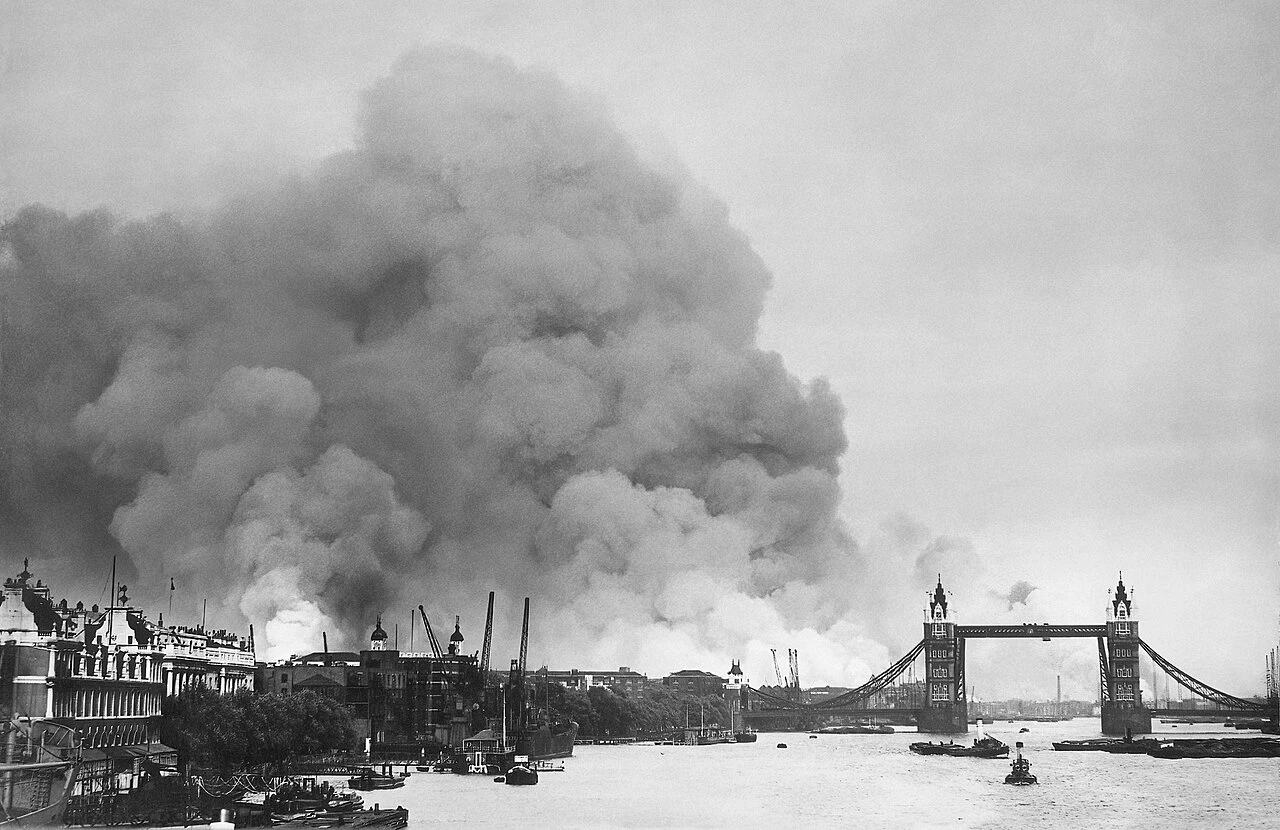
Adlertag — which targets?
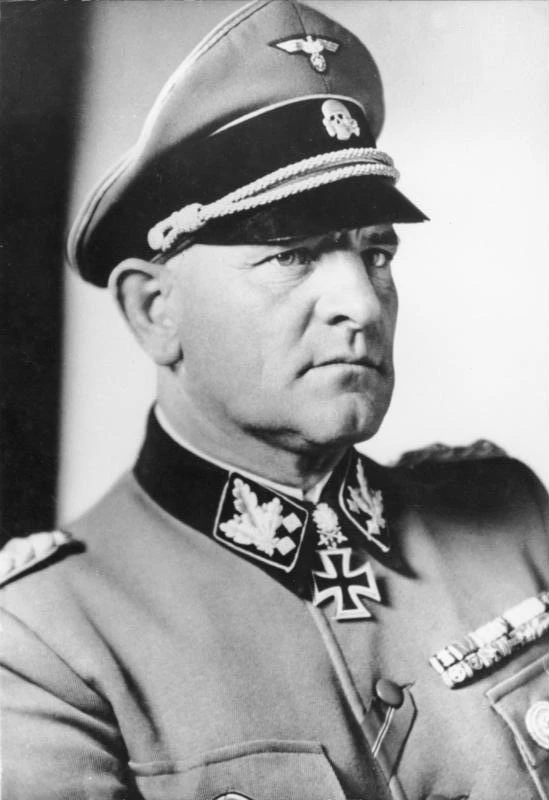
Hitler signs the Barbarossa directive
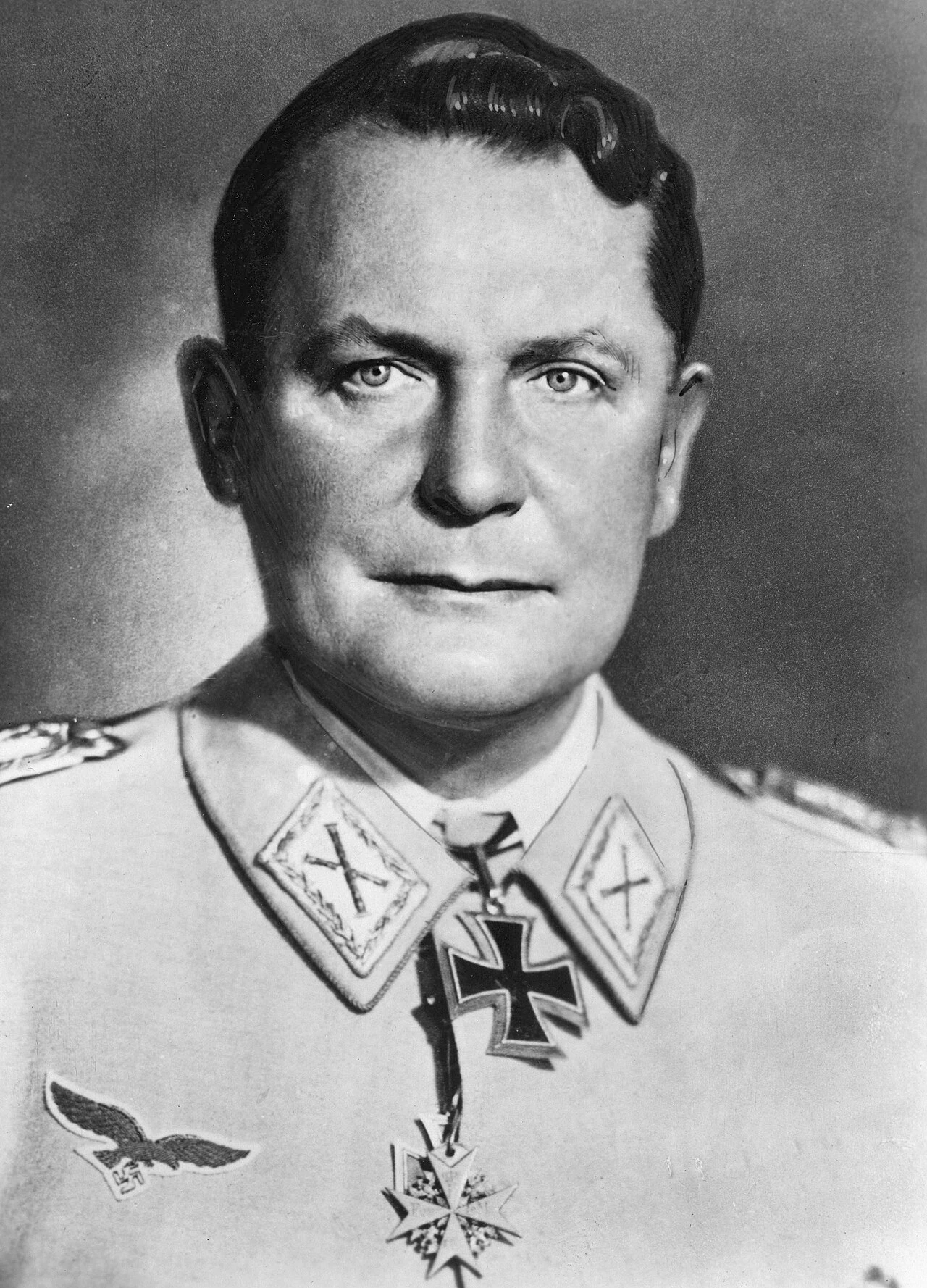
Göring's promise — Operation Adler
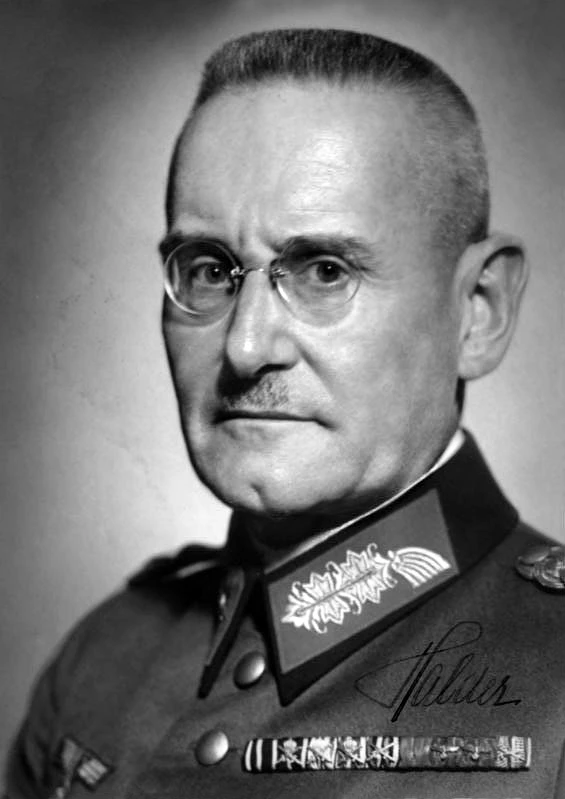
Which heart to strike in the East?
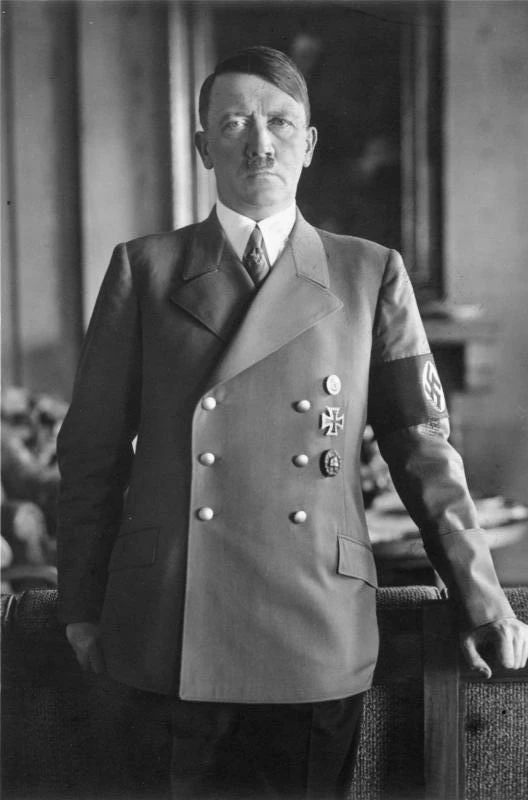
Saving an ally bogged down in the mountains
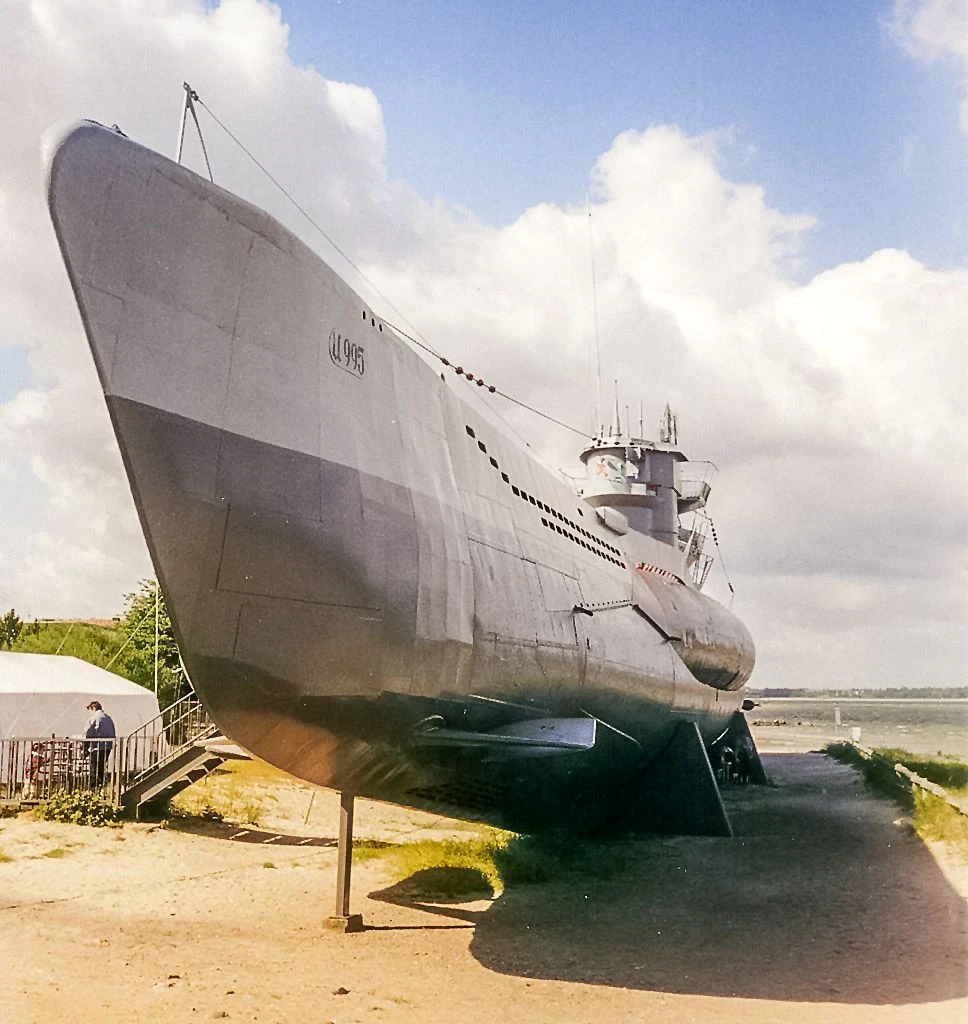
Dönitz at Sengwarden — the winter pause
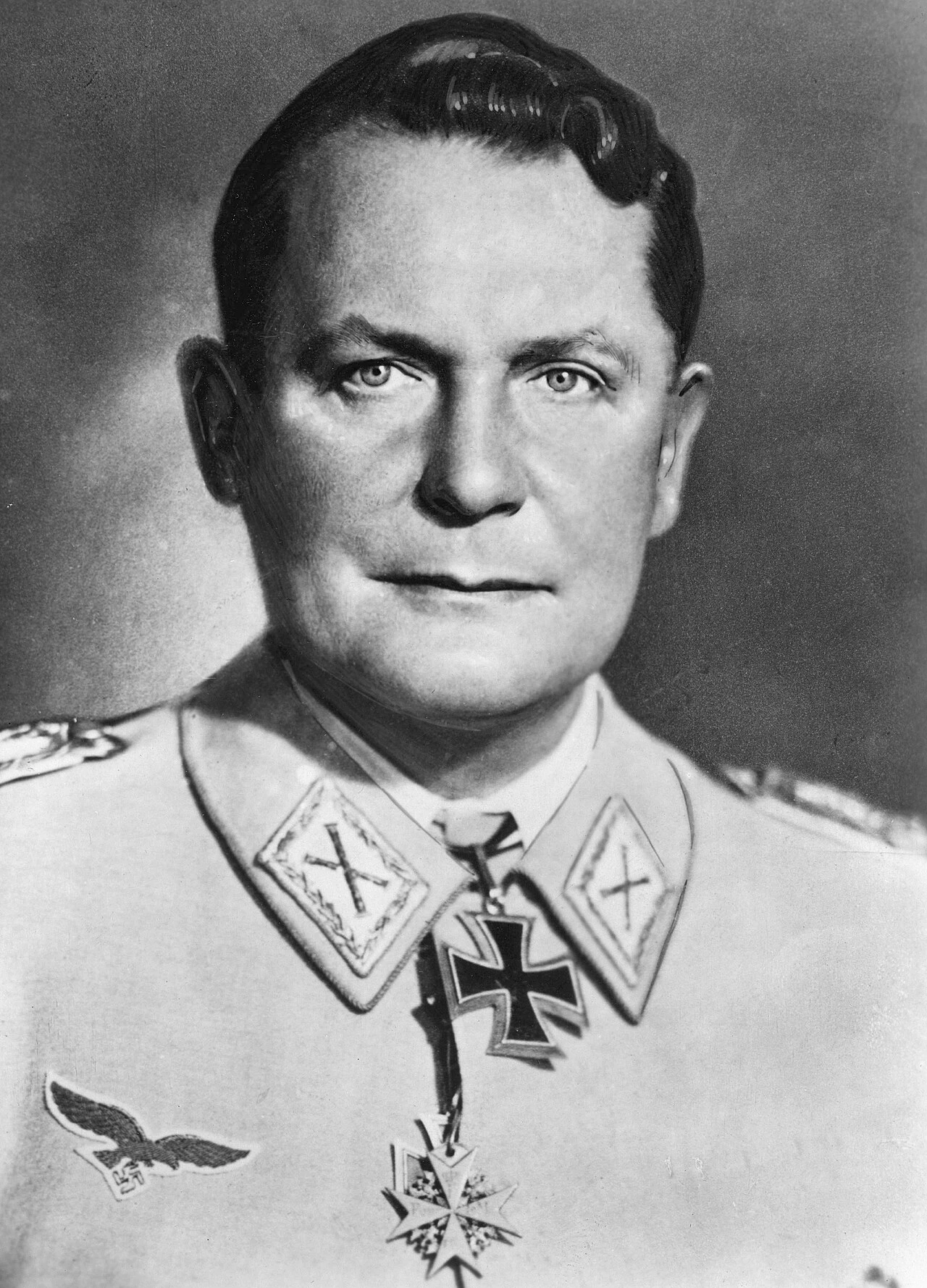
Göring at Cap Gris-Nez — September 7
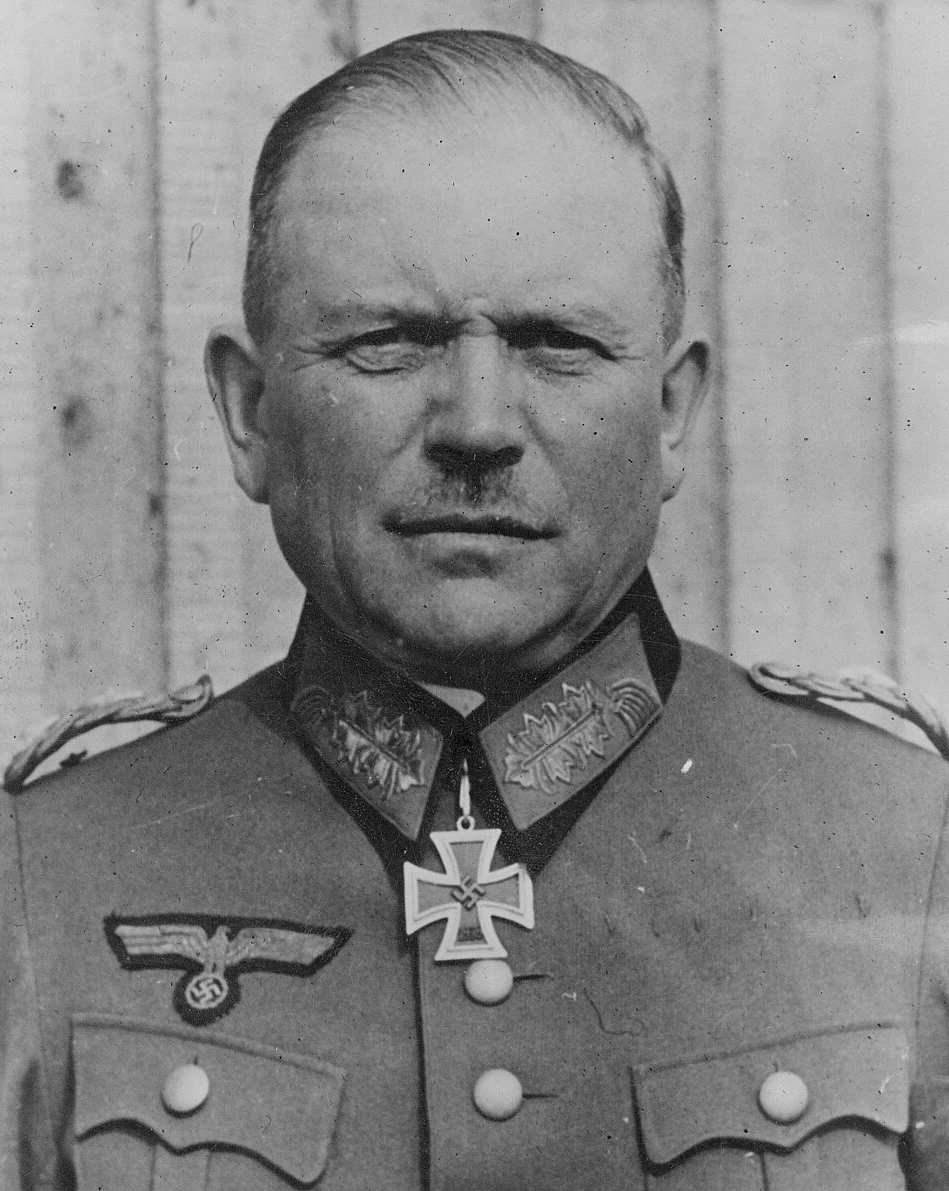
The Mud, the Winter and the Road to Moscow
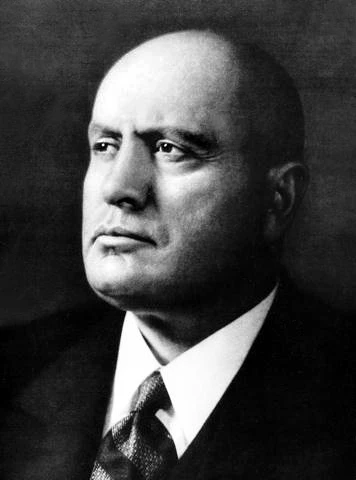
Mussolini, the Duce and the "Fait Accompli" — Rome, 15 October 1940
Fall Gelb — the order of 9 May 20:00
Adlertag — which targets?
Hitler signs the Barbarossa directive
Göring's promise — Operation Adler
Which heart to strike in the East?
Saving an ally bogged down in the mountains
Dönitz at Sengwarden — the winter pause
Göring at Cap Gris-Nez — September 7
The Mud, the Winter and the Road to Moscow