
The Belgrade schoolteacher under the occupation
In the autumn of 1941, Belgrade has been under German occupation since the invasion of April. Serbia forms the Territory of the Military Commander in Serbia; on 29 August 1941, the Germans install there the Government of National Salvation of General , tasked with restoring order and combating the insurrection of Mihailović's Chetniks and Tito's Partisans. The repression is appalling: in October, General Böhme applies a quota of 100 hostages shot for every German soldier killed, hence the massacres of Kraljevo and Kragujevac, where entire classes of secondary-school pupils and their teachers perish.
The regime intends to take the youth in hand. The Minister of Education , of Ljotić's fascist Zbor movement, recasts the schools: a return to a four-year primary cycle, curricula reoriented towards the Orthodox religion, the Serbian language and history, and rural values, under the banner of a militant anti-communism and the idea of obnova, national renewal.
For the teacher, resuming classes means serving as an auxiliary to this enterprise of indoctrination. The teaching staff is kept under surveillance, required to show loyalty and gradually purged: teachers suspected of communist sympathies are removed. Many are torn between feeding their family, instructing the children all the same, and refusing to endorse the regime's propaganda.
When the schools reopen under the Nedić regime, should this Belgrade teacher take up his post again, refuse to teach, or move into the clandestine resistance?
Under the Nedić regime, the great majority of Serbian teachers took up their posts again when the schools reopened, out of material necessity and to keep instructing the children, while making the best they could of a curriculum of national obnova imposed by Minister (the primary cycle reduced to four years, religious and national education, anti-communism). The teaching staff was closely watched, subjected to loyalty requirements, and gradually purged of those deemed communist or recalcitrant: the regime removed thousands of educators. A minority joined or helped the resistance; others were dismissed or withdrew. There is no documented individual fate to single out: the collective experience was one of constrained compromise under an occupation marked, from October 1941, by mass reprisals (Kraljevo, Kragujevac).
Learn more about this event
Related polls
10
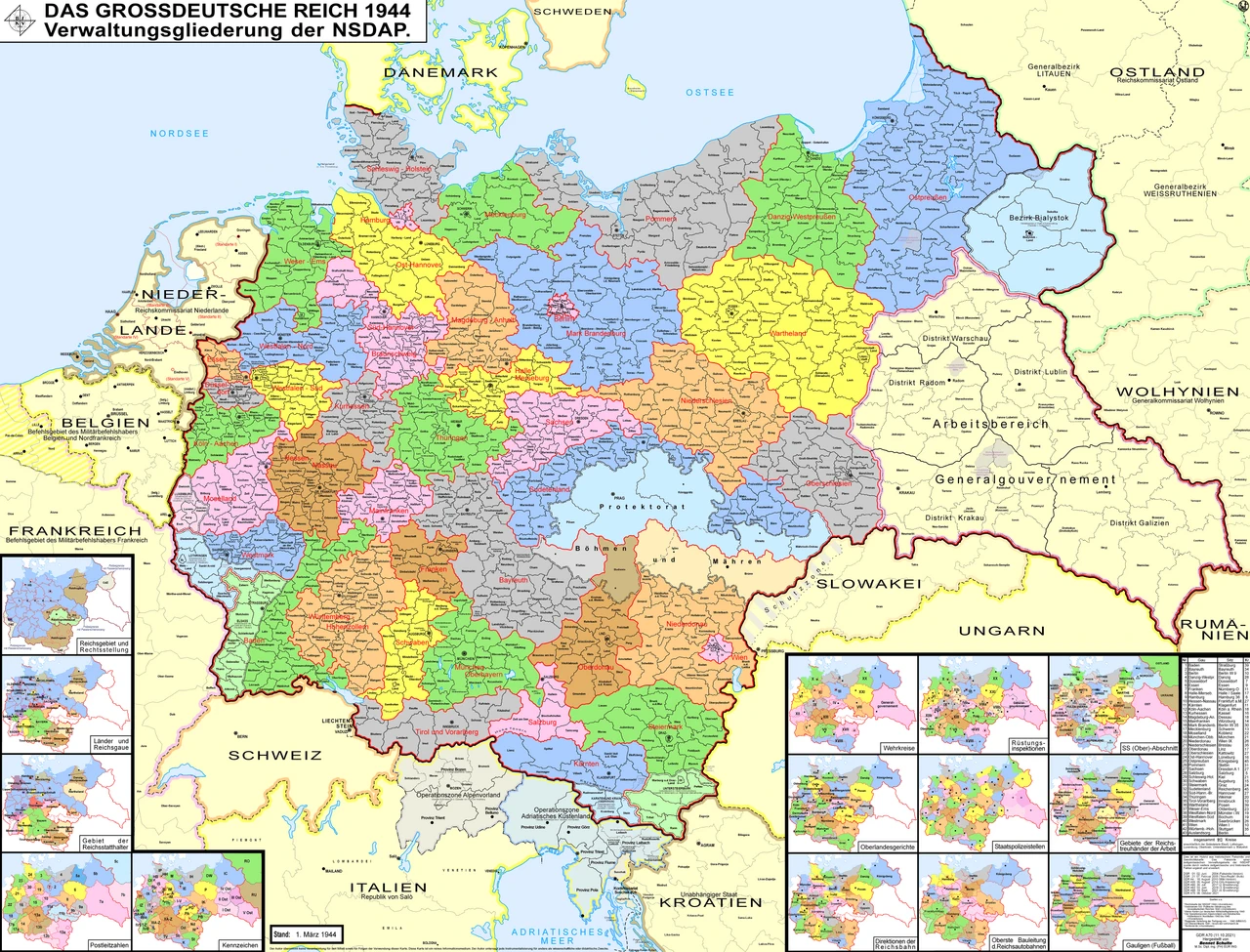
A Schoolteacher of Poznań under the Wartheland
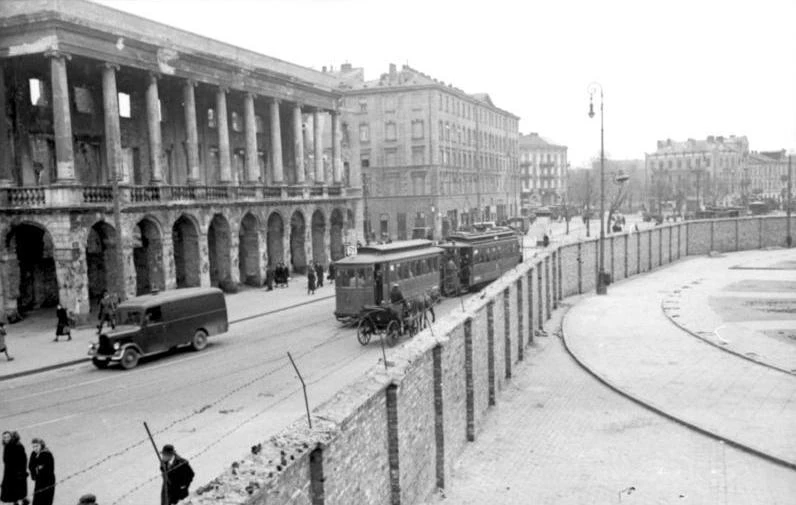
Clandestine teaching in the Warsaw Ghetto
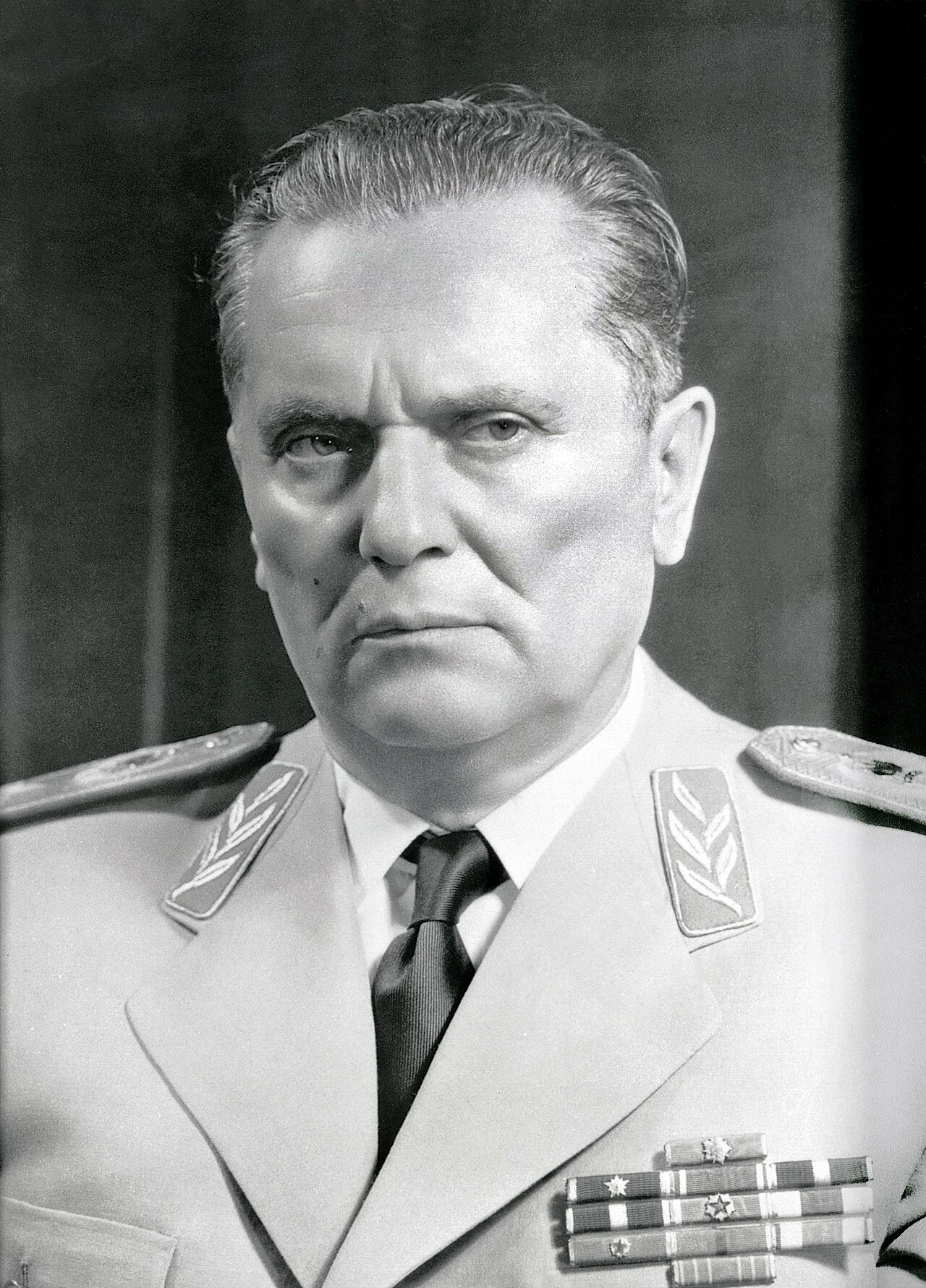
Tito — the call to insurrection
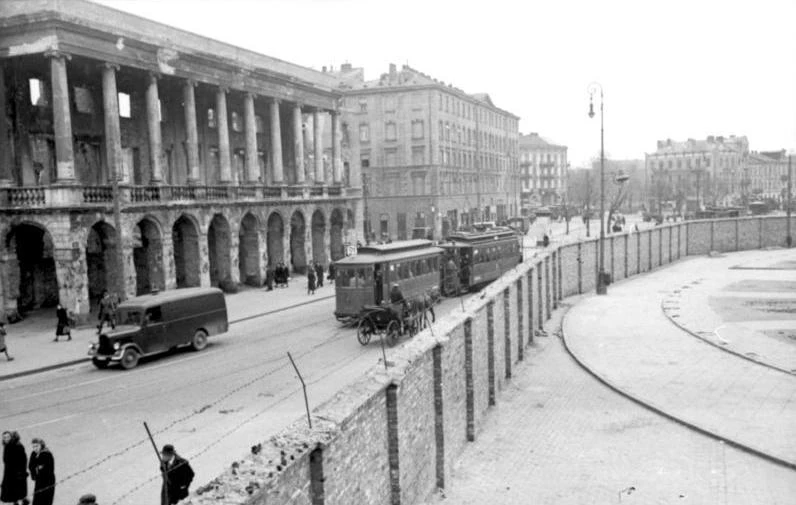
Studying in the Warsaw Ghetto
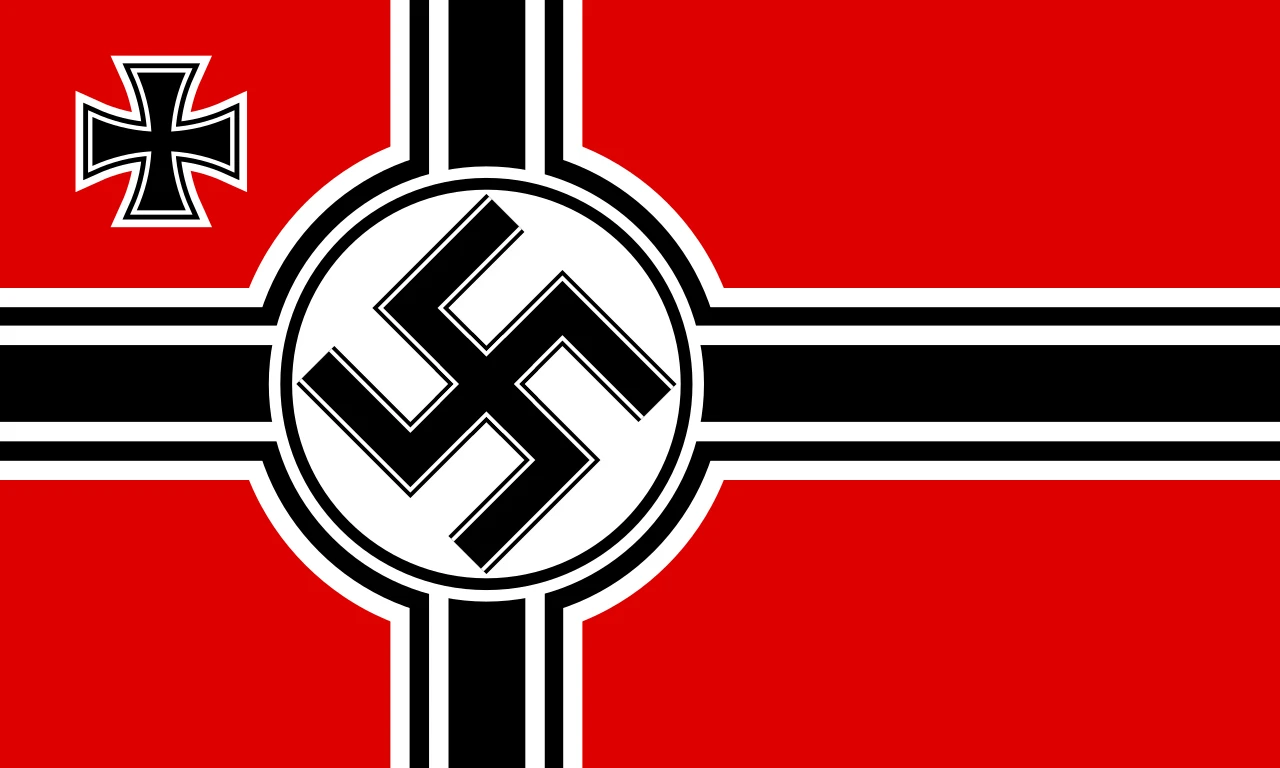
The Parisian concierge facing informing under the Occupation
Oslo, September 1941: The Milk Strike
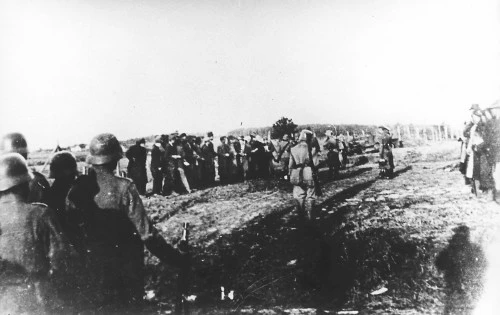
Denouncing the partisans under the terror of reprisals in Serbia
Campine Coal and the Hunger of Year One
British rationing put to the test in 1941
Cambridge, 1939: The Evacuated LSE Student and Conscription
A Schoolteacher of Poznań under the Wartheland
Clandestine teaching in the Warsaw Ghetto
Tito — the call to insurrection
Studying in the Warsaw Ghetto
The Parisian concierge facing informing under the Occupation
Oslo, September 1941: The Milk Strike
Denouncing the partisans under the terror of reprisals in Serbia
Campine Coal and the Hunger of Year One
British rationing put to the test in 1941