
At the Gates of Moscow, in the November Frost
Mid-November 1941. The ground, hardened by the first frosts, finally replaces the mud of the rasputitsa that, since October, had bogged down trucks, horses and guns on the road to Moscow. For the German command, this frost is almost a deliverance: the tracks become passable again and Operation Typhoon can resume its drive toward the Soviet capital, now barely a few dozen kilometers away. You serve in the 4th Army, somewhere beyond Mozhaysk, where the vanguards have closed in on the great city.
But the cold that frees the roads also bites into bodies. Convinced that the campaign would be over before autumn, the high command made no provision for winter equipment: no fur-lined greatcoats, no suitable boots, no antifreeze grease. The men shiver in their summer uniforms, frostbite spreads, and the metal of the weapons sticks to bare skin. In the early morning, the breechblocks seize up, the engines refuse to start, the oil congeals. The troops are worn out by weeks of marching and fighting, the losses mount, and the surrounding villages, half emptied, offer wooden izbas where a stove sometimes still burns.
Around you, every man weighs what strength remains. Press on toward the objective the orders still designate, or conserve yourself against the Russian winter that is now setting in for good. The hour of decision draws near.
At the freezing dawn, on the road to Moscow, what do you decide?
In keeping with orders, the offensive was pressed in late November and early December 1941 right up to the immediate outskirts of Moscow: forward elements of Army Group Centre reached Krasnaya Polyana and the Moscow-Volga Canal, some thirty kilometers from the Kremlin, with some observing the capital's bell towers through binoculars. But Typhoon bogged down, utterly spent. Temperatures plunged to -30 °C and below, causing more than 130,000 cases of frostbite on the German side over the winter, while tanks and weapons froze. On 5-6 December, Zhukov launched a vast counteroffensive with fresh divisions brought from Siberia, driving the Wehrmacht back 100 to 250 km and inflicting on it the first major land defeat of the war.
Learn more about this event
Related polls
10
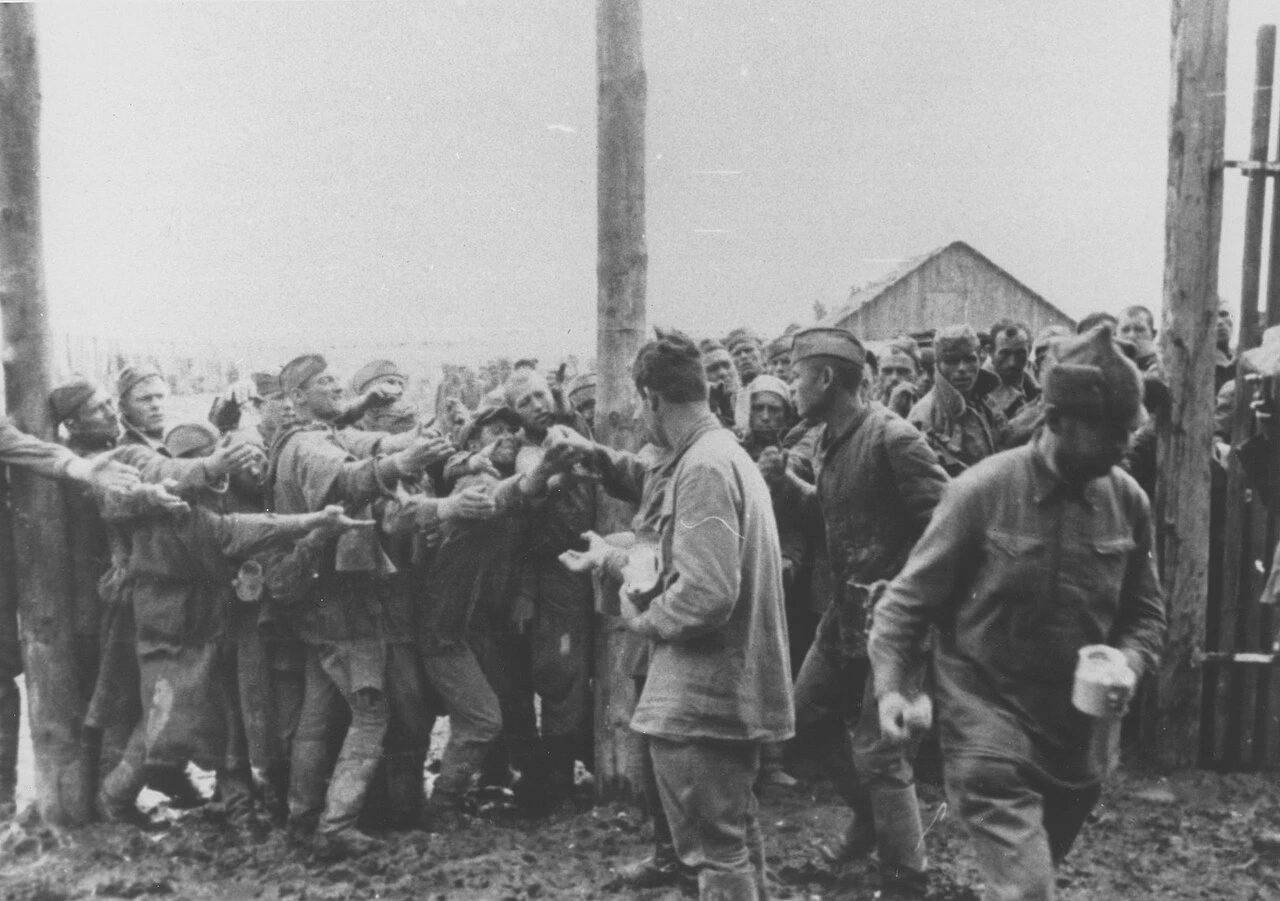
The Commissar Order
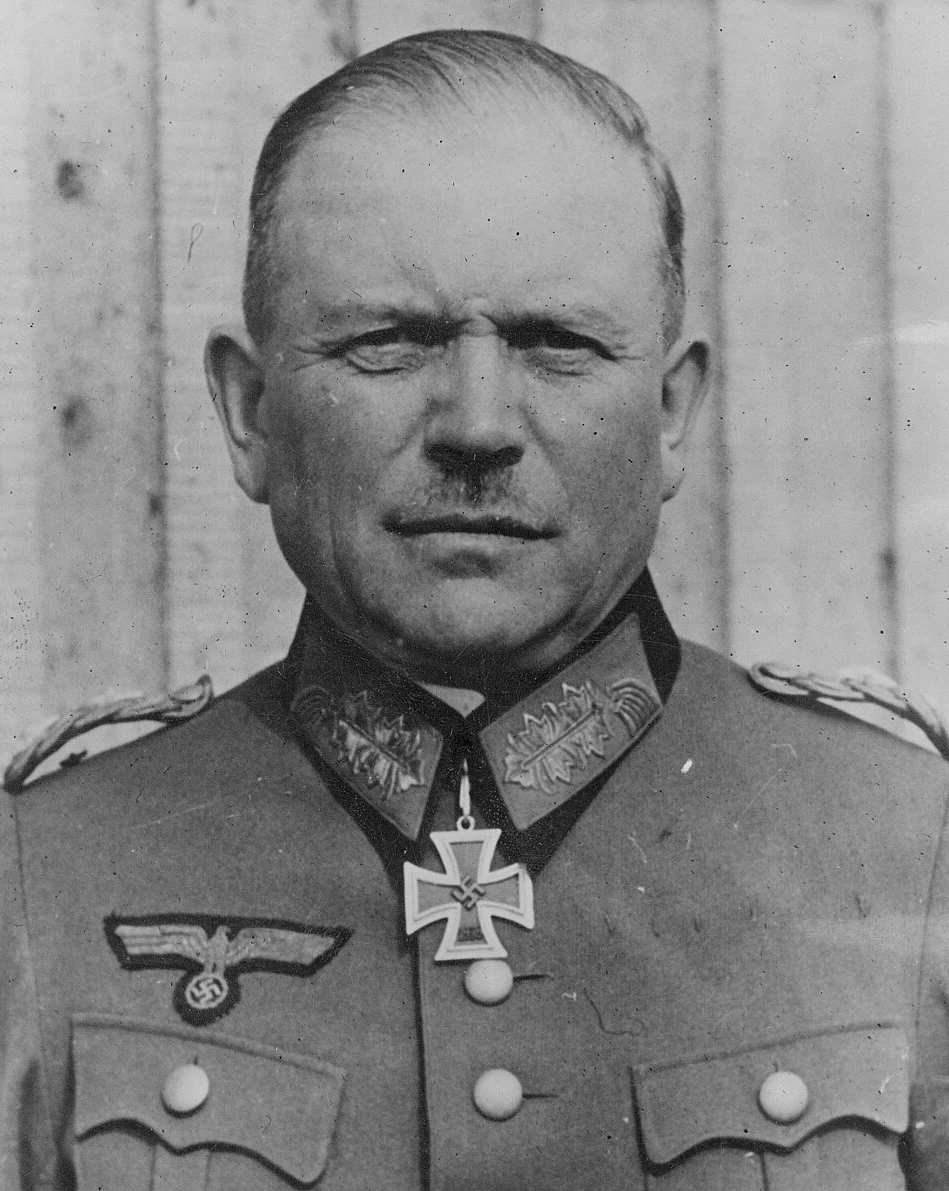
The Mud, the Winter and the Road to Moscow
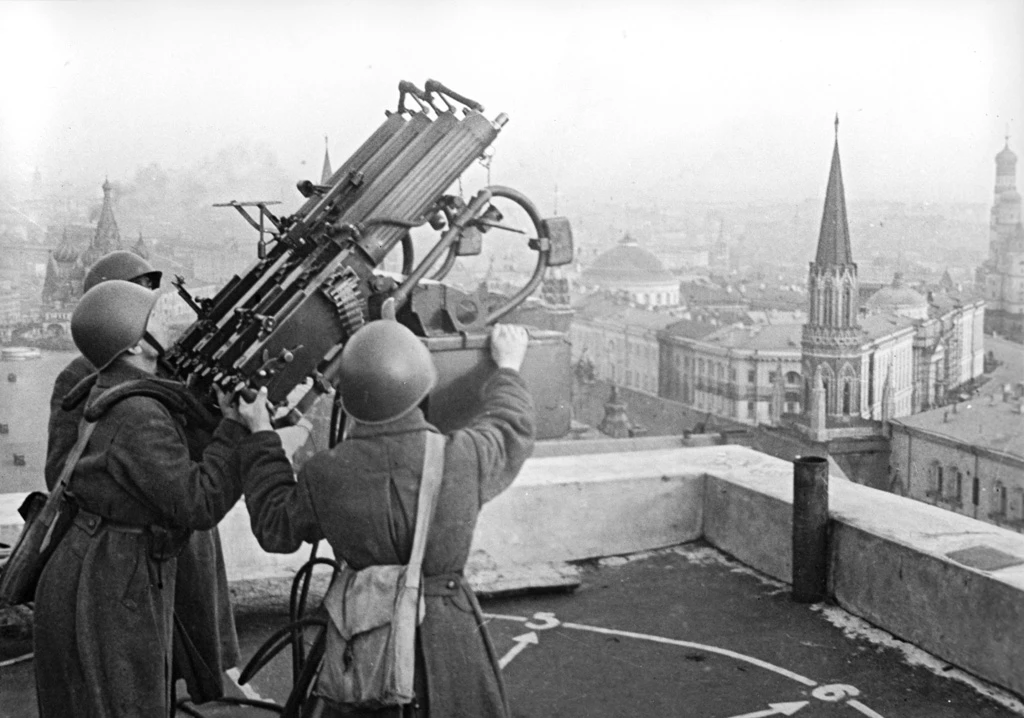
Vyazma, October 1941: the militia faces the onslaught
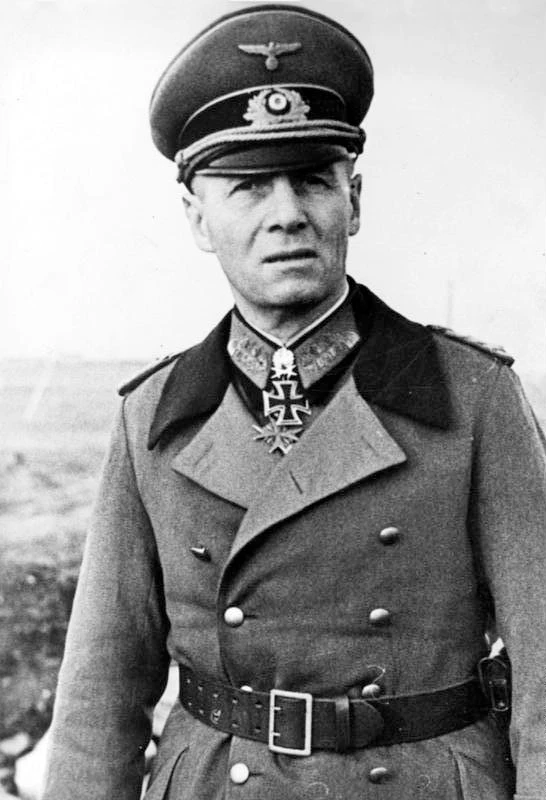
The dash to the wire: Rommel's gamble on the frontier
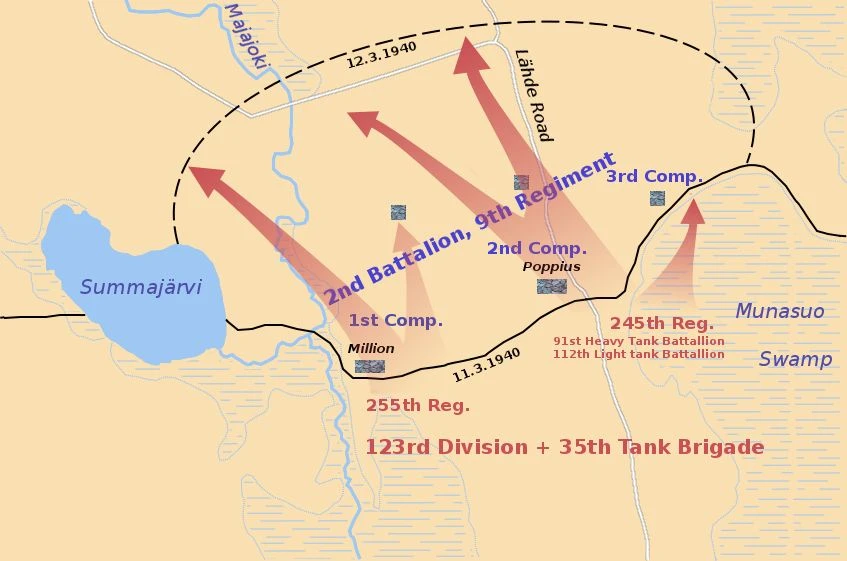
Lähde — Yakovlev against the Mannerheim bolt
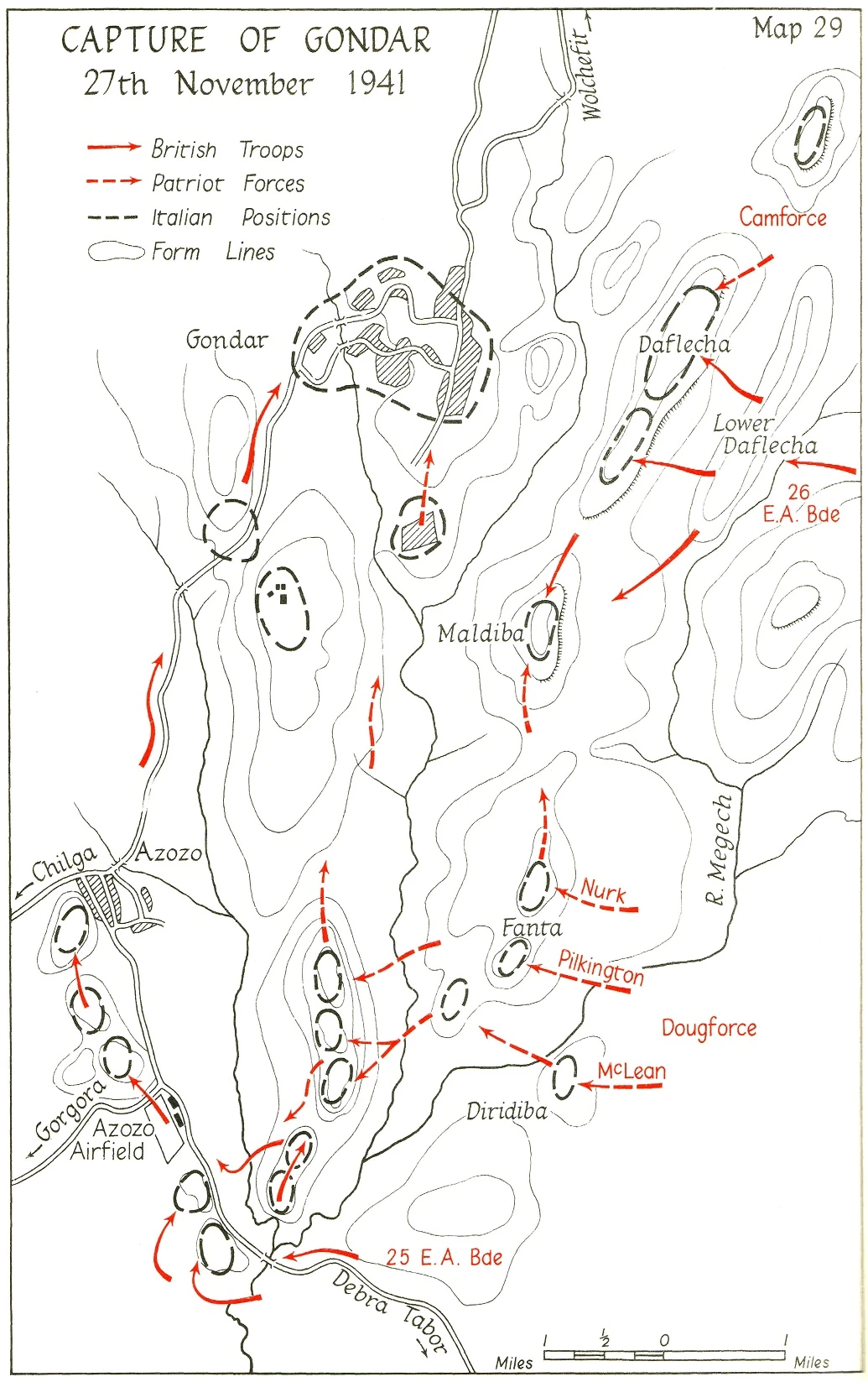
The Last Redoubt at Gondar
Perekop: the Iron Gate of Crimea
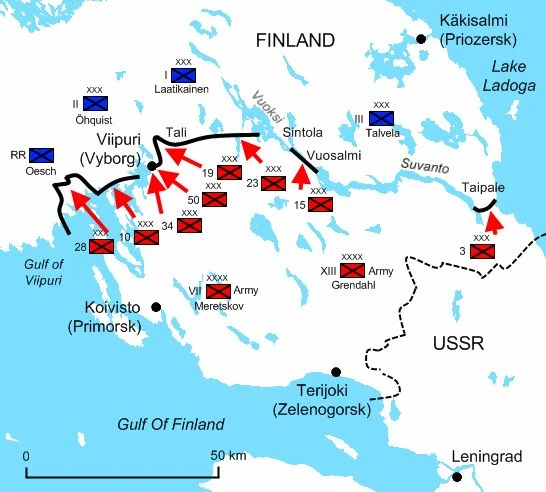
Talvela at Vyborg — 17 February
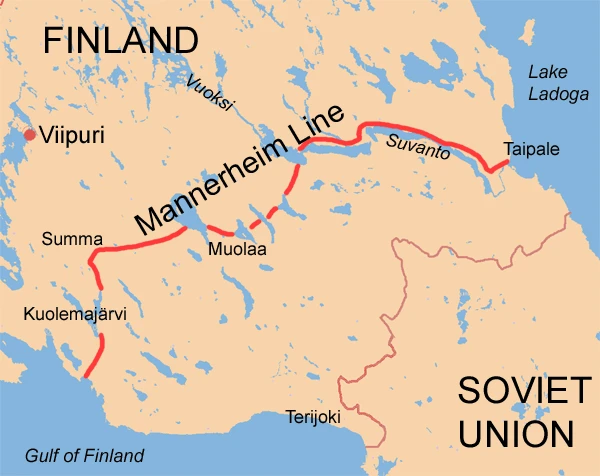
Timoshenko at Summa — 11 February
Rostov: Withdraw or Obey the Führer
The Commissar Order
The Mud, the Winter and the Road to Moscow
Vyazma, October 1941: the militia faces the onslaught
The dash to the wire: Rommel's gamble on the frontier
Lähde — Yakovlev against the Mannerheim bolt
The Last Redoubt at Gondar
Perekop: the Iron Gate of Crimea
Talvela at Vyborg — 17 February
Timoshenko at Summa — 11 February