
Leopold III — Brussels, 3 September
, 38, has been King of the Belgians since 1934 — he succeeded his father , killed in a climbing accident at Marche-les-Dames. In 1936 he announced Belgium's "policy of independence": withdrawal from the military alliance of 1920 with France, withdrawal from the Locarno accords, armed neutrality guaranteed by the United Kingdom, France and — in theory — Germany. The doctrine is welcomed in Berlin and accepted grudgingly in Paris.
The invasion of Poland in September 1939 puts in a delicate position. Prime Minister (a French-speaking Catholic) and Foreign Minister (a Flemish socialist) put the options before him.
The Belgian army mobilises 600,000 men (full mobilisation decreed on 1 September). A significant slice of French-speaking opinion (liberals, urban socialists) presses for a rapprochement with Paris and London. The Flemish Vlaamsch Nationaal Verbond (VNV) and part of the Catholic clergy press for strict neutrality, or even for a tilt toward Germany. is at once head of state and commander-in-chief (a constitutional role inherited from his grandfather ). He has an unusual margin of autonomy in Belgium's parliamentary regime.
What posture should he announce publicly on 3 September, after the French and British declarations of war?
chooses B. On 3 September 1939, official declaration of strict neutrality: Belgium will forbid her airspace and her territory to any belligerent. Mobilisation maintained. On 7 November 1939 and again on 10 May 1940, rejects the offers of preventive alliance transmitted by Gamelin and Lord Gort. This neutrality is respected by Berlin until 10 May 1940, the date of the invasion. remains king and commander-in-chief during the Eighteen Days Campaign (10-28 May 1940). On the morning of 28 May, after the collapse of the front, he signs the surrender alone, without his government (which leaves for exile in London and disavows him). The rupture between the King and the government in exile becomes the foundation of the Royal Question that would divide post-war Belgium — Leopold abdicates in 1951 in favour of his son Baudouin. His neutrality policy of 1939 remains contested: did it shield Belgium for six more months, or did it prevent a coordinated defence that might have changed the outcome of Fall Gelb?
Learn more about this event
Related polls
10
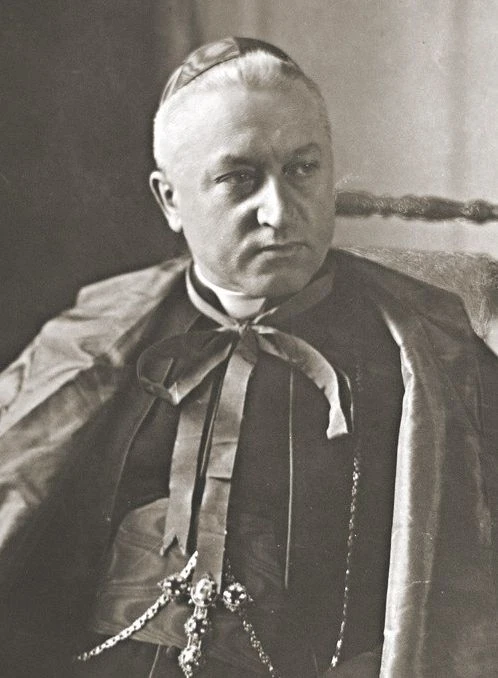
Cardinal Hlond — the Vatican's instruction
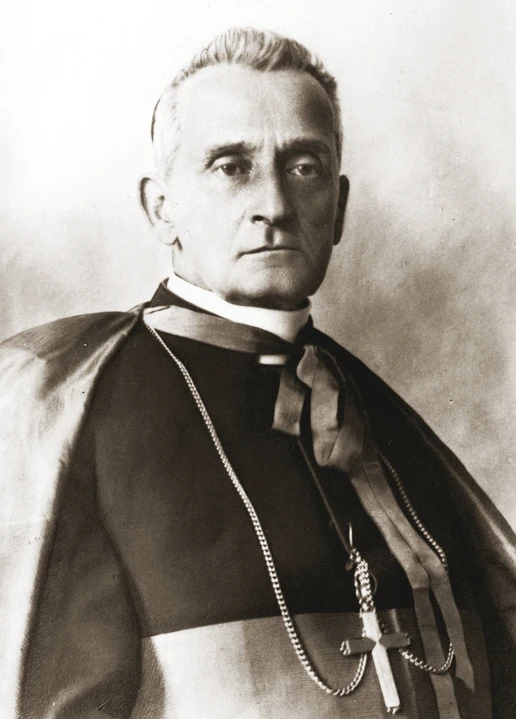
Cardinal Sapieha — Krakow under Occupation
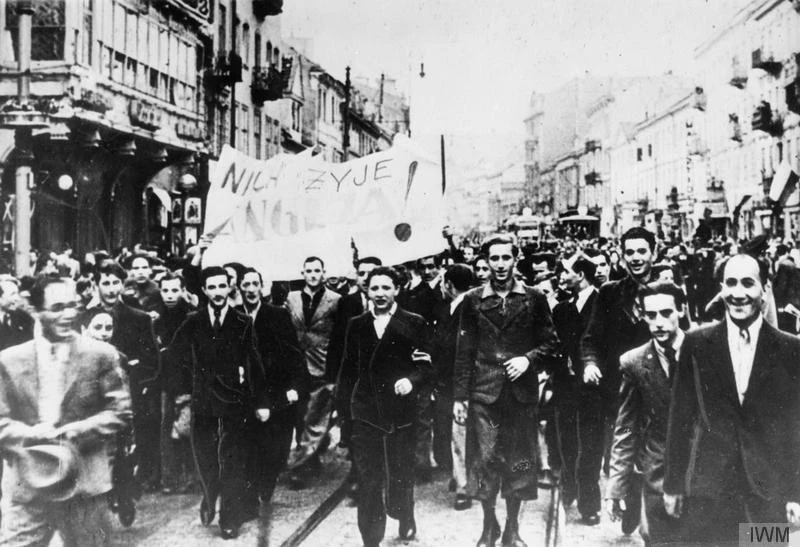
Chamberlain — 11:15 BST
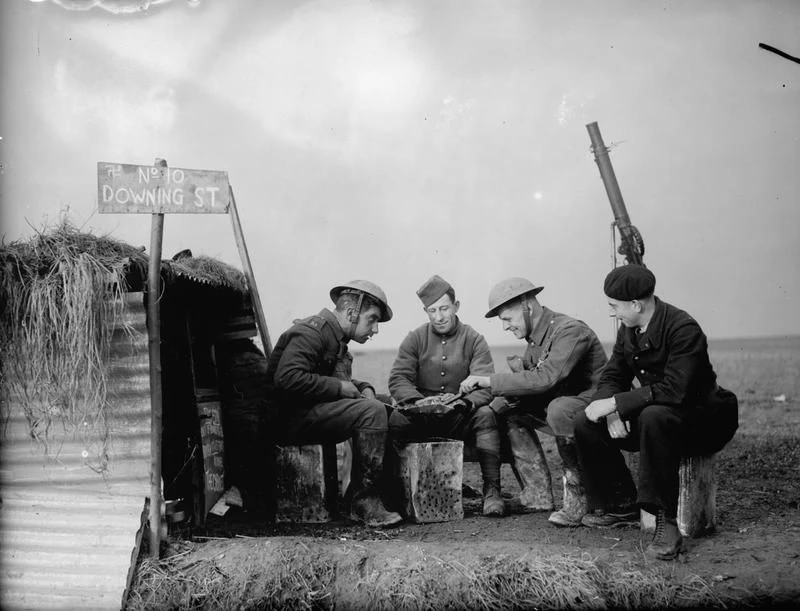
Maurras and the phoney war
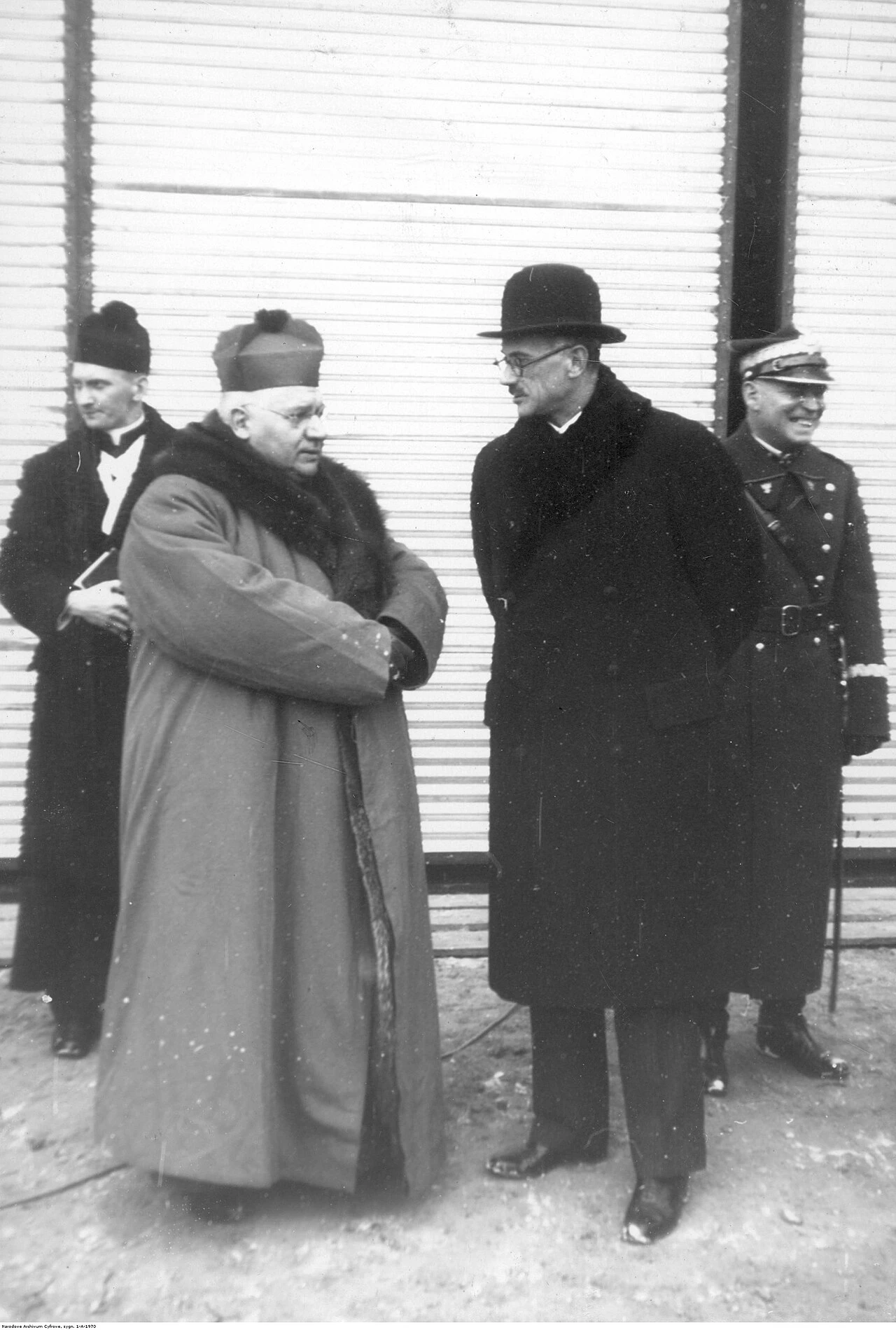
Bishop Adamski in annexed Katowice
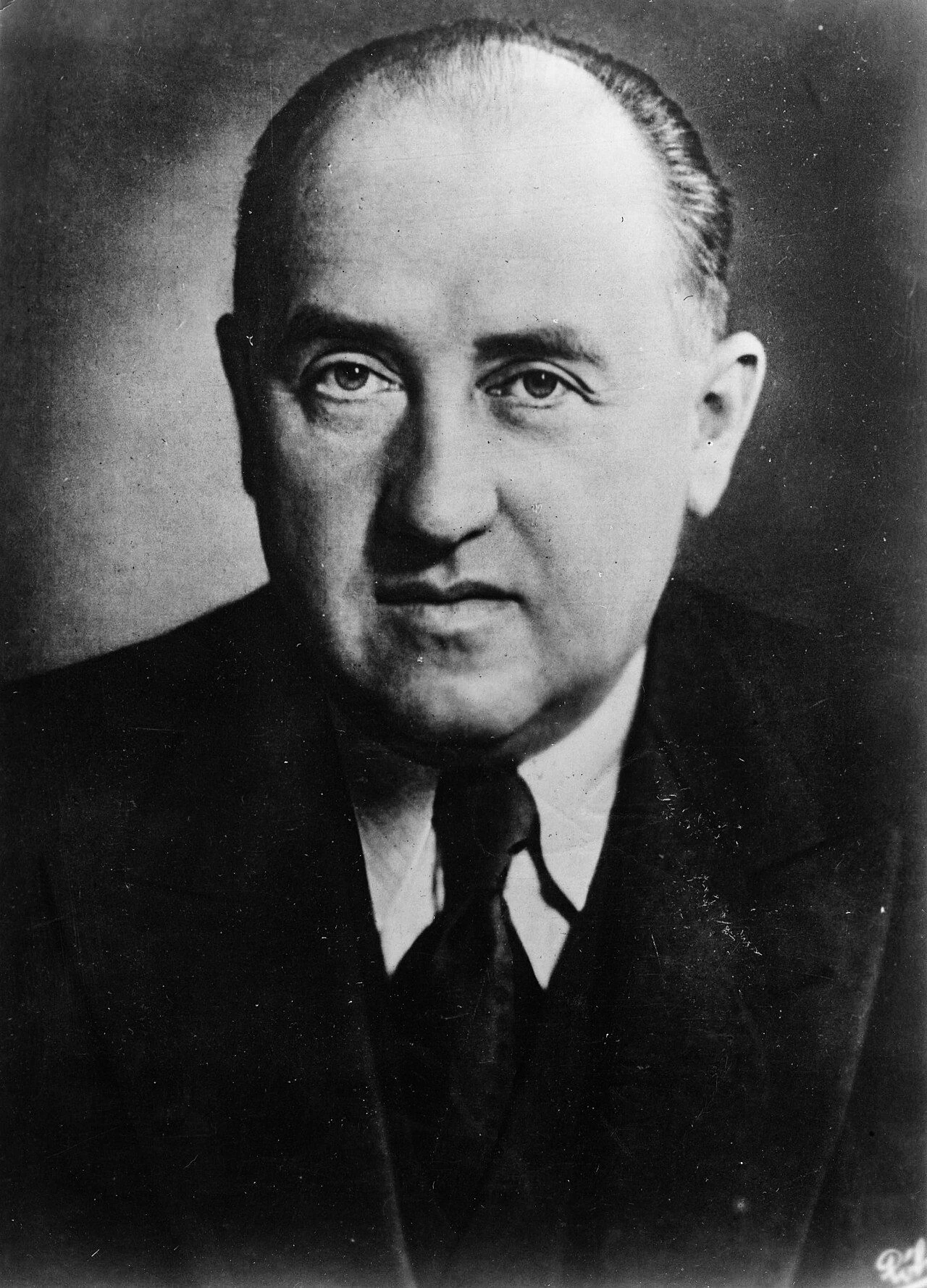
The Gold of the Bank of Poland — the destination of the SS Eocene
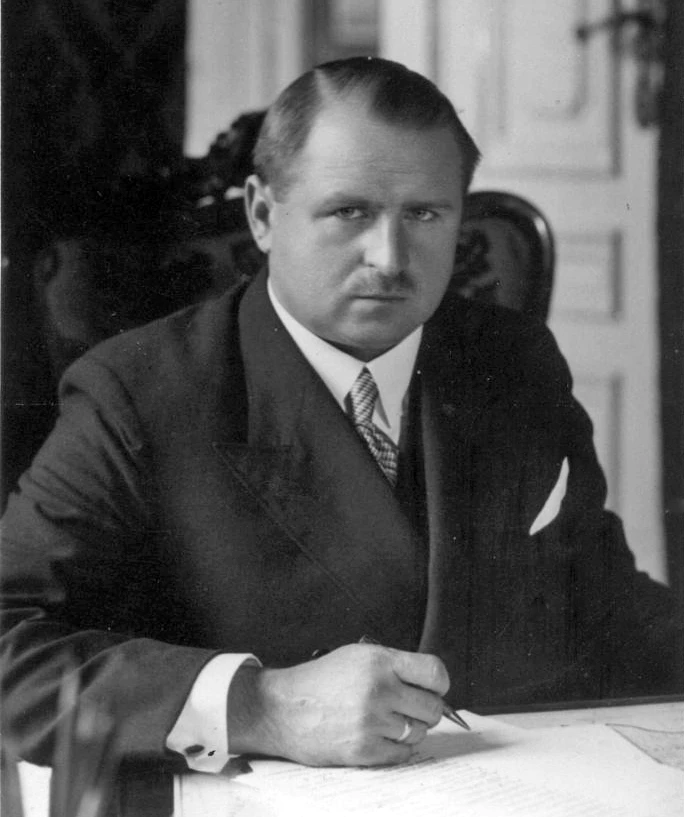
Starzyński — Mówi Warszawa
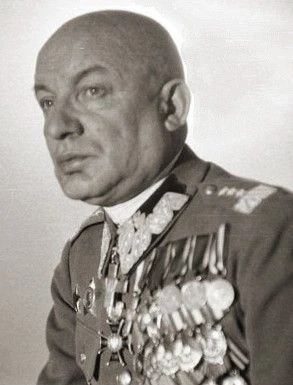
Wasilewska in Lwów, then Moscow
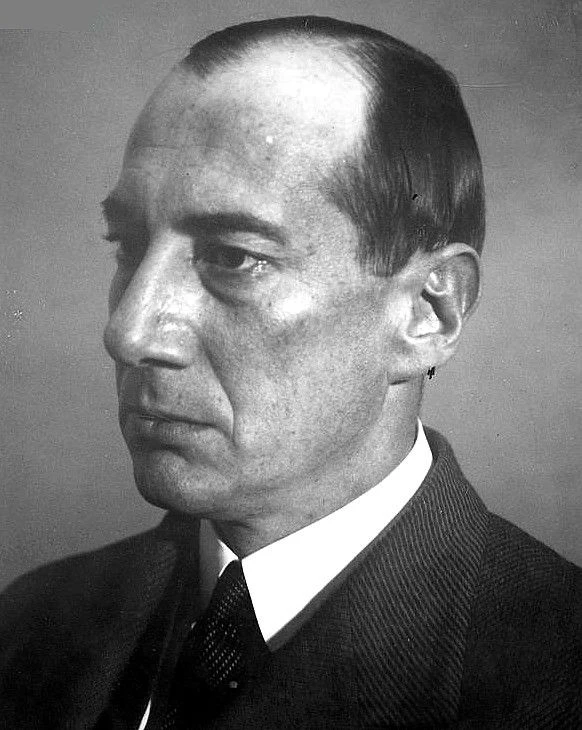
Beck in Bucharest — the Internee
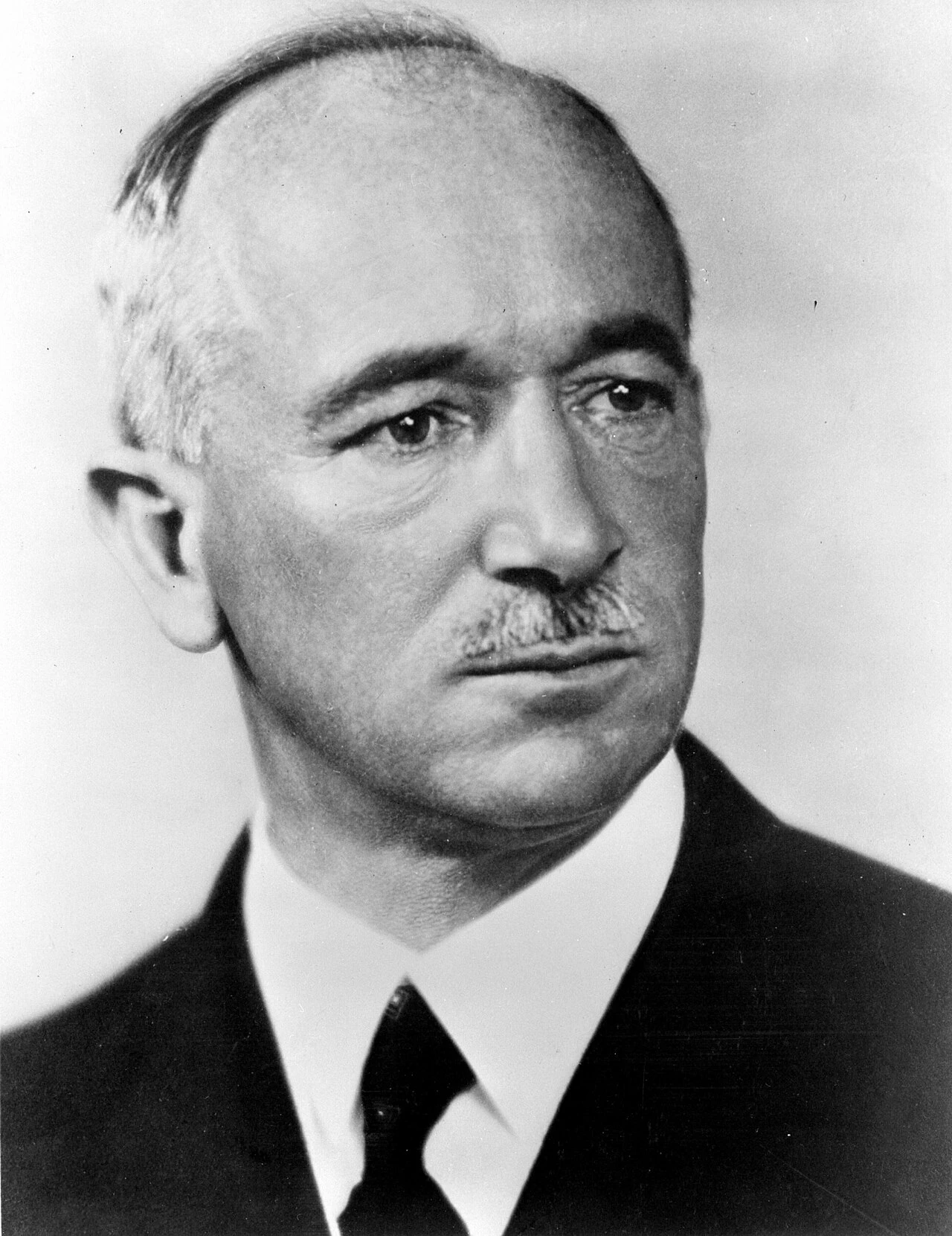
Beneš in London — autumn 1939
Cardinal Hlond — the Vatican's instruction
Cardinal Sapieha — Krakow under Occupation
Chamberlain — 11:15 BST
Maurras and the phoney war
Bishop Adamski in annexed Katowice
The Gold of the Bank of Poland — the destination of the SS Eocene
Starzyński — Mówi Warszawa
Wasilewska in Lwów, then Moscow
Beck in Bucharest — the Internee