
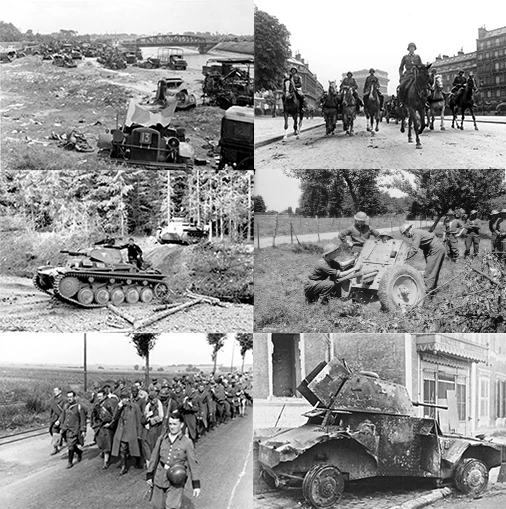
In six weeks of campaigning in the West, the human toll was heavy, though lower than the slaughter of 1914–1918. On the French side, around 50,000 to 60,000 servicemen were killed; on the German side, some 27,000 to 49,000 dead depending on the sources; Belgium lost some 6,000 soldiers, the Netherlands around 2,300, not counting the wounded (several hundred thousand) and the civilian losses of the exodus and the bombings.
To these were added the prisoners: 1.8 million French, around 200,000 Belgians, tens of thousands of British and Dutch. The campaign of 1940, brief as it was, was no less deadly: the daily mortality of the fighting in May–June equalled, and at times even exceeded, that of the Great War.
How is the human cost of this campaign to be characterised? Was it a "war without losses" compared with 1914–1918, as its brevity has sometimes led people to believe? A concentrated slaughter whose daily intensity was terrible? Or a tragedy whose first victims, in numbers, were the prisoners and civilians? The diagnosis shapes the memory of 1940.
How is the human cost of the 1940 campaign to be characterised?
All three readings hold part of the truth, but B and C correct a received idea: despite its brevity, the campaign of 1940 was intensely deadly. France lost some 50,000 to 60,000 soldiers there in six weeks — a daily mortality comparable to the worst moments of 1914–1918 — and Germany several tens of thousands. Above all, the dominant feature is the colossal number of prisoners (nearly 2 million on the French side) and the scale of civilian suffering (the exodus of millions, the bombing of cities, massacres such as Vinkt or Chasselay). 1940 was not a painless "phoney war": it was a brief but bloody defeat, whose human and social cost would weigh heavily on the years of occupation.
Learn more about this event
Related polls
10
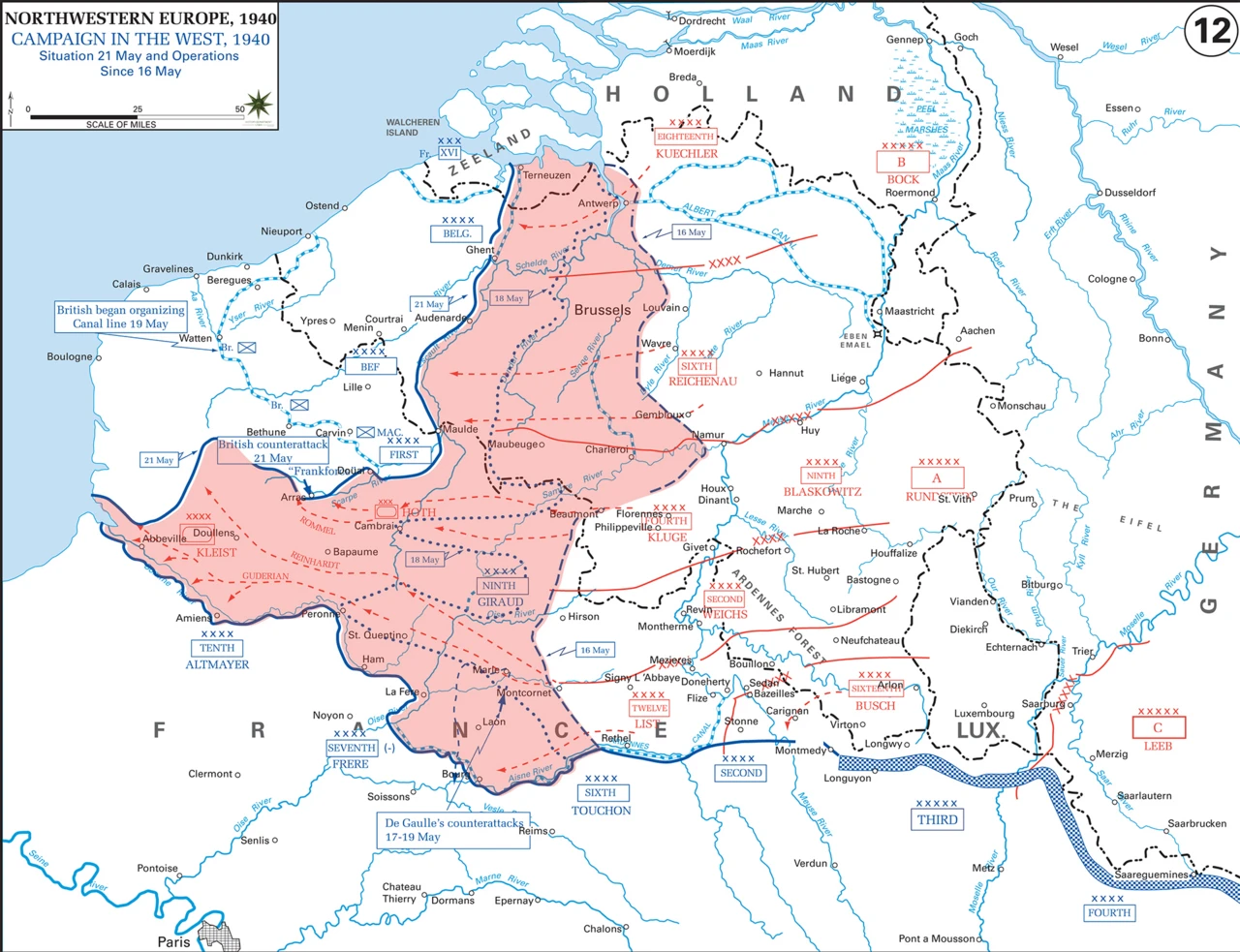
Arras — the Matildas against Rommel's flank
Beauffrère and the 21st RIC at Dunkirk
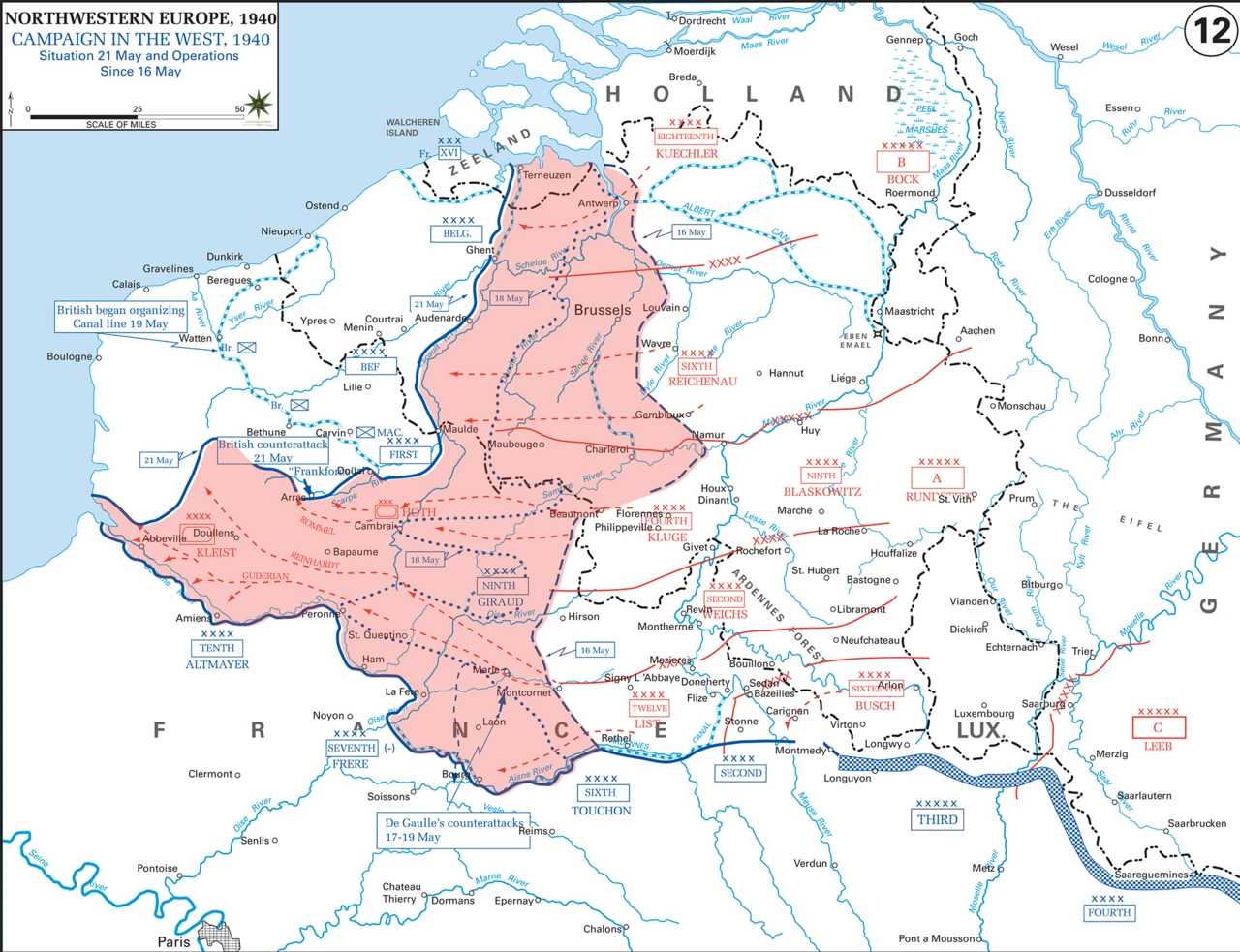
Boulogne — Fox-Pitt and the Guards facing the port
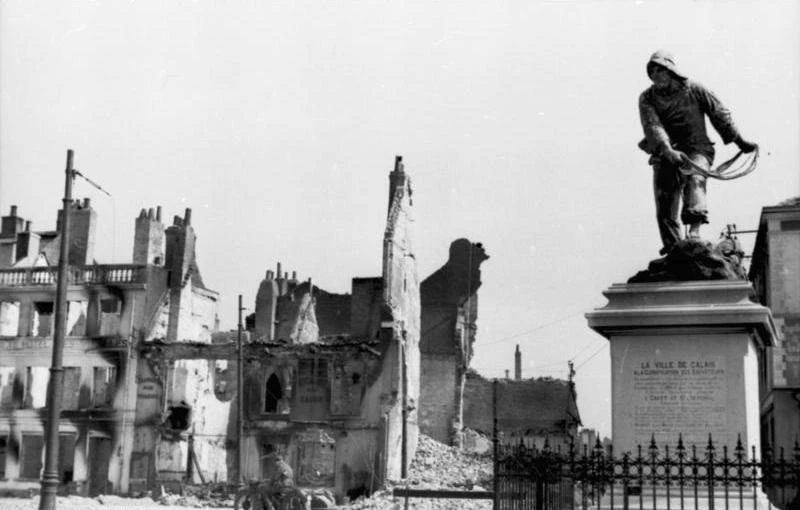
Calais — Nicholson facing the ultimatum
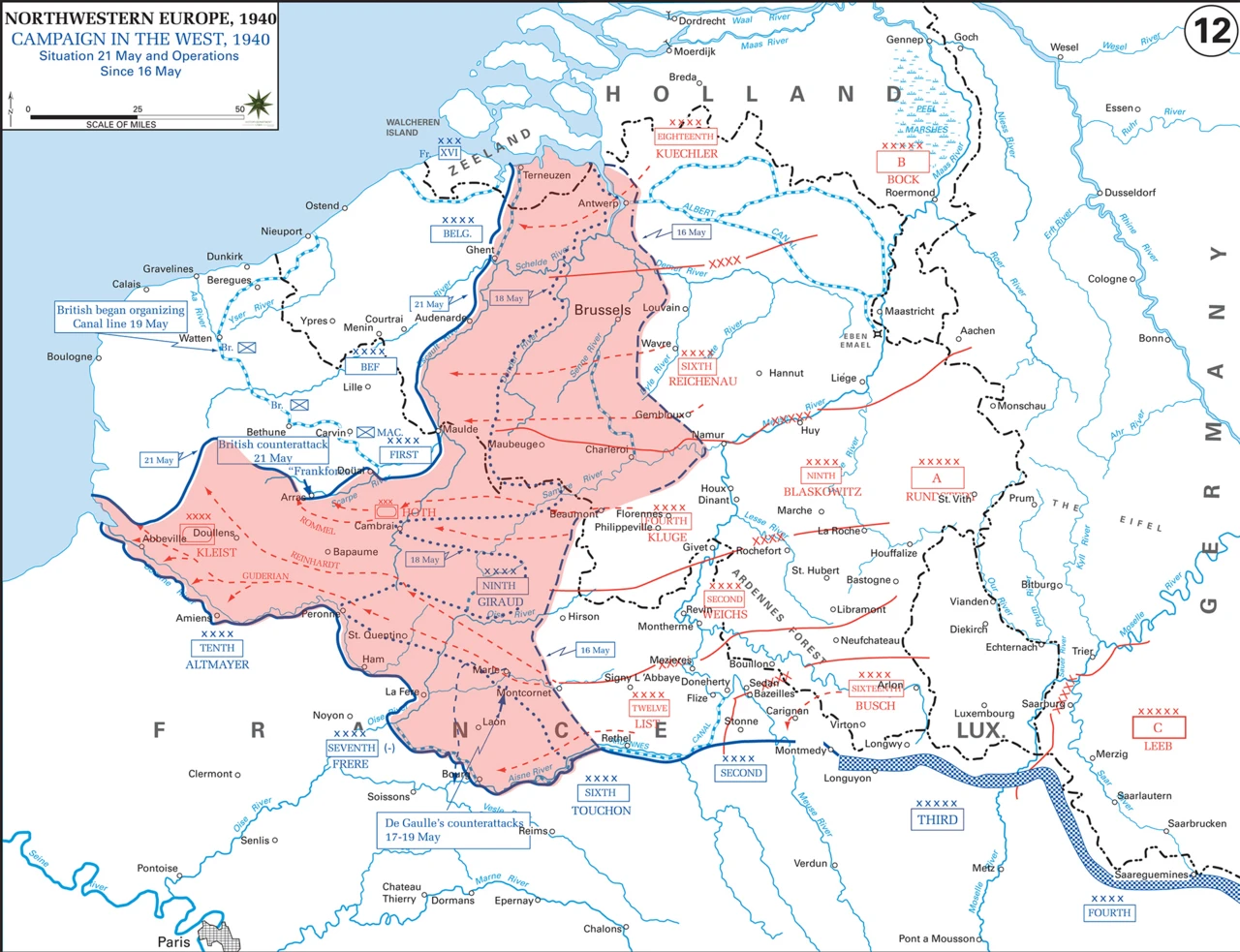
The Arras counter-attack
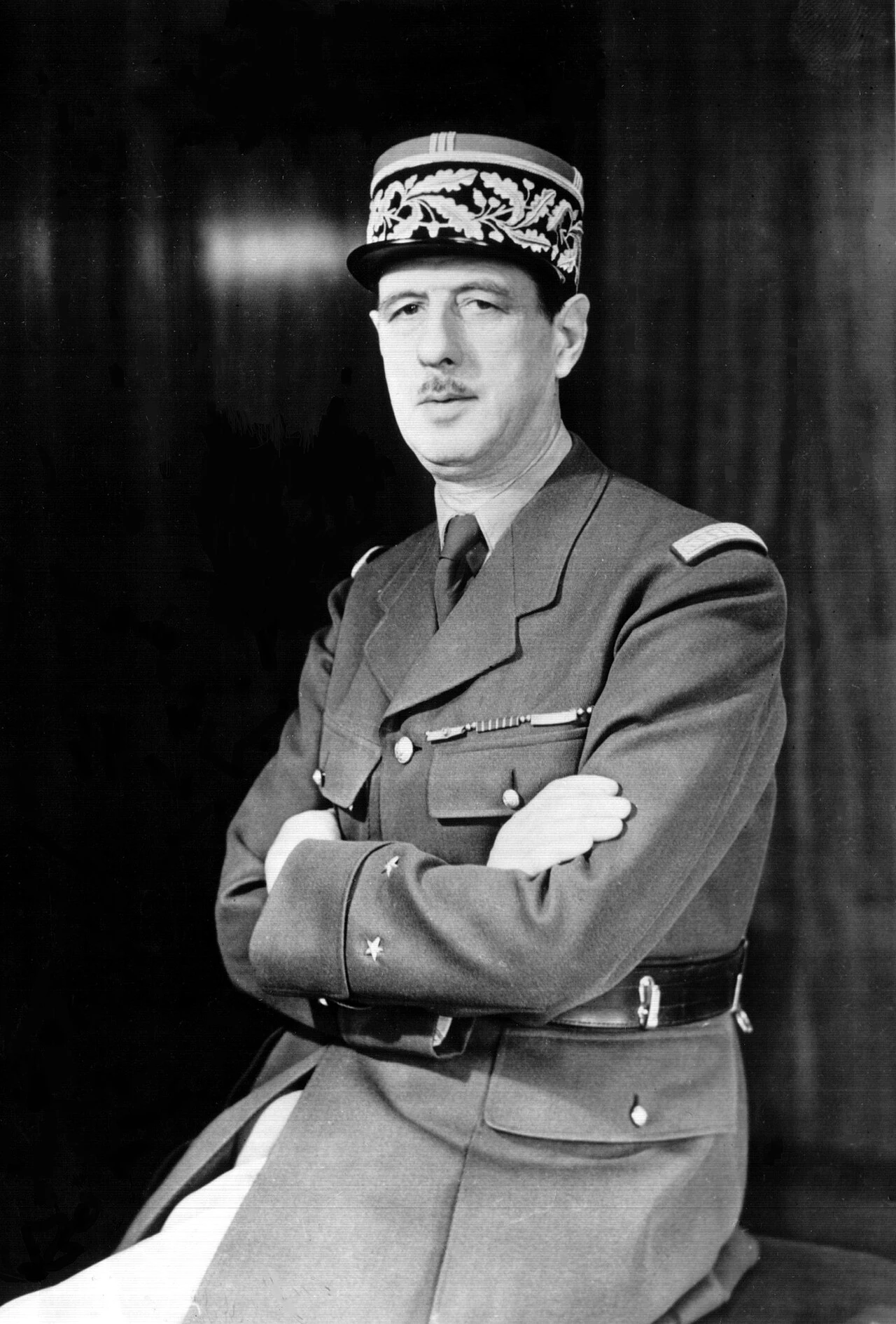
De Gaulle at Abbeville
The Defence of Boulogne
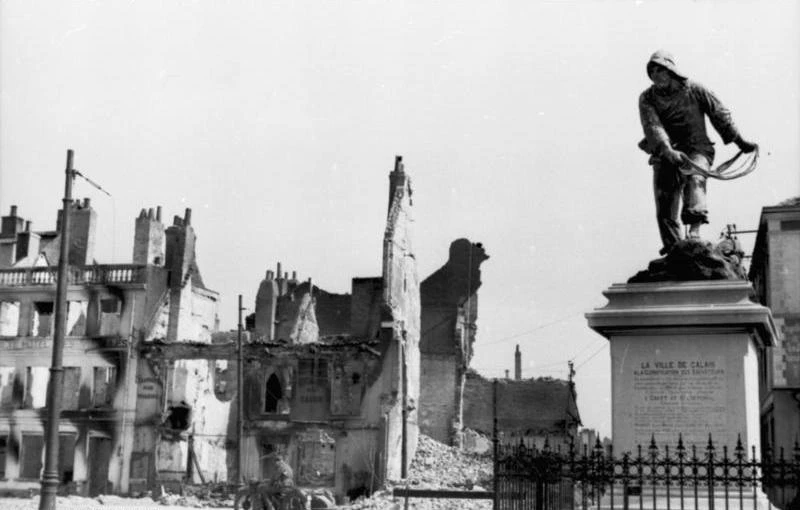
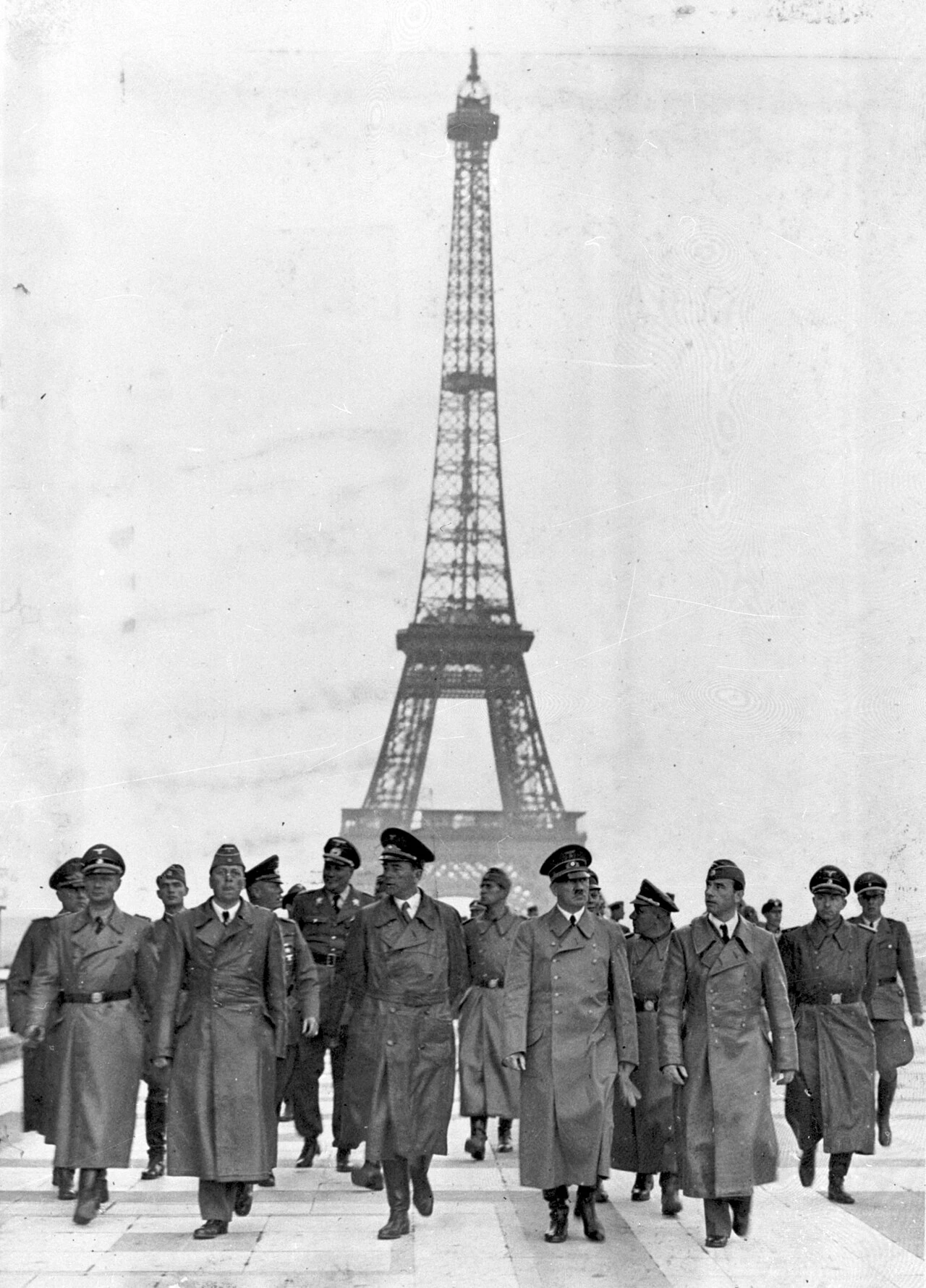
The Defence of Calais
The Weygand Line on the Somme
Lille — Molinié and the 5th DINA
Arras — the Matildas against Rommel's flank
Beauffrère and the 21st RIC at Dunkirk
Boulogne — Fox-Pitt and the Guards facing the port
Calais — Nicholson facing the ultimatum
The Arras counter-attack
De Gaulle at Abbeville
The Defence of Boulogne
The Defence of Calais
The Weygand Line on the Somme