
Tug Argan — fall back or hold in Somaliland
Major-General , 51, has only recently taken command of the meagre forces of British Somaliland, the poorest and most desolate of Britain's East African possessions. A decorated Great War officer, he knows his position is almost untenable: the neighbouring Italian army in Abyssinia fields hundreds of thousands of men, while he has only a few colonial and British battalions.
On 4 August 1940, the Italians crossed the frontier and took Zeila and Hargeisa within forty-eight hours. The only port to protect, Berbera, opens onto the Gulf of Aden, a week's sailing from the bulk of reinforcements. London leaves him latitude between resisting to the utmost and preserving his garrison.
On 11 August the main blow falls at Tug Argan pass, some 60 km from Berbera. There a composite force — African rifles, Rhodesians, , Punjabi companies, camel corps — faces five colonial brigades, Blackshirts and around a hundred armoured vehicles. The ratio of forces reaches fifteen to one. Position by position, his strongpoints are outflanked and surrounded. Hold at all costs, withdraw methodically, or counter-attack? Godwin-Austen must decide the fate of his garrison.
Should one order a methodical withdrawal toward Berbera to save the garrison, or hold Tug Argan at all costs at the risk of encirclement?
Godwin-Austen applies B: judging the line untenable, he requests and obtains authorisation to disengage, then organises a withdrawal from ridge to ridge, fighting yard by yard to cover the evacuation from Berbera to Aden. The instruction received from London was to inflict the heaviest losses possible, then attempt a withdrawal. Civilians leave first, then the administration, finally the troops, embarked on 16-17 August from a jetty improvised by the Royal Navy. The rear guard mauls the Italians at Barkasan. The British toll is strikingly light — 33 killed and 220 wounded or missing — against perhaps ten times more on the Italian side. The Italians enter Berbera on 19 August and Mussolini annexes the colony. The withdrawal, criticised at first, will be hailed as a model of a successful retreat in the face of overwhelming forces. Godwin-Austen will later command a corps in the reconquest of East Africa and in Libya.
Learn more about this event
Related polls
10
The abatis of the Chasseurs Ardennais
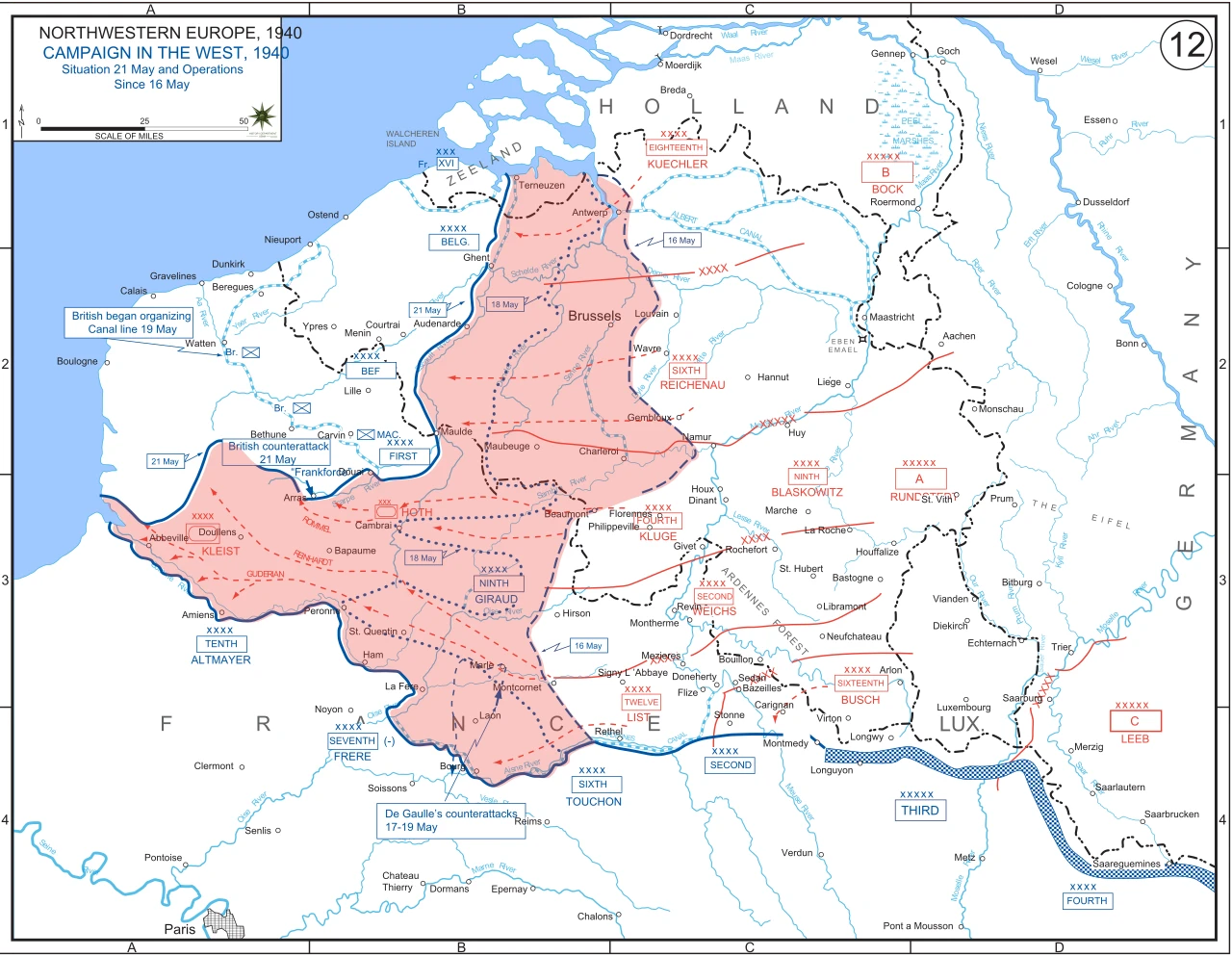
The Battle of the Lys
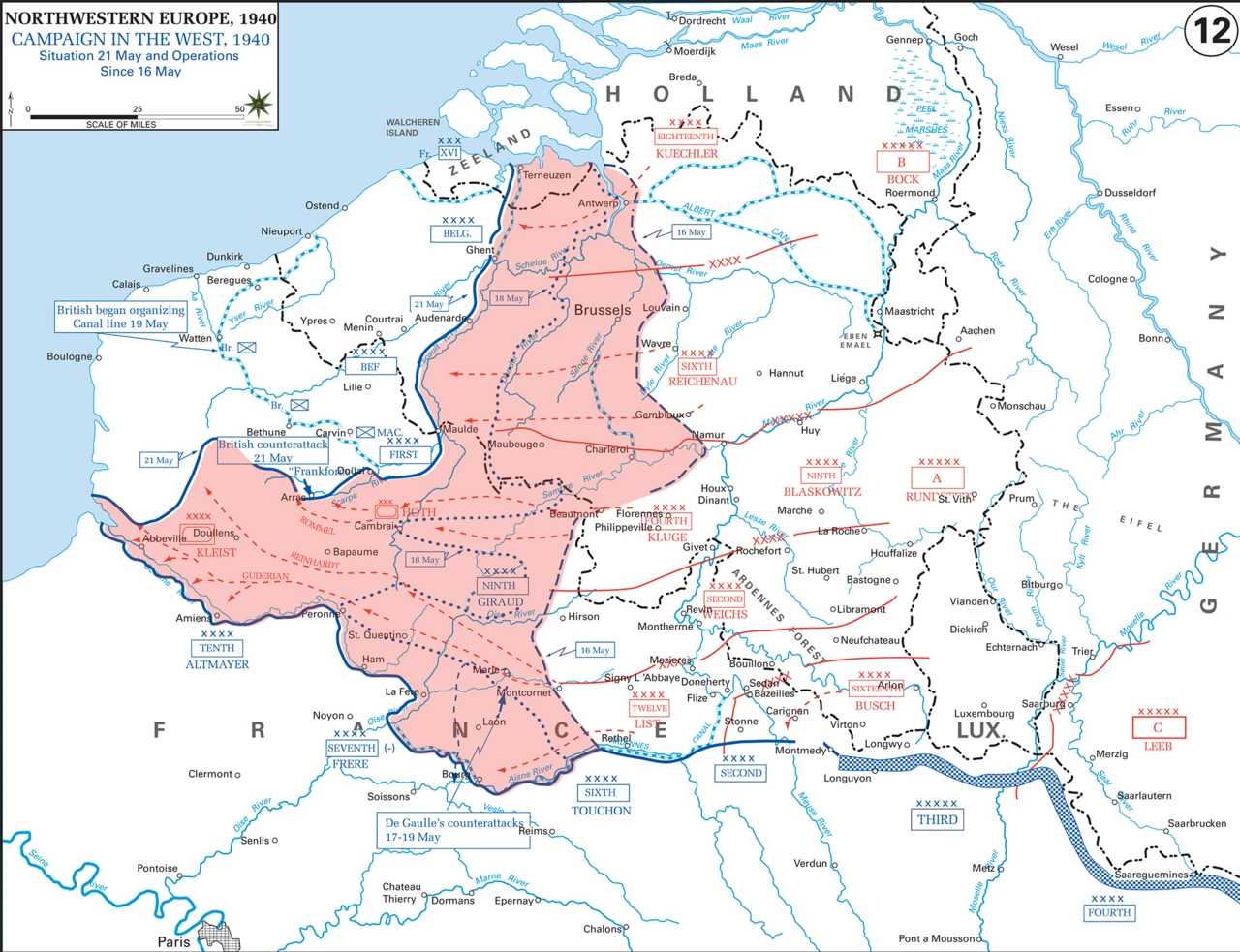
Boulogne — Fox-Pitt and the Guards facing the port
Bulson — Lafontaine and the 02:00 rumour
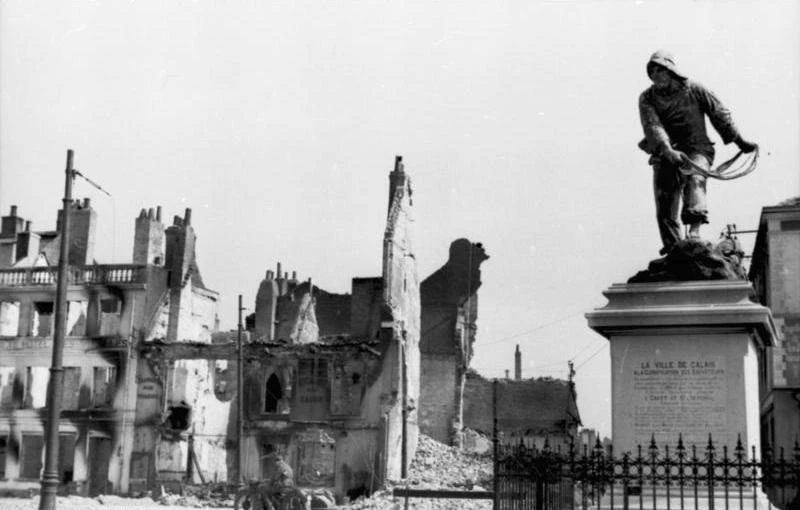
Calais — Nicholson facing the ultimatum
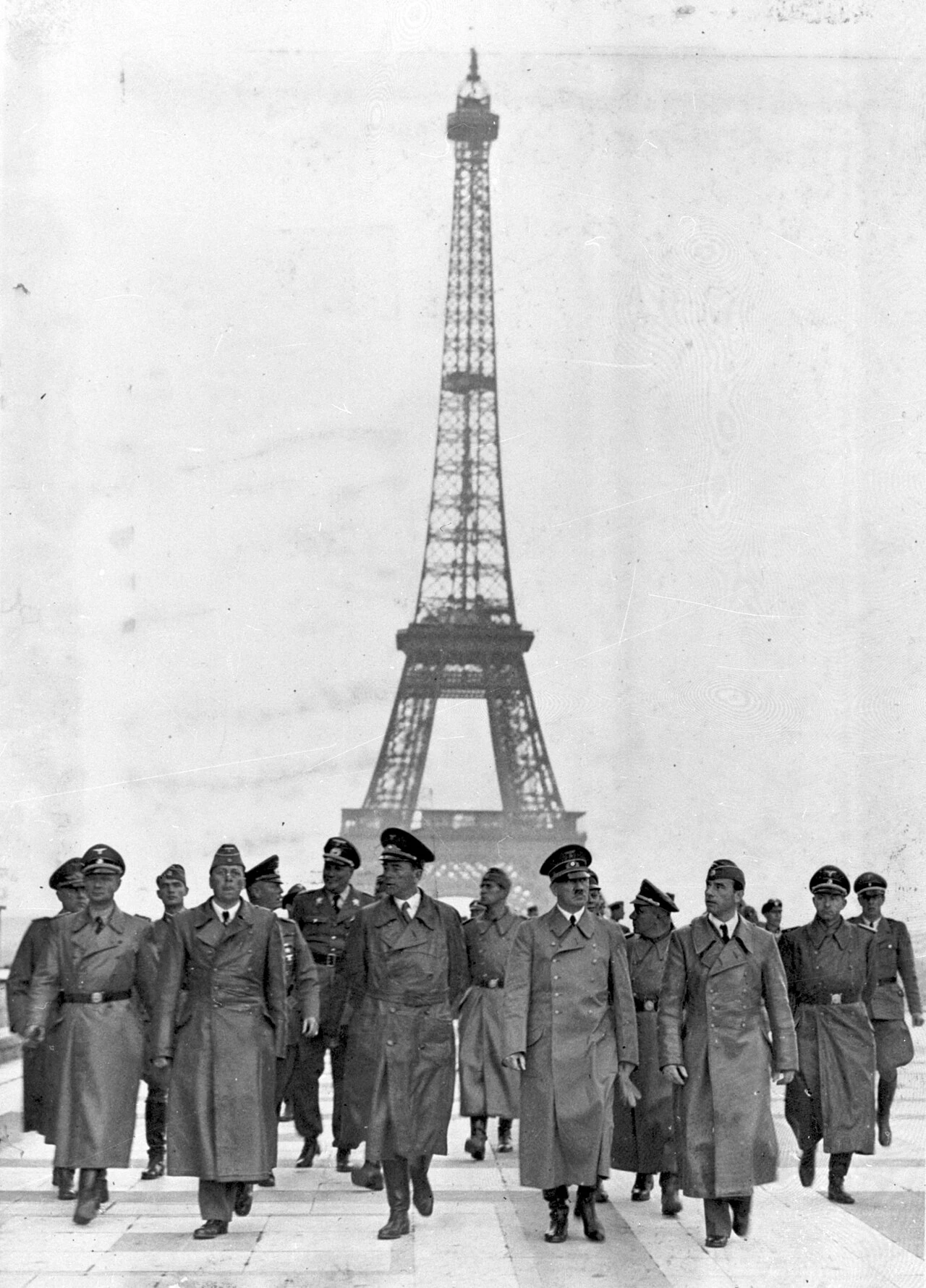
The Defence of Boulogne
The bridges of the Meuse
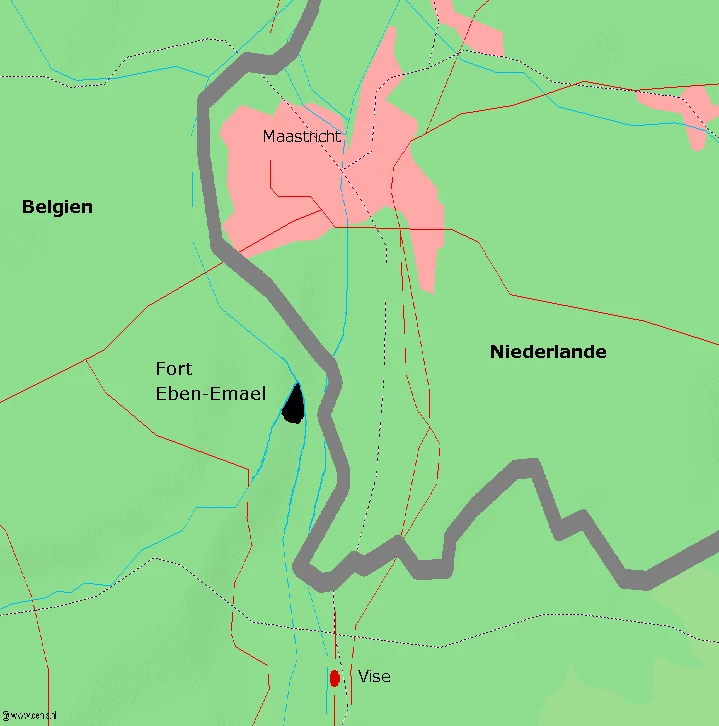
Eben-Emael — Jottrand under the explosions
The Grebbeberg
The Weygand Line on the Somme
The abatis of the Chasseurs Ardennais
The Battle of the Lys
Boulogne — Fox-Pitt and the Guards facing the port
Bulson — Lafontaine and the 02:00 rumour
Calais — Nicholson facing the ultimatum
The Defence of Boulogne
The bridges of the Meuse
Eben-Emael — Jottrand under the explosions
The Grebbeberg