
Praga — Rommel facing the siege
Praga is the suburb on the east bank of the Vistula — the historic city of Warsaw occupying the west bank, Praga forming an industrial and working-class district separated by the river. On 1 September 1939, about 180,000 inhabitants, including a large Jewish community (the Rożyckiego Market, Targowa Avenue, the Mirowski complex). Praga is crossed by the three great bridges: Poniatowski, Kierbedź, and the railway bridge.
Strategically, Praga is the eastern flank of Warsaw's defence: its loss would allow the Germans to cut off the city and squeeze it in a pincer. General (brother of General , defender of Łodź), 58, who since 8 September 1939 commands the after his fallback from , must defend simultaneously the west bank (historic centre) and Praga.
From mid-September the urban area undergoes aerial bombardment (Stukas of and 76, He 111), heavy artillery from the German of Blaskowitz (210 mm guns and 280 mm mortars), and armoured assaults from the German 4th and 31st Divisions from the south-east. The Praga garrison numbers 8,000 Polish soldiers, 15,000 armed civilian volunteers, and 200 priests and religious in medical relief; on 17 September the mayor rallies the population from the Town Hall. Rommel must apportion limited means between the two banks, knowing he may not be able to hold both.
How should Rommel prioritize the defence between central Warsaw and Praga?
Rommel applies A. From 13 to 27 September, Praga undergoes daily aerial bombardment and holds for two full weeks. Polish losses at Praga: 1,200 soldiers dead, 3,800 wounded, 5,000 civilians killed by bombardment. German losses: 800 dead, 2,200 wounded — high figures for an improvised urban defence. On 27 September 1939, Rommel opens capitulation negotiations with General Blaskowitz at the village of Okęcie. Negotiated terms: officers keep their sabres in captivity (according to tradition); rank-and-file soldiers are released on parole after disarmament (one-third of the 120,000 prisoners will actually be released; two-thirds will go to oflags and stalags); the wounded are evacuated to civilian hospitals under protection; bombardment ceases immediately. Capitulation signed on 28 September 1939 at 1:00 p.m. Total toll of the siege of Warsaw (8-28 September): 18,000 Polish soldiers dead, 40,000 civilians dead (including 5,000 in Praga, the rest in central Warsaw), 50 percent of buildings damaged, 12 percent destroyed. Rommel is held in an oflag. Released in 1945, he returns to communist Poland. Politically marginalized, he publishes his memoirs in 1958 (Za honor i Ojczyznę, "For Honour and Fatherland"). He dies in 1967 in Warsaw. The Defender of Warsaw monument (Nike) at the corner of Senatorska has commemorated the siege since 1964. Praga will become crucial five years later during the Warsaw Uprising of 1944: the Soviets halt on its east bank and watch the Wehrmacht crush the rising on the west bank.
Learn more about this event
Related polls
10
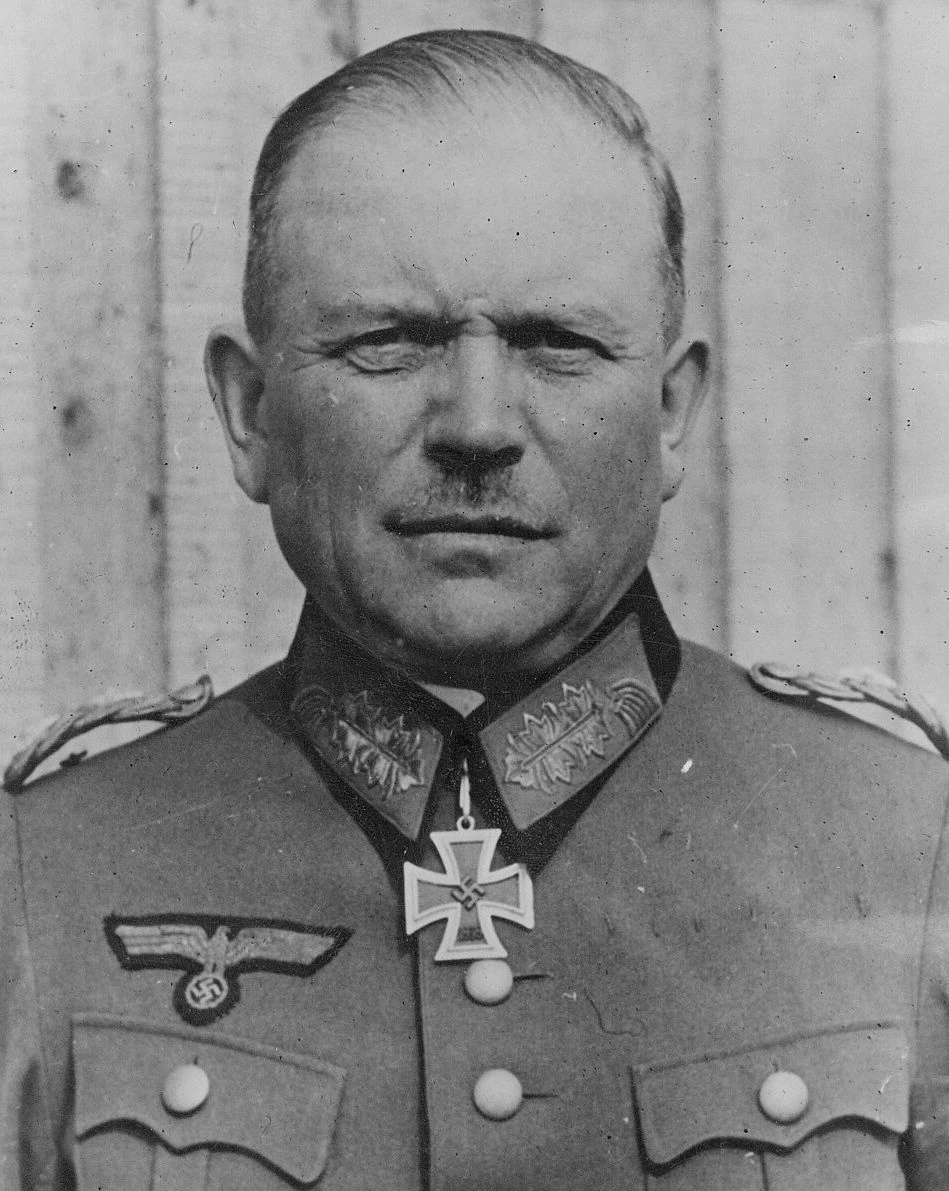
Brześć — Plisowski faces Guderian
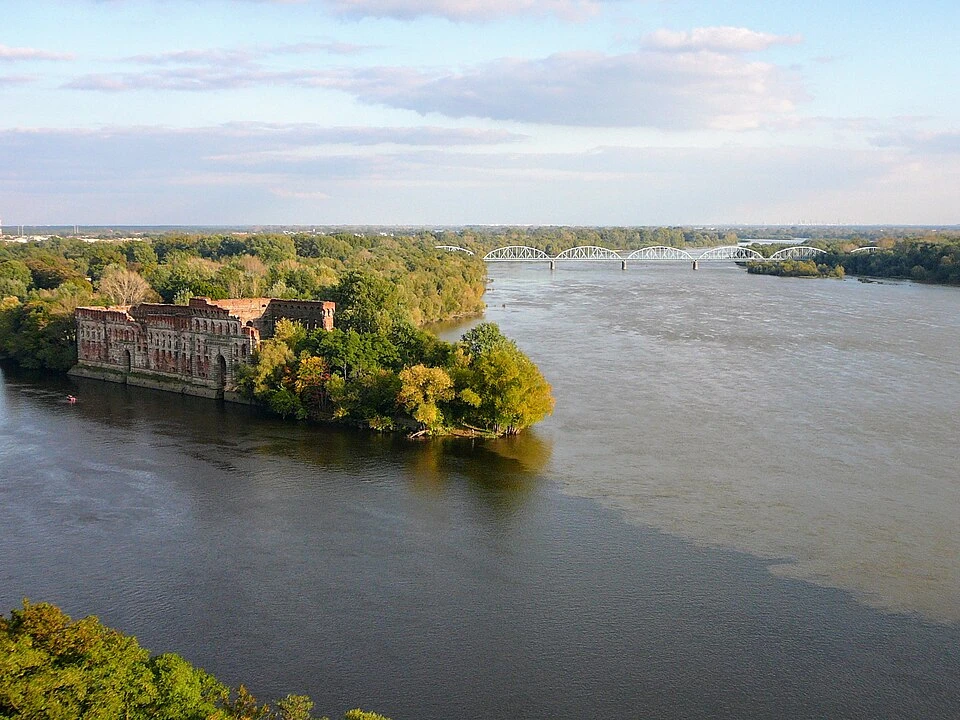
Modlin — Thommée at the last fortress
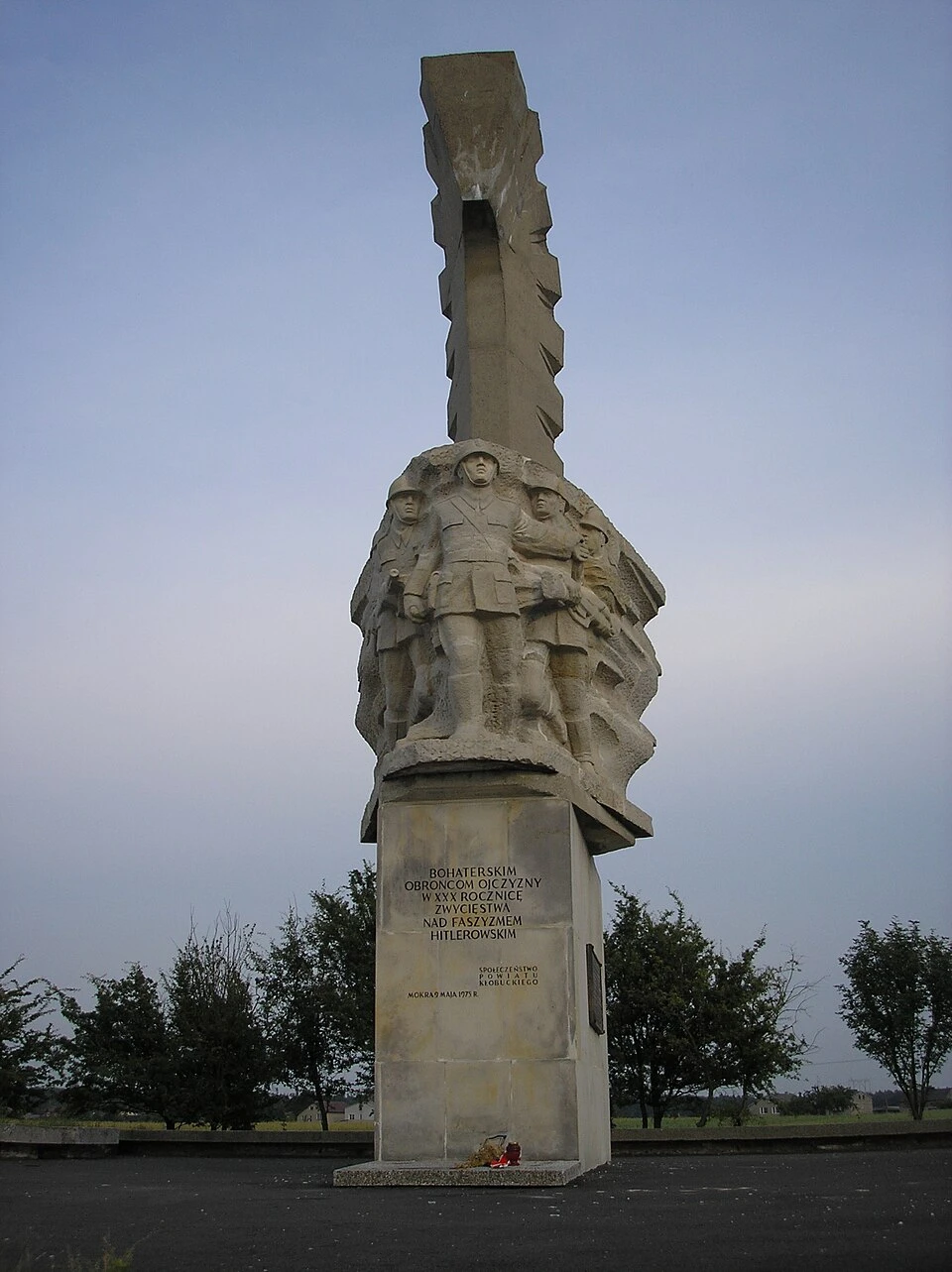
Mokra — Filipowicz and the Volhynian Brigade
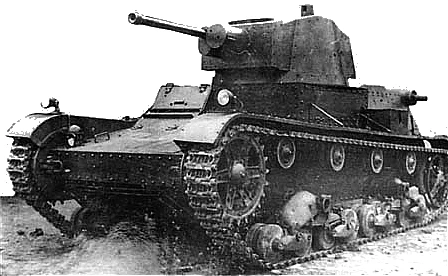
Tomaszów Lubelski — Piskor between two fronts
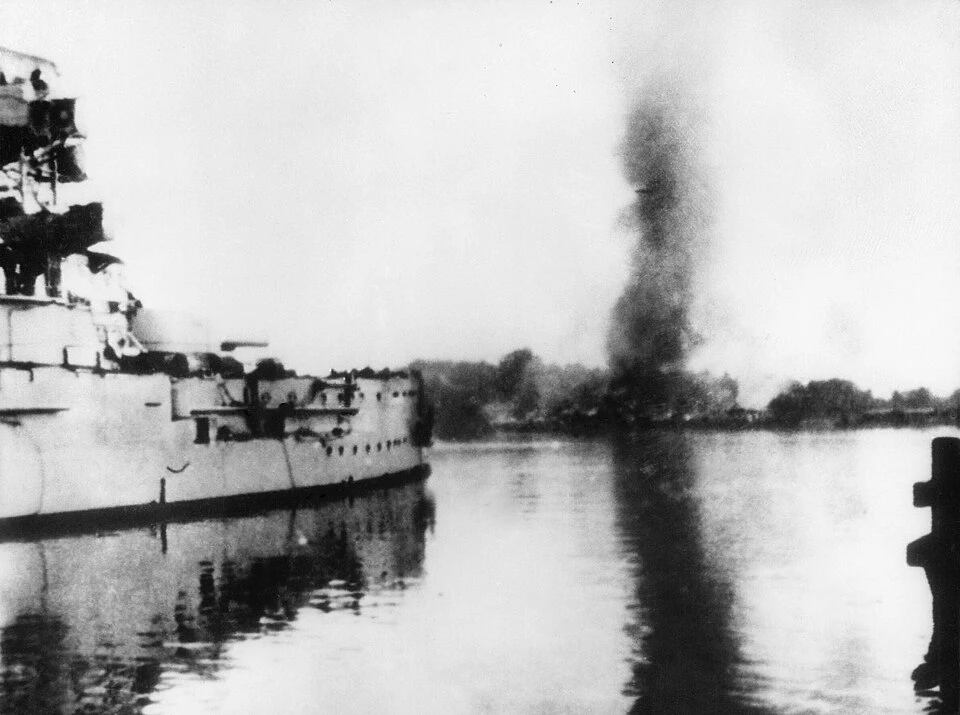
Westerplatte — Sucharski under the Schleswig-Holstein's guns
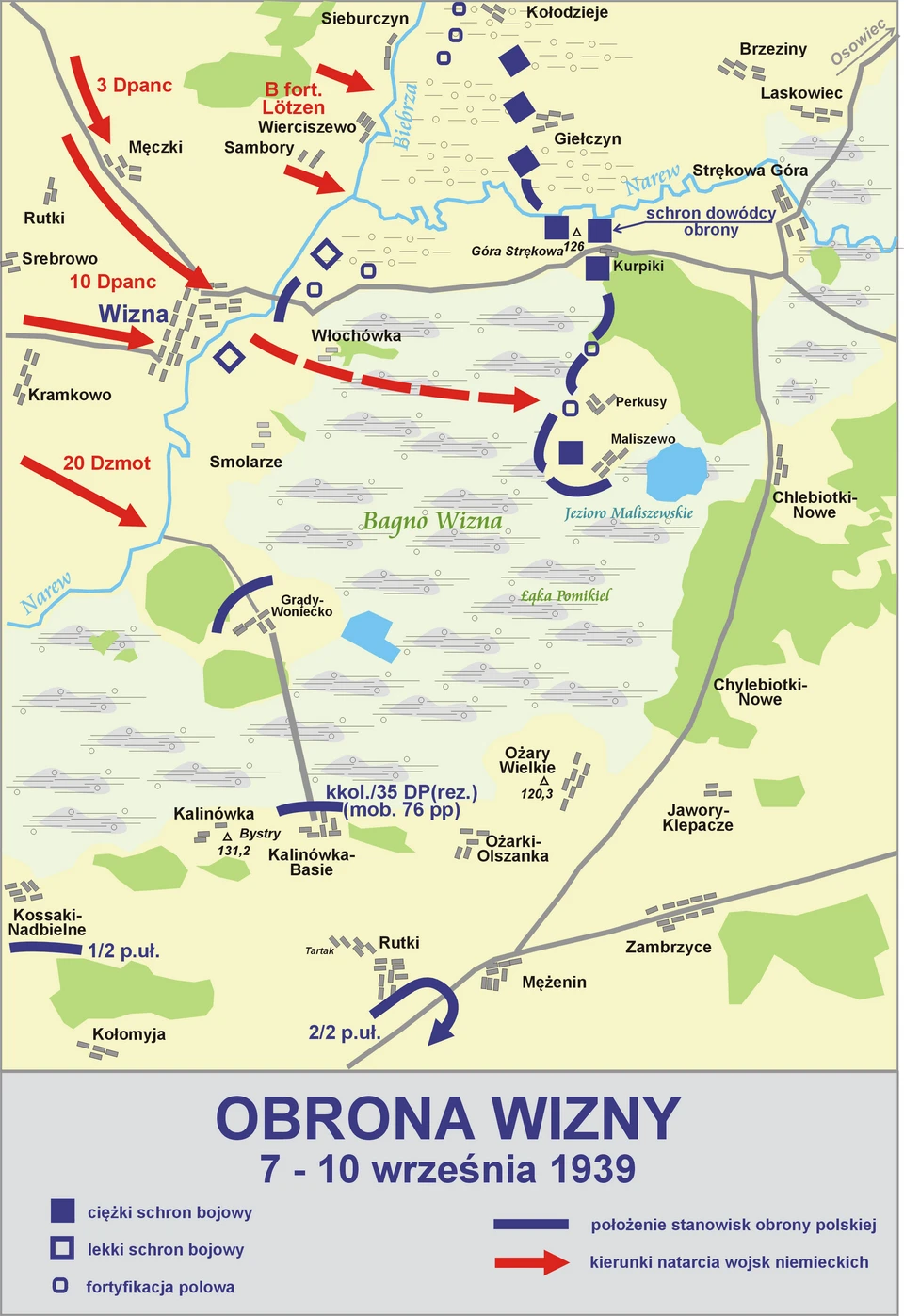
Wizna — Raginis in the Górka bunker
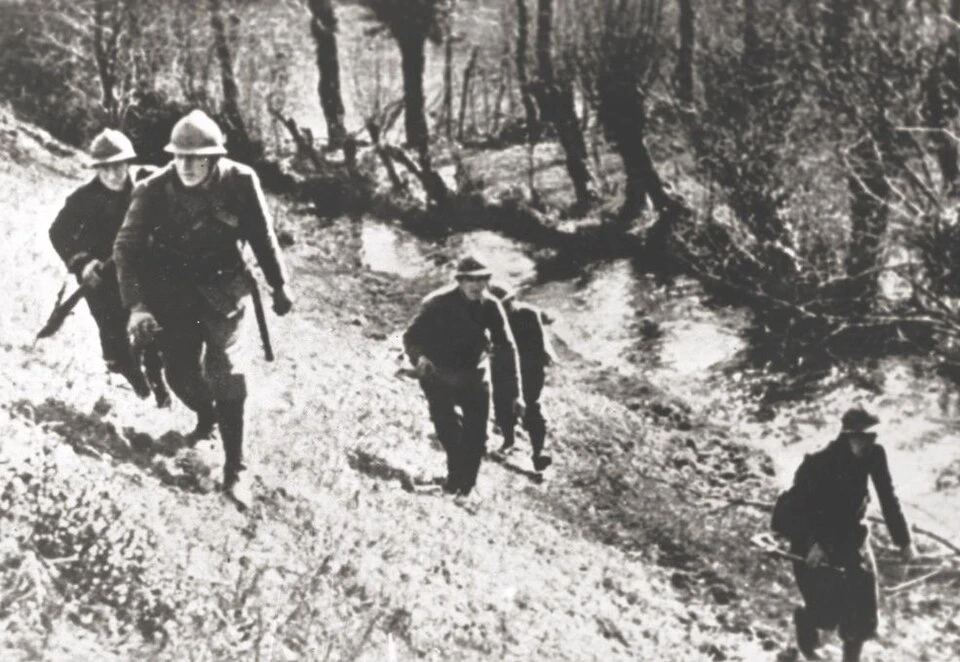
Kock — Kleeberg on the morning of 6 October
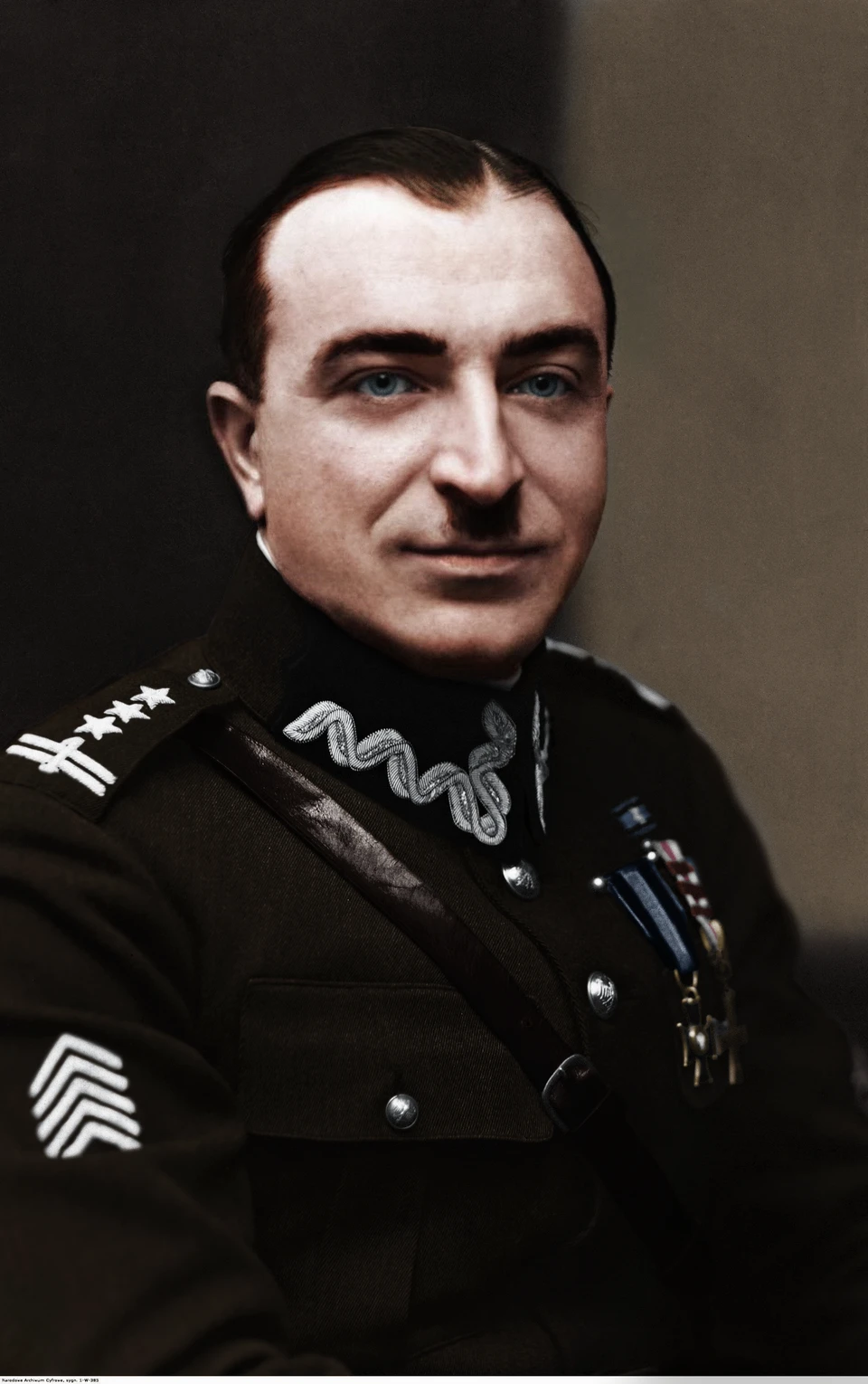
Wytyczno — Orlik-Rückemann after Szack
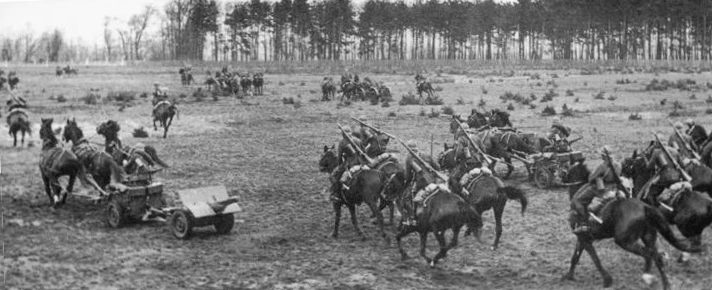
The Bzura — Kutrzeba faces the trap
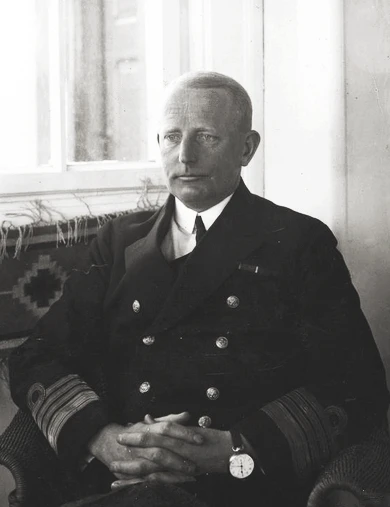
Hel — Unrug faces the German envoy
Brześć — Plisowski faces Guderian
Modlin — Thommée at the last fortress
Mokra — Filipowicz and the Volhynian Brigade
Tomaszów Lubelski — Piskor between two fronts
Westerplatte — Sucharski under the Schleswig-Holstein's guns
Wizna — Raginis in the Górka bunker
Kock — Kleeberg on the morning of 6 October
Wytyczno — Orlik-Rückemann after Szack
The Bzura — Kutrzeba faces the trap