
Bishop Adamski in annexed Katowice
Bishop , 64, had been bishop of Katowice since 1930, heading a Polish Upper Silesian diocese, an industrial region 65% Polish and 35% German. On 4 September 1939, Upper Silesia was annexed to the Reich and attached to the Reichsgau Schlesien, renamed Oberschlesien in 1941. Adamski refused to flee.
The occupation authorities imposed German as the sole liturgical language, hunted the Polish clergy and placed the diocese under mounting pressure. This line set Adamski directly against Gauleiter , in post from 1941 to 1945 after , and against the far more accommodating stance of Bishop of the neighbouring diocese of Breslau. Many Polish priests faced arrest, converts from Judaism were in danger, and the parish schools risked closure.
From 1 September 1939 to 29 February 1940, Adamski was summoned six times by the Gestapo. Each time, he refused to sign any pledge of cooperation. A bishop could strike hard and fast with a public gesture, or hold on in the shadows to last.
Adamski had to decide whether to make his resistance public.
Should Adamski make his stance of resistance public?
Adamski applied B: a discreet and steady pastoral resistance. For more than three years he preserved the Polish liturgy and preached in Polish despite German orders, sheltered the threatened priests, discreetly rescued Polish Jews converted to Catholicism — about two hundred cases in Upper Silesia — and kept the parish schools running in Polish. He saved roughly 1,200 Polish priests from arrest (through transfers, false papers, exfiltration to the Generalgouvernement). But on 28 February 1941 the Gestapo finally arrested him. Detained at Sosnowiec, then placed under house arrest at the monastery of Marków near Tarnów. He remained there until the liberation in January 1945, then resumed his episcopal duties. But the postwar Polish communist regime regarded him as too independent. He was summoned several times by the state security services (UB). In September 1952, he was forced to resign and placed under house arrest in his episcopal palace until his death in 1967. Adamski's beatification has been under way since 2002, slowed by certain controversial aspects (his tactical acceptance of Volksliste III in 1941 on Sapieha's recommendation, a gesture that saved thousands of lives but remains politically awkward). His strategy is studied in pastoral theology as a model of pastoral resistance under occupation.
Learn more about this event
Related polls
10
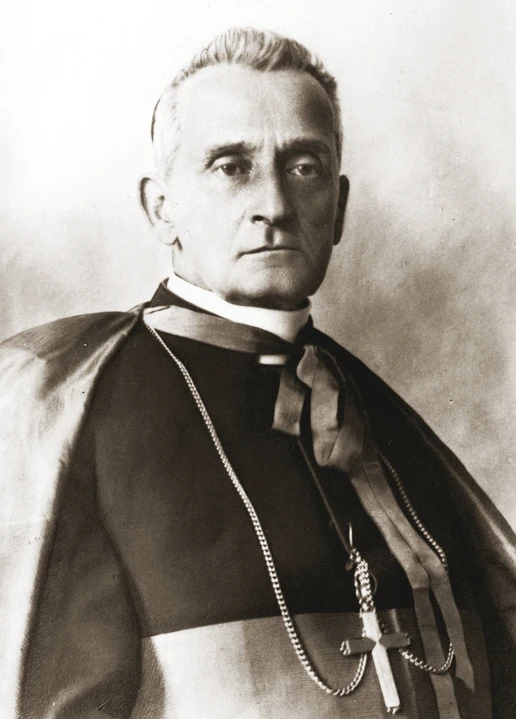
Cardinal Sapieha — Krakow under Occupation
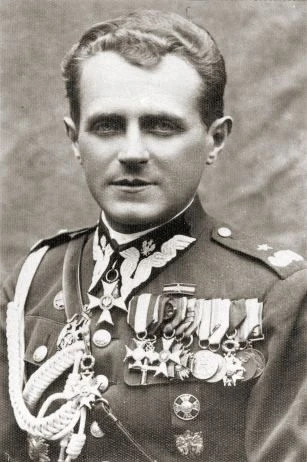
Karaszewicz-Tokarzewski — Founding the SZP
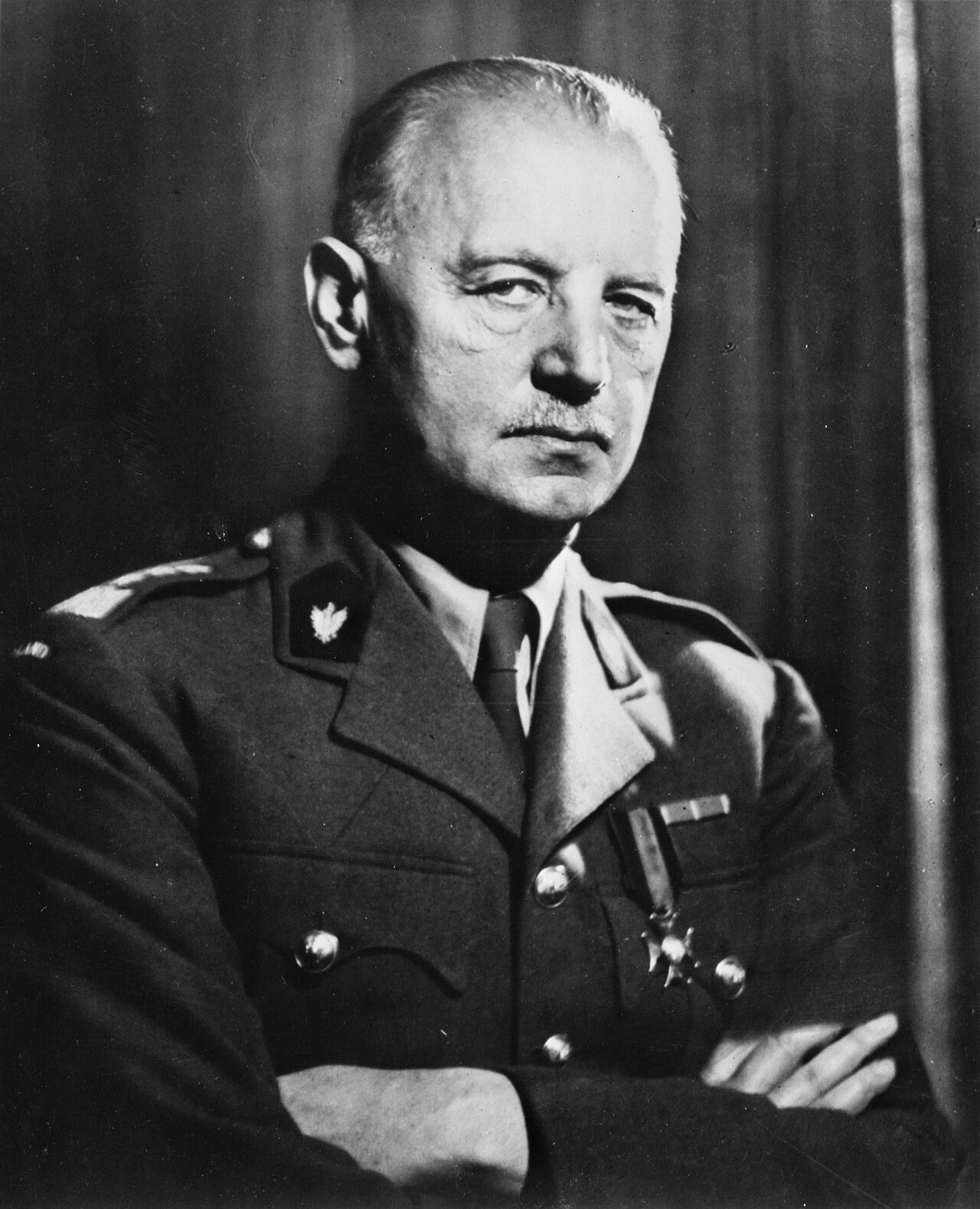
Sikorski leaves Bordeaux — 18 June
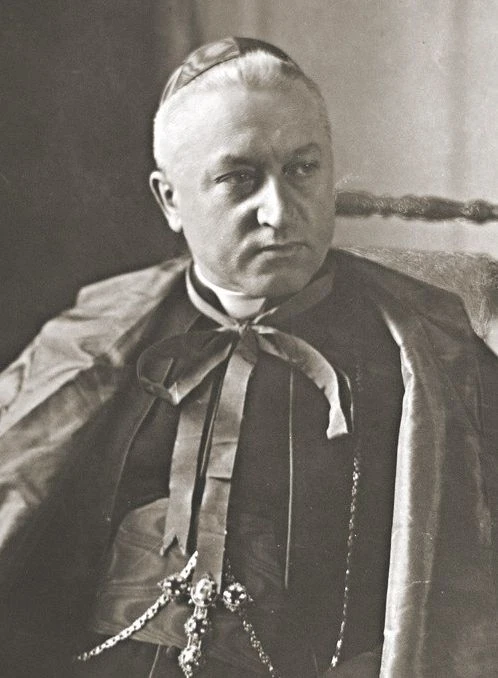
Cardinal Hlond — the Vatican's instruction
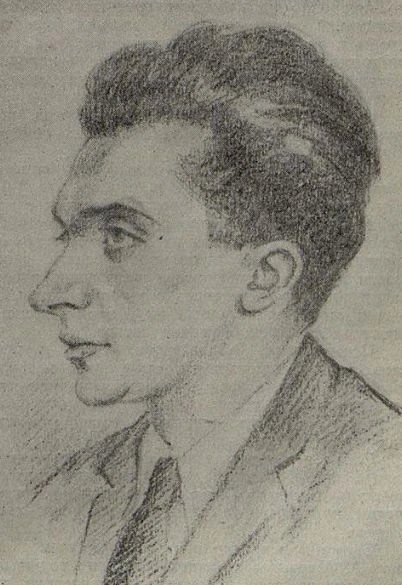
Mieczysław Niedziałkowski — after the arrest
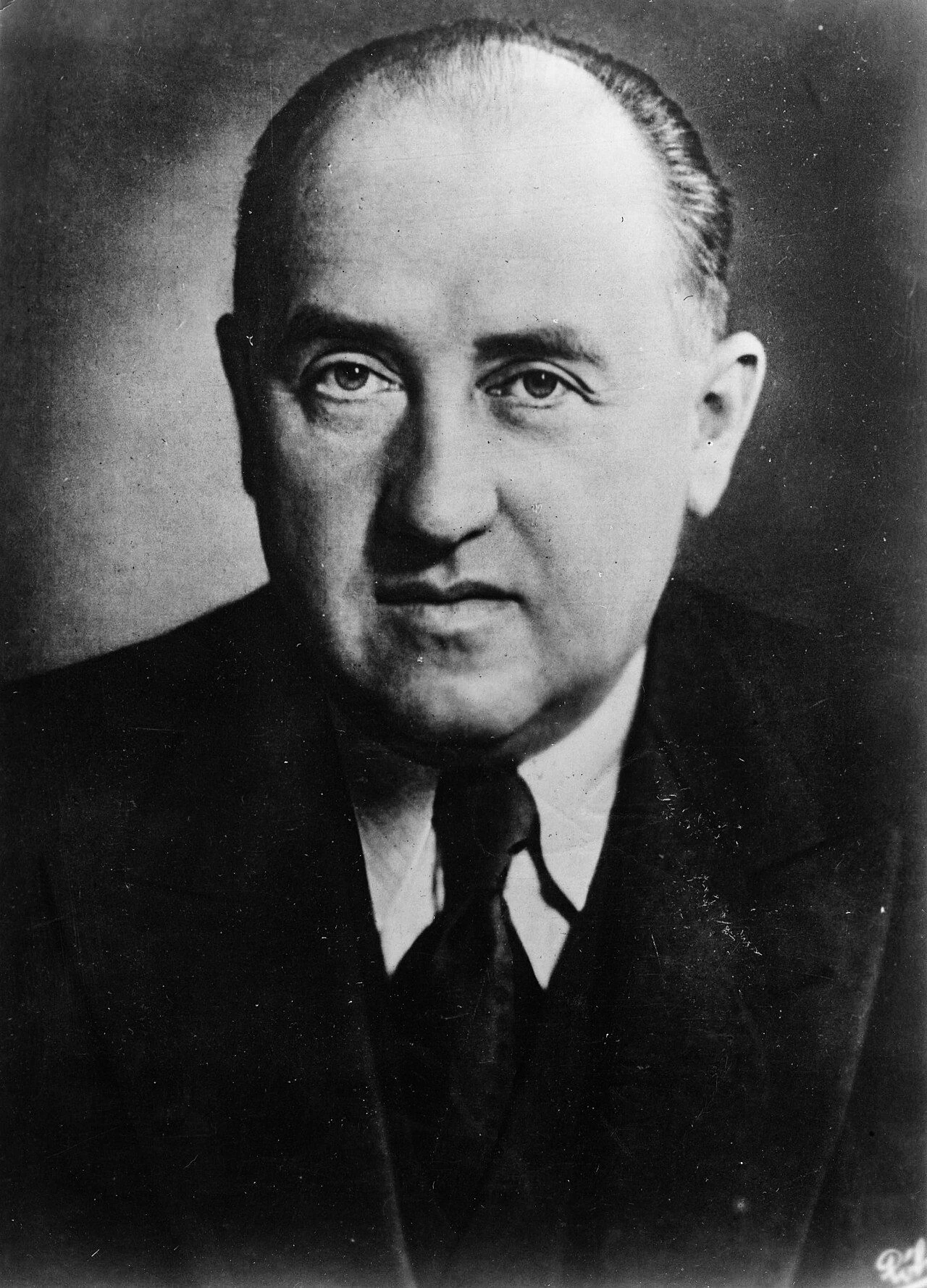
The Gold of the Bank of Poland — the destination of the SS Eocene
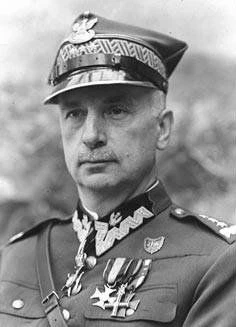
Sosnkowski — KSK, 27 November
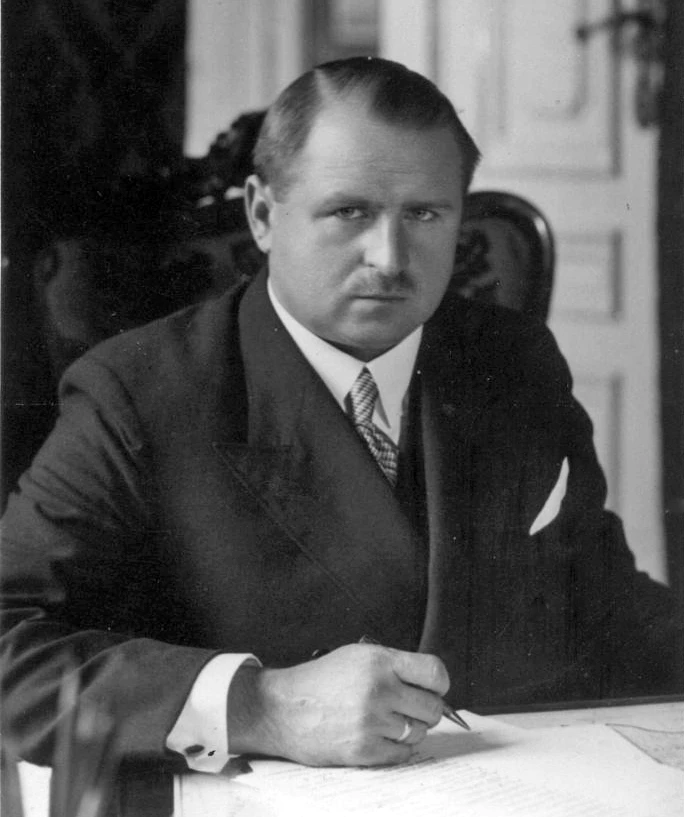
Starzyński — Mówi Warszawa
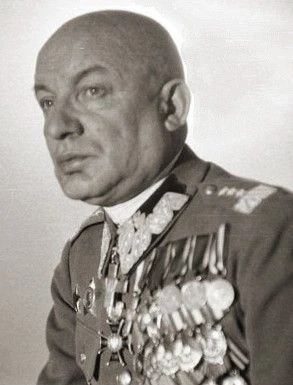
Wasilewska in Lwów, then Moscow
Borakowski and the merchant fleet
Cardinal Sapieha — Krakow under Occupation
Karaszewicz-Tokarzewski — Founding the SZP
Sikorski leaves Bordeaux — 18 June
Cardinal Hlond — the Vatican's instruction
Mieczysław Niedziałkowski — after the arrest
The Gold of the Bank of Poland — the destination of the SS Eocene
Sosnkowski — KSK, 27 November
Starzyński — Mówi Warszawa
Wasilewska in Lwów, then Moscow