
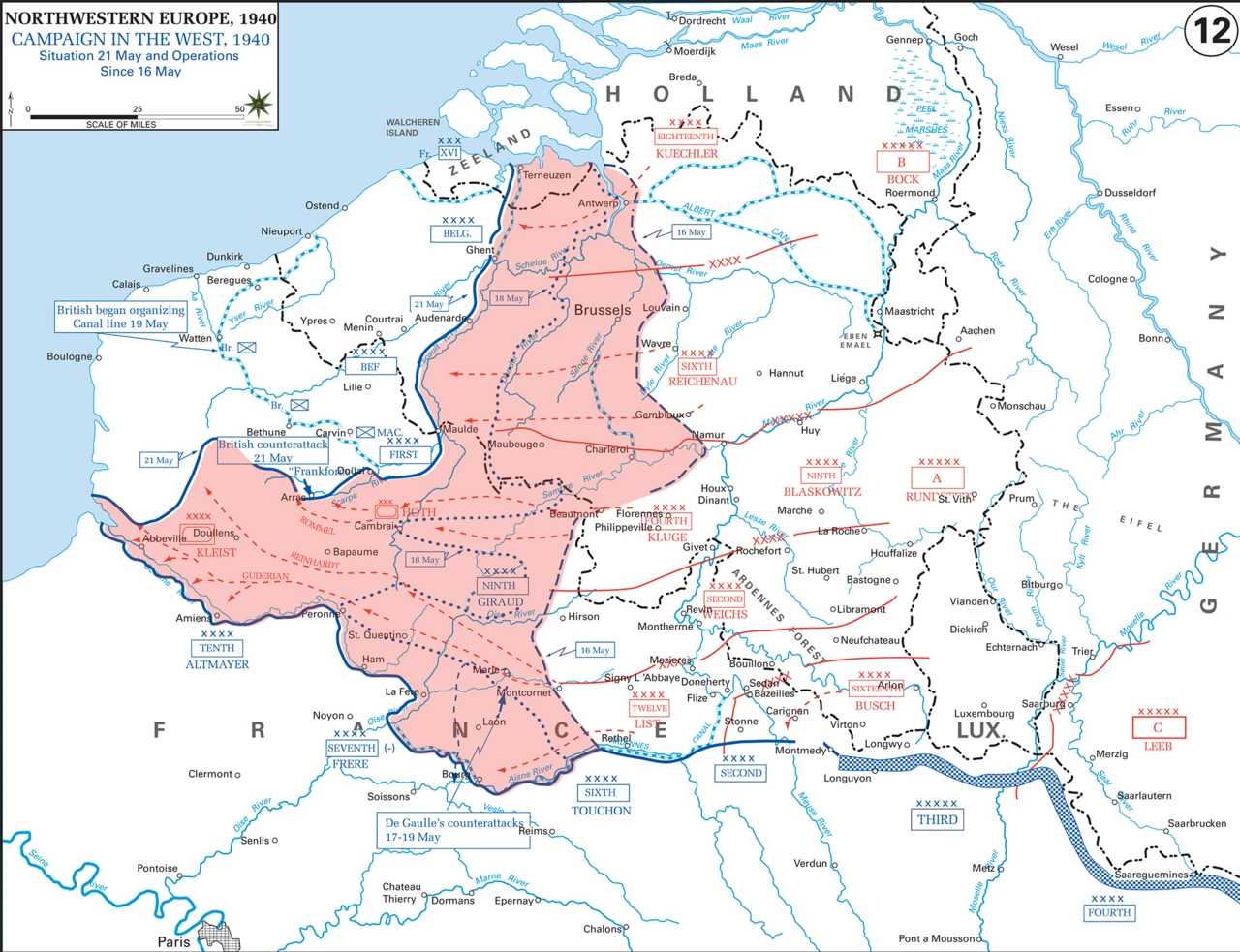
While Operation Dynamo lifted the BEF and the first French troops from the beaches of Dunkirk, the French 1st Army under General (Blanchard's successor after Billotte was fatally injured on 21 May) was encircled at Lille. 40,000 French soldiers remained trapped in the pocket, 50 miles from Dunkirk. For them, evacuation had become impossible.
General , 56, commanded the (Division d'Infanterie Nord-Africaine — Moroccan, Algerian, Senegalese tirailleurs and metropolitan French soldiers), one of the most solid formations in the French order of battle. On the morning of 28 May, Lille was attacked simultaneously by four German divisions of under General , including Rommel's , which closed the trap from the south.
Limited ammunition, no resupply, no possibility of evacuation — the road to Dunkirk had been cut since 27 May. Molinié had to choose between yielding Lille to spare the civilian population, fighting street by street to tie down the maximum number of German divisions away from Dunkirk, or attempting a breakout in force toward the coast.
Should Molinié yield Lille to spare the civilians?
Molinié applied B. For four days his units held street by street inside Lille: grenade fighting in the Vieux-Lille, defence of the Palais Rihour, fighting in the Vauban citadel. On 31 May 1940 at 12:30, Molinié surrendered with 35,000 surviving soldiers. The Wehrmacht (Wäger) granted him the honours of war — a parade of the garrison with flags and arms across the Grand-Place of Lille on 1 June before going into captivity. It was the first time a French garrison received that honour in 1940. Molinié was held in an Oflag until 1945. On release he returned to service and retired in 1947. He died in 1969. The sacrifice of Lille is today considered a decisive contribution to the success of Dynamo. Thirty percent of the defenders were colonial soldiers, including Senegalese tirailleurs — some of whom were massacred after the capitulation by SS units, an episode of the "Lille massacres" documented by in Hitler's African Victims (Cambridge UP, 2006). Lille has honoured its defenders annually since 1945.
Learn more about this event
Related polls
10
Boulogne — Fox-Pitt and the Guards facing the port
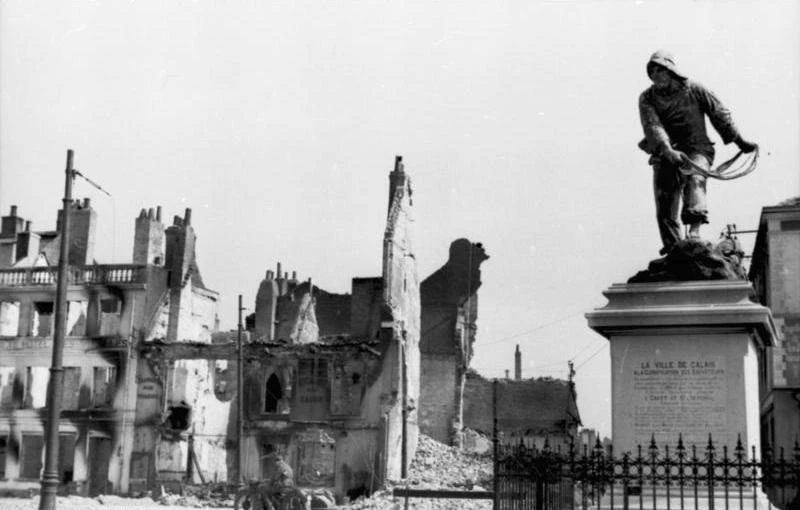
Calais — Nicholson facing the ultimatum
The Defence of Boulogne
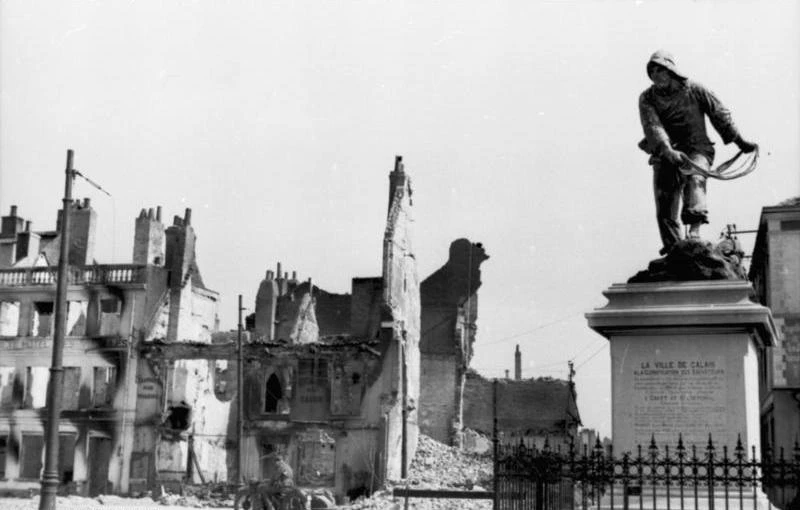
The Defence of Calais
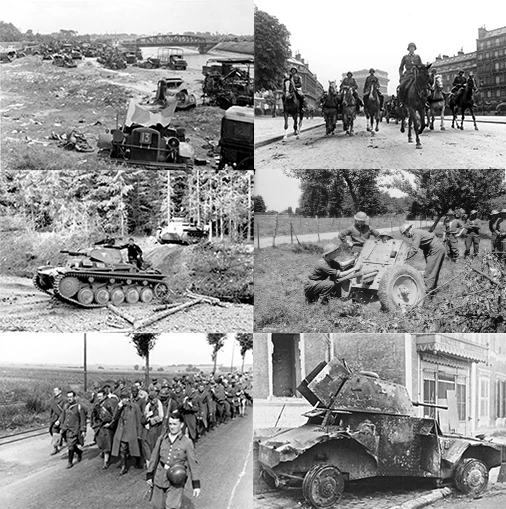
The Weygand Line on the Somme
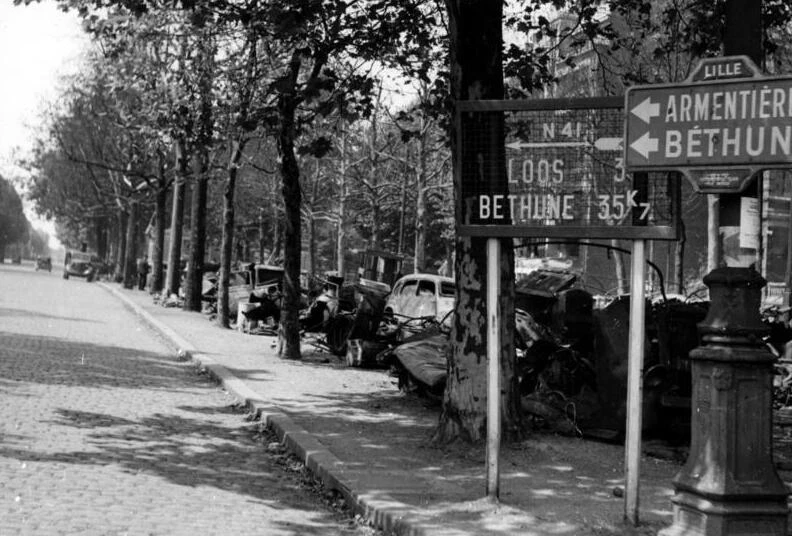
The Lille Pocket
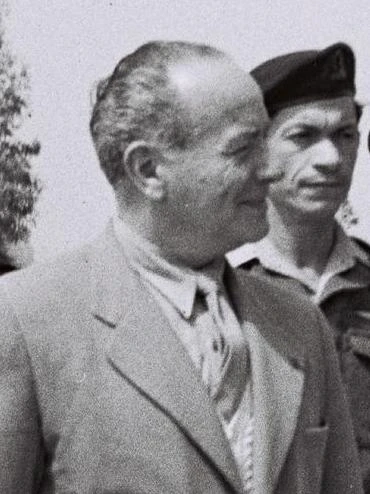
Stonne — Billotte facing the Panzer column
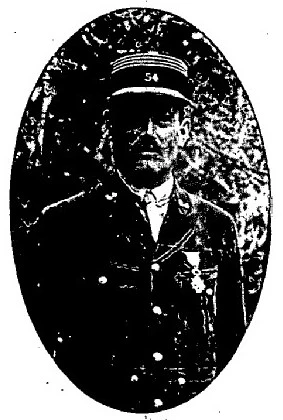
Touchon on the Aisne — Fall Rot
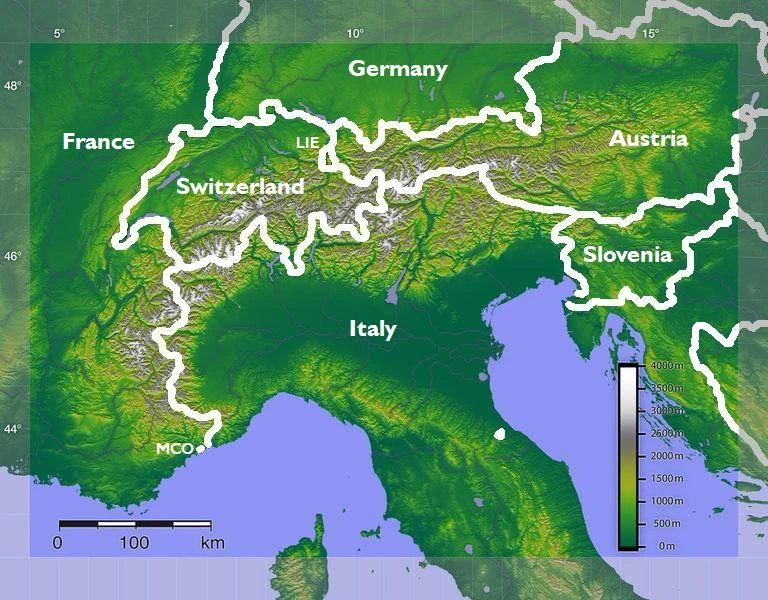
The Army of the Alps against the Italians
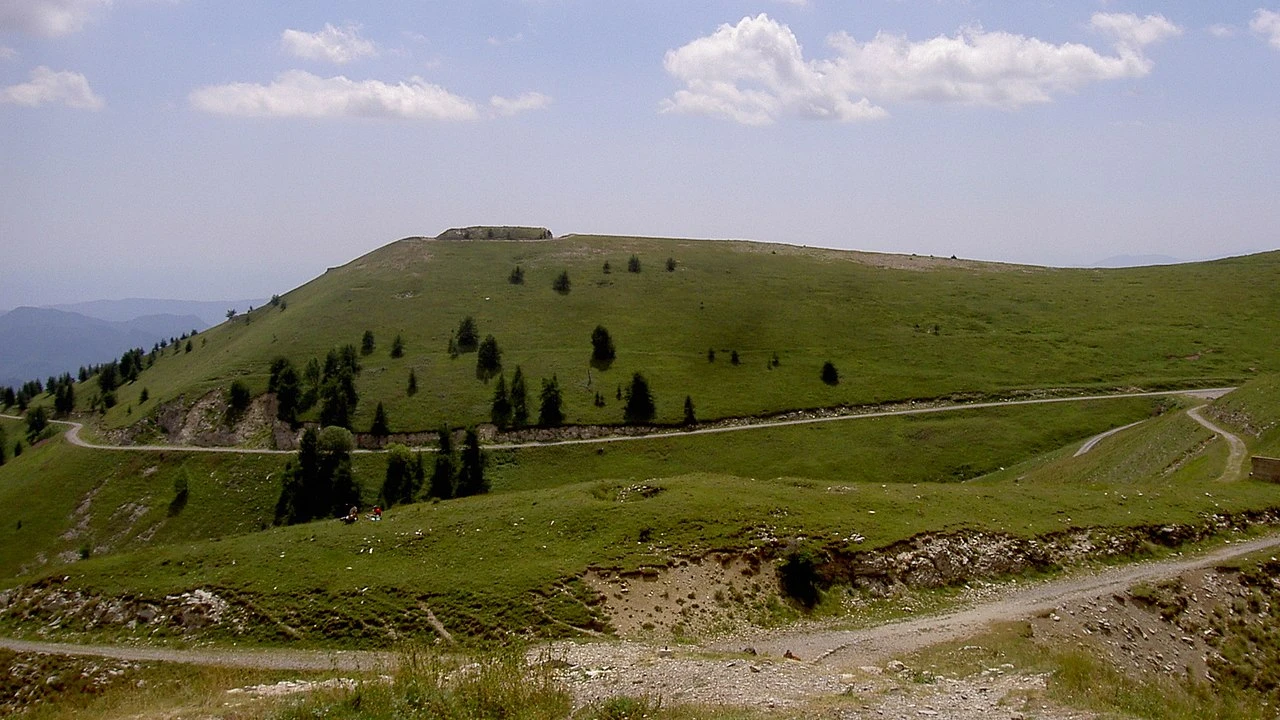
Boutmy at Mont-Cenis
Boulogne — Fox-Pitt and the Guards facing the port
Calais — Nicholson facing the ultimatum
The Defence of Boulogne
The Defence of Calais
The Weygand Line on the Somme
The Lille Pocket
Stonne — Billotte facing the Panzer column
Touchon on the Aisne — Fall Rot
The Army of the Alps against the Italians