
Kukiel at Crawford — first Scottish winter
From December 1939, the British government took in the first contingents of Polish soldiers exfiltrated via Hungary and Romania. The plan: to build in Britain a nucleus of a free Polish army, in parallel with the French-based formations (). But French priority and British reluctance delayed the creation.
, 54, military historian (before the war a professor at Cracow) and Polish general, commanded the assembly camp at Crawford (Lanarkshire, Scotland). Strength as of 31 December 1939: 2,200 Polish soldiers. Mission: training, organisation, waiting.
Difficulties: British equipment unavailable, soldiers idle, damp climate (bad for pneumonia), tensions with the local authorities (problems of drunken discipline, clashes with civilians). First Scottish winter: 8 deaths among the Polish soldiers (pneumonia, accidents).
Kukiel had to decide how to put his men to useful work.
How should Kukiel keep his men usefully occupied?
Kukiel applied A. A daily military training programme: Lee-Enfield rifle shooting, tactical instruction in English (intensive course), physical conditioning. From June 1940 (after the Dunkirk evacuation), the Poles in Scotland were joined by the Polish forces evacuated from France (Sosabowski, Maczek, Bohusz-Szyszko's ). By 30 June 1940, 30,000 Polish soldiers were in Britain. Creation of the (in Egypt), the (Scotland), the (RAF), the (Italy under Anders from 1943). At its peak in 1944: 228,000 Poles under arms in the Allied camp. Kukiel became Minister of Defence in the Polish government in exile 1942-1949. He refused to return to communist Poland. He settled in London and resumed his career as a historian (publishing Zarys historii wojskowości w Polsce, 1949). Died in London in 1973. The Polish forces in exile were the fourth-largest Allied army by manpower (after the US, USSR, UK).
Learn more about this event
Related polls
10
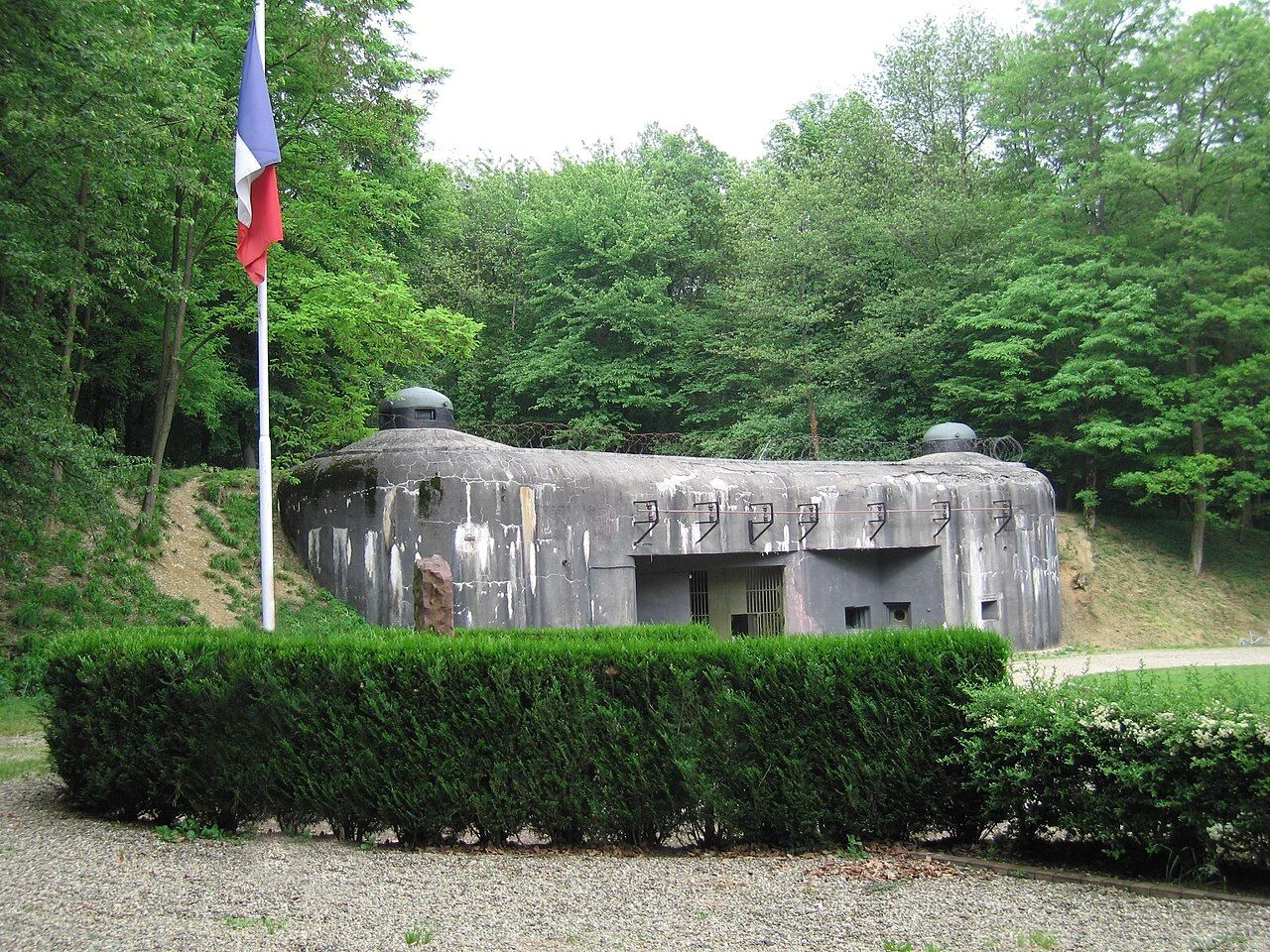
Hackenberg — a poilu on the Maginot
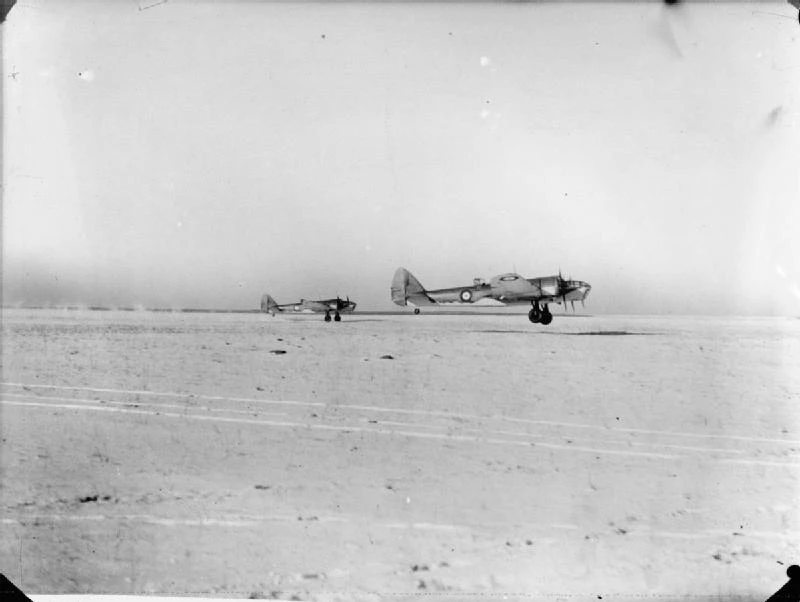
The British Soldier Sent to France with the BEF
"Cromwell" — England, 7 September 1940
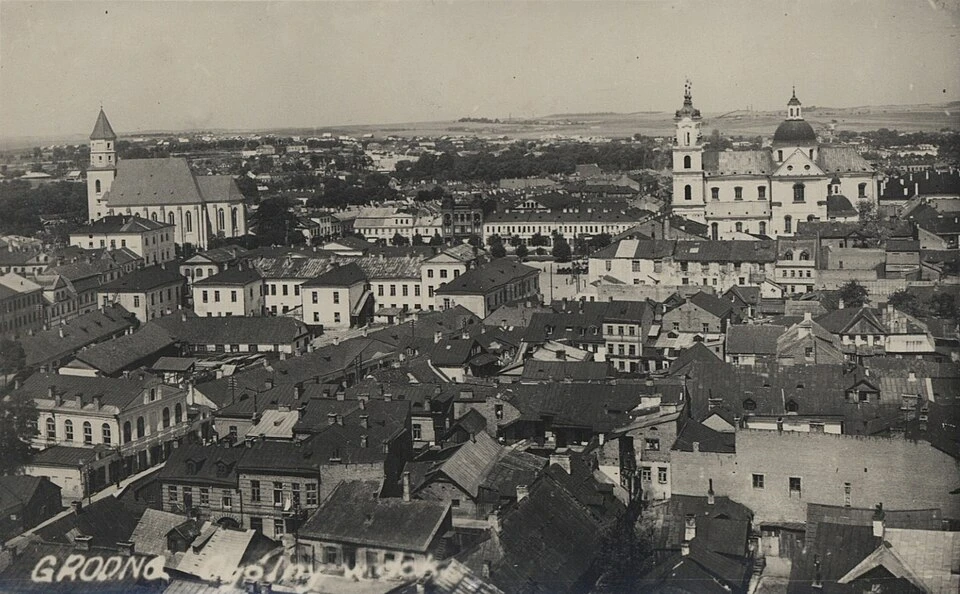
Grodno — the harcerze on Skidelska Street
The abatis of the Chasseurs Ardennais
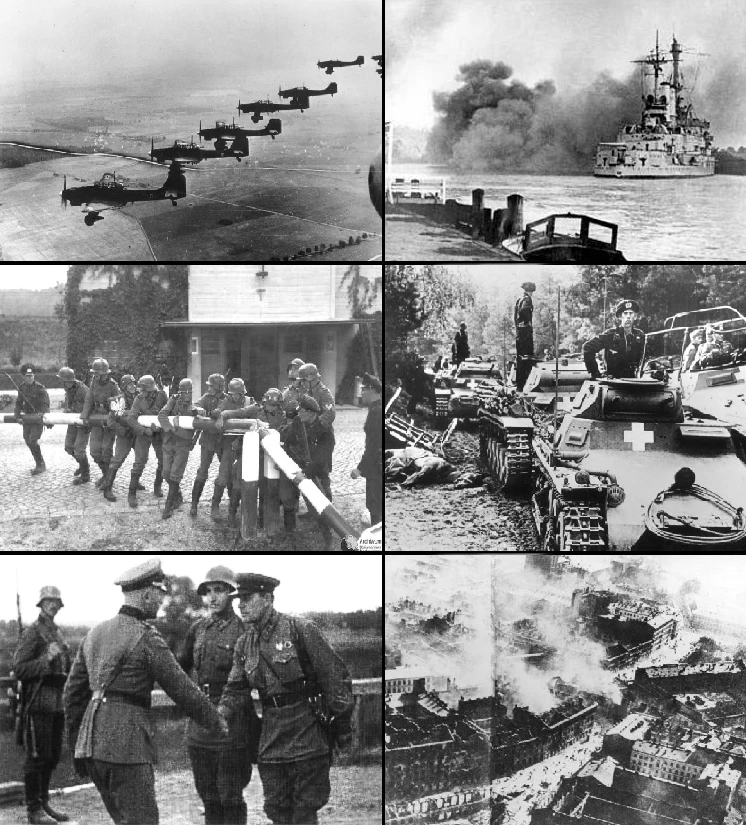
The Polish Army and the Deployment
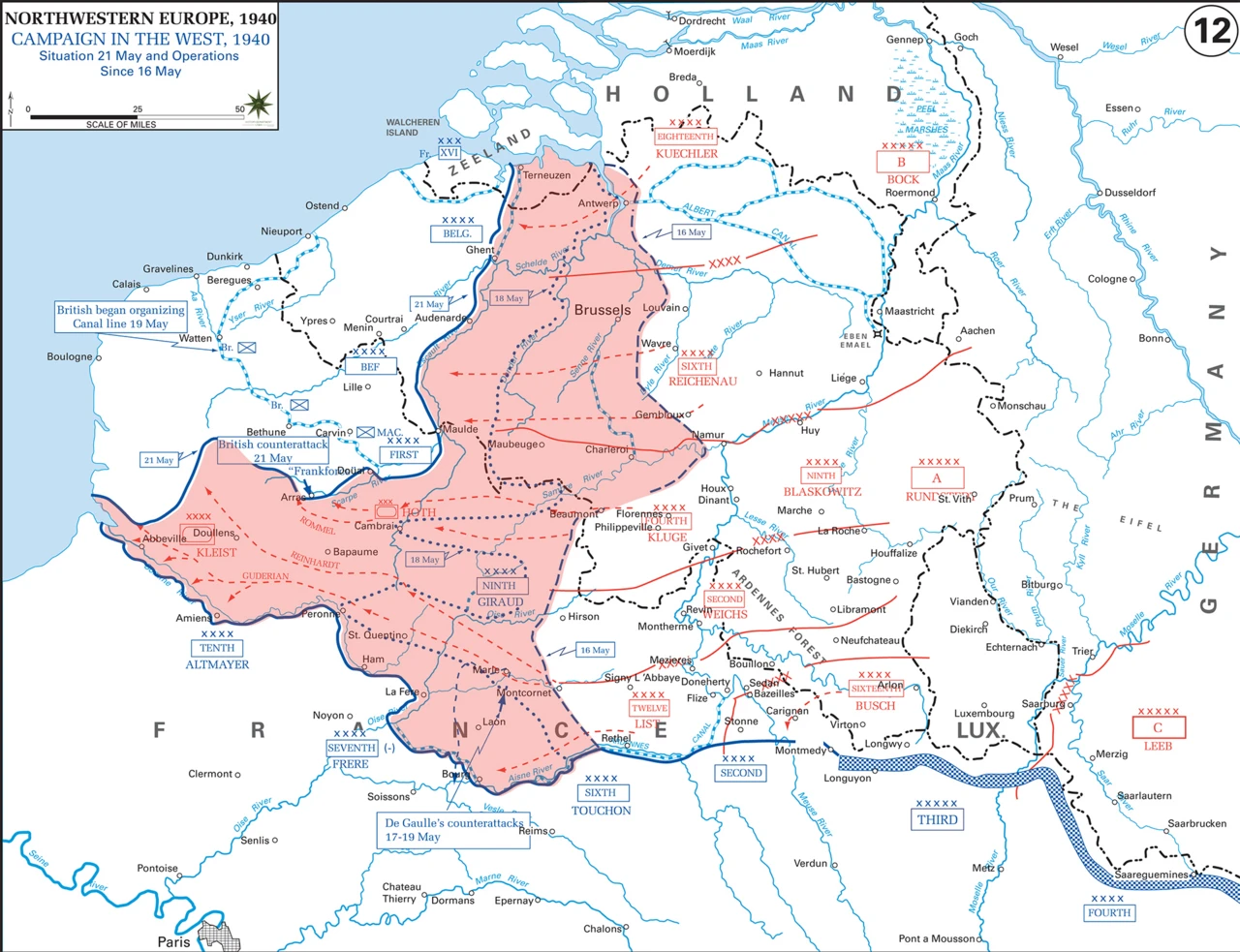
Arras — the Matildas against Rommel's flank
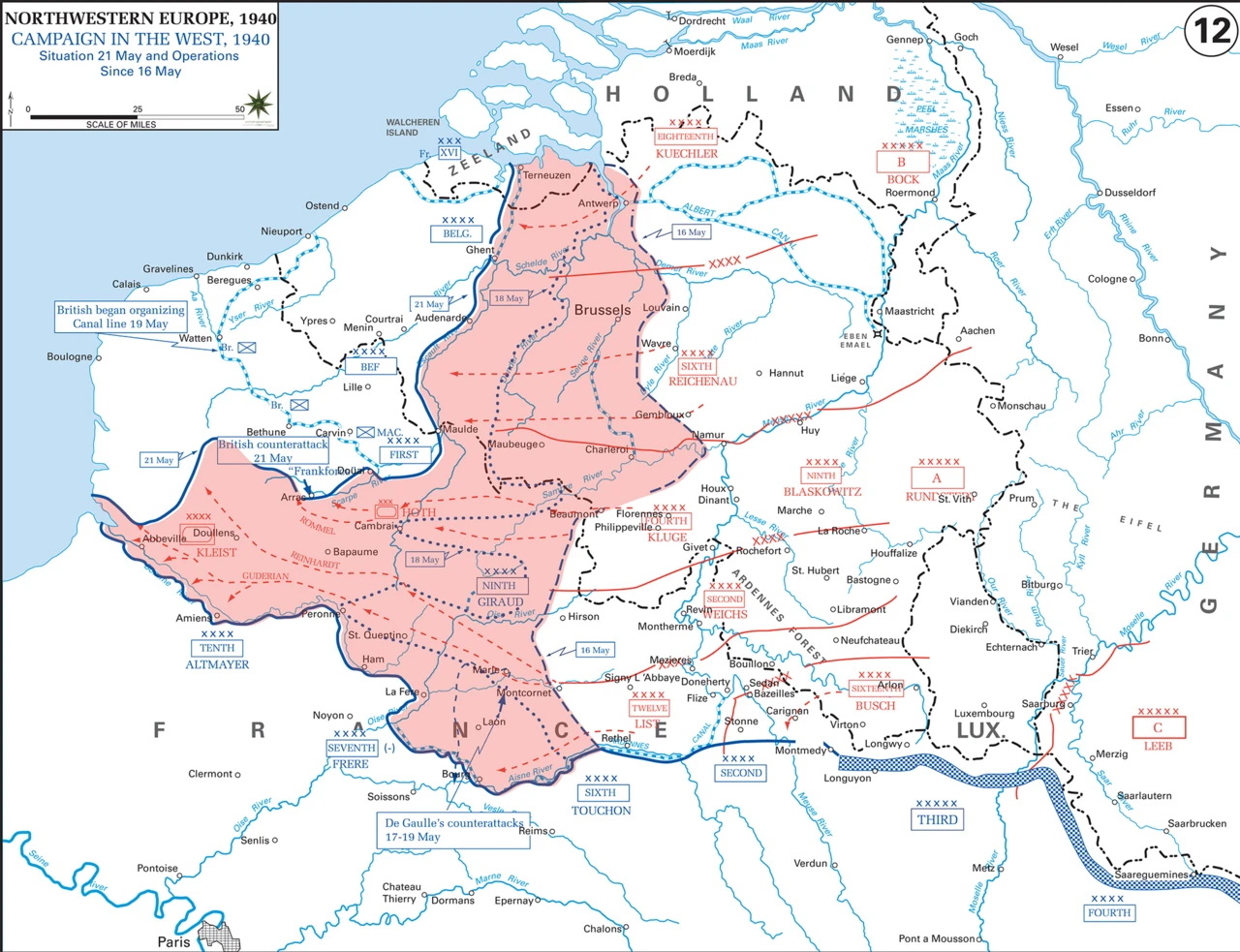
The tank battle of Hannut
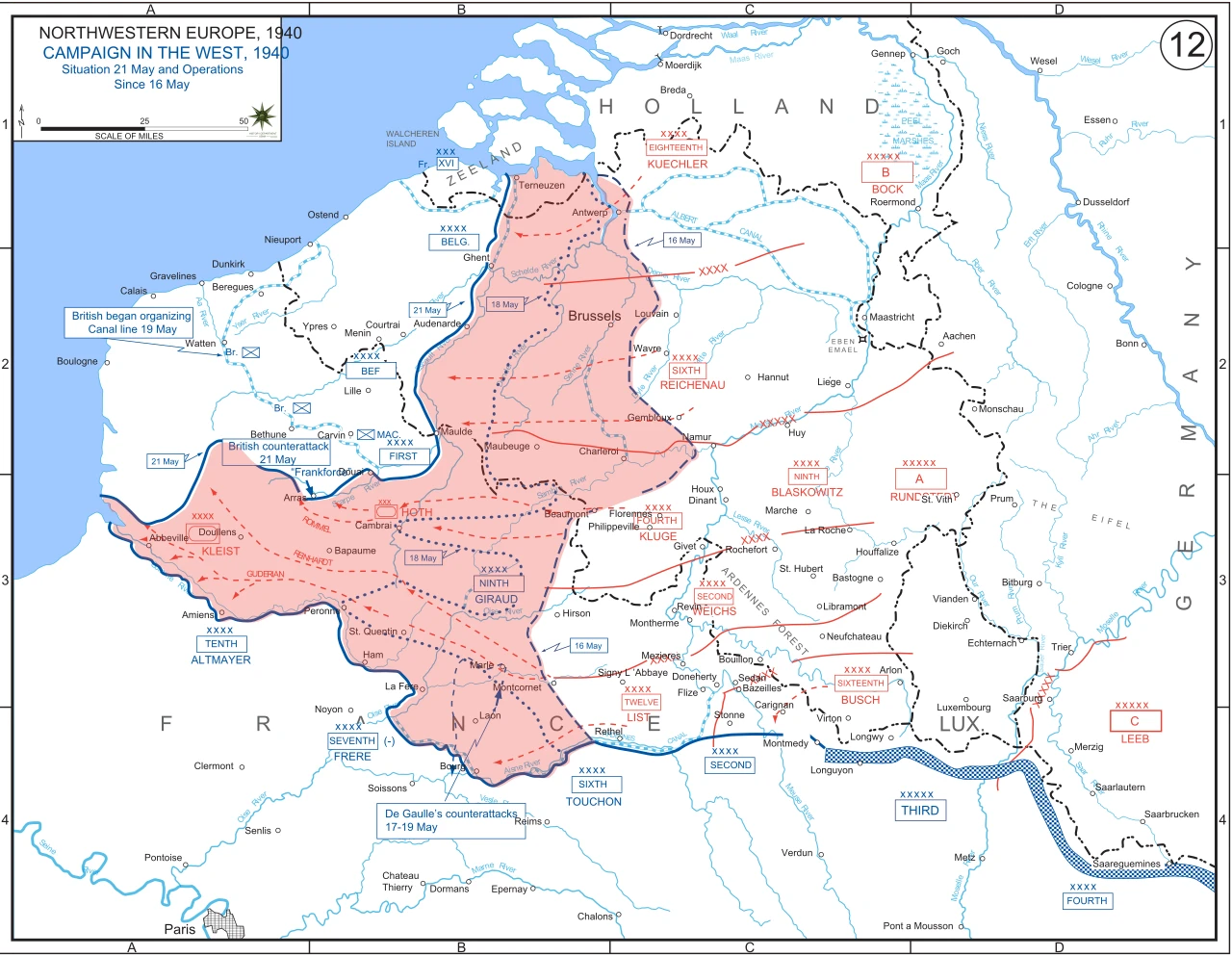
The Battle of the Lys
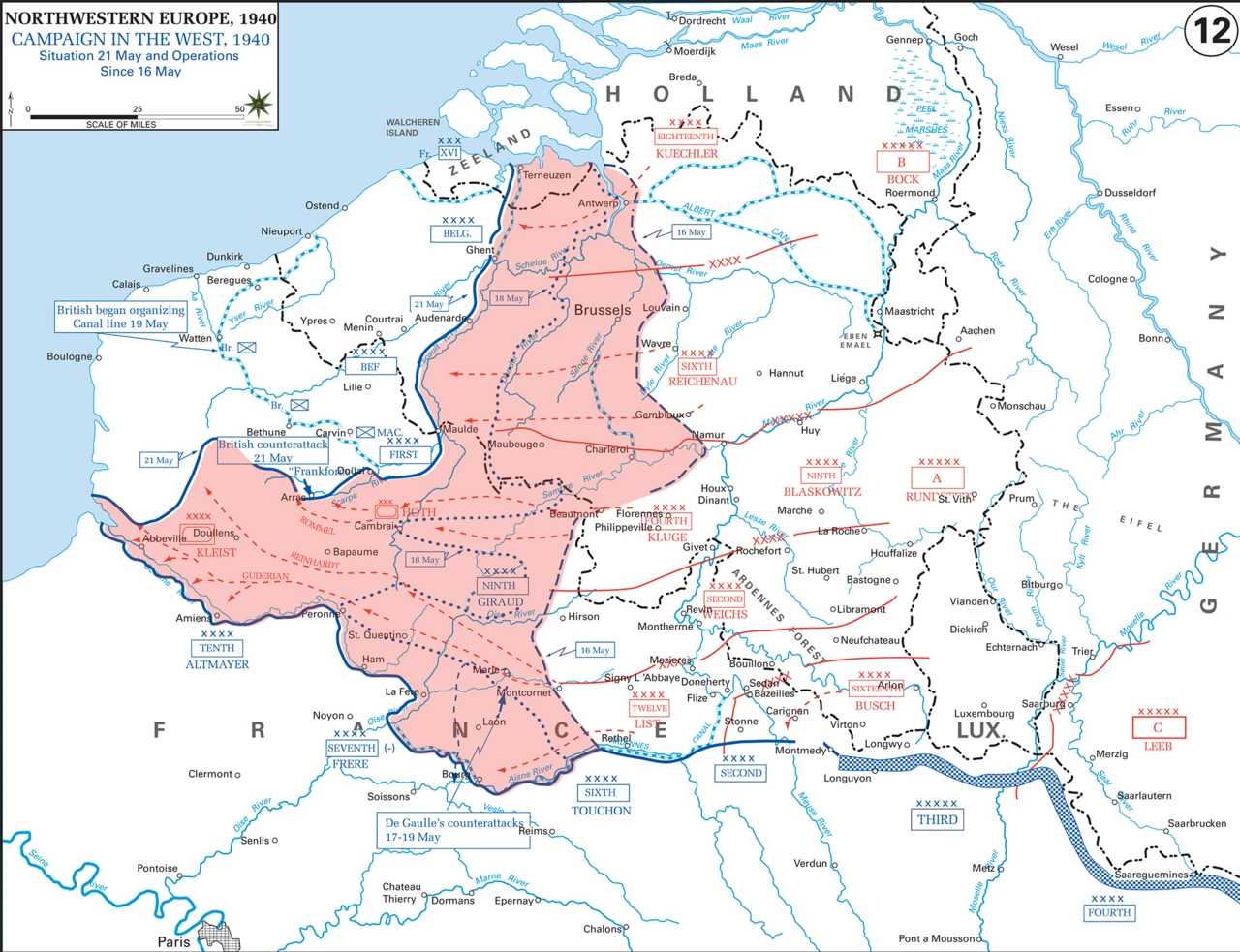
Boulogne — Fox-Pitt and the Guards facing the port
Hackenberg — a poilu on the Maginot
The British Soldier Sent to France with the BEF
"Cromwell" — England, 7 September 1940
Grodno — the harcerze on Skidelska Street
The abatis of the Chasseurs Ardennais
The Polish Army and the Deployment
Arras — the Matildas against Rommel's flank
The tank battle of Hannut
The Battle of the Lys