
Wilhelmina — The Hague after Venlo
Wilhelmina, 59, has been Queen of the Netherlands since 1898 — forty-one years on the throne. Politically active, authoritarian within the bounds of Dutch parliamentarism, she kept her country neutral throughout the First World War and intends to repeat the trick. Her Prime Minister (Christian Historical Union, moderate) is a partisan of strict neutrality. Her Foreign Minister is more wary: he thinks Germany will not respect Dutch neutrality indefinitely.
The Dutch army musters 280,000 mobilised men in September 1939, with mediocre equipment — Mannlicher rifles dating from the 1890s, little modern artillery, 32 obsolete light tanks, an air force of 124 mostly outdated machines (Fokker D.XXI). Military doctrine: hold the Vesting Holland ("Fortress Holland", the inundable defences around Rotterdam, The Hague and Amsterdam) until international mediation can intervene.
On 5 September, in concert with , Wilhelmina declares Dutch neutrality. On 7 November 1939 she will co-sign with an Appeal for Peace addressed to Hitler, Daladier and Chamberlain — politely refused by all three. On 8 November 1939, the Venlo Incident: two British SIS agents (Best and Stevens) are seized by the Gestapo on the Dutch frontier, an episode that gives Hitler reason to harden his rhetoric against "complicit Belgian and Dutch neutrality". Wilhelmina is briefed and has to decide whether to shift her stance.
What to do in the wake of the Venlo Incident (mid-November 1939)?
Wilhelmina chooses A and partially B. Strict neutrality is maintained publicly. Very limited secret discussions with Gamelin (notably on the Breda Plan to extend the French line toward Antwerp, which would be put into effect in May 1940). On 10 May 1940 at 03:55, the Wehrmacht invades the Netherlands. Wilhelmina resists on the spot for four days. On 13 May, with the front collapsing and a German plot to capture her (paratroopers on The Hague) exposed, she boards HMS Hereward at Hoek van Holland — a few hours before the neighbouring destroyer HMS Express sails with the Dutch government. She reaches London, becomes the soul of the Dutch resistance in exile, returns to The Hague in May 1945. She abdicates in 1948 in favour of her daughter Juliana. Dies in 1962. Her decision of September 1939 would be contested by the post-war Netherlands — much like 's in Belgium.
Learn more about this event
Related polls
10
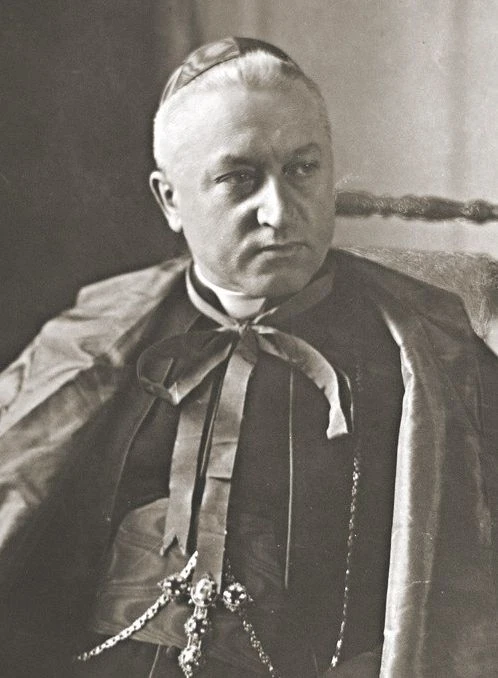
Cardinal Hlond — the Vatican's instruction
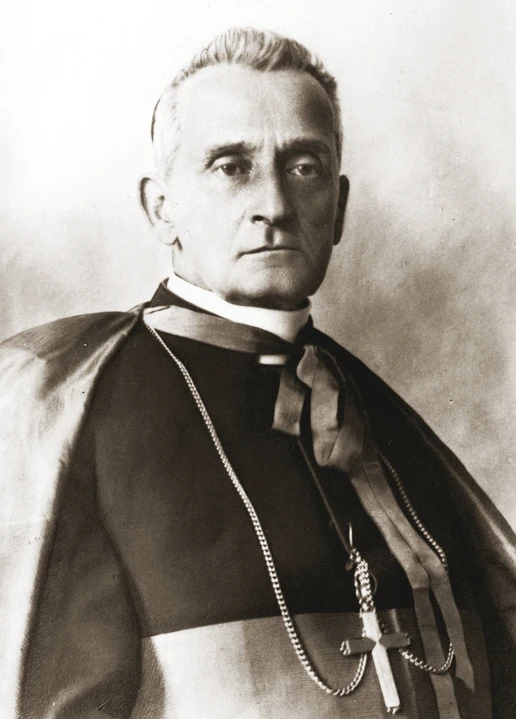
Cardinal Sapieha — Krakow under Occupation
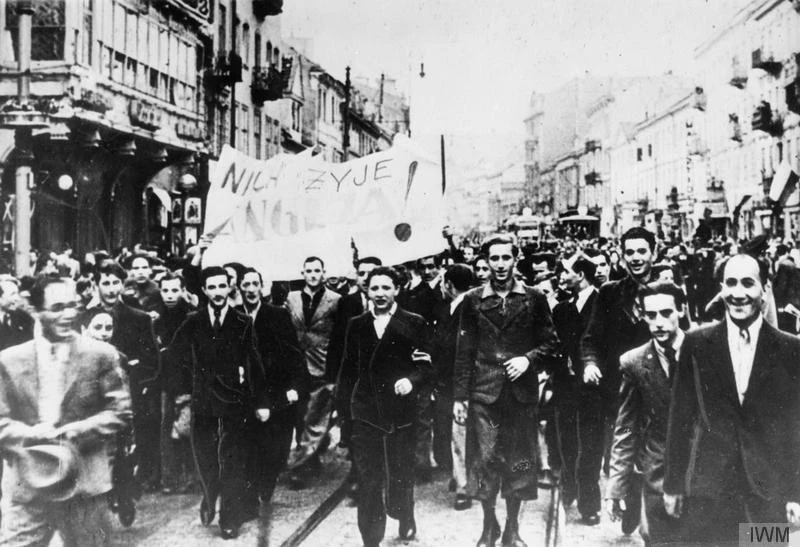
Chamberlain — 11:15 BST
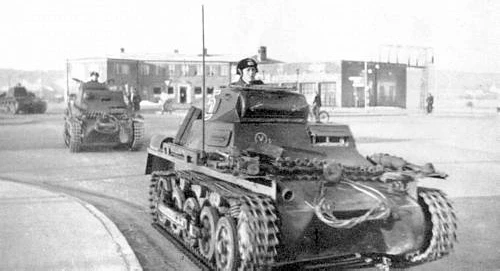
Christian X — Amalienborg, 1 September
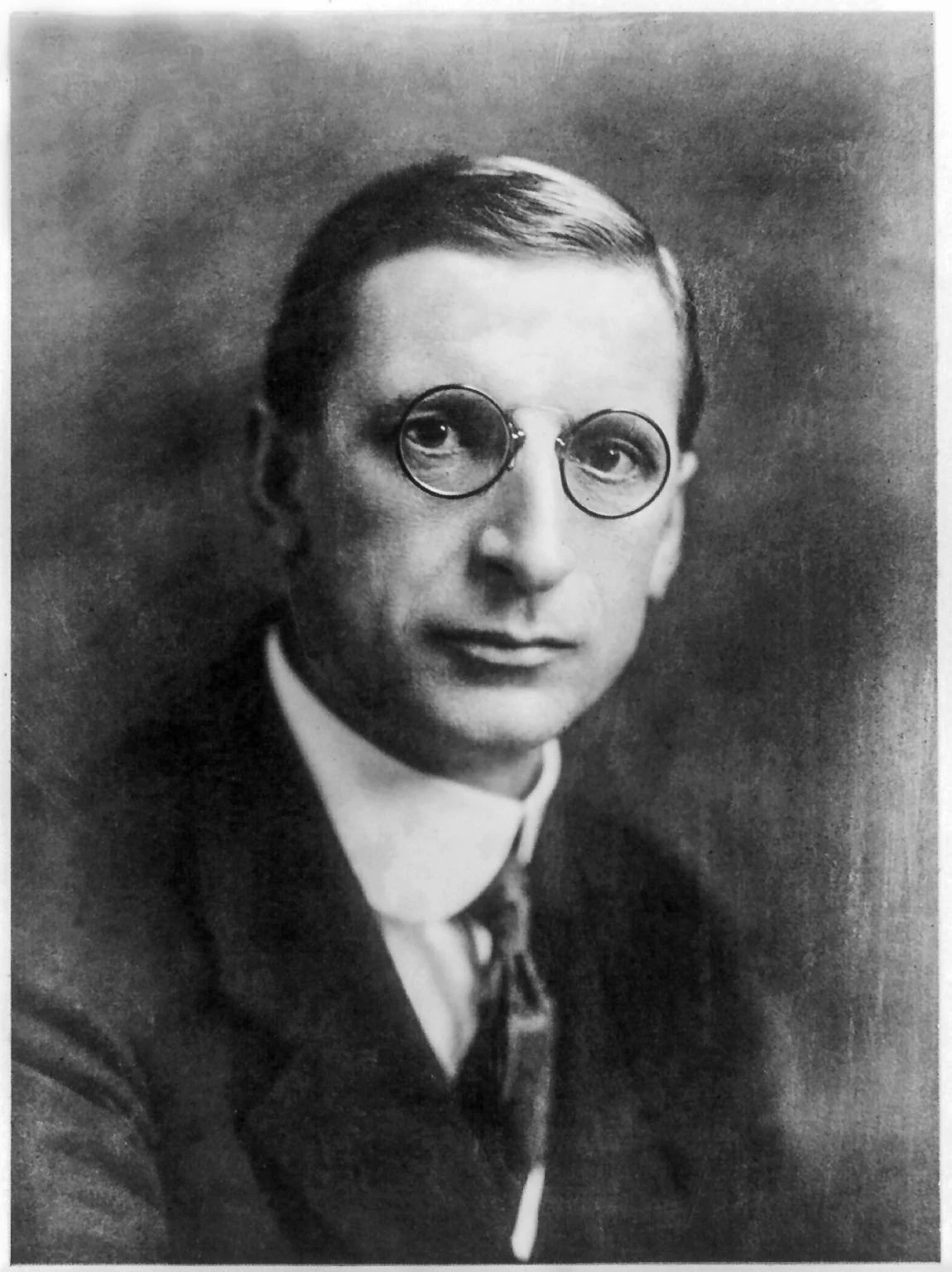
De Valera — Leinster House, 2 September
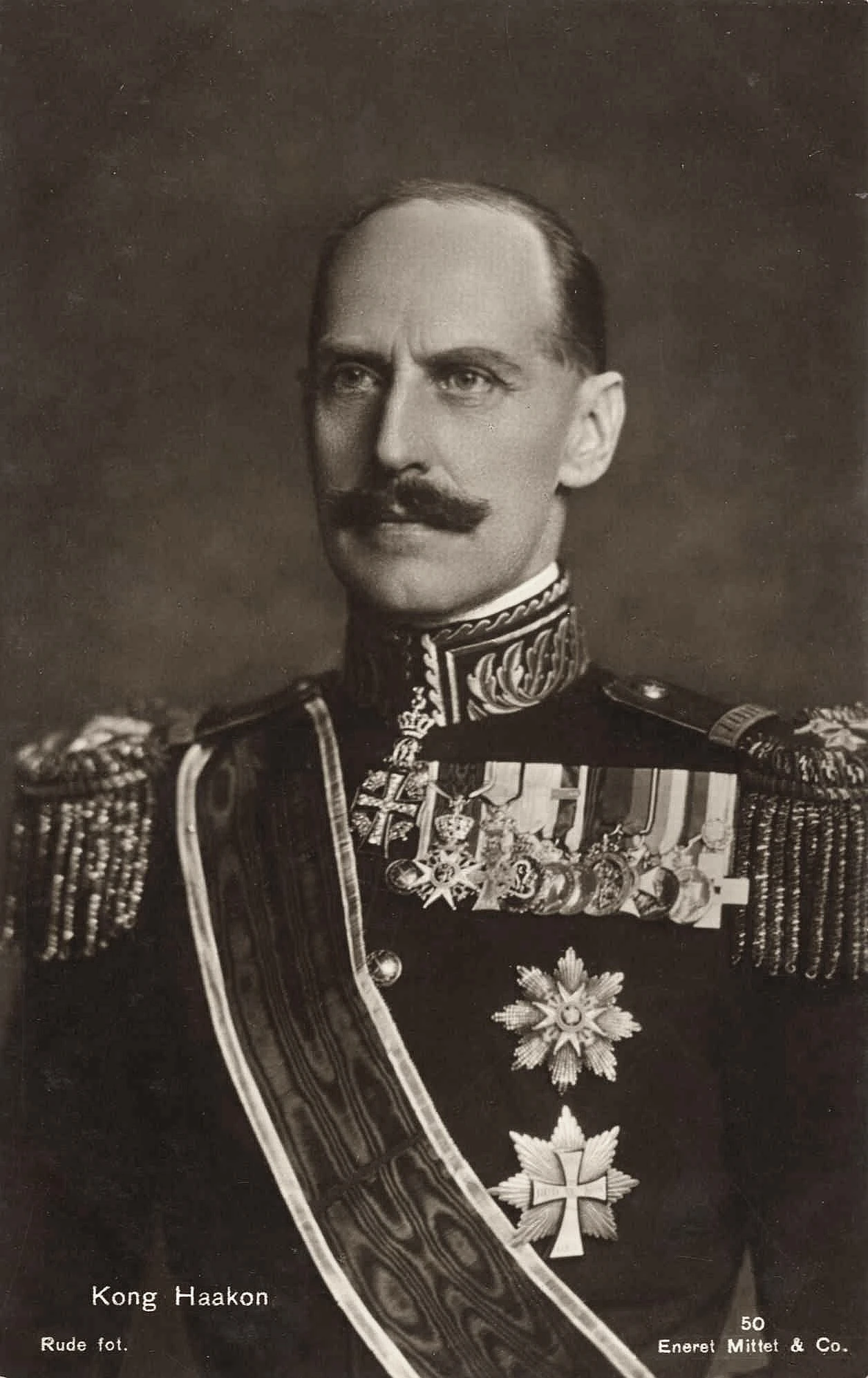
Haakon VII — Facing the Cross-Pressures
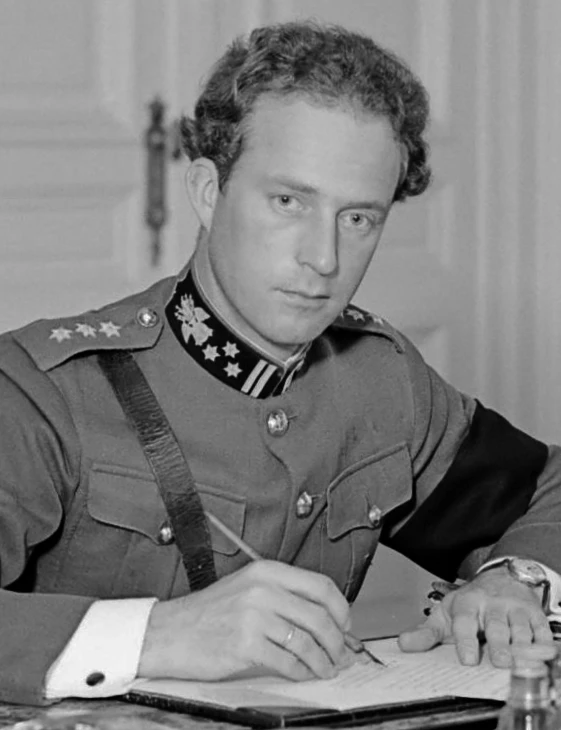
Leopold III — Brussels, 3 September
Maurras and the phoney war
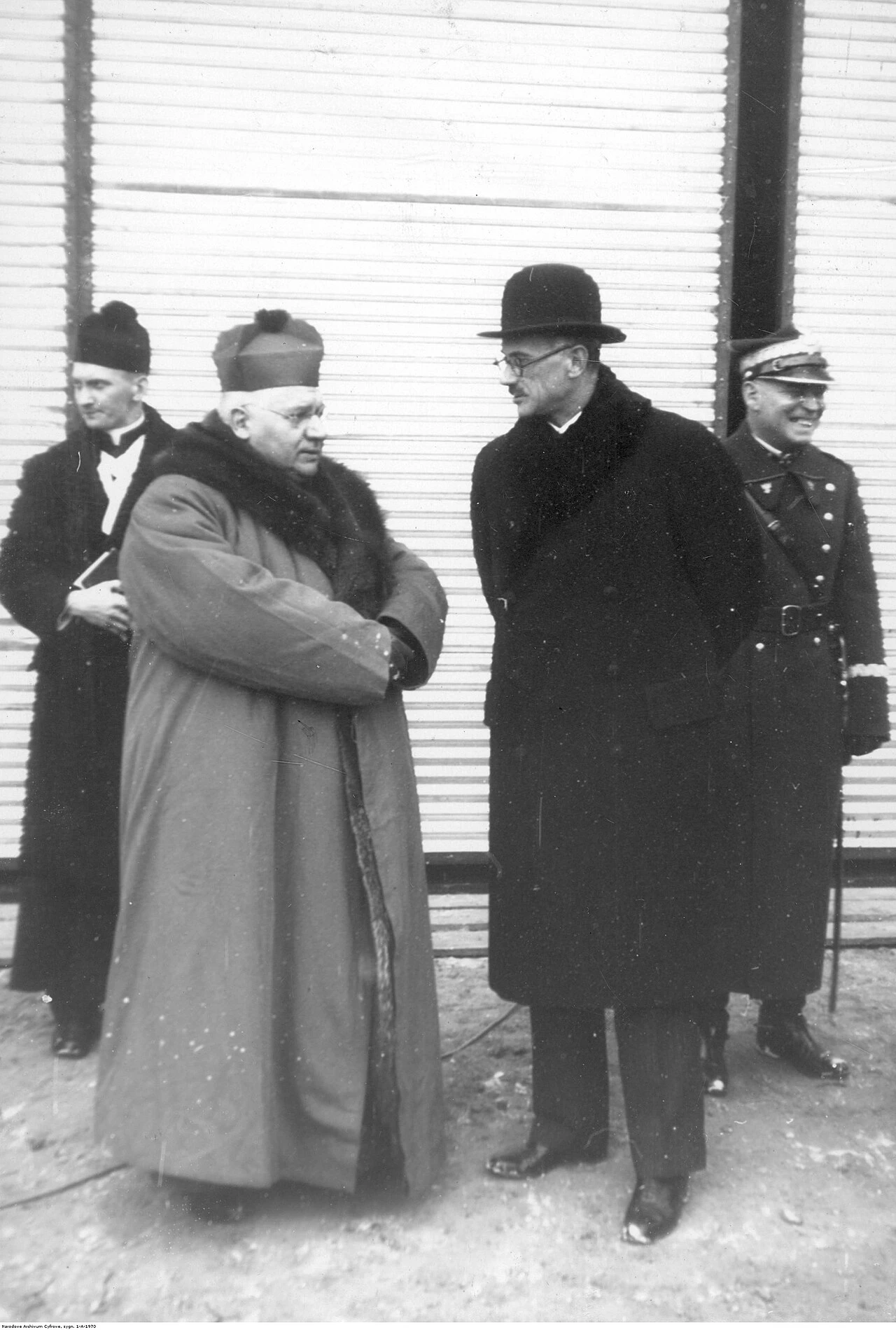
Bishop Adamski in annexed Katowice
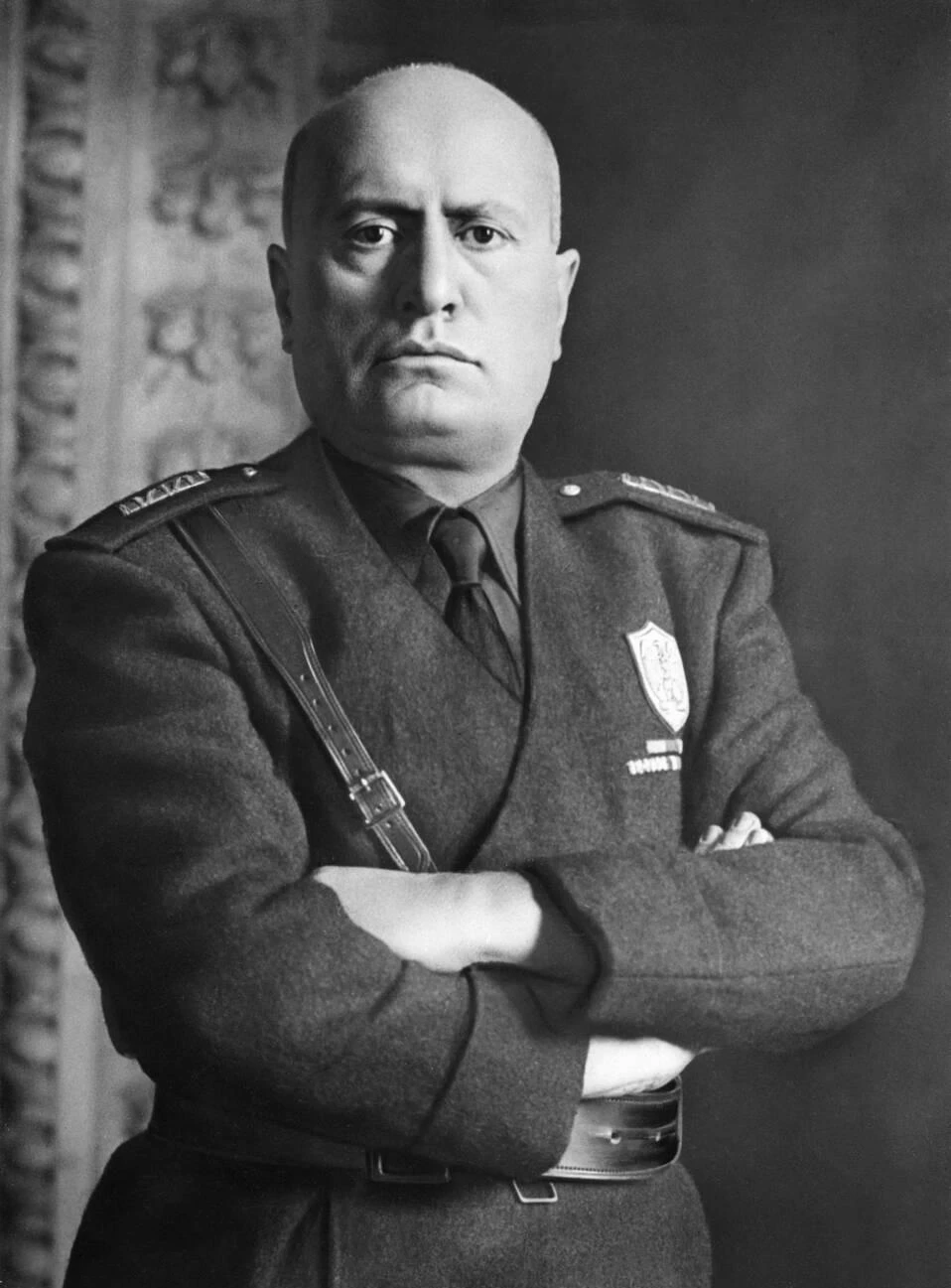
Mussolini — Palazzo Venezia, 1 September
Cardinal Hlond — the Vatican's instruction
Cardinal Sapieha — Krakow under Occupation
Chamberlain — 11:15 BST
Christian X — Amalienborg, 1 September
De Valera — Leinster House, 2 September
Haakon VII — Facing the Cross-Pressures
Leopold III — Brussels, 3 September
Maurras and the phoney war
Bishop Adamski in annexed Katowice