
Somerville off Oran — 4:54 p.m.
Vice-Admiral , 58, commands from Gibraltar, tasked with carrying out Operation Catapult against the French fleet at Mers-el-Kébir. He deeply disapproves of the mission, which he has described to his own as 'the most useless, the most political and the most immoral' of acts; he tried unsuccessfully to dissuade the Admiralty. London, fearing the fleet may one day fall into Axis hands, has imposed on him a strict timetable and an ultimatum with a fixed deadline.
The ultimatum presented to Gensoul expires at 5:00 p.m. As the deadline nears, Gensoul has made known his refusal and the French fleet is weighing anchor, turrets training on . Somerville watches the movement through binoculars. He knows that in the roadstead the French ships lie at anchor, poorly placed to fight, and that the carnage will be great if he opens fire. The talks conducted aboard since morning by the British emissary have yielded nothing, and the carrier Ark Royal holds its aircraft ready.
With the ultimatum expired, Somerville must open fire. The very manner of engaging — which ship to target, at what range, with what intensity — will determine the scale of the losses among sailors who were allies the day before.
How should Somerville open fire on the French fleet?
The engagement is in fact A, at full power. From the first salvoes the old battleship Bretagne is hit; around 5:09 p.m., the explosion of her magazines capsizes her in minutes, taking 977 sailors with her. The Dunkerque and the Provence are seriously damaged and run aground; only the Strasbourg manages to escape and rally Toulon. The total toll reaches 1,297 French sailors killed, with no British losses. Somerville will write to Admiral Pound: 'I felt physically sick when I gave the order.' Mers-el-Kébir lastingly marks the memory of both navies: a proof of determination for the British, a wound and resentment for France, exploited by Vichy propaganda.
Learn more about this event
Related polls
10
Gensoul Receives Holland — Mers-el-Kébir 10:00
Fegen and the Jervis Bay — convoy HX-84
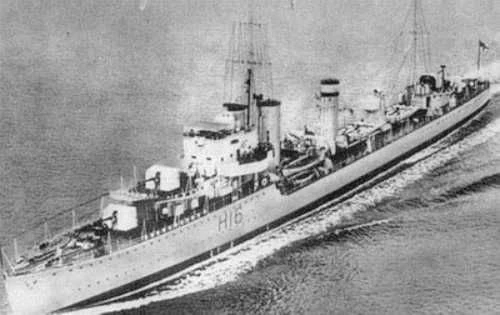
HMS Daring in the Pentland Firth
HMS Glowworm against the Admiral Hipper
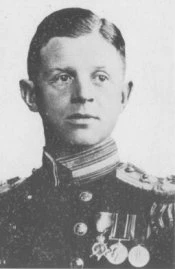
Warburton-Lee in the Ofotfjord — 10 April
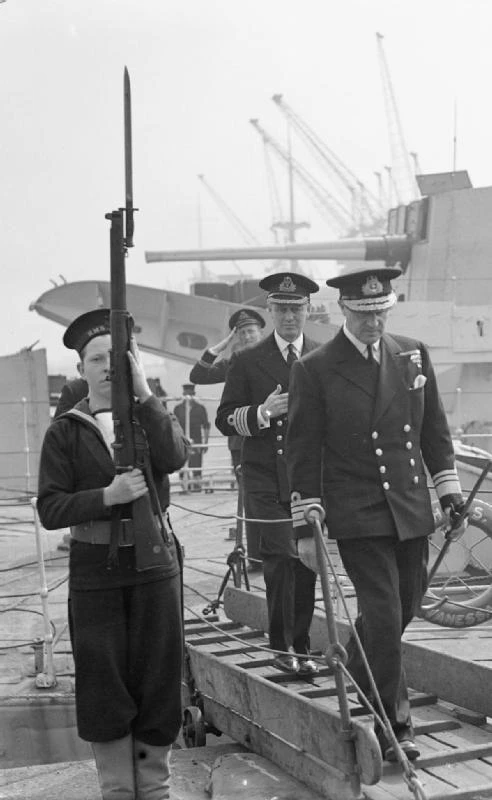
Whitworth and the Warspite — 13 April
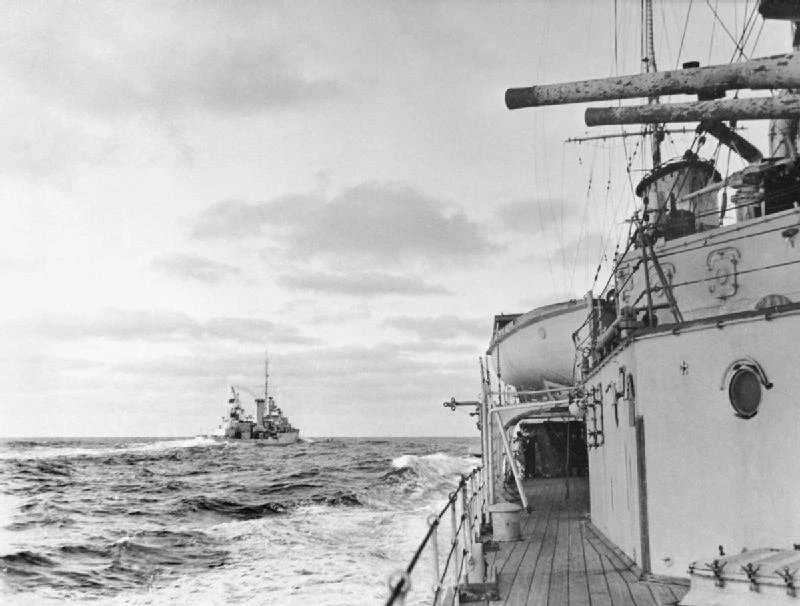
Harwood against the Graf Spee
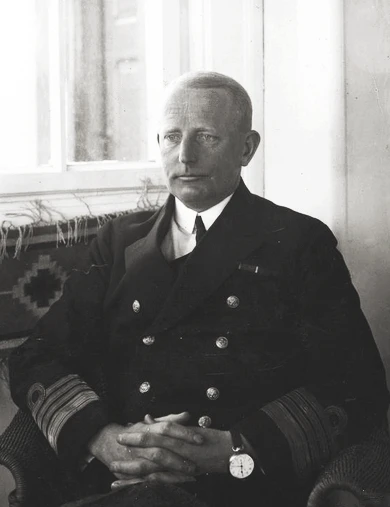
Hel — Unrug faces the German envoy
HMS Courageous — Makeig-Jones after the Torpedoes
HMS Rawalpindi — Kennedy at 3:47 p.m.
Gensoul Receives Holland — Mers-el-Kébir 10:00
Fegen and the Jervis Bay — convoy HX-84
HMS Daring in the Pentland Firth
HMS Glowworm against the Admiral Hipper
Warburton-Lee in the Ofotfjord — 10 April
Whitworth and the Warspite — 13 April
Harwood against the Graf Spee
Hel — Unrug faces the German envoy
HMS Courageous — Makeig-Jones after the Torpedoes