
Small states wedged between rival powers, Switzerland, Belgium and the Netherlands watch the rising perils with anguish. Neutrality is their tradition and their shield; but the annexation of Austria, the dismemberment of Czechoslovakia and the invasion of Albania have shown that a neutral status protects from nothing if one is defenceless.
Switzerland, in particular, scrutinises its borders. Its Federal Council must decide on the posture to adopt as war approaches. The Alpine geography offers defensive assets, but the country is small and surrounded by Axis and Allied powers.
Three orientations take shape. To reinforce the army massively and prepare a deterrent resistance — 'armed neutrality' — making it understood that an invasion would come at a high price? To rely on diplomatic neutrality and international law alone, while limiting military spending? Or to seek discreetly the protection of one camp, at the risk of losing the independence that makes up the country's identity? The credibility of neutrality will depend on these choices.
Should Switzerland arm itself to make its neutrality a deterrent, or rely on international law alone?
Switzerland chooses A: it bets on armed neutrality. At the end of August 1939, it decrees general mobilisation and entrusts command of the army to General , an advocate of resolute defence. The country reinforces its fortifications and will later make the choice of the Alpine 'National Redoubt' to deter any invasion. Belgium and the Netherlands also bet on an armed neutrality, but with fewer means and a less favourable geography — which will not protect them from the invasion of 1940. Switzerland, for its part, will pass through the war without being invaded, its armed neutrality being only one factor among others in this singularity.
Learn more about this event
Related polls
10
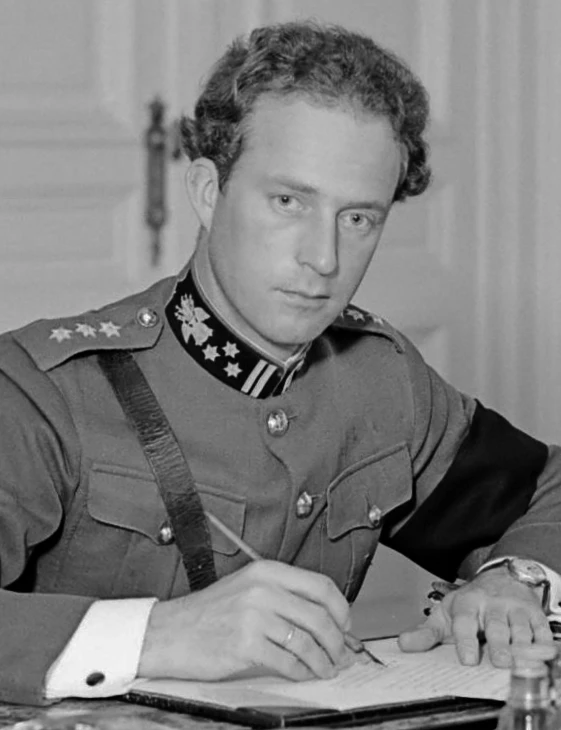
Brussels, September 1939: a small country's tightrope walk
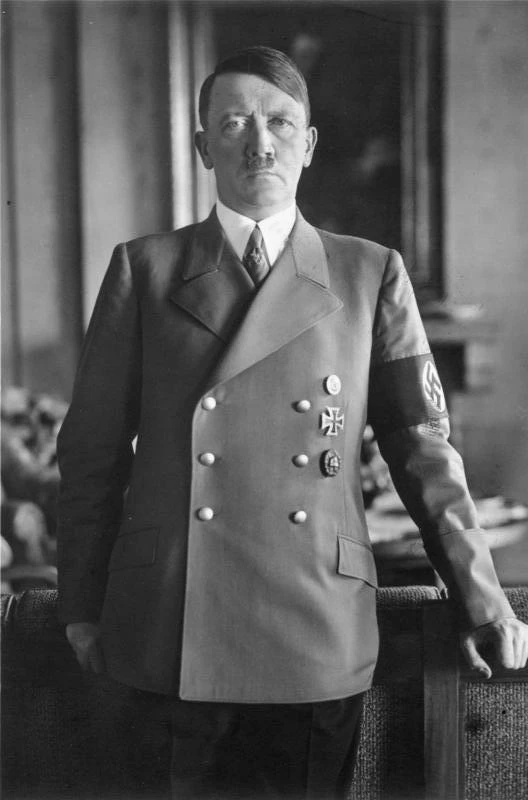
The Obersalzberg Speech
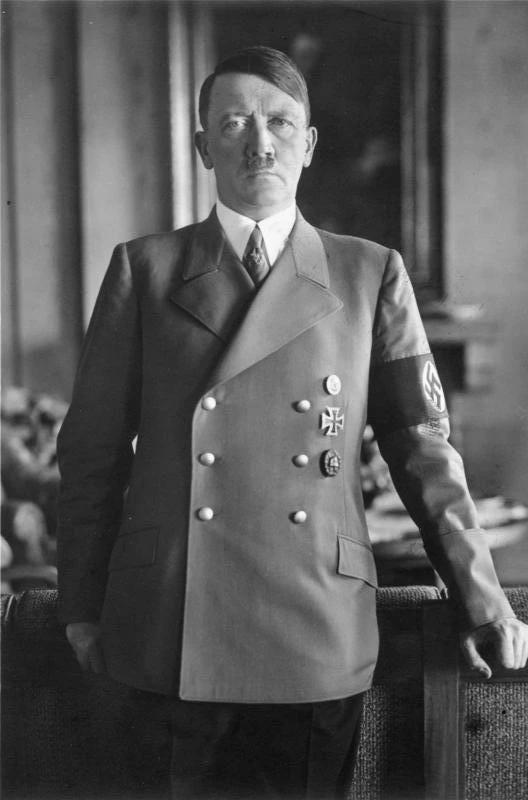
Hitler Before His Generals
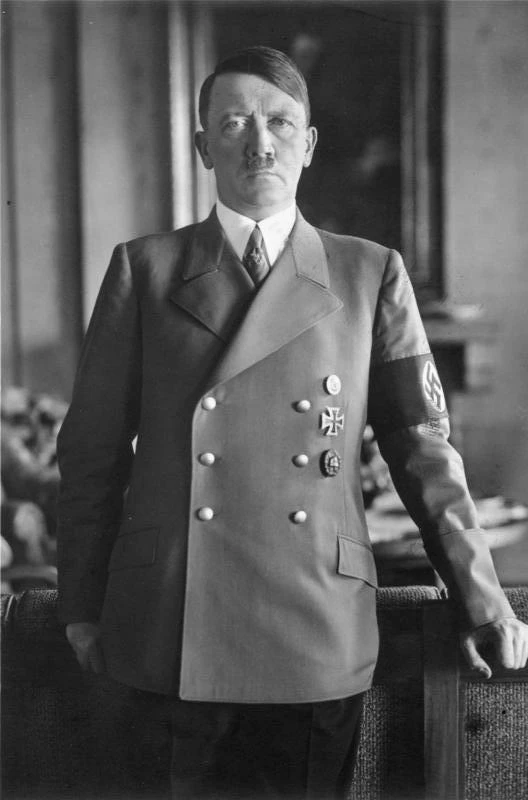
Hitler Postpones Fall Weiss
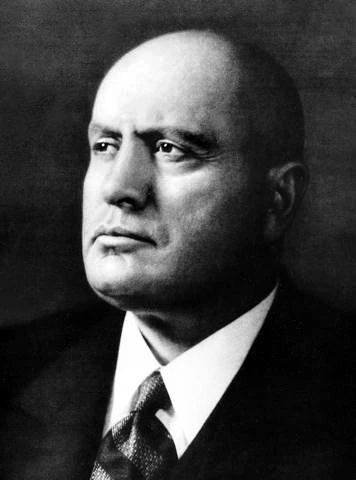
Italy Is Not Ready
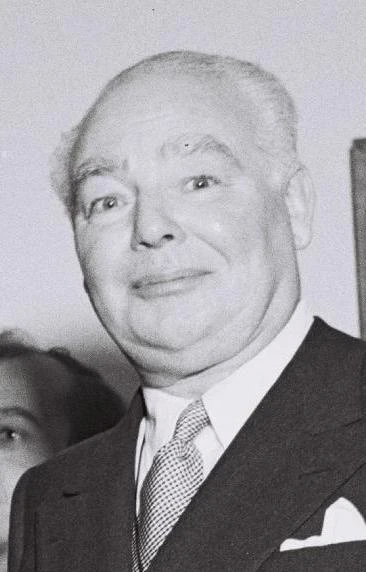
The Military Training Act
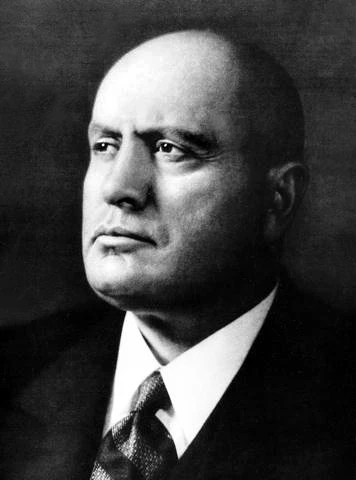
The Pact of Steel
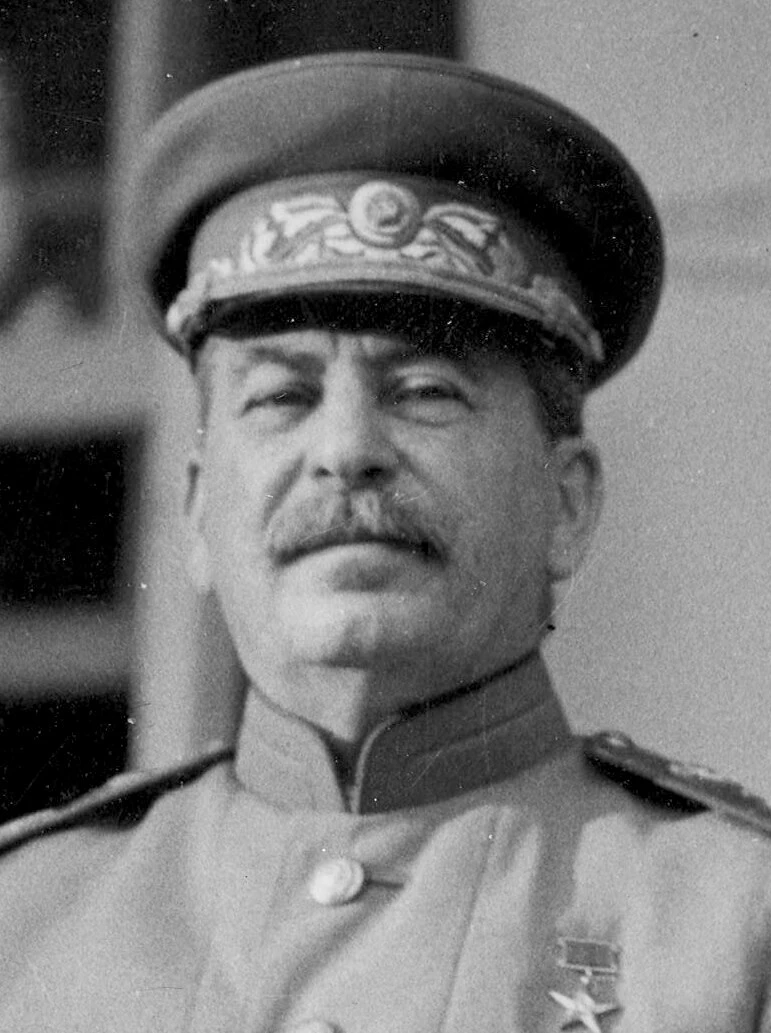
The Nazi-Soviet Pact
Per Albin Hansson — facing the Finnish appeal
The Moscow Talks
Brussels, September 1939: a small country's tightrope walk
The Obersalzberg Speech
Hitler Before His Generals
Hitler Postpones Fall Weiss
Italy Is Not Ready
The Military Training Act
The Pact of Steel
The Nazi-Soviet Pact
Per Albin Hansson — facing the Finnish appeal