
Le Paradis — the barn at Cornet-Malo
, 29, SS-Hauptsturmführer, commands the 4th company of the infantry regiment of the — a division formed from concentration camp guards, renowned for its ideological brutality. On 27 May 1940, his division is advancing in the Pas-de-Calais, in contact with the British rear-guard covering the withdrawal toward Dunkirk.
At the hamlet of Le Paradis, near Cornet-Malo, a handful of soldiers of the have entrenched themselves in a farm, the Duriez farm. Detached as a rear-guard to delay the enemy and allow the bulk of the BEF to reach the coast, cut off from their unit, low on ammunition after hours of combat, they have inflicted losses on the SS attackers before surrendering, white flag raised.
Some 97 British prisoners are gathered, disarmed, along a barn wall. The laws of war — the Geneva Convention of 1929, which Germany signed — protect combatants who have laid down arms.
Knöchlein, exasperated by these men's resistance and by his own losses, has two machine guns set up facing the group. The order has not yet been given.
Should you order the machine-gun killing of these ~97 prisoners who have surrendered, against the laws of war?
Knöchlein gave order A. The two machine guns opened fire on the disarmed prisoners; the SS finished off the wounded with bayonet and pistol. Roughly 97 soldiers of the Royal Norfolks were killed. Two men survived beneath the bodies — Privates and — and would testify. The crime remained unknown to the Allies until 1943, when Pooley, repatriated for invalidity, told the story; the account, at first doubted, was confirmed by O'Callaghan in 1945. Tried by a British military tribunal in Hamburg in October 1948, Knöchlein was sentenced to death and hanged on 28 January 1949. Le Paradis remains one of the first proven massacres of prisoners by the on the Western front.
Learn more about this event
Related polls
10
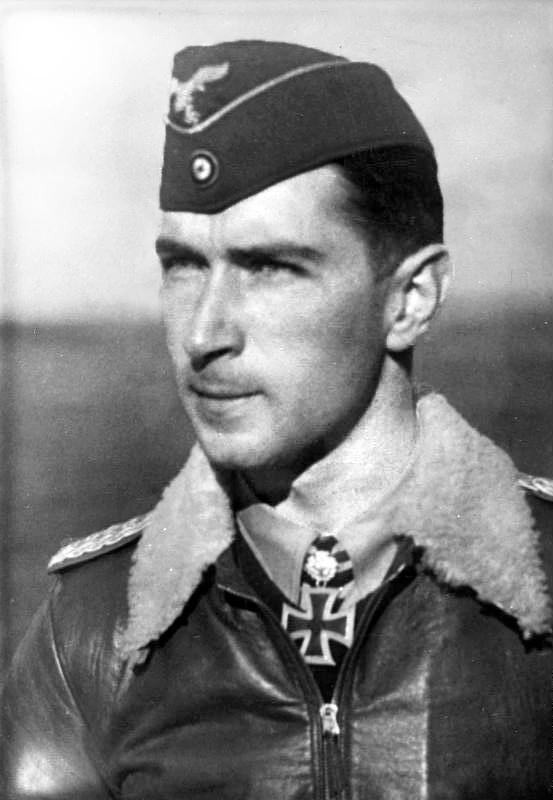
Mölders above the columns — 18 May
Wormhoudt — the 7th company SS-LAH
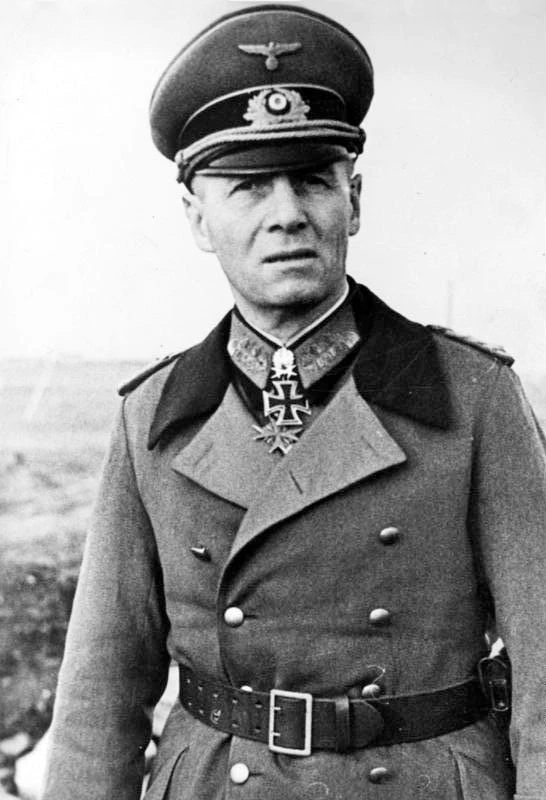
Rommel before the Serre — the Crécy bridge
Hannah Arendt, Stateless and Interned, Facing Exile
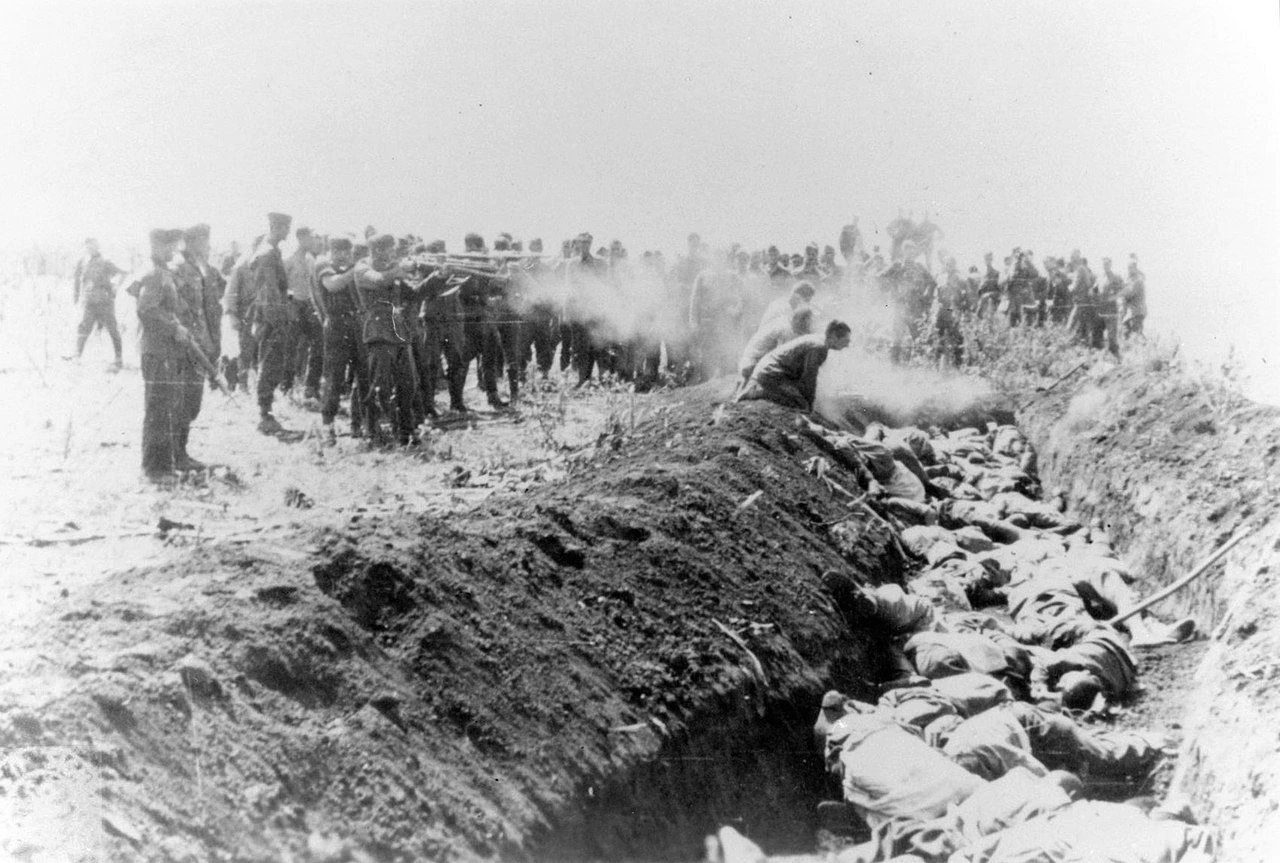
Heydrich — the Conference of 21 September
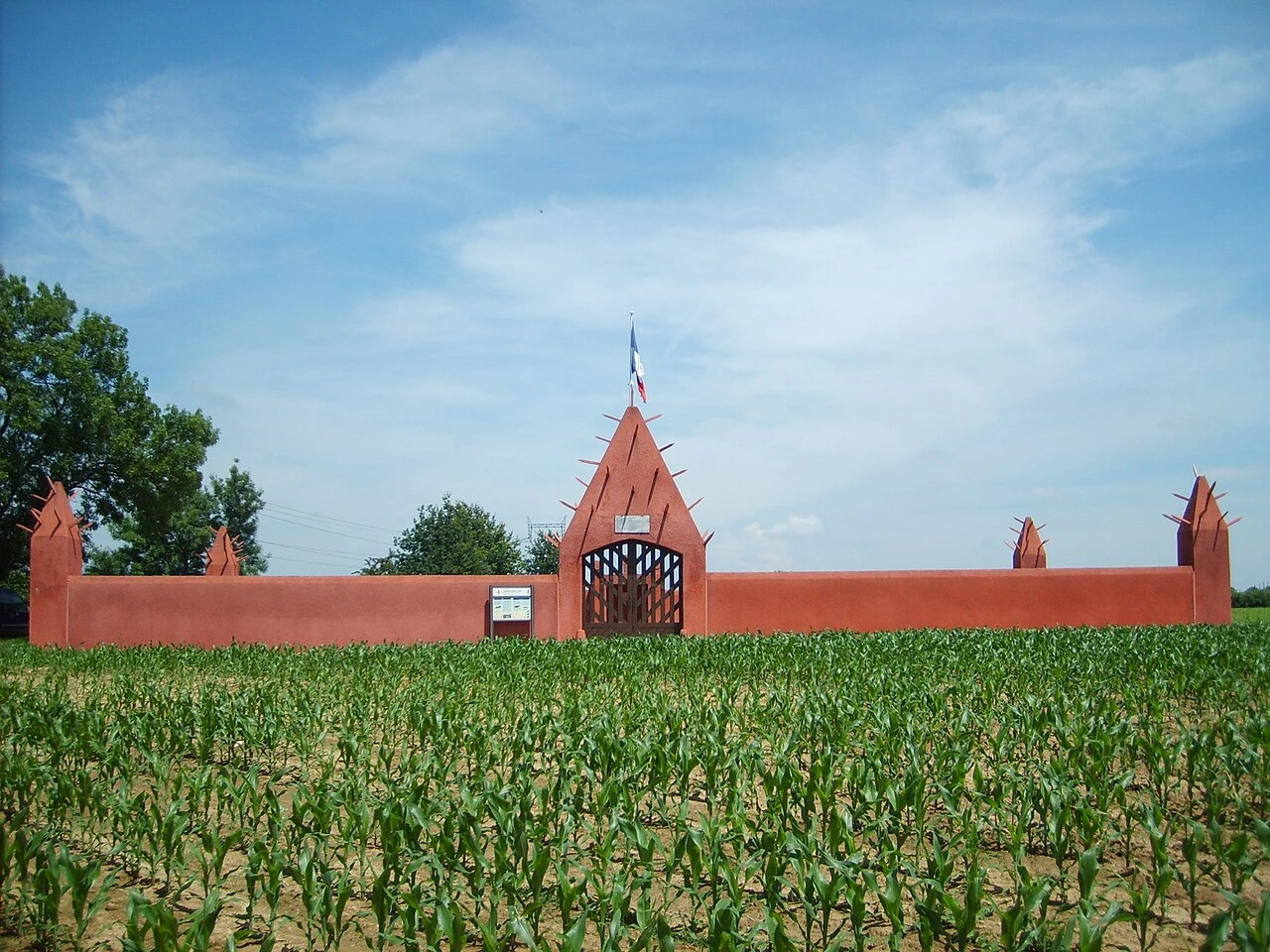
Chasselay — the captured tirailleurs
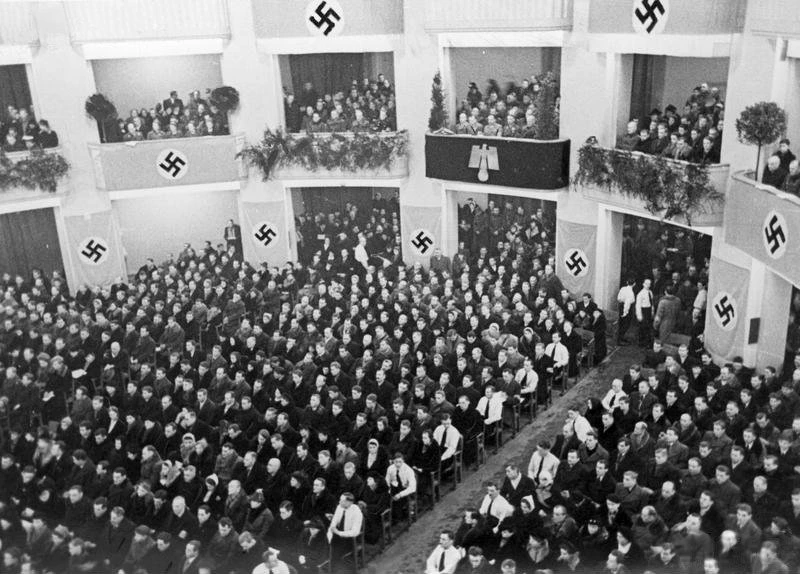
Selbstschutz — Alvensleben in Pomerania
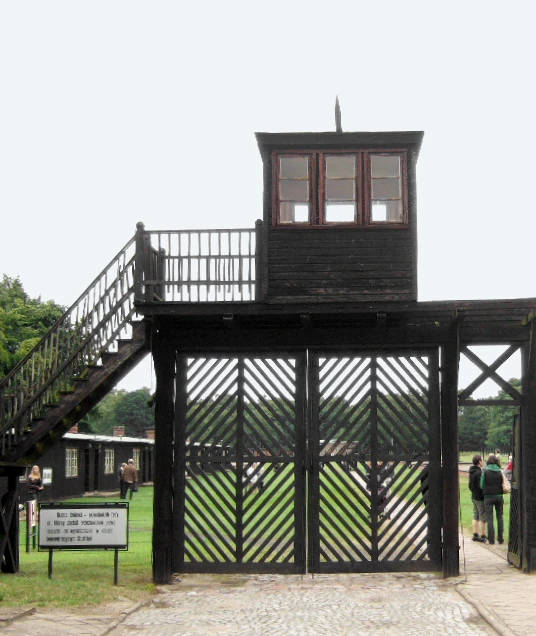
Stutthof — Pauly and the first contingent
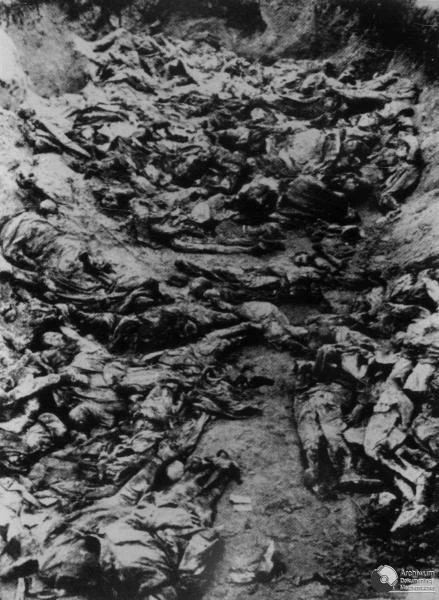
Beria — the NKVD ordinance of 19 September
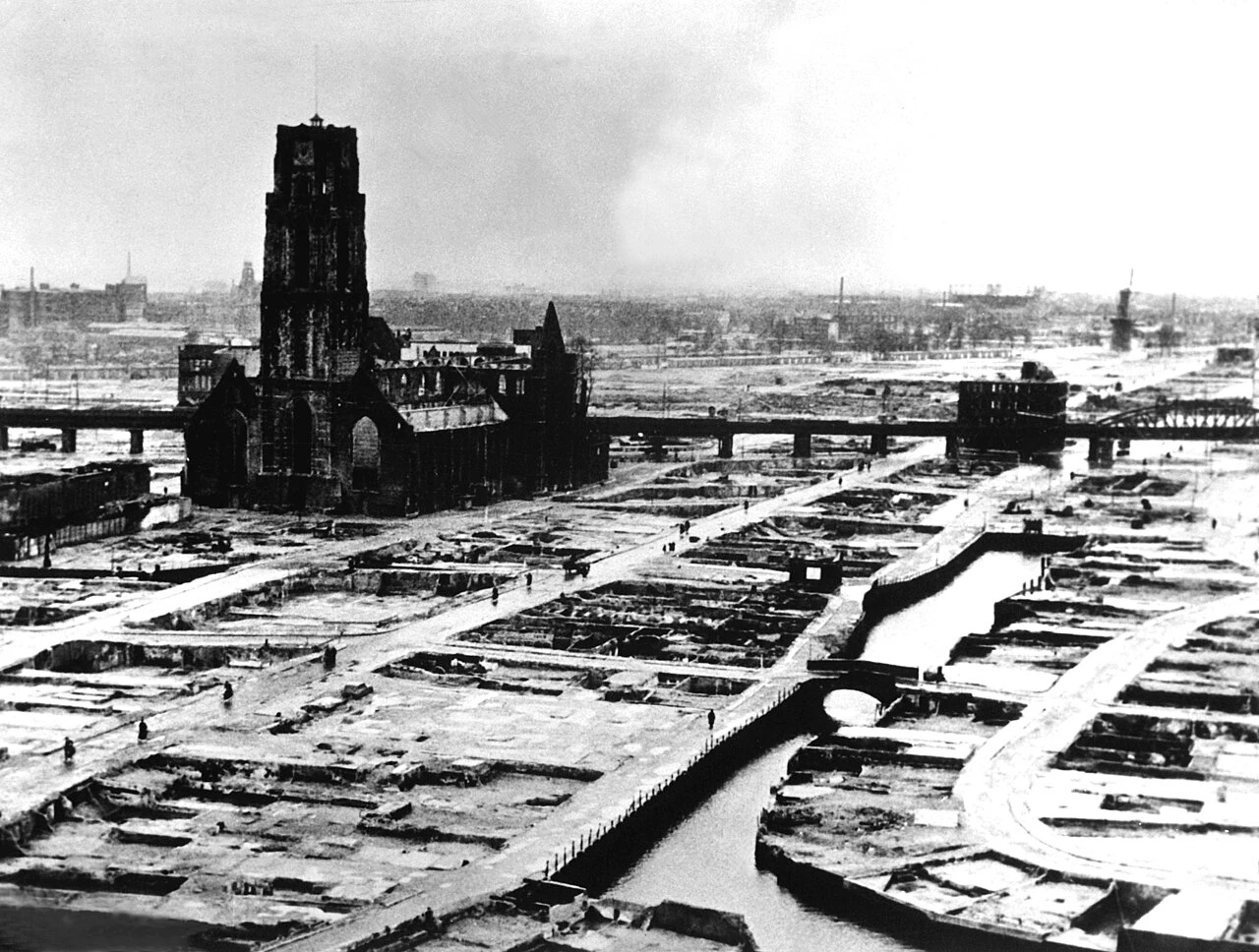
Rotterdam under the threat from the air
Mölders above the columns — 18 May
Wormhoudt — the 7th company SS-LAH
Rommel before the Serre — the Crécy bridge
Hannah Arendt, Stateless and Interned, Facing Exile
Heydrich — the Conference of 21 September
Chasselay — the captured tirailleurs
Selbstschutz — Alvensleben in Pomerania
Stutthof — Pauly and the first contingent
Beria — the NKVD ordinance of 19 September