
Boris III — the Bulgarian balancing act
, 45, had been Tsar of Bulgaria since 1918 — a reign marked by territorial trauma: the loss of Southern Dobruja (to Romania), of Macedonia (to Greece and Yugoslavia), and of Western Thrace (to Greece) by the Treaty of Neuilly in 1919. State doctrine: territorial revisionism. A semi-authoritarian personal regime after the dissolution of the political parties in 1934.
In the winter of 1939-1940, faced several pressures: - Germany: demanded an alignment, in exchange for territorial revision (recovery of Southern Dobruja) - USSR: offered a mutual assistance treaty (Baltic model) in November 1939 - United Kingdom: was trying to keep Bulgaria neutral - Turkey: a traditional Bulgarian ally against the Russians
Prime Minister (moderate, in post since 1935) was replaced on 15 February 1940 by — an archaeologist, Prussophile, more aligned with Berlin. wavered.
What line does Boris III adopt in the winter of 1939-1940?
applied B initially, then A progressively. In September 1940, by the Treaty of Craiova under German sponsorship, Bulgaria recovered Southern Dobruja (without war). On 1 March 1941, signed the Tripartite Pact, joining the Axis. But he refused to send troops to the Eastern front (Barbarossa). He also refused to deport the Bulgarian Jews to the extermination camps — personally blocked the deportation of the 48,000 Jews of Bulgaria proper in March 1943, despite German pressure. A historically recognised heroic stance which saved almost the entire Bulgarian Jewish community (the 11,000 Jews of the occupied territories in Thrace and Macedonia were nevertheless deported to Treblinka in March 1943, without Bulgarian intervention). On 28 August 1943, died suddenly at 49, probably poisoned (a thesis accepted by modern historiography — a poisoning orchestrated by Hitler after a stormy quarrel in March 1943 in which Boris had refused to send troops). His son (6) became nominal Tsar. Communist coup on 9 September 1944. Simeon was exiled. He would return to Bulgaria in 1996 and serve as Prime Minister 2001-2005 (a unique case: a former monarch becoming the elected head of a democratic government).
Learn more about this event
Related polls
10
Carol II in Bucharest — the Romanian balance
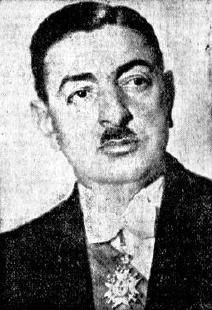
Cvetković under pressure
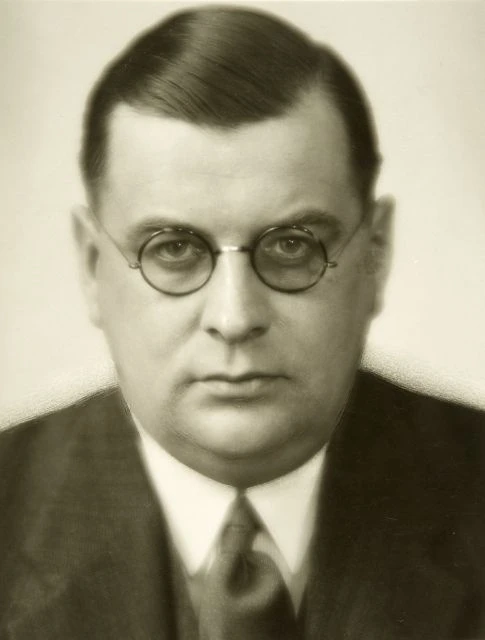
Erkko — the minister of 1 December
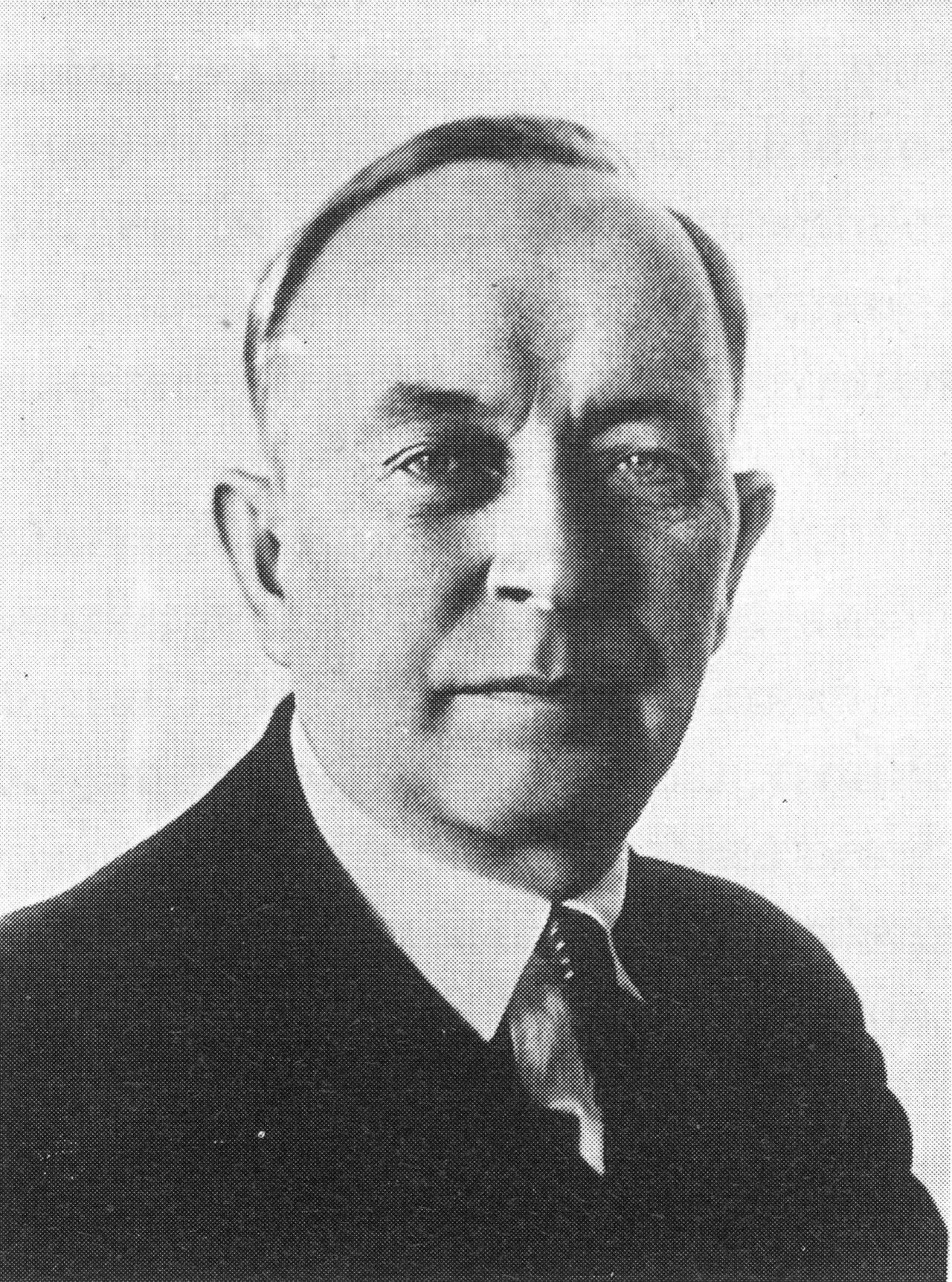
Kuusinen — Terijoki, 1 December
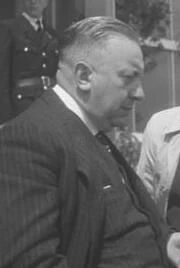
Müller in Rome — the Vatican channel
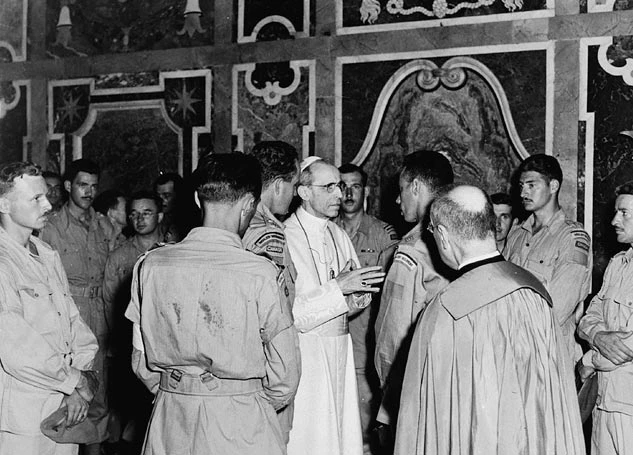
Pius XII — the Christmas allocution
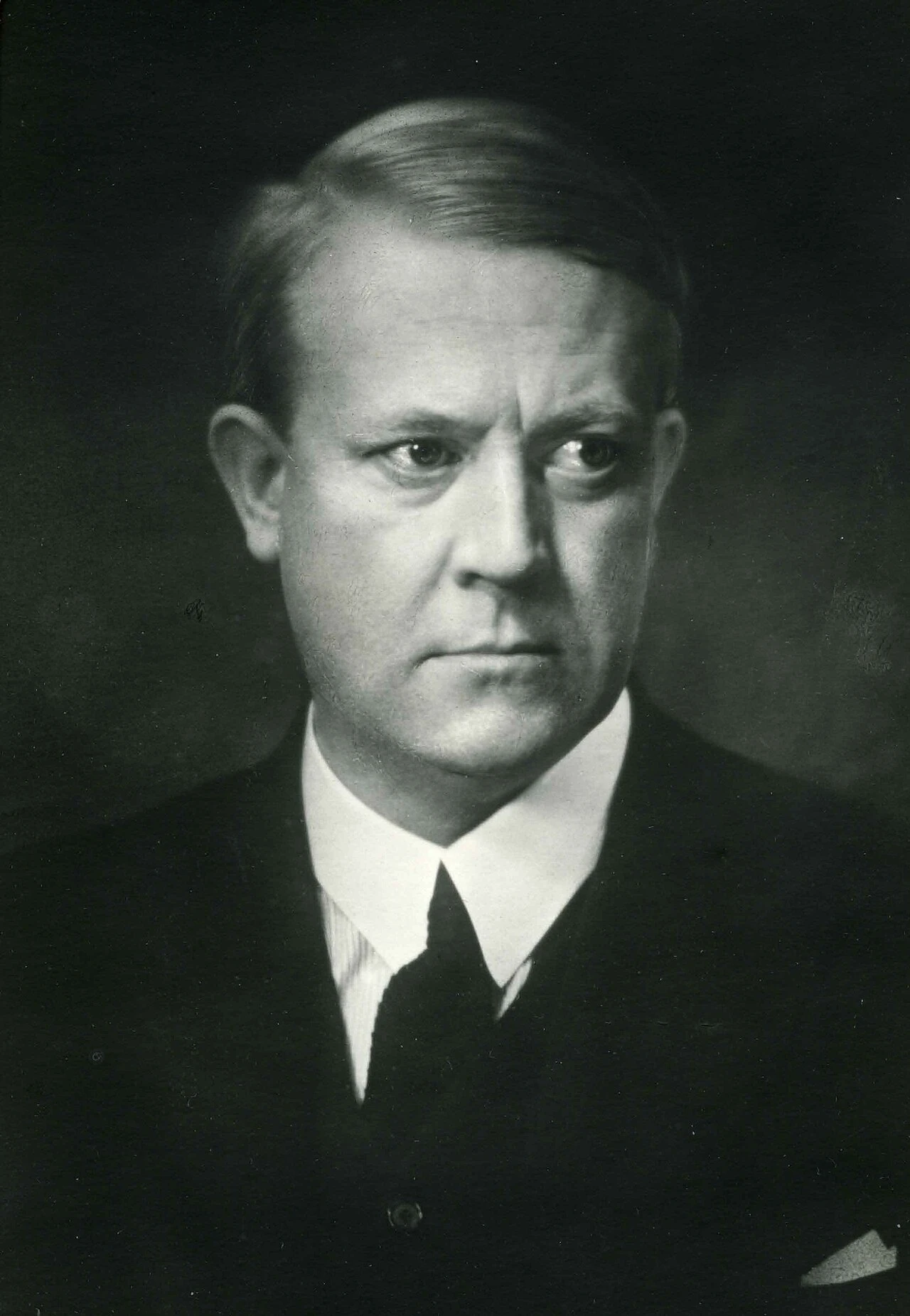
Quisling in Berlin — facing Rosenberg
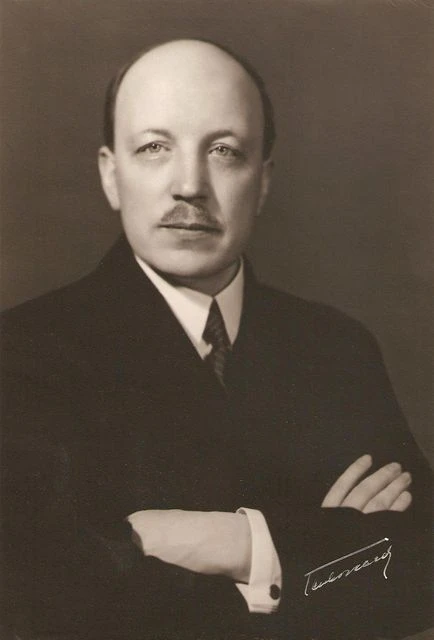
Ryti — Prime Minister on 2 December
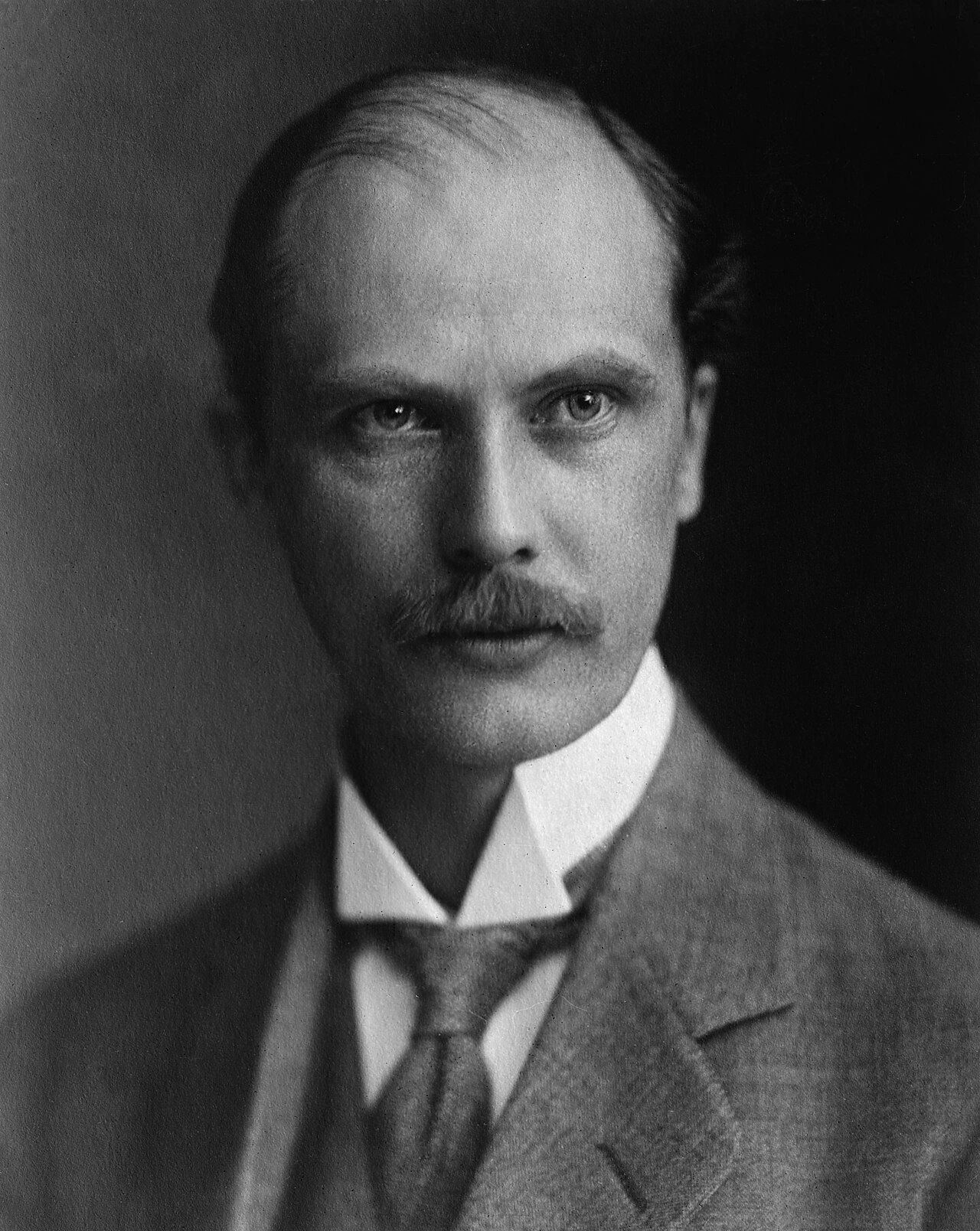
Sandler against the Hansson Council
The League of Nations faces Soviet aggression
Carol II in Bucharest — the Romanian balance
Cvetković under pressure
Erkko — the minister of 1 December
Kuusinen — Terijoki, 1 December
Müller in Rome — the Vatican channel
Pius XII — the Christmas allocution
Quisling in Berlin — facing Rosenberg
Ryti — Prime Minister on 2 December
Sandler against the Hansson Council