
In late April 1941, the German army was sweeping south through Greece; the Greek army of Macedonia had capitulated, and that of Epirus, victorious over the Italians but cut off, laid down its arms. The Greek government, which had welcomed the British expeditionary corps, watched its strategic gamble collapse. The Prime Minister , overwhelmed, killed himself on 18 April; King had to reconstitute a government amid full-blown rout.
The question at the summit of the Greek state was that of continuing the struggle. Should they remain on national soil and negotiate a surrender to spare the population and the capital? Follow the example of other governments (Norway, Poland, Netherlands) and go into exile to pursue the war from Crete then Egypt, alongside the British? Or surrender outright, judging the cause lost?
The Germans were approaching Athens, soon to be declared an open city to spare it the fate of Belgrade. The decision engaged the legitimacy of the Greek state, the fate of the alliance with London and the future of national resistance.
Should the Greek authorities capitulate on the spot or continue the war in exile?
King and his government chose B: they reached Crete, then Egypt, to pursue the war alongside the Allies, while Athens was declared an open city. On 27 April 1941, the Wehrmacht entered the capital and raised the swastika flag over the Acropolis — a Greek soldier ordered to lower it wrapping himself, according to patriotic legend, in the national flag rather than surrendering it. Free Greek radio broadcast a final message of defiance. Mainland Greece was occupied and soon partitioned among Germany, Italy and Bulgaria; a brutal occupation began, marked by a terrible famine during the winter of 1941-1942 and by the rise of a tenacious resistance.
Learn more about this event
Related polls
10
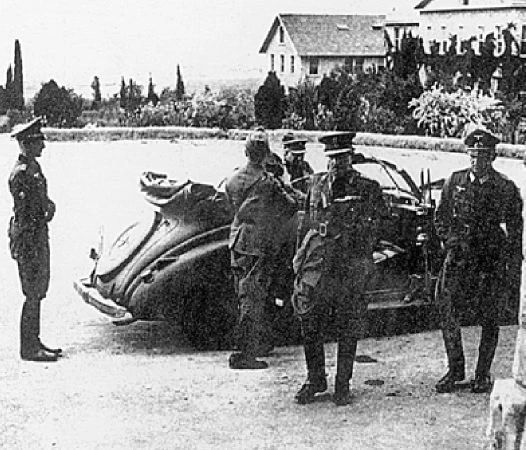
Tsolakoglou and the surrender of the Greek army
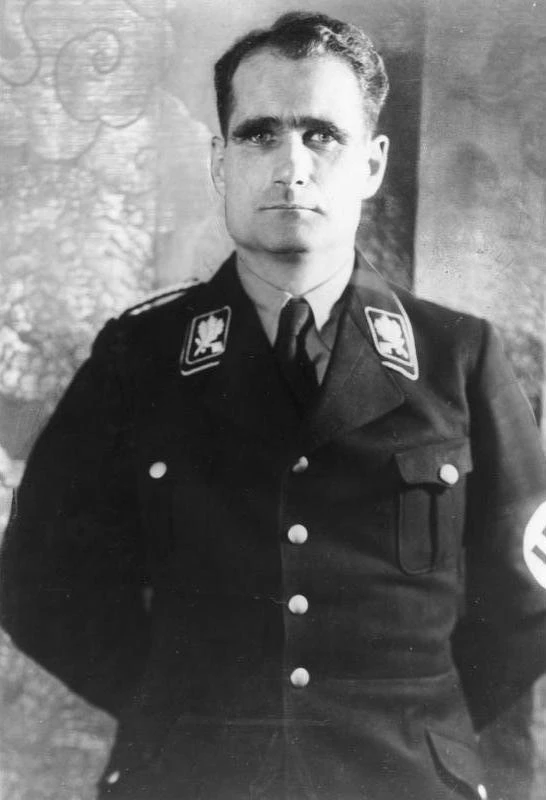
Hess — the fixed idea of a separate peace
British rationing put to the test in 1941
The death of Metaxas — Athens
Auchinleck replaces Wavell
Bjelovar: desert the Yugoslav army or hold the line
The Belgrade coup
The deportation of the Volga Germans
An emissary to judge whether the island will hold
The Belgrade schoolteacher under the occupation
Tsolakoglou and the surrender of the Greek army
Hess — the fixed idea of a separate peace
British rationing put to the test in 1941
The death of Metaxas — Athens
Auchinleck replaces Wavell
Bjelovar: desert the Yugoslav army or hold the line
The Belgrade coup
The deportation of the Volga Germans
An emissary to judge whether the island will hold