
For months, Japan had been negotiating with Germany the strengthening of the Anti-Comintern Pact, directed against the USSR. At the same time, it was confronting the on the Khalkhin Gol. Tokyo thus saw itself as a partner of Berlin in a common strategy of containing Moscow.
The announcement of the Nazi-Soviet pact of 23 August falls like a betrayal. Without consulting its Japanese partner, Germany has just come to terms with the common enemy. The cabinet of Baron Hiranuma is stupefied: the cornerstone of its diplomacy has just collapsed.
The Japanese government must redefine its line. Break with the Germany it judges disloyal and draw closer to the Western powers, or even seek an arrangement with the USSR? Maintain the alignment on Berlin despite everything, out of strategic consistency? Or take note of the fiasco and thoroughly reorient its foreign policy? The choice bears on Japan's orientation between the north (the USSR) and the south (the European colonies of Asia and the Pacific).
Faced with the « betrayal » of the pact, should Japan break with Germany, or maintain the alignment on Berlin?
Japan opts at first for C: disavowed, the Hiranuma cabinet resigns on 28 August 1939, declaring the situation in Europe to be « complex and inscrutable ». Tokyo distances itself from Germany, concludes a ceasefire with the USSR after the defeat at Khalkhin Gol, and reorients its strategic thinking. The humiliation in the north, combined with the pact, lends credit to the option of an expansion towards the south — towards the resources and colonies of the Pacific. It is only in 1940, after the German victories, that Japan will draw close to Berlin again, by signing the Tripartite Pact. The year 1939 thus marks a turning point in Japanese strategy.
Learn more about this event
Related polls
10
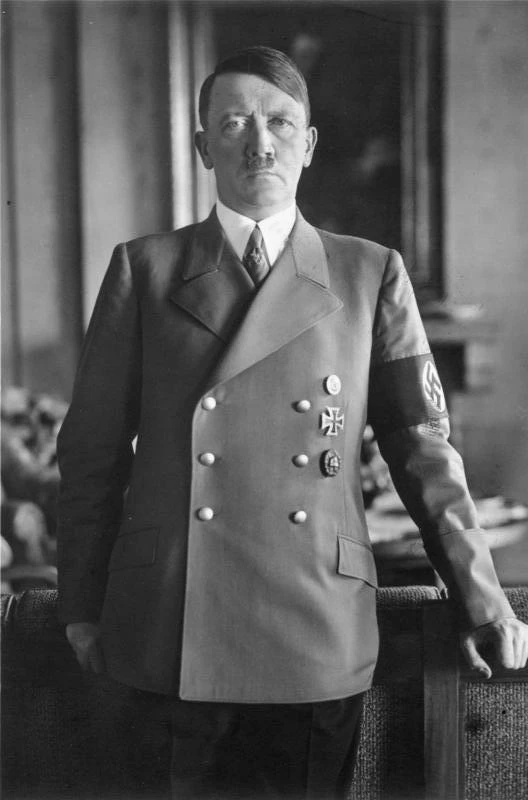
The Obersalzberg Speech
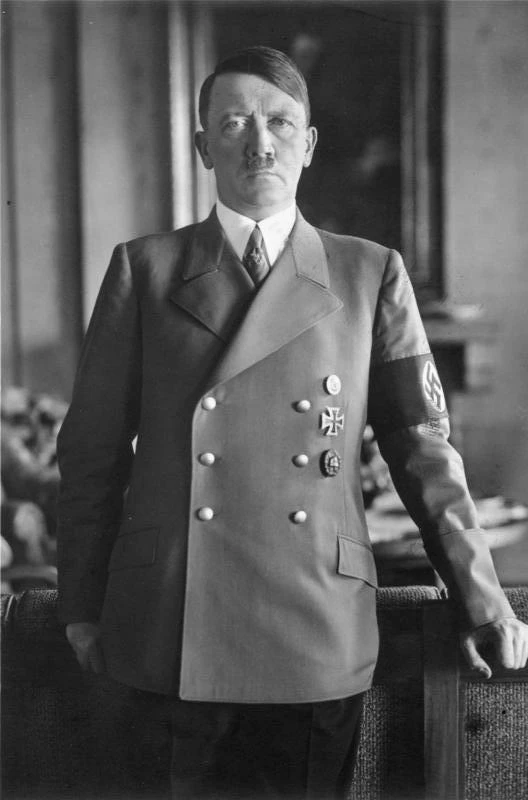
Hitler Postpones Fall Weiss
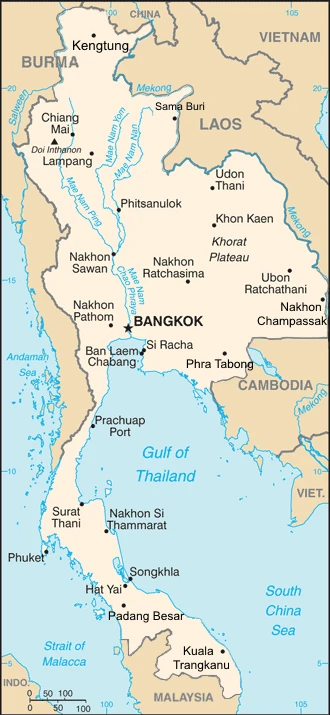
Japan enters southern Indochina
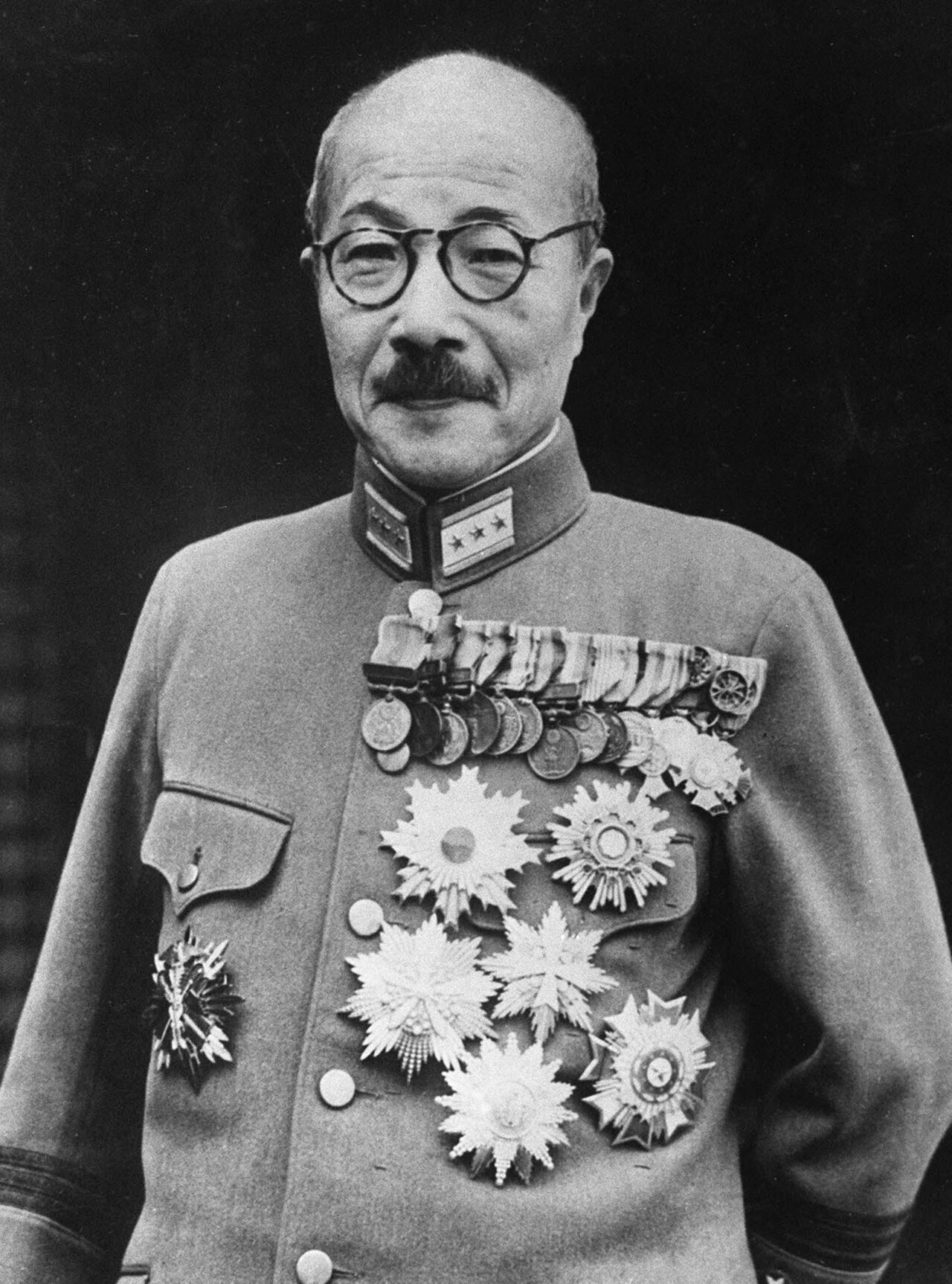
Japan and the Southern Resource Zone
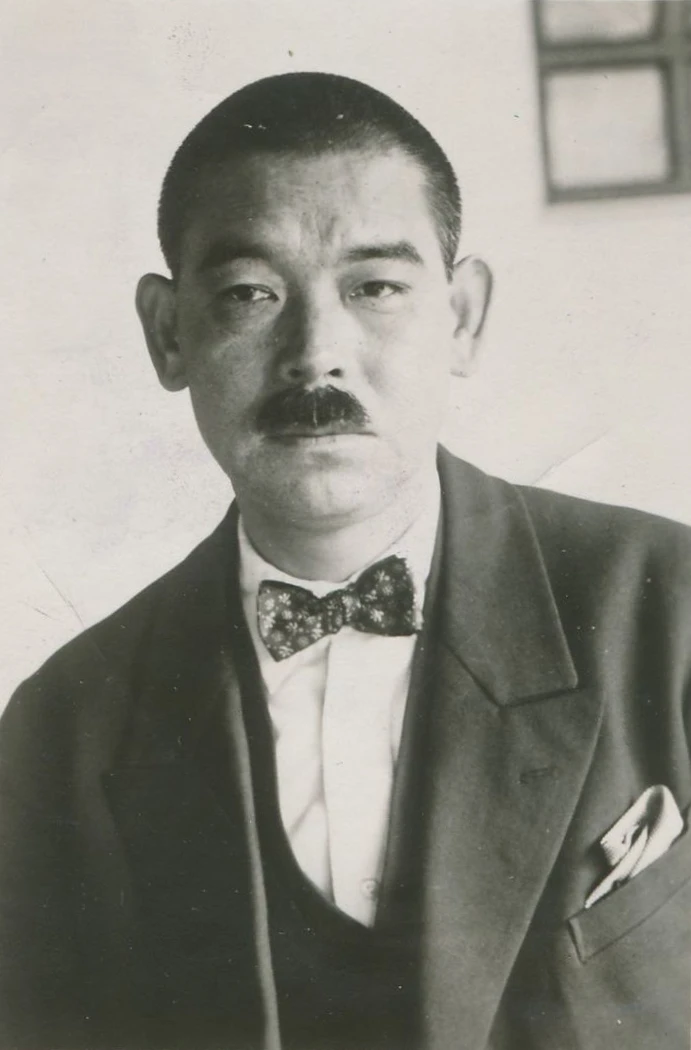
Tokyo — Japan and the Tripartite Pact
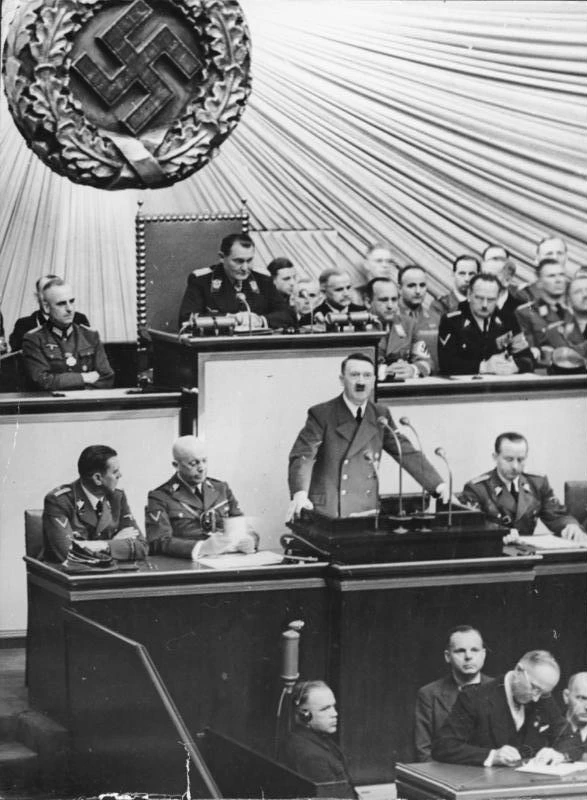
Hitler — the Reichstag Speech
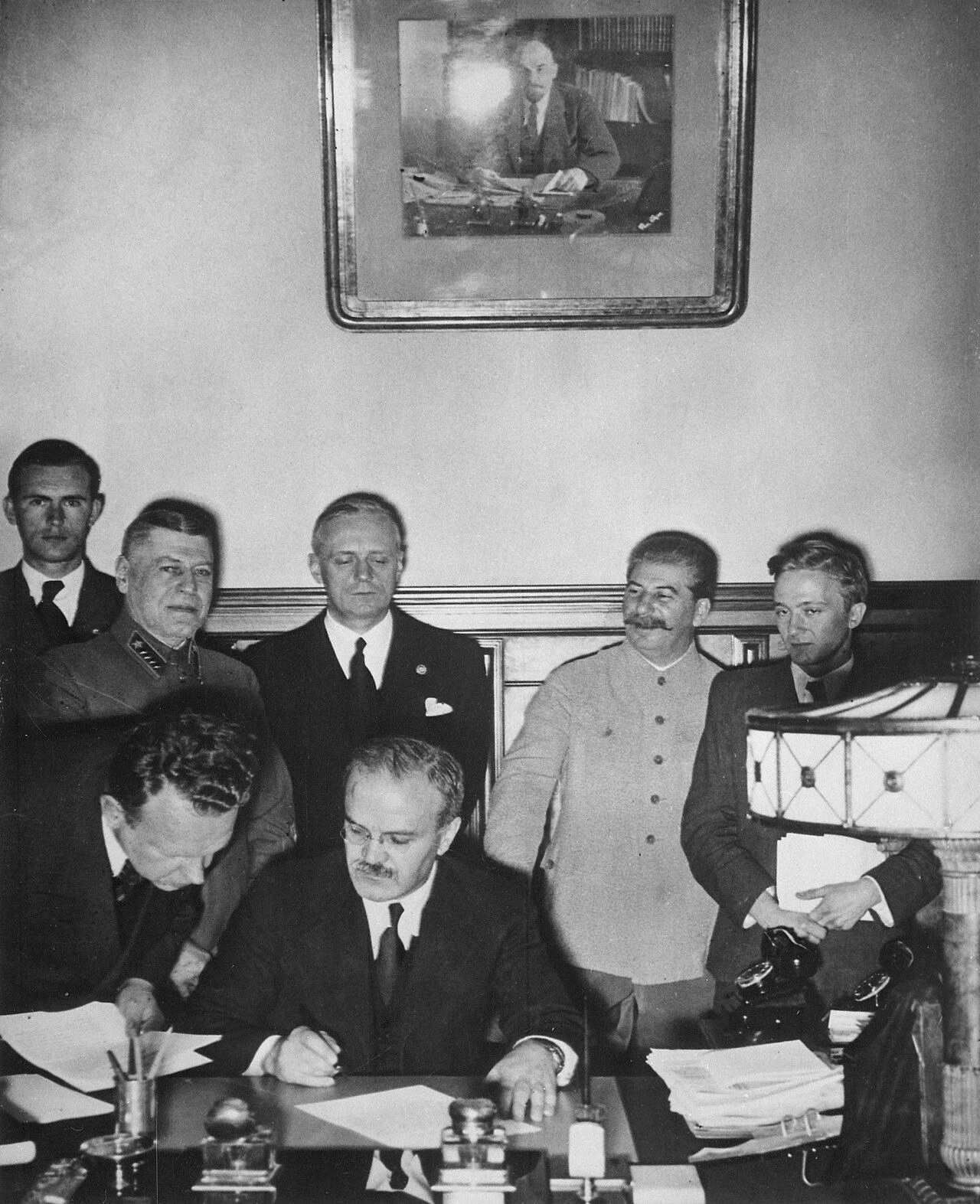
Schnurre in Moscow — the Commercial Agreement
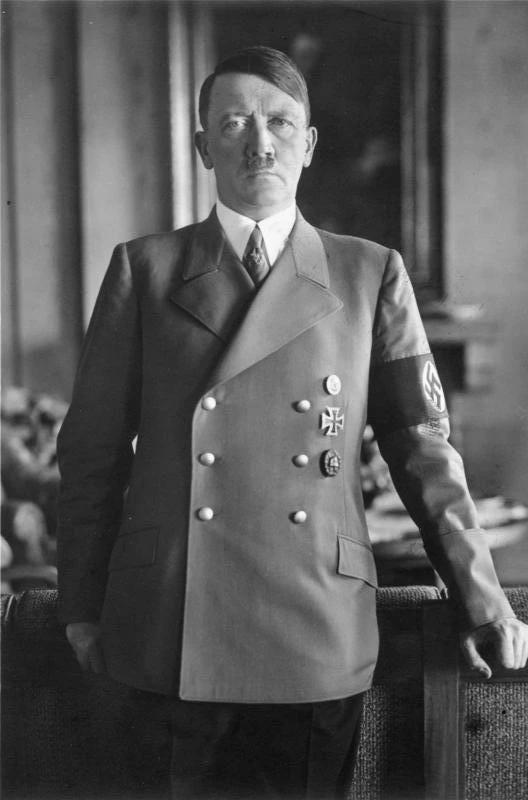
Hitler Before His Generals
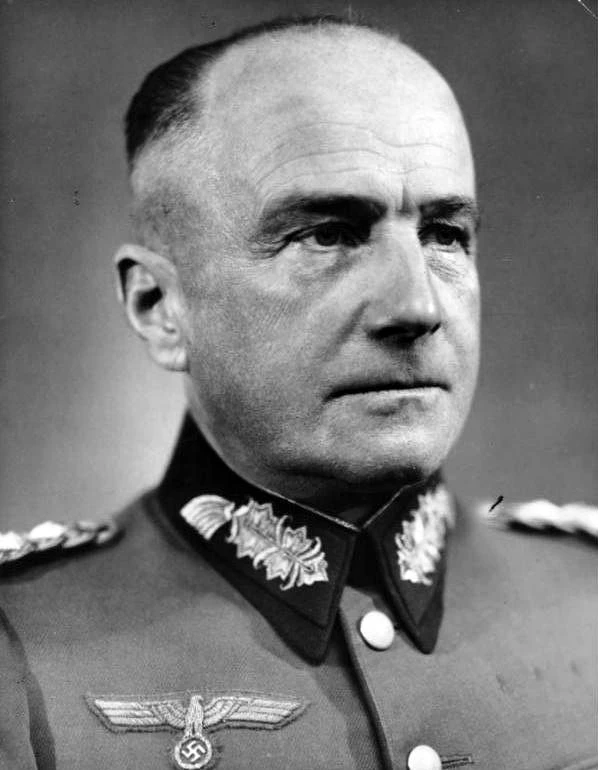
Brauchitsch — Reich Chancellery, 5 November
Bulgaria: lock of the Balkans, a price to pay
The Obersalzberg Speech
Hitler Postpones Fall Weiss
Japan enters southern Indochina
Japan and the Southern Resource Zone
Tokyo — Japan and the Tripartite Pact
Hitler — the Reichstag Speech
Schnurre in Moscow — the Commercial Agreement
Hitler Before His Generals
Brauchitsch — Reich Chancellery, 5 November