
HMS Sphinx at Kinnaird Head
HMS Sphinx (J69) was a British minesweeper of the Halcyon class, 815 tons, commissioned in 1939. Her mission: to sweep British coastal waters (which since November 1939 had contained hundreds of German magnetic mines). Equipment: magnetic-effect sweep gear (standard equipment fitted from January 1940 onwards on all minesweepers).
On the morning of 3 February 1940 the Sphinx was working off Kinnaird Head (Aberdeenshire) with two other minesweepers (Hussar and Speedwell). Bad weather: sea state 4, fog. Around 11:45 a Heinkel He 111 bomber of ("Löwen-Geschwader") commanded by Hauptmann spotted the three minesweepers on patrol. Luftwaffe doctrine for naval missions: shallow-dive attacks at 800 metres, high-explosive bombs against light vessels.
Lehwess-Litzmann released two 250-kilogram bombs on the Sphinx. Only one hit, but directly on the main boiler. Massive explosion. The ship lost all power. Captain , 41, ordered abandon ship.
Taylor had to decide how to evacuate and what to do with the ship.
How should the ship be evacuated in the rough sea and fog?
Taylor chose B. HMS Hussar managed to fasten a tow at 13:00. But the fog thickened. By 14:30 the Sphinx broke in two under the strain (the damaged boiler collapsed and tore open the hull). The forward part sank in 15 minutes. 54 British sailors died, including Taylor. The after part was brought ashore at Fraserburgh and beached. Bodies recovered: 14 confirmed, 40 missing. The loss of the Sphinx became a textbook case in the Royal Navy: the doctrine of towing seriously damaged ships was revised — a fractured vessel is no longer to be towed. Lehwess-Litzmann survived the war, became a civilian pilot afterwards and died in 1988. The loss of HMS Sphinx was emblematic of the second wave of U-boats and the Luftwaffe striking at British territorial waters in the winter of 1939-1940.
Learn more about this event
Related polls
10
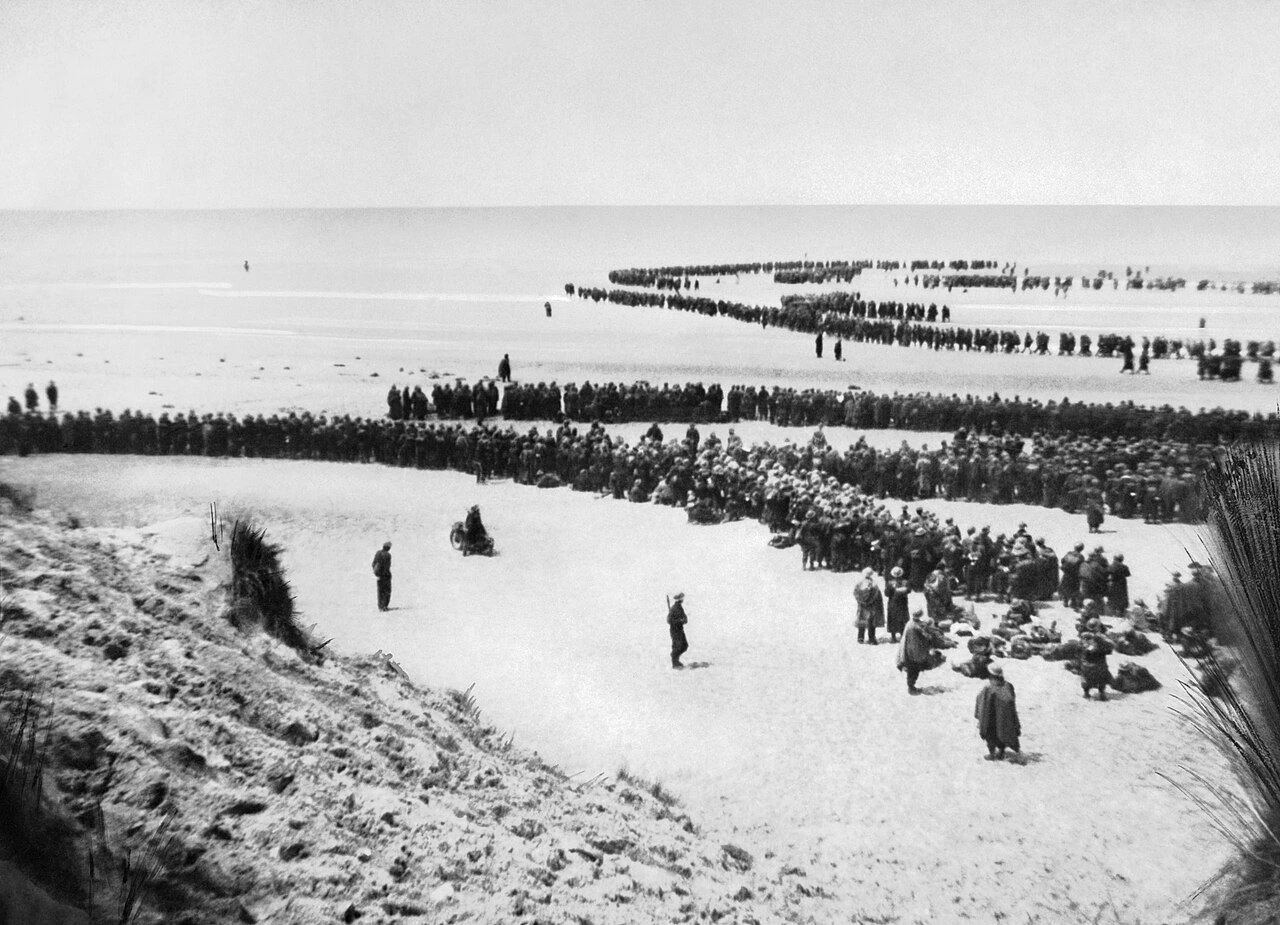
Ramsay at Dover Castle — Dynamo
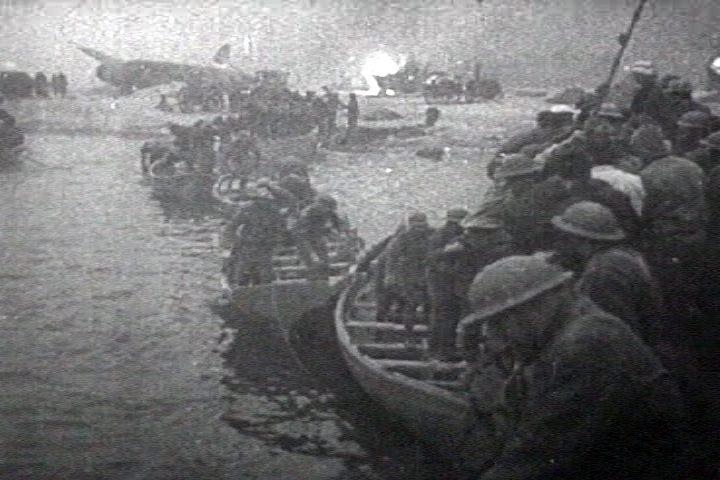
Dunkirk — Tennant and the devastated port
Hel — Unrug faces the German envoy
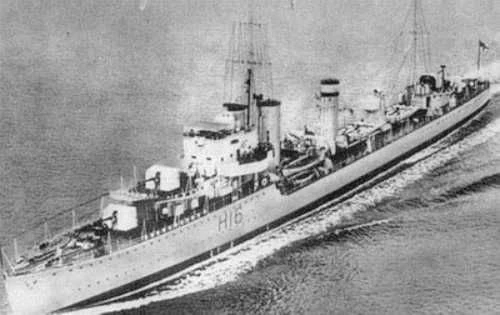
HMS Daring in the Pentland Firth
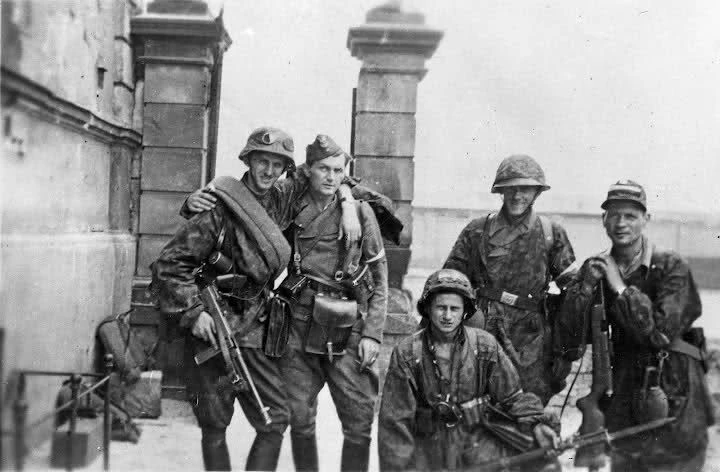
HMS Courageous — Makeig-Jones after the Torpedoes
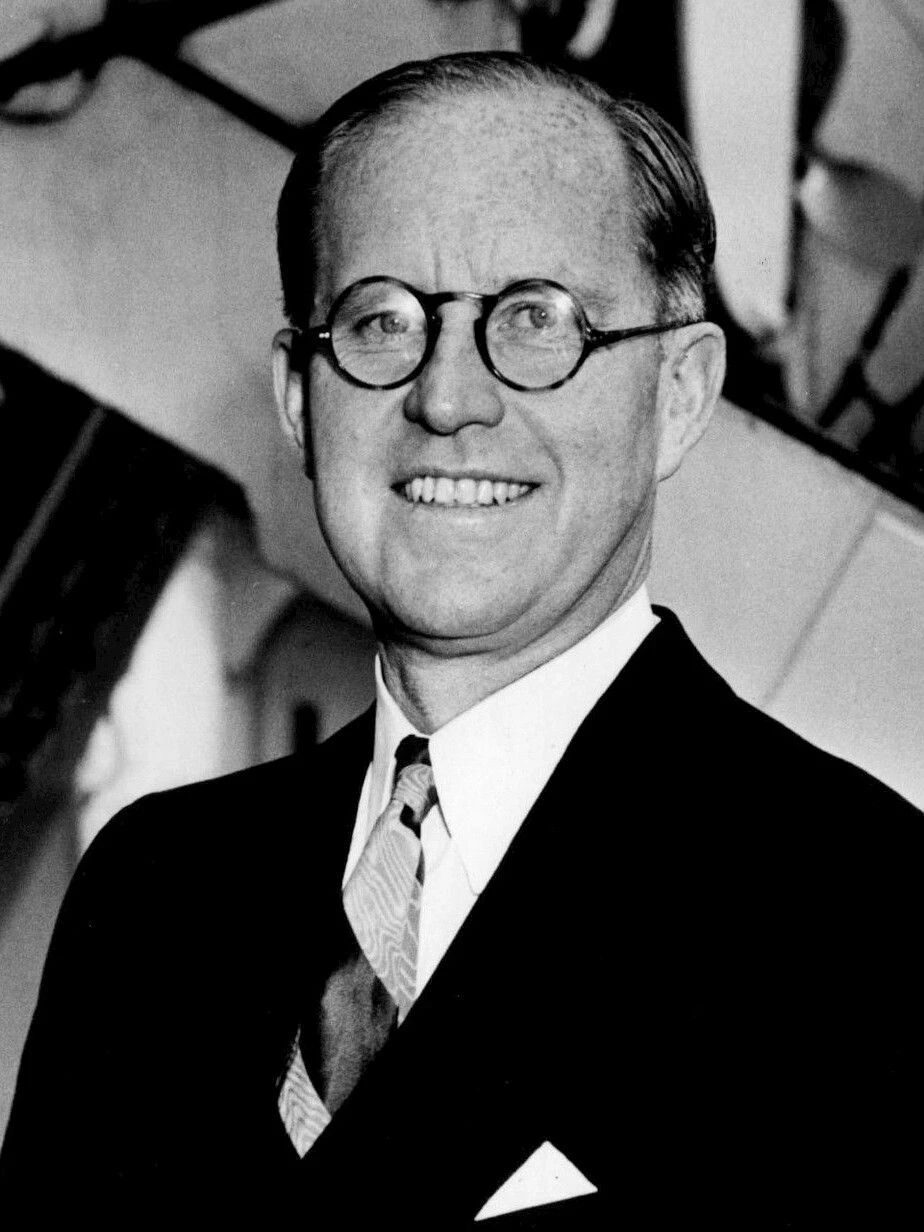
HMS Rawalpindi — Kennedy at 3:47 p.m.
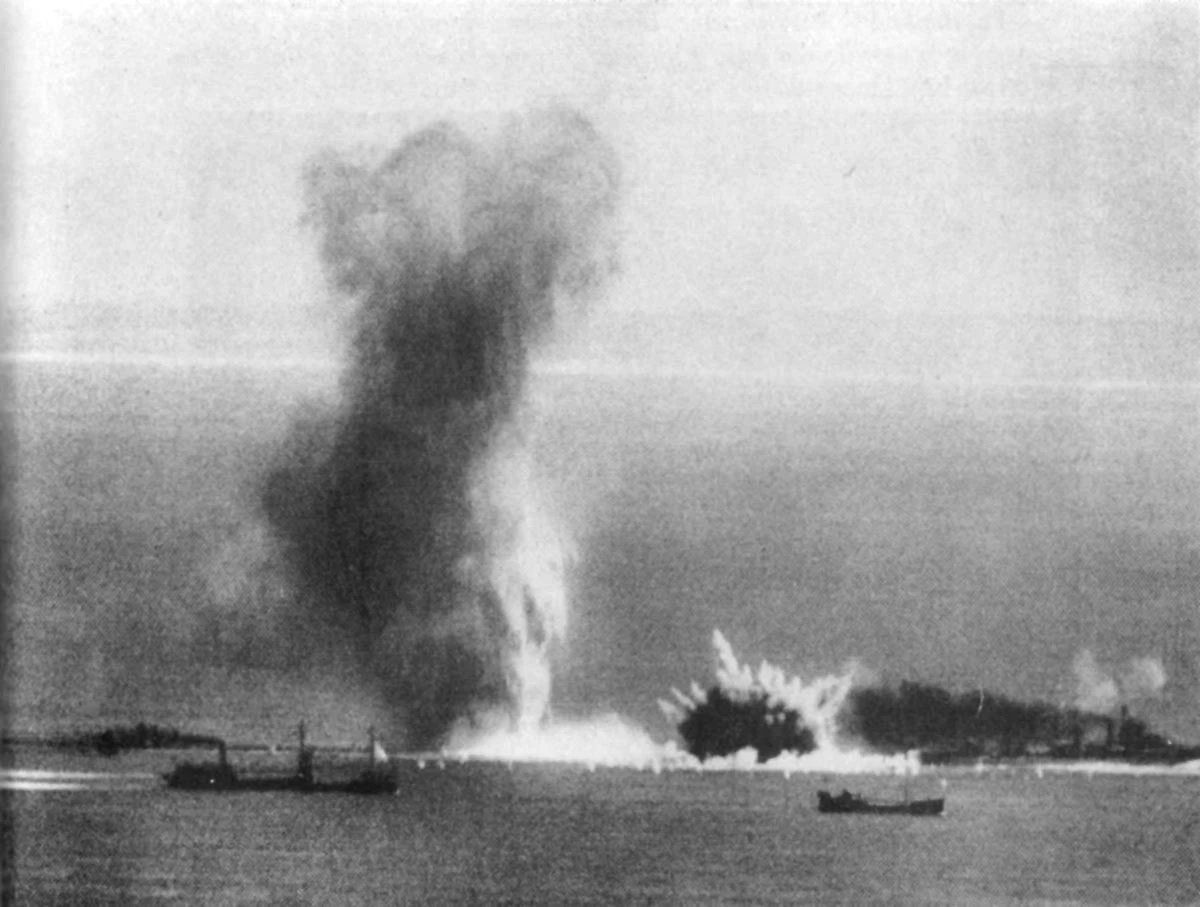
The Kanalkampf — withdraw the destroyers?
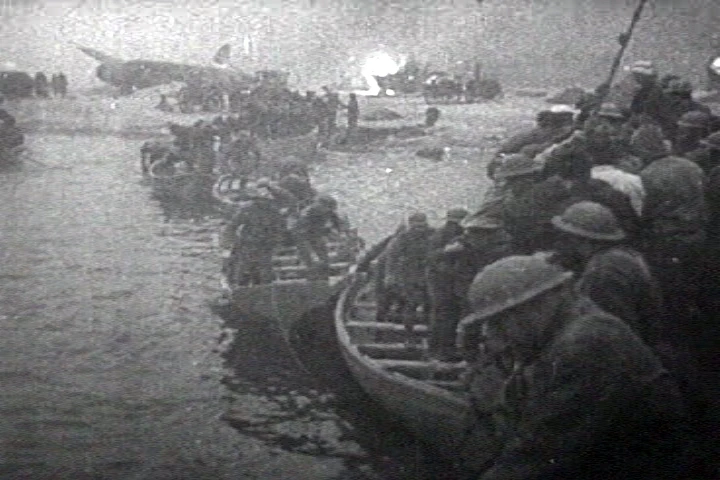
Ramsay — Dover, 14:23
Royal Oak — Prien in Scapa Flow
Fegen and the Jervis Bay — convoy HX-84
Ramsay at Dover Castle — Dynamo
Dunkirk — Tennant and the devastated port
Hel — Unrug faces the German envoy
HMS Daring in the Pentland Firth
HMS Courageous — Makeig-Jones after the Torpedoes
HMS Rawalpindi — Kennedy at 3:47 p.m.
The Kanalkampf — withdraw the destroyers?
Ramsay — Dover, 14:23
Royal Oak — Prien in Scapa Flow