
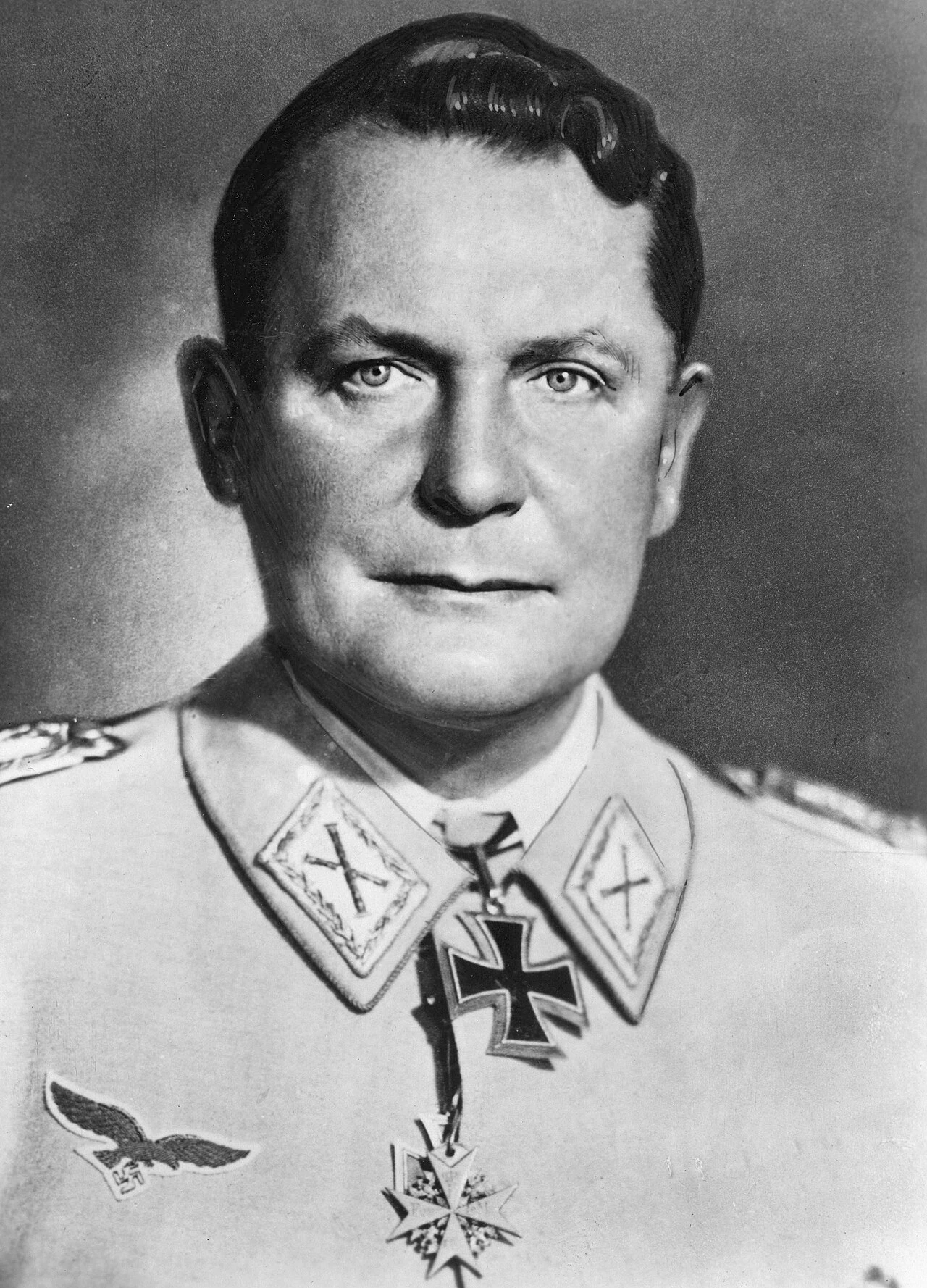
The invasion of England (Sea Lion) requires first the annihilation of the RAF in order to gain command of the air. Göring's Luftwaffe launches, from 13 August 1940 — "Adlertag", Eagle Day — a massive air offensive to destroy British fighter aviation: the Battle of Britain.
The priority target remains to be chosen. Striking the fighter airfields and radars (Fighter Command) would directly target the RAF's capacity to defend itself — this is the militarily decisive objective. Striking the cities (London) would terrorise the population and might break morale, but would divert the effort from the military objective. Spreading the blows would weaken the whole.
The German command can concentrate its strikes on the fighter airfields and radars, target the cities to break morale, or disperse its attacks (ports, industries, airfields). The choice of target will decide the outcome of the battle — and therefore the very possibility of invading England.
Should the Luftwaffe concentrate its strikes on RAF fighter aviation, target the cities, or disperse its attacks?
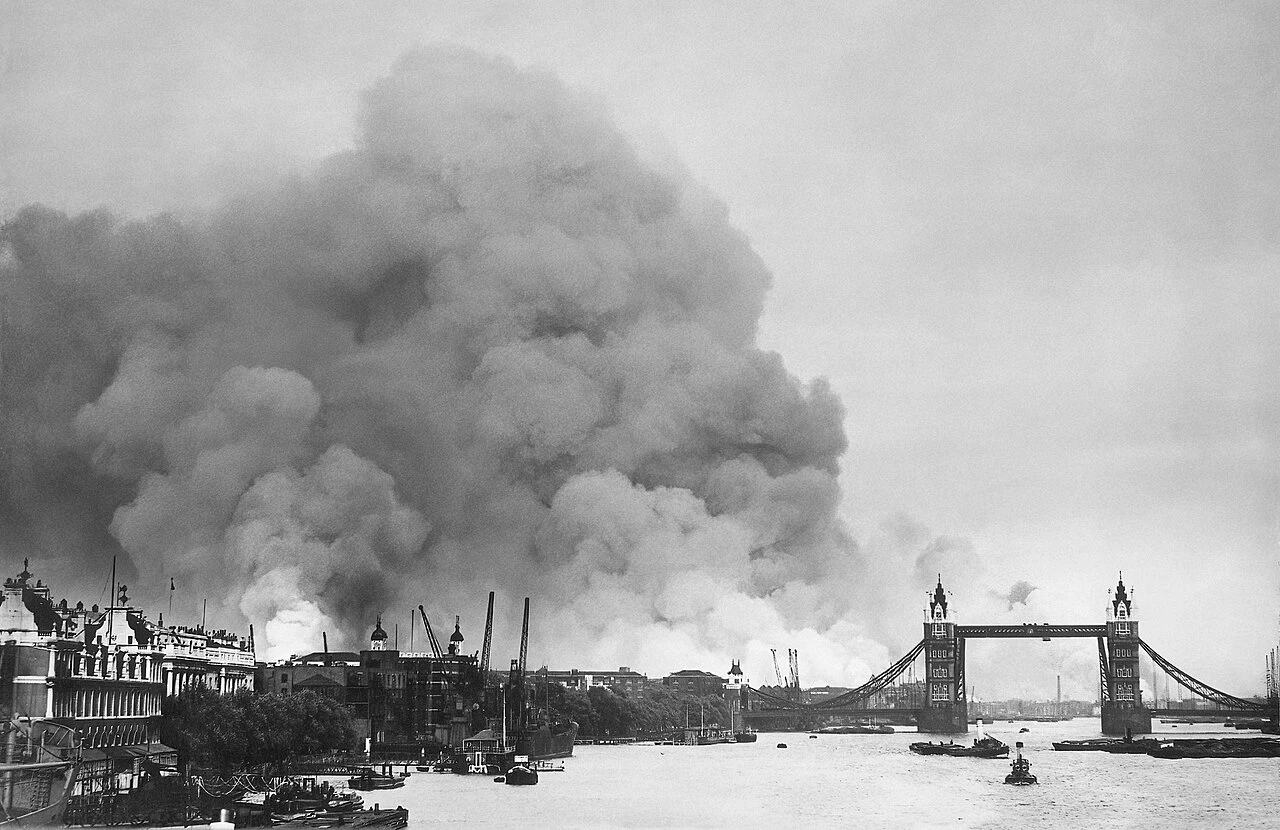
The Luftwaffe begins with A: during the Battle of Britain (August 1940), it pounds Fighter Command's airfields and radars, putting the RAF under heavy pressure. But in early September, in reprisal for a British raid on Berlin, Hitler and Göring swing towards B: the bombing of London (the "Blitz"). This shift of effort from the airfields to the cities relieves British fighter aviation at the critical moment and allows it to recover. The RAF is not annihilated; lacking command of the air, the invasion (Sea Lion) is deferred and then abandoned. The German choice to target the cities rather than finish off fighter aviation is often regarded as one of the mistakes that lost the Battle of Britain — the first strategic failure of the Reich.
Learn more about this event
Related polls
10
Adlertag — which targets?
Göring's promise — Operation Adler
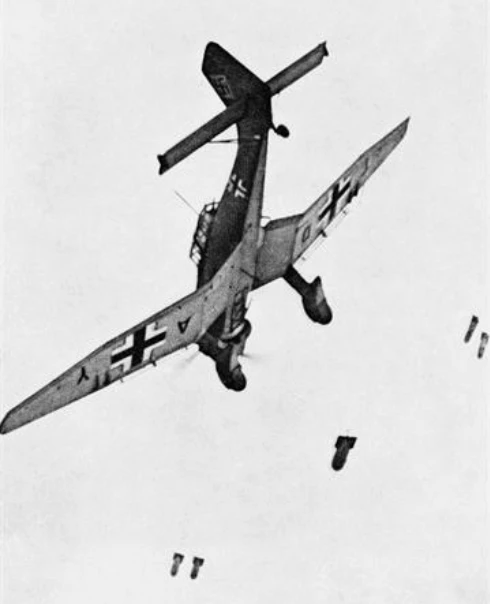
Withdrawing the Stukas
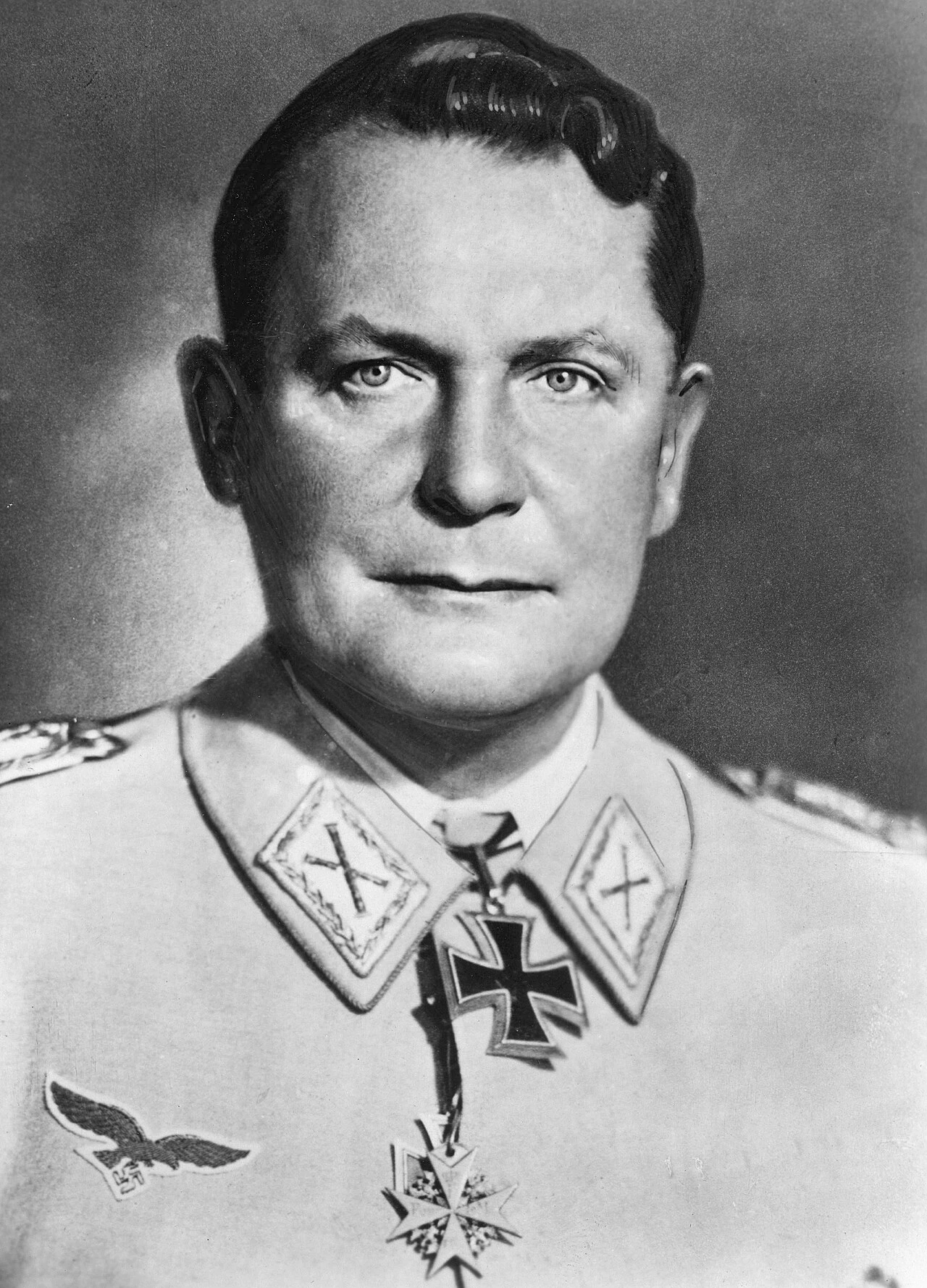
Göring at Cap Gris-Nez — September 7
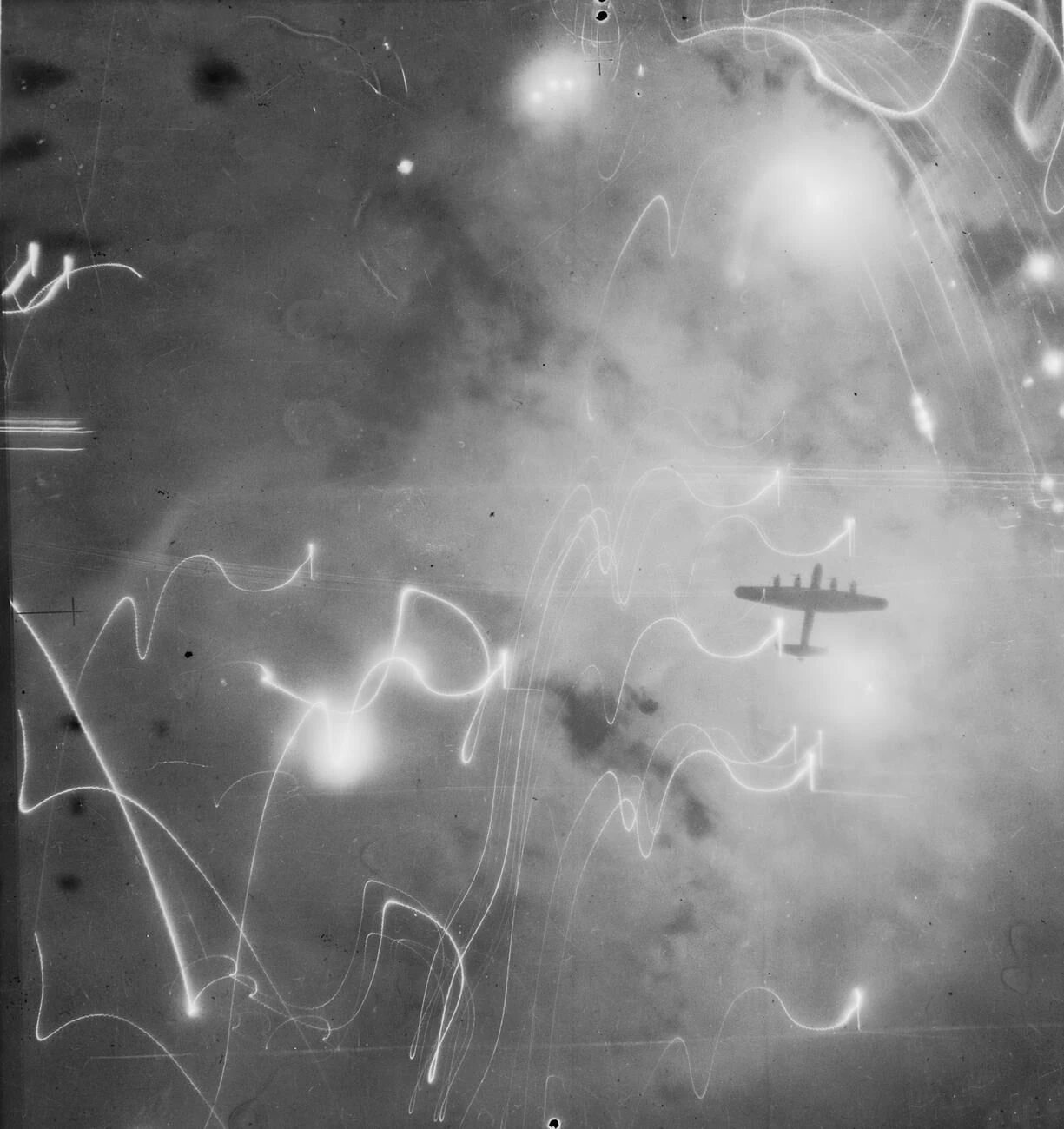
Bombing London — and the reply on Berlin
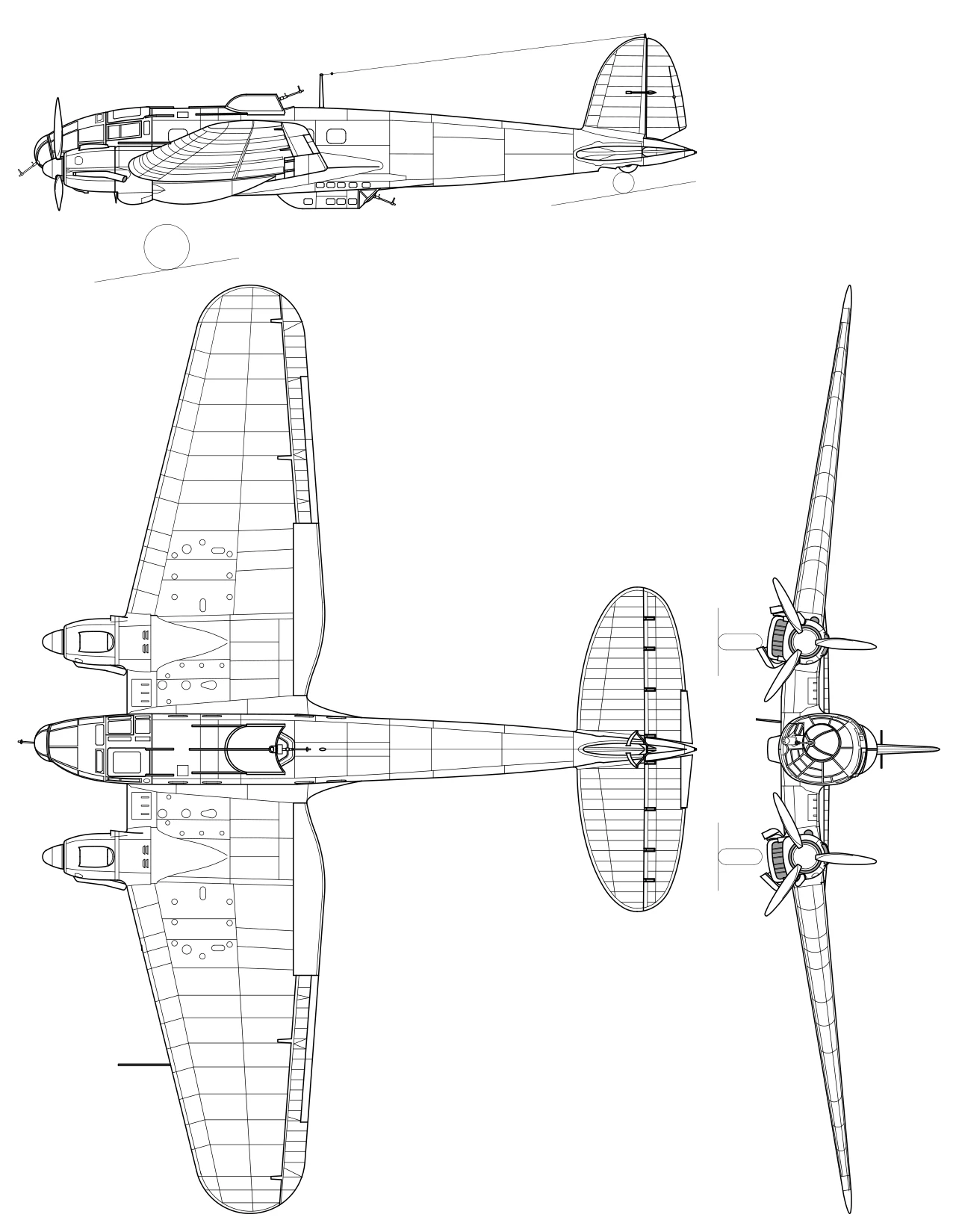
The doctrine of terror bombing
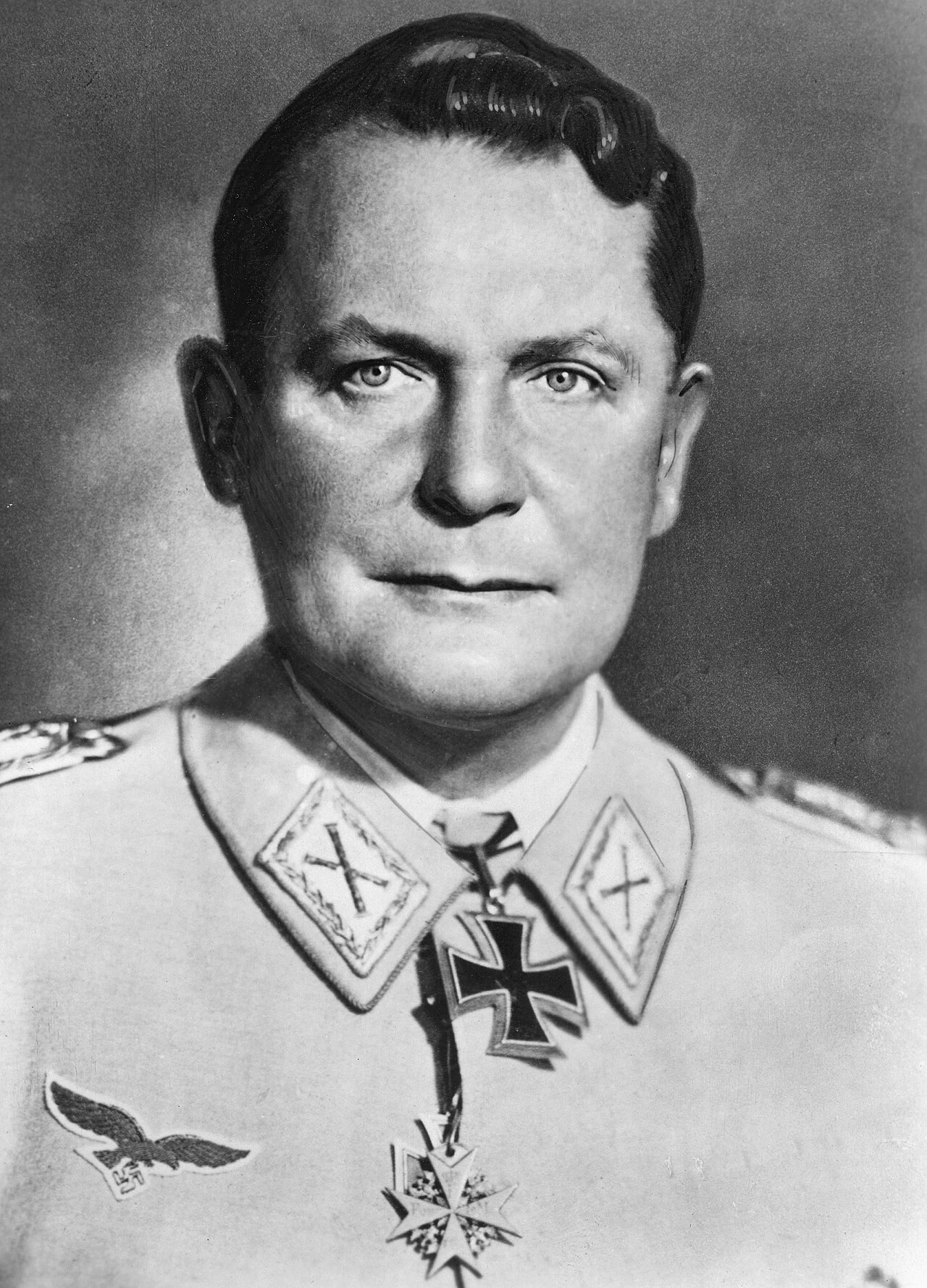
Goering at Carinhall — the promise to Hitler
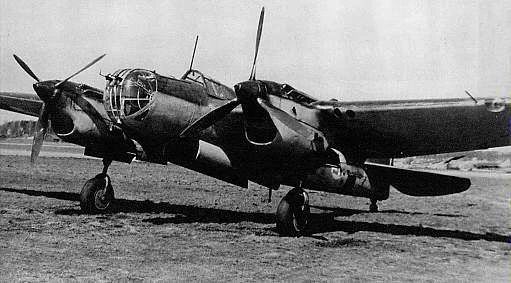
Smushkevich — report to Stalin
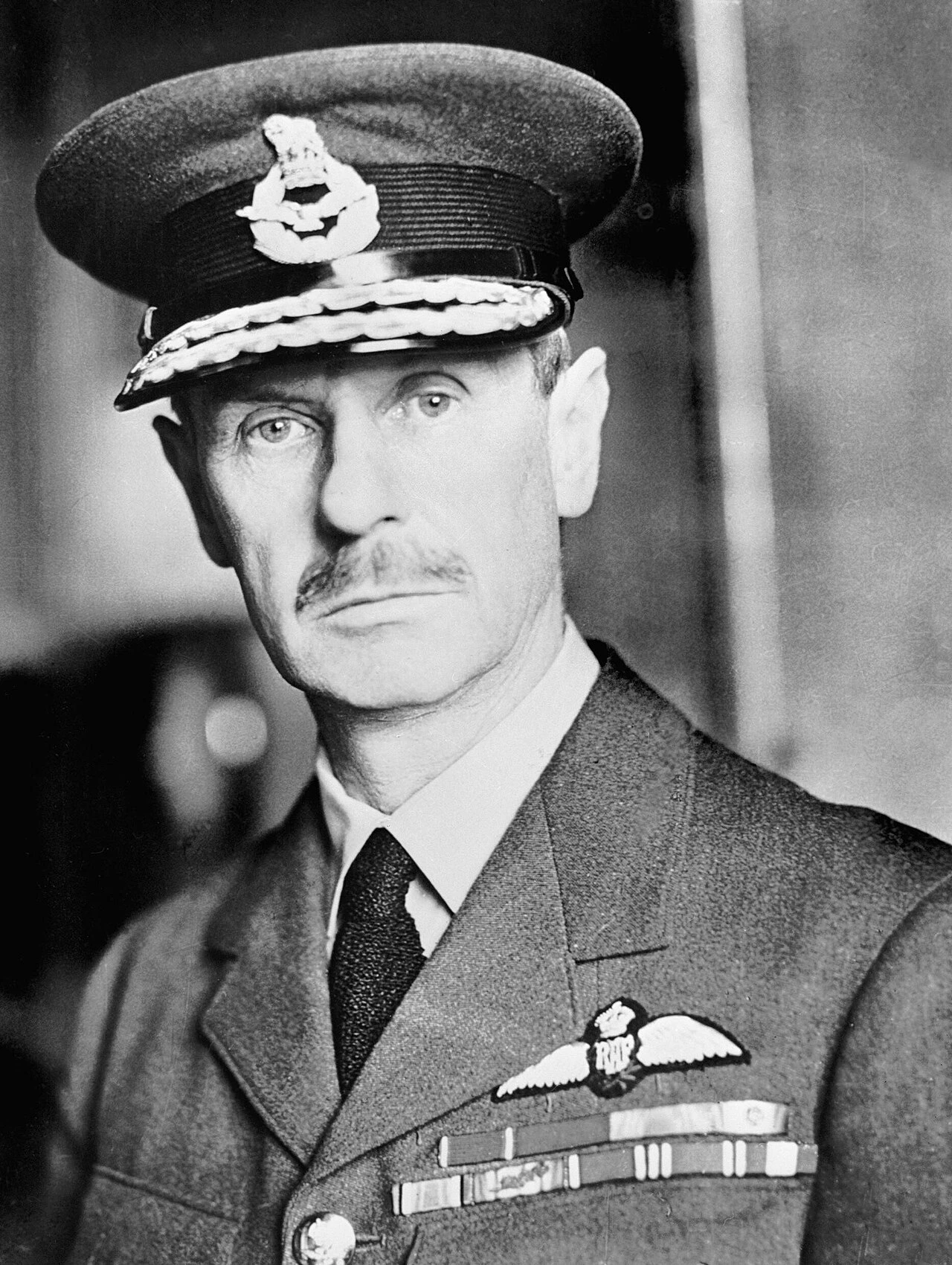
Dowding and the fighters
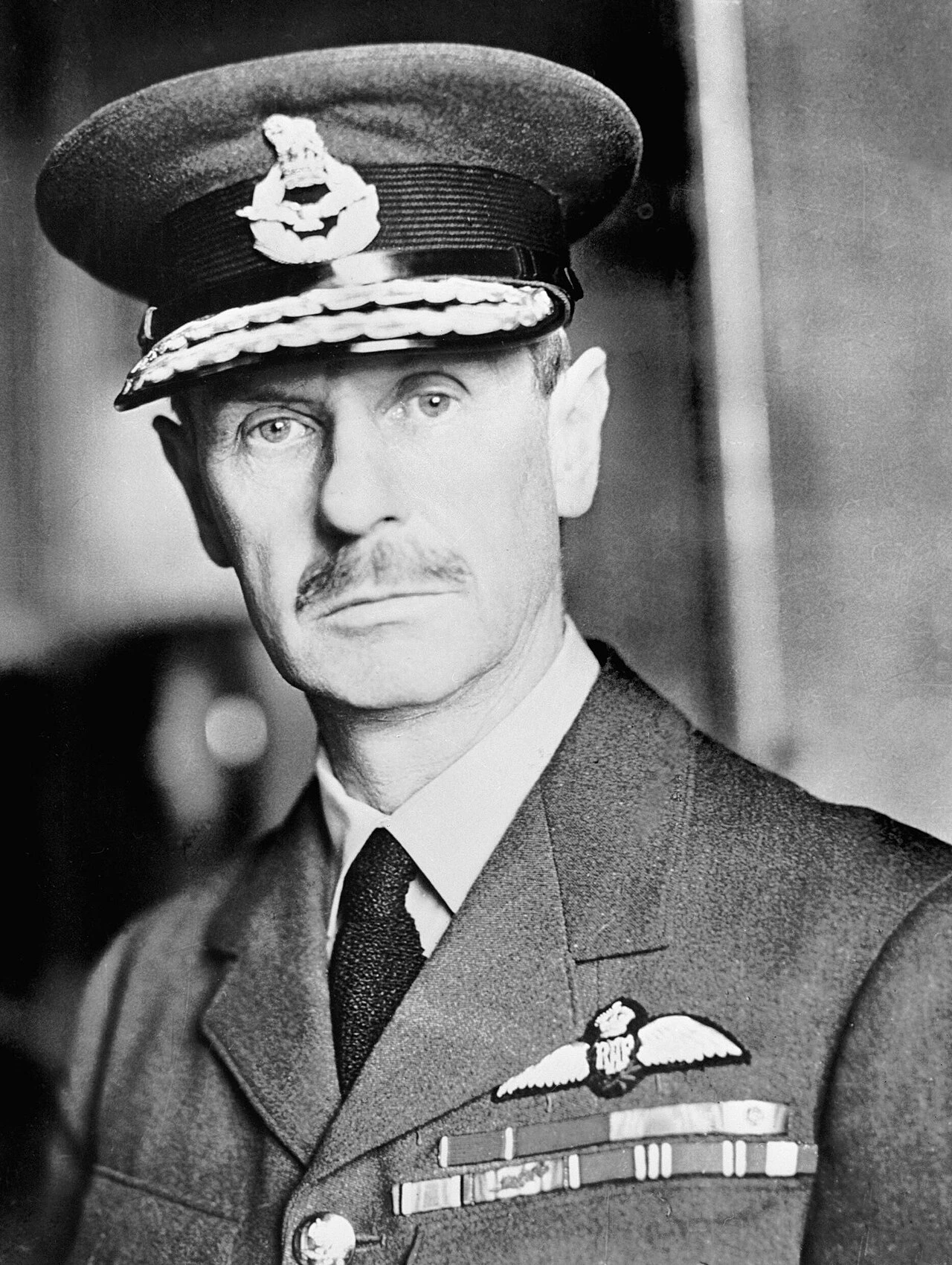
Dowding — Keep the Fighters?
Adlertag — which targets?
Göring's promise — Operation Adler
Withdrawing the Stukas
Göring at Cap Gris-Nez — September 7
Bombing London — and the reply on Berlin
The doctrine of terror bombing
Goering at Carinhall — the promise to Hitler
Smushkevich — report to Stalin
Dowding and the fighters