
Huntziger in Foch's Carriage — 22 June
General leads the French delegation come to negotiate the armistice at Rethondes. Hitler has chosen the site and the Foch carriage to erase 1918, then left the clearing, leaving Keitel to present the terms. The German text is not negotiable; it is read out, and the French delegation has very little room to manoeuvre.
The conditions are harsh: occupation of three-fifths of the territory (all the north and the Atlantic seaboard), maintenance in captivity of nearly two million prisoners, disarmament of the fleet, payment of occupation costs. Huntziger has obtained only an amendment to Article 8; for the rest, it is take it or leave it.
Unfortunate victor of Sedan in May, Huntziger is entrusted with the thankless task of signing the defeat he could not prevent. On 22 June at 6:36 p.m., after consulting Bordeaux by telephone, he faces the ultimate choice: affix his signature to the bottom of a humiliating text, refuse at the risk of prolonging a war already lost on the ground, or try to wring last-minute modifications.
Should Huntziger sign the German conditions?
Huntziger signs — A — on 22 June at 6:36 p.m., on instruction from Bordeaux. The ceremony lasts about fifty minutes; neither Pétain nor Weygand is present. The armistice will not enter into force until after the signing of the Franco-Italian armistice: the general cease-fire takes effect on 25 June at 12:35 a.m. France is cut into several zones, her army reduced to 100,000 men, her fleet disarmed, her prisoners held as pledge. Huntziger will become Vichy's Minister of War and chair the Wiesbaden armistice commission; he dies in a plane crash in November 1941. His signature legally seals the defeat and opens the period of the Occupation.
Learn more about this event
Related polls
10
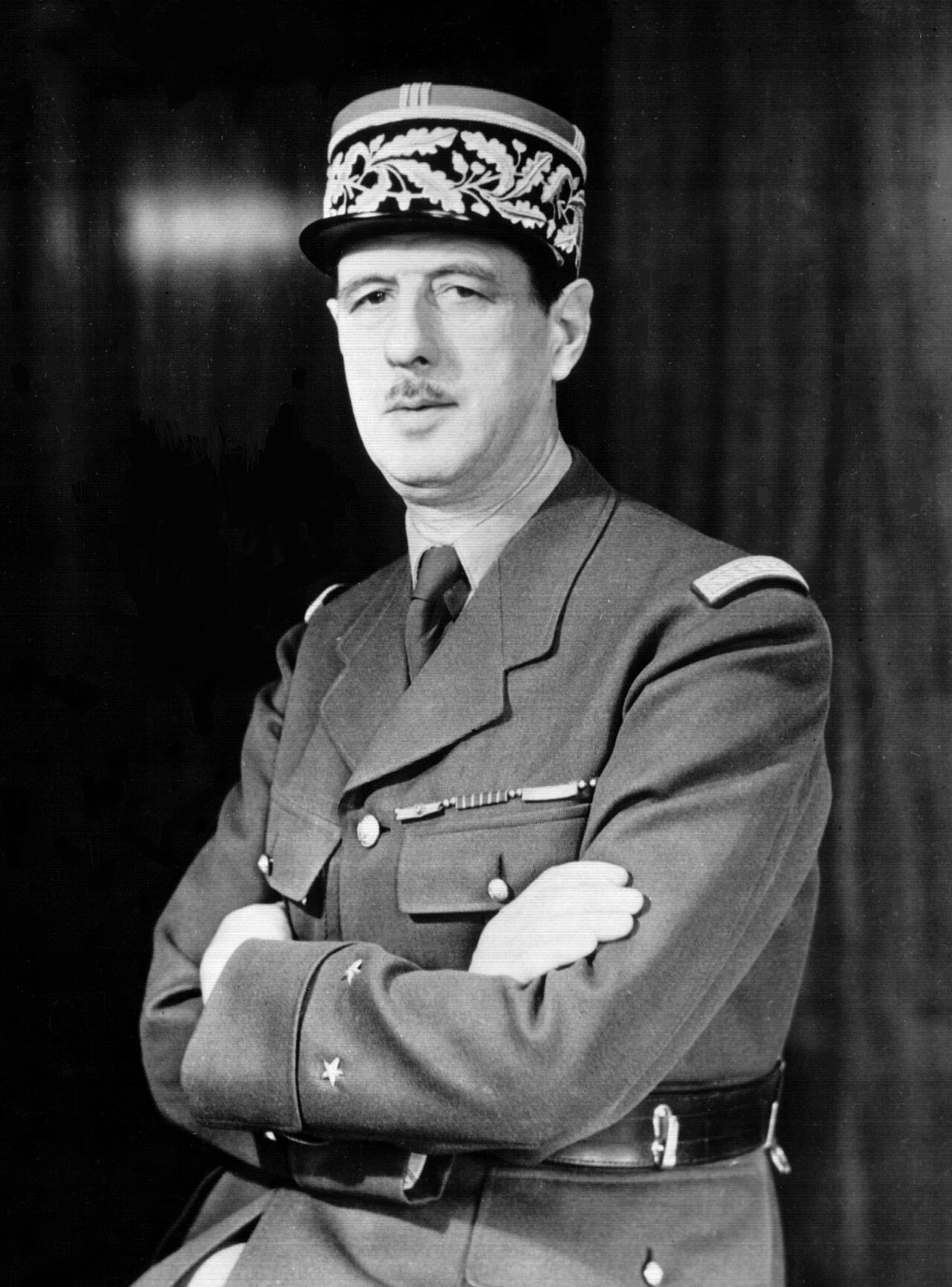
Mérignac — de Gaulle and Spears's aircraft
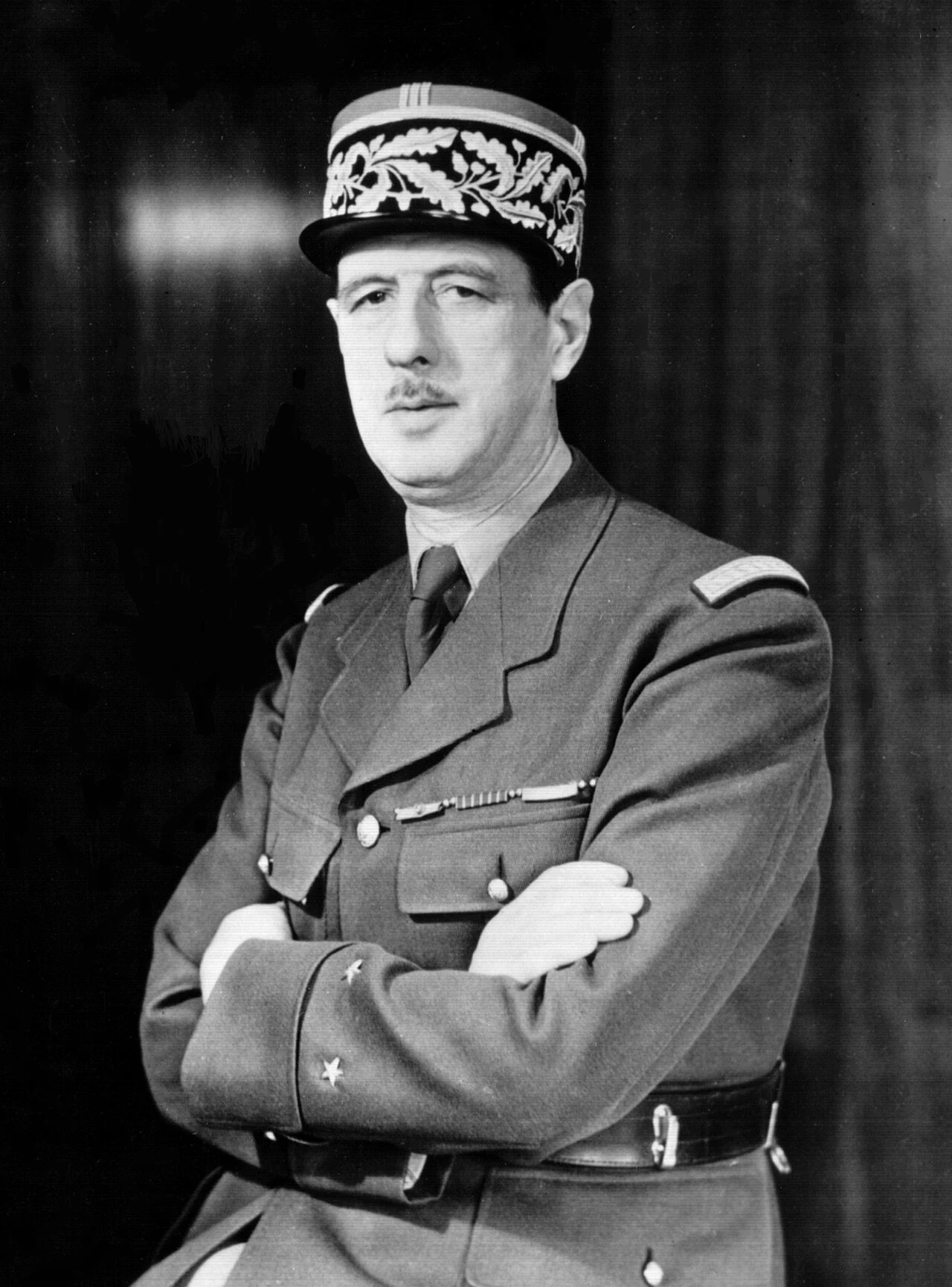
The Franco-British union — 16 June
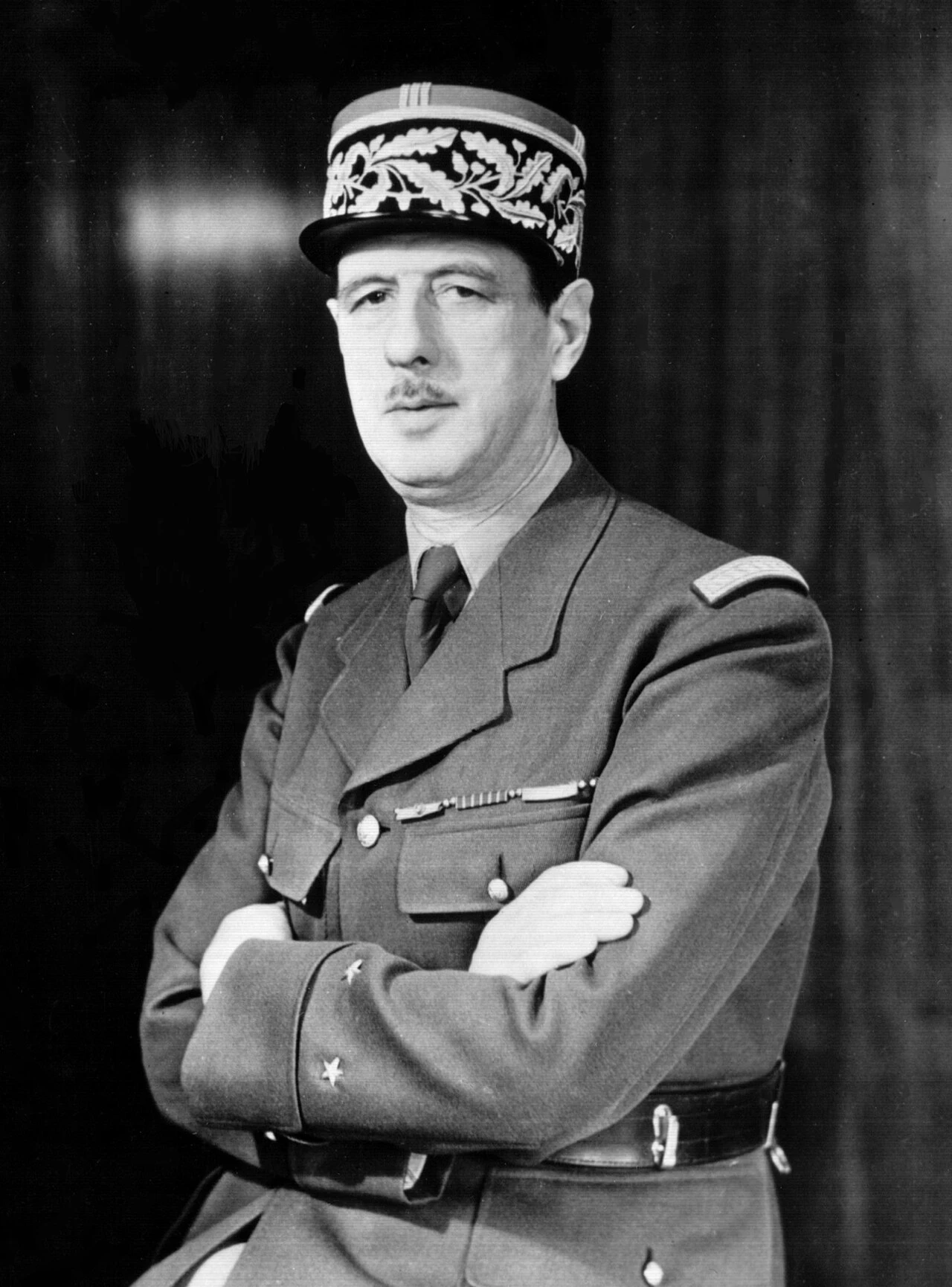
De Gaulle joins the government — 5 June
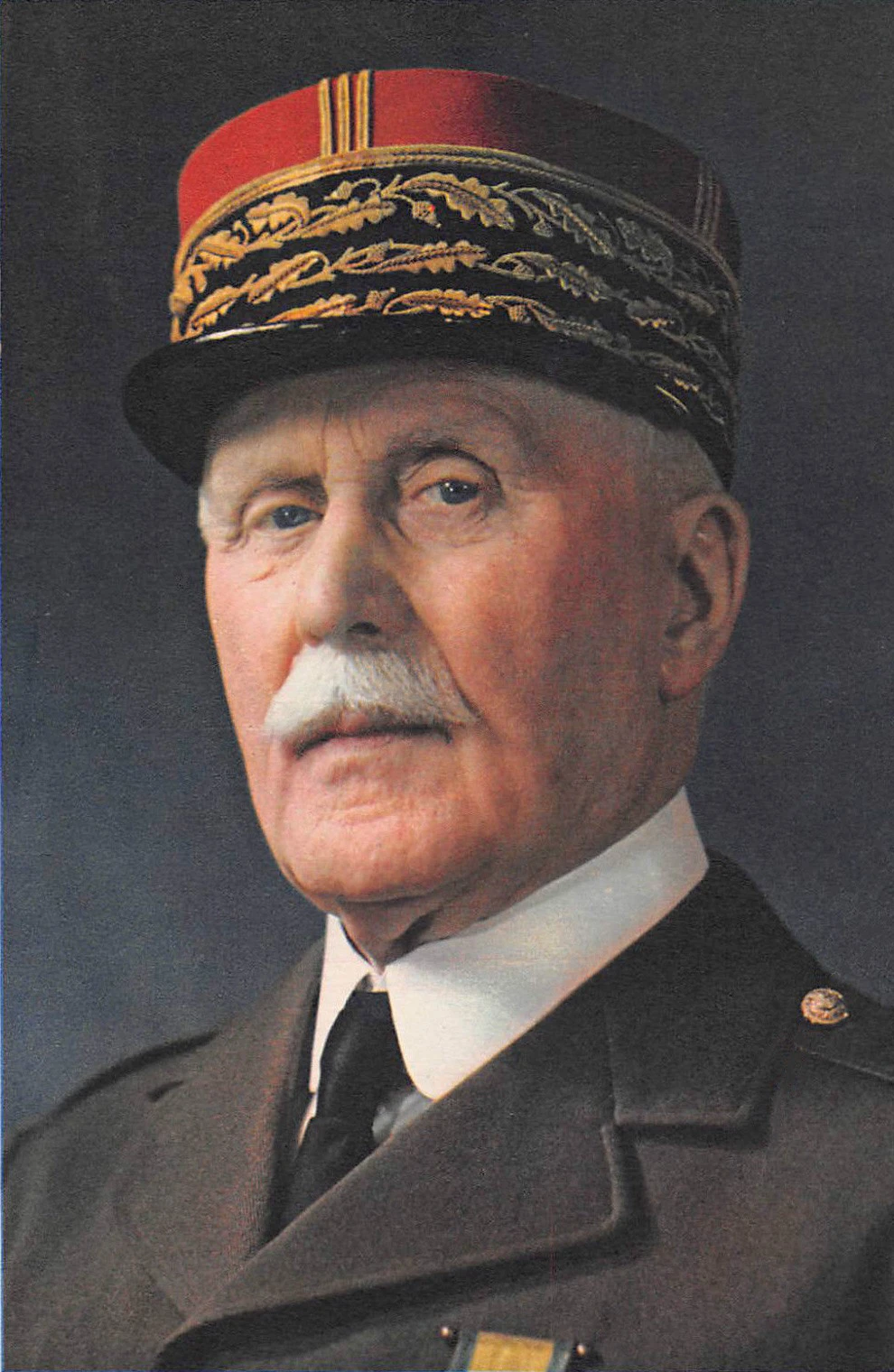
The hero of Verdun recalled from Madrid
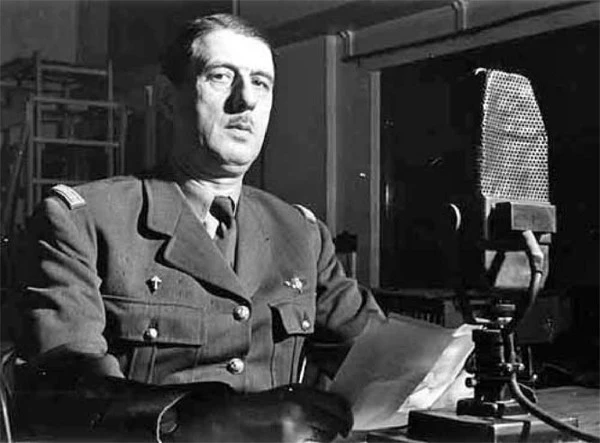
The Appeal of 18 June
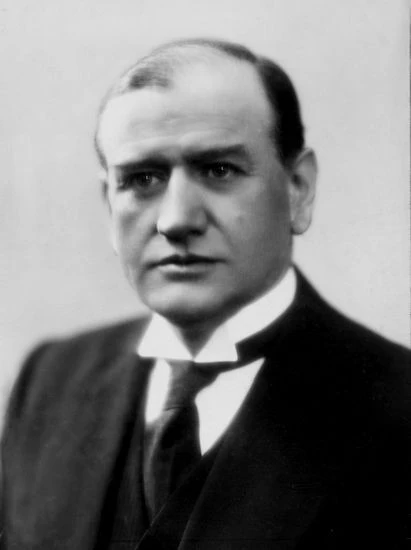
Daladier asked to leave the War Ministry
De Gaulle at the BBC microphone — 18 June, 18:00
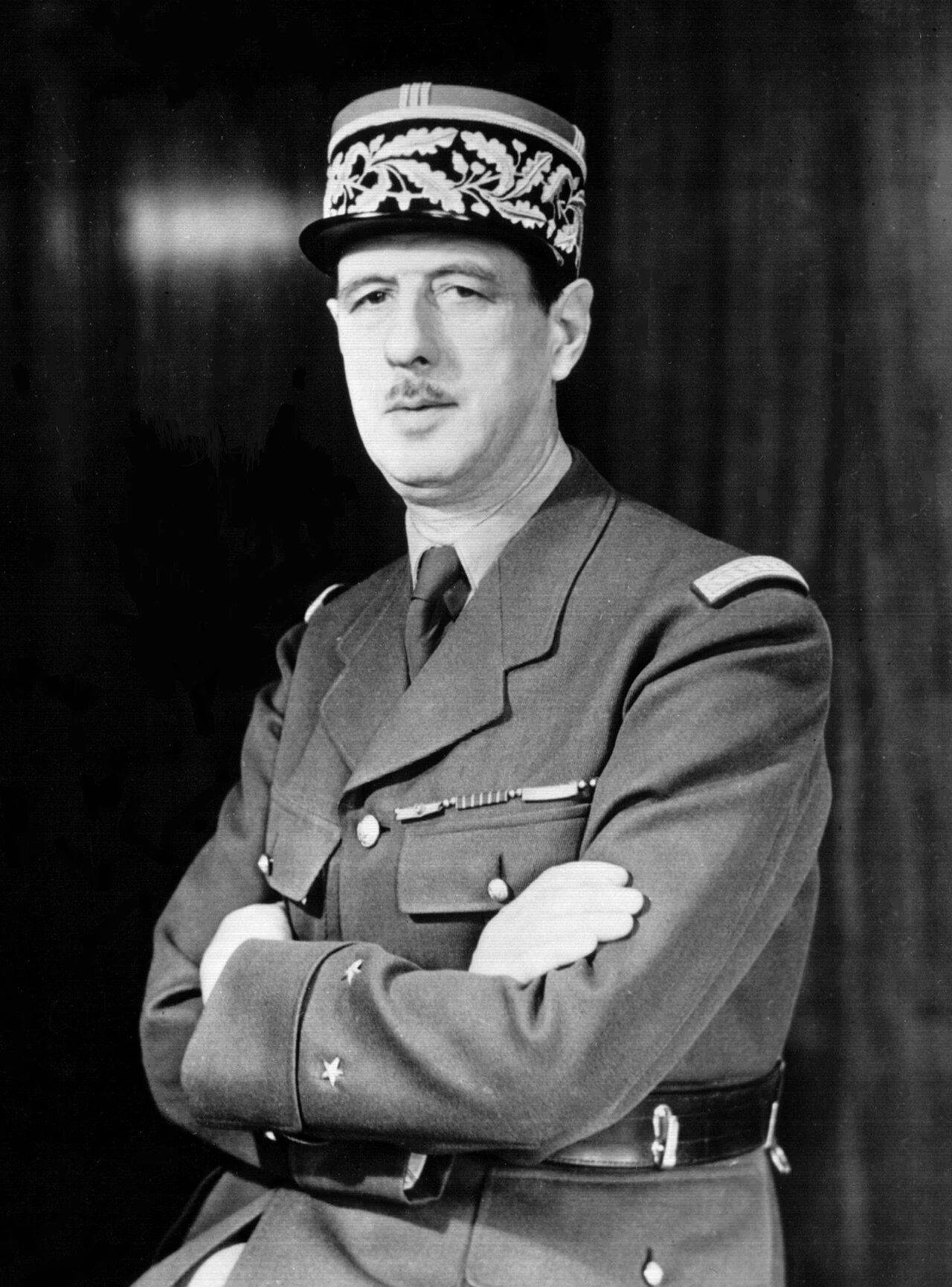
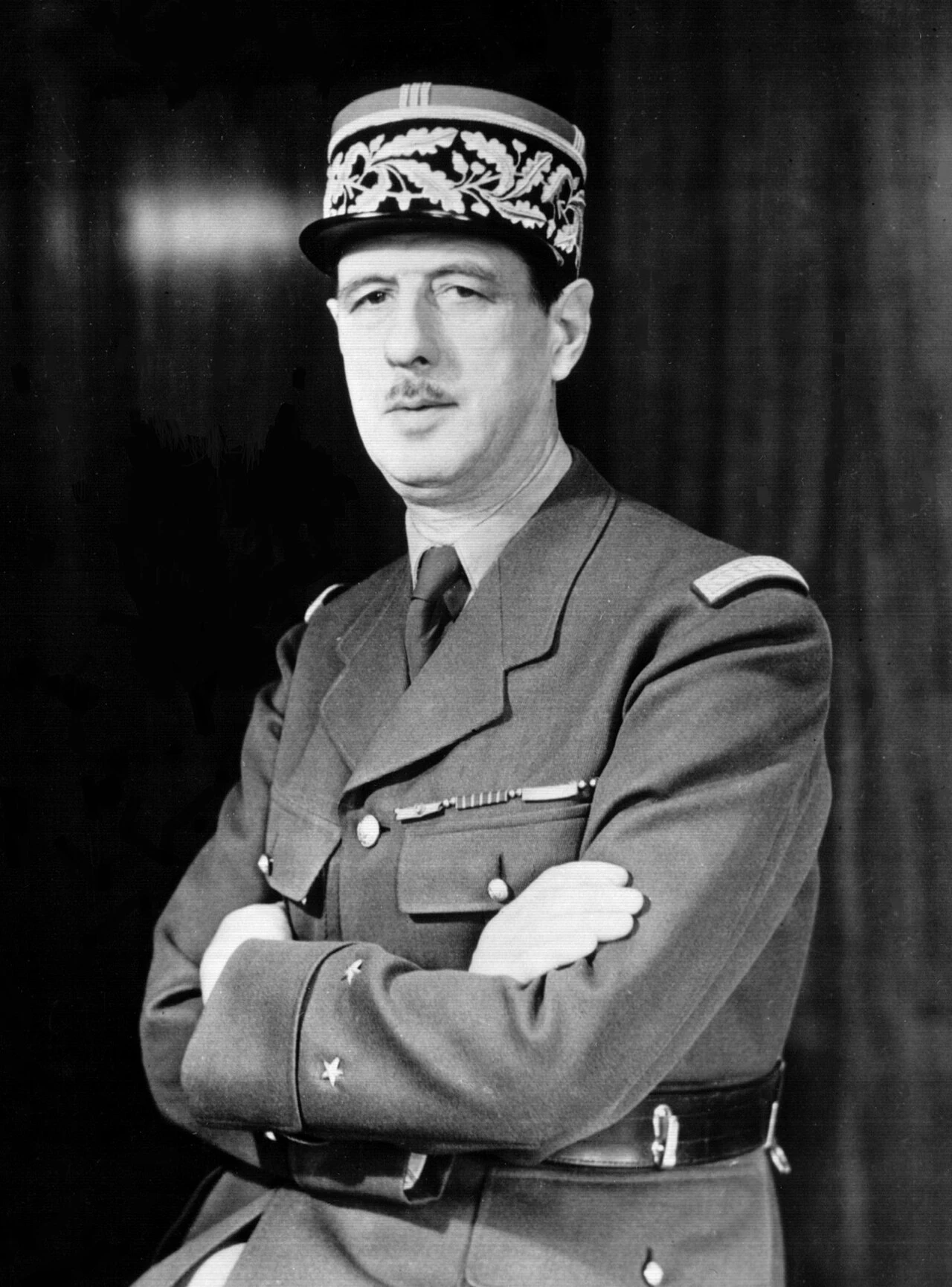
De Gaulle calls on Churchill — 9 June
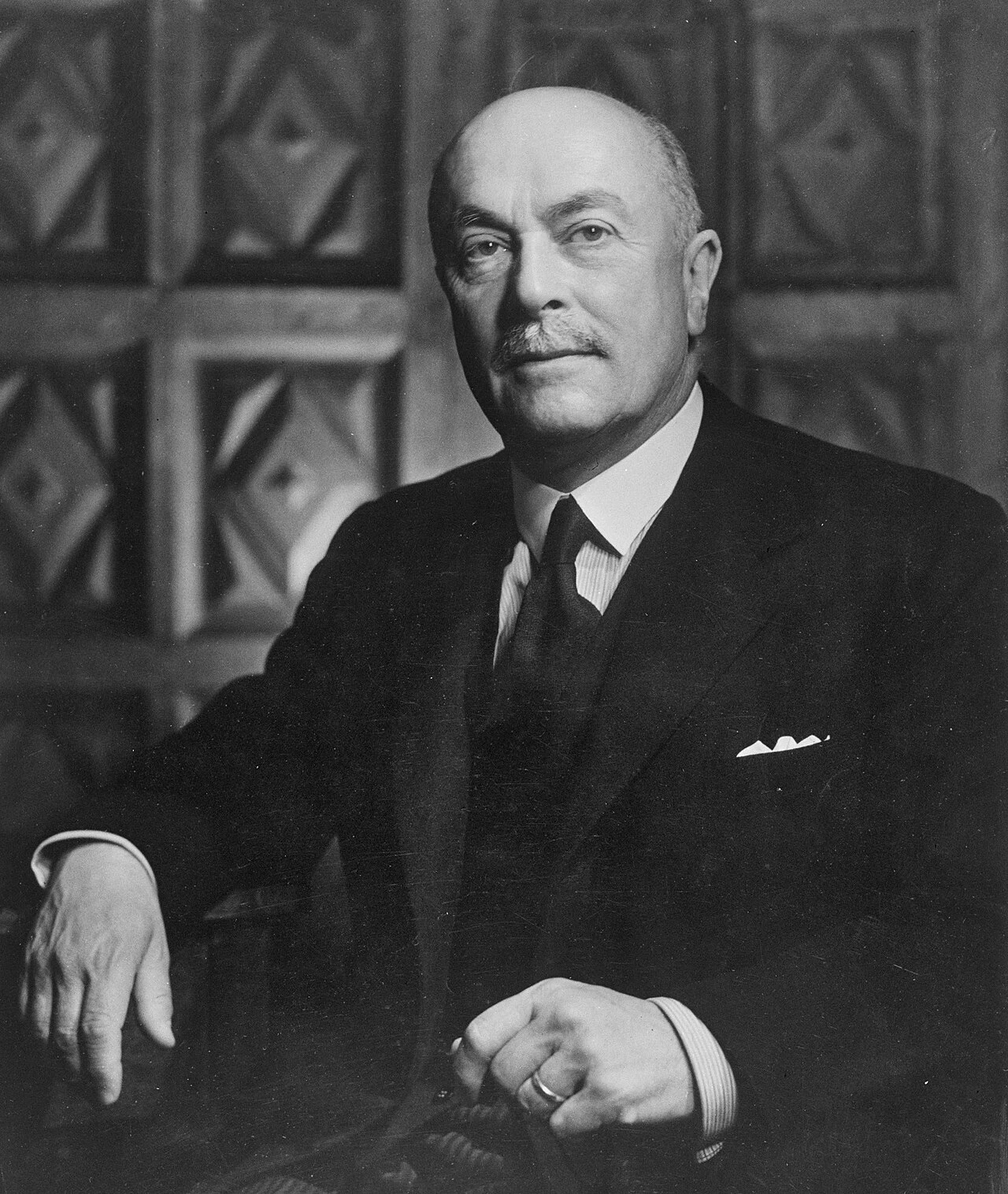
Pierlot at Limoges — from where to carry on?
Léopold III — Wijnendaele 28 May
Mérignac — de Gaulle and Spears's aircraft
The Franco-British union — 16 June
De Gaulle joins the government — 5 June
The hero of Verdun recalled from Madrid
The Appeal of 18 June
Daladier asked to leave the War Ministry
De Gaulle at the BBC microphone — 18 June, 18:00
De Gaulle calls on Churchill — 9 June
Pierlot at Limoges — from where to carry on?