
Bletchley breaks the Norway Enigma
The Government Code & Cypher School (GC&CS), the British cryptanalysis service installed at Bletchley Park in Buckinghamshire, gathers mathematicians, linguists and chess players around a challenge: cracking Enigma, the German army's rotor cipher machine. Since the outbreak of war, successes have remained rare and fragmentary.
On 9 April 1940, Germany invades Norway and Denmark. To coordinate this improvised operation, the Luftwaffe and Wehrmacht use a relatively simple Enigma key, and messages flood in. From 15 April, Bletchley manages to break it: some messages are deciphered in less than an hour. It is a mass of intelligence on the enemy's organisation, supply, plans and intentions in Norway — what Churchill would later call his "golden eggs."
But a problem arises. Bletchley has no secure means of transmitting this information to commanders in the field, cannot even explain the nature of the source to them, and has neither a system for collation nor a distribution circuit. Revealing this treasure too quickly would risk alerting the enemy and drying up the source forever.
At the head of Bletchley, what will you do with this suddenly accessible Enigma intelligence?
Bletchley's leadership effectively chose B, for lack of being able to do better. The deciphering of the Norway Enigma key was a "triumph of cryptography," but, as summed up, it "had no influence on the course of the Norway campaign." Without a secure transmission circuit, without the capacity to protect the origin of the intelligence, the information remained unused by the army and navy in the field. The lesson was bitter: in the intelligence war, it was Germany, capable of reading a third of British naval signals in the North Sea, that emerged victorious from Norway. The episode would trigger the creation of the Special Liaison Units and of the Ultra system, which, from 1941, would distribute decrypts to commanders with strict procedures for protecting the source.
Learn more about this event
Related polls
10
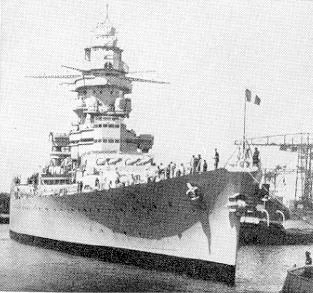
The Admiralty and the Strasbourg Rumour
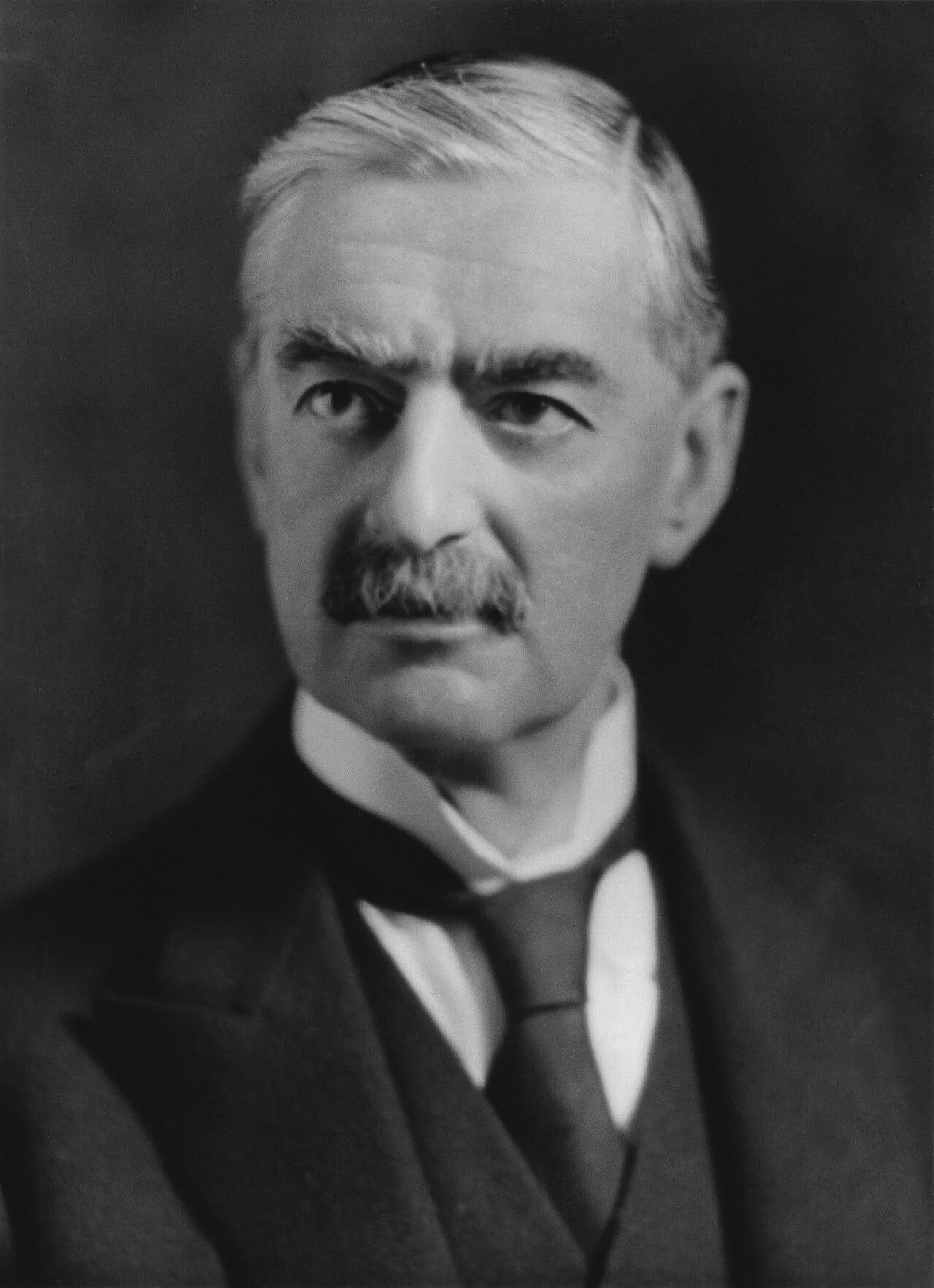
War council — leave central Norway?
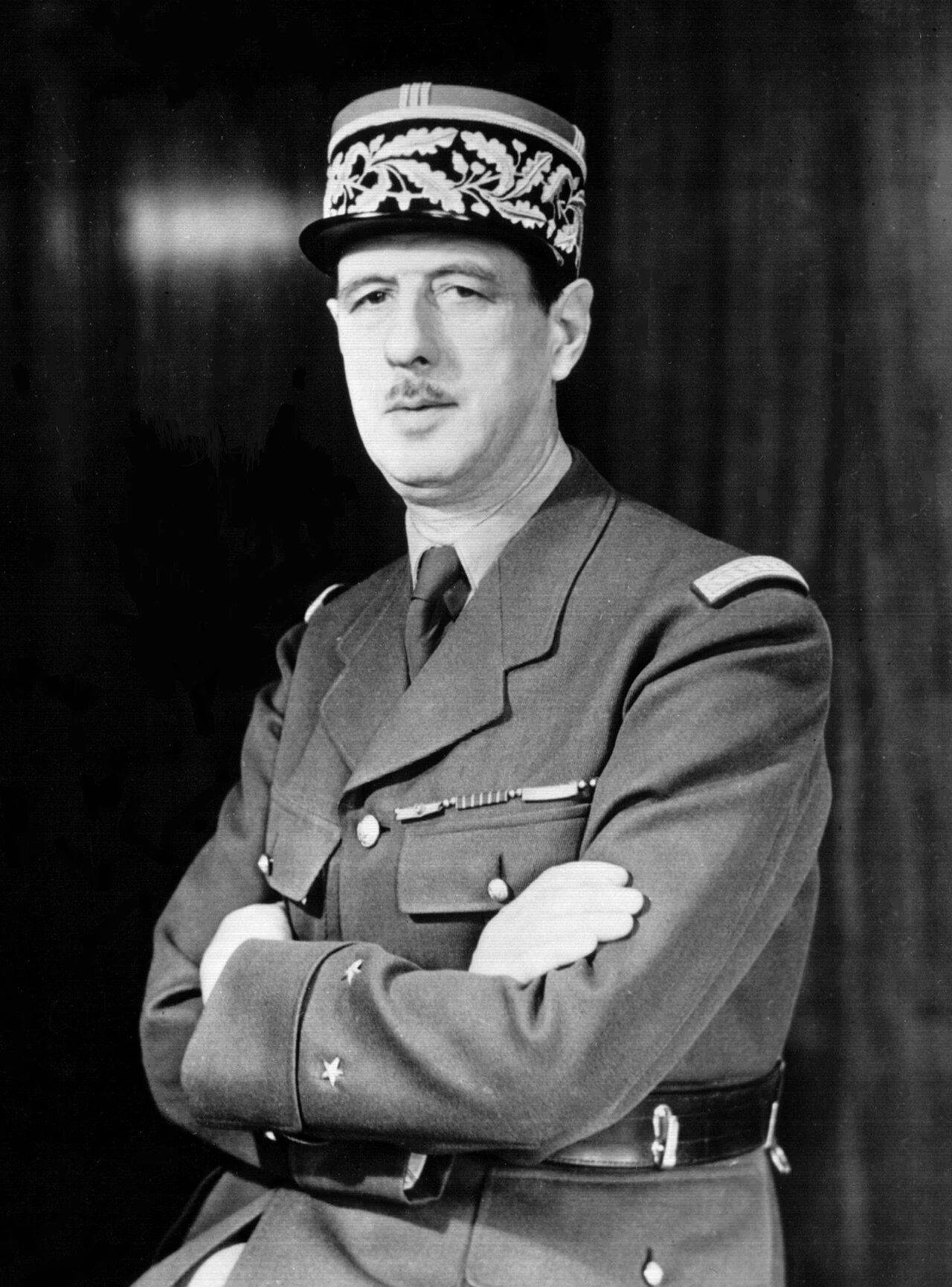
De Gaulle calls on Churchill — 9 June
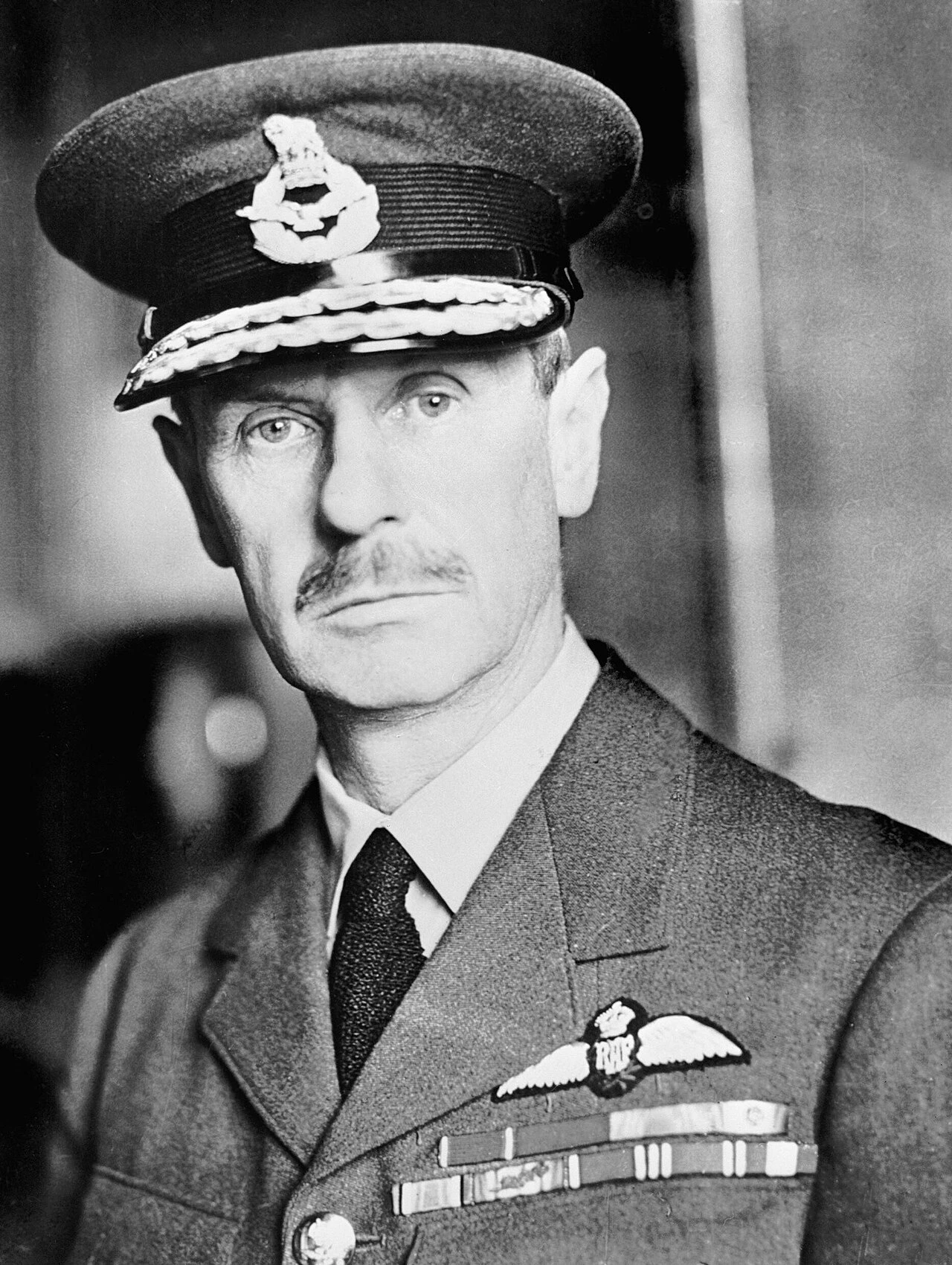
Dowding and the fighters
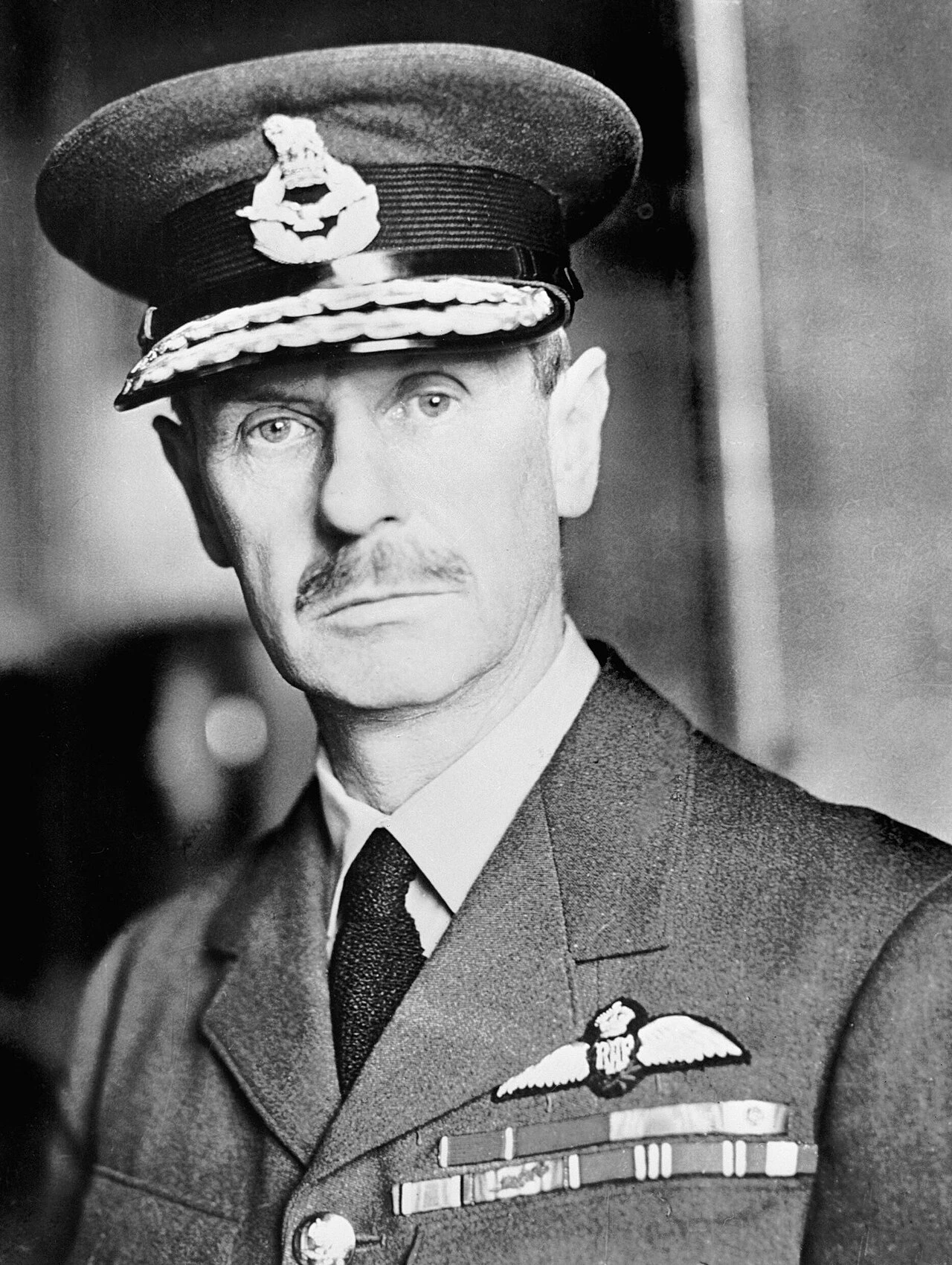
Dowding — Keep the Fighters?
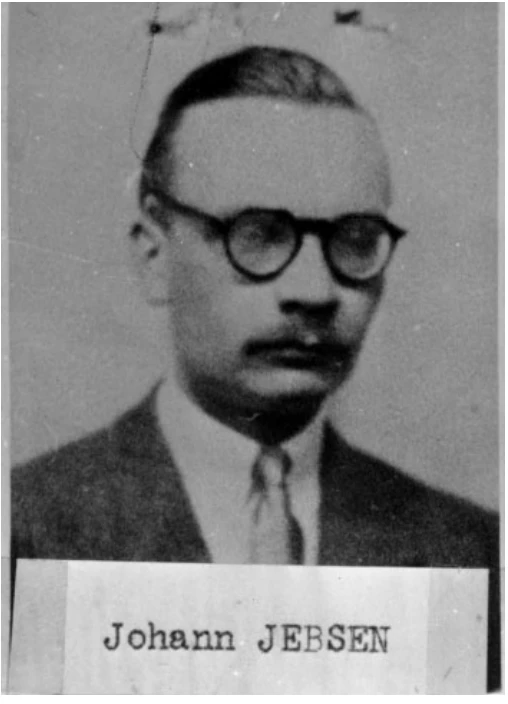
The turned agent and what he is allowed to say
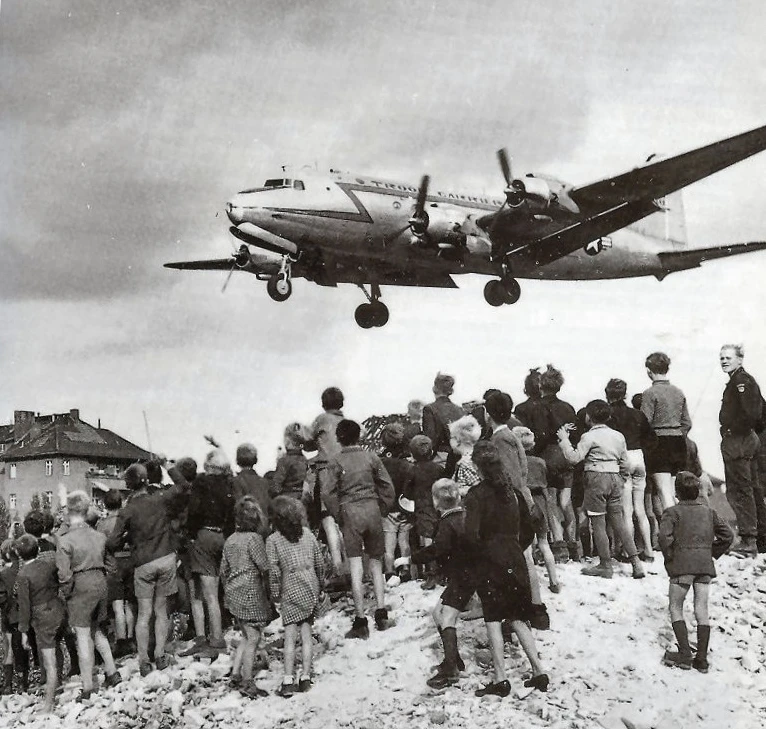
The blockade of Germany
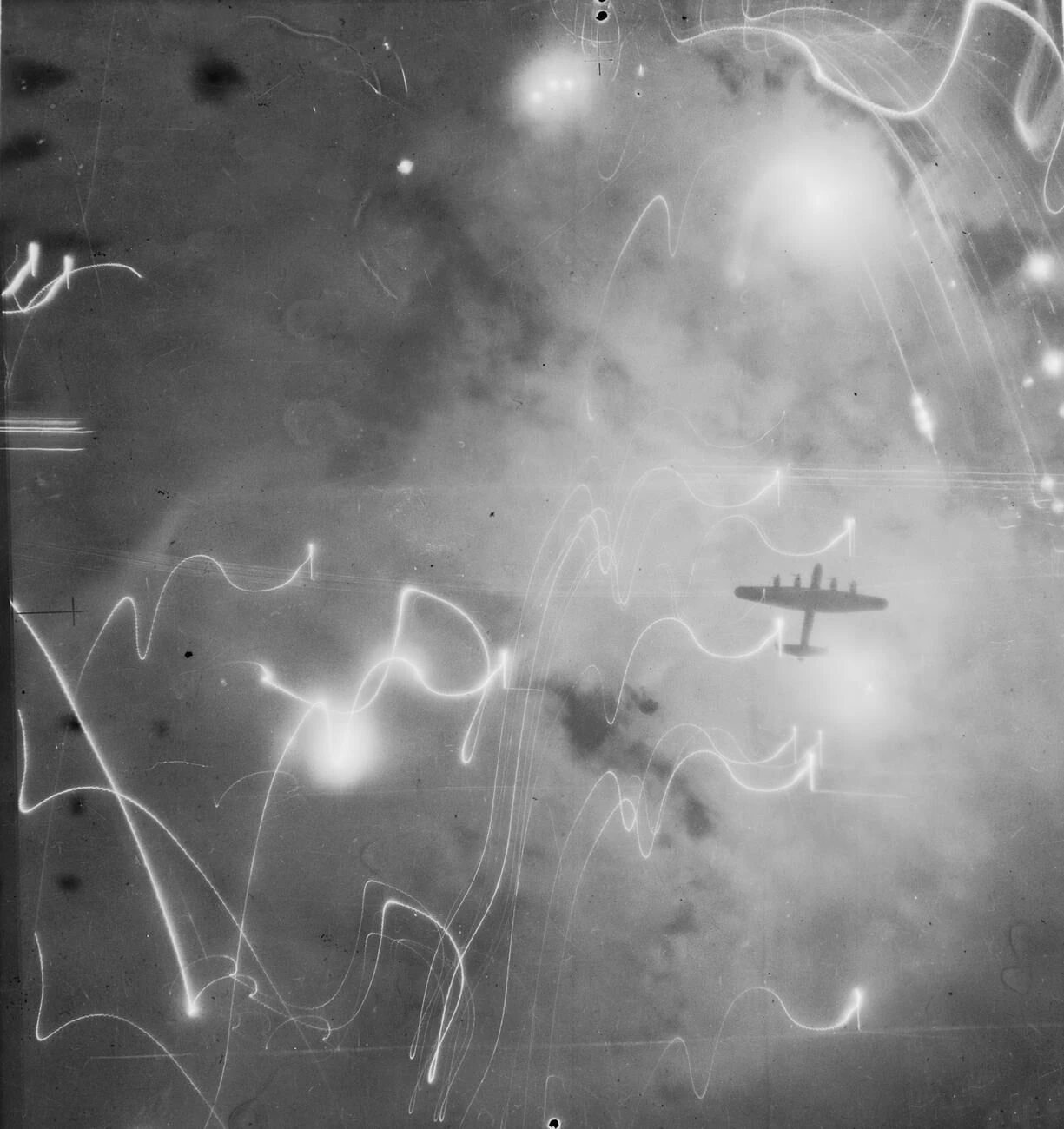
Bombing London — and the reply on Berlin
The War Cabinet — Negotiate or Carry On
"Cromwell" — England, 7 September 1940
The Admiralty and the Strasbourg Rumour
War council — leave central Norway?
De Gaulle calls on Churchill — 9 June
Dowding and the fighters
Dowding — Keep the Fighters?
The turned agent and what he is allowed to say
The blockade of Germany
Bombing London — and the reply on Berlin
The War Cabinet — Negotiate or Carry On