
Goering — the economic mobilization plan
, 46, is the most powerful man in the Reich after Hitler: Generalfeldmarschall, President of the Reichstag, commander-in-chief of the Luftwaffe, head of the Four-Year Plan since 1936 — and thus responsible for the planning of the war economy —, Minister-President of Prussia, and Reich Minister for Aviation. A flamboyant aristocrat, addicted to morphine, he owns sumptuous residences, from Carinhall in Brandenburg to a Berlin palace.
On 18 October 1939, Hitler signs the decree that makes the Four-Year Plan the supreme economic authority of the Reich in time of war. Goering inherits the economic organization of the war effort, in competition with (Minister of the Economy), (Minister of Armaments from March 1940), (Hitler's personal architect, future Minister of Armaments in 1942), and the Finance Ministry of Schwerin von Krosigk.
By 1 November 1939, the German war economy is suffering from major bottlenecks. Steel is short, with 22 million tonnes produced per year against a need of 28; oil more so, 4 million tonnes against 7 needed; synthetic rubber peaks at 25,000 tonnes when 100,000 are needed. Commercial tonnage — 4.5 million tonnes against 8 indispensable to withstand the blockade — is lacking, as is manpower, where the deficit reaches 1.5 million workers. Goering must present Hitler with a complete plan of economic mobilization: the Wehrwirtschaft, the total war economy.
What priority direction should be given to the mobilization plan?
Goering combines A and B, refuses C. Decision: maintain the German civilian standard of living (a political priority for preserving national morale), while increasing military production through technological autarky (synthetic gasoline from IG Farben, Buna rubber) and massive imports (USSR via Schnurre). The result is paradoxical: the German economy remains less mobilized than the British economy in 1940-1942 ( documents this contradiction in The Wages of Destruction). German women are not mobilized into the factories before 1943 (unlike British and Soviet women). Foreign workers (Poles, Czechs, then French, Belgians, Dutch) are imported en masse to fill the deficits — at the peak, 7.6 million foreign workers will labour in the Reich, of whom 5.5 million by force (modern slavery). Goering is progressively marginalized by Speer and Bormann from 1942. He is tried at Nuremberg, condemned to death, and commits suicide with cyanide in his cell on the night of 15 October 1946 — a few hours before the scheduled hanging.
Learn more about this event
Related polls
10
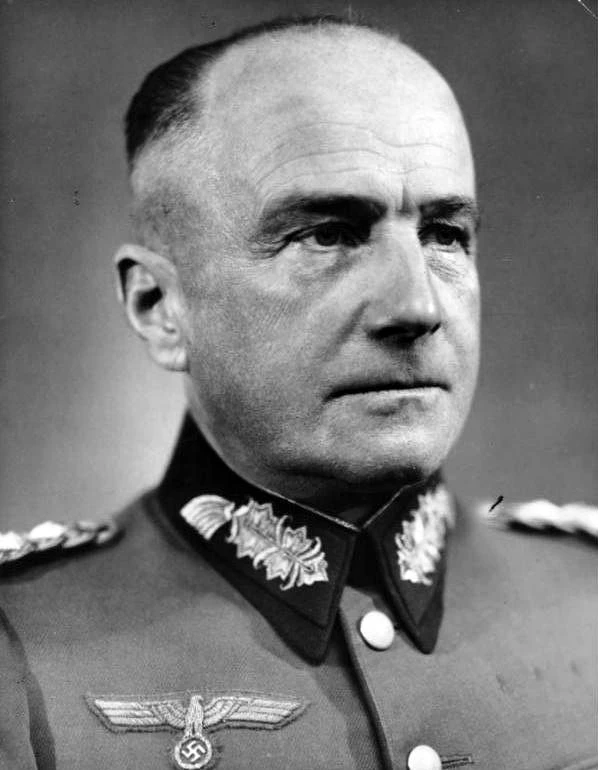
Brauchitsch — Reich Chancellery, 5 November
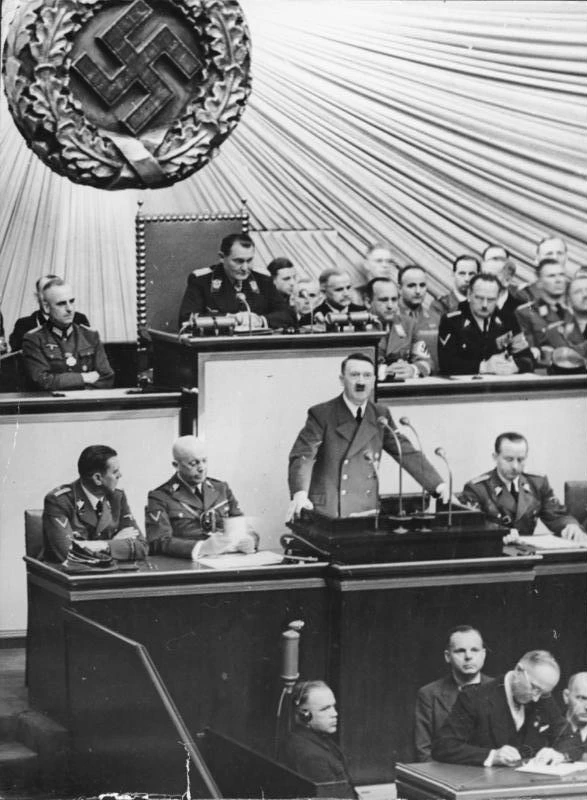
Hitler — the Reichstag Speech
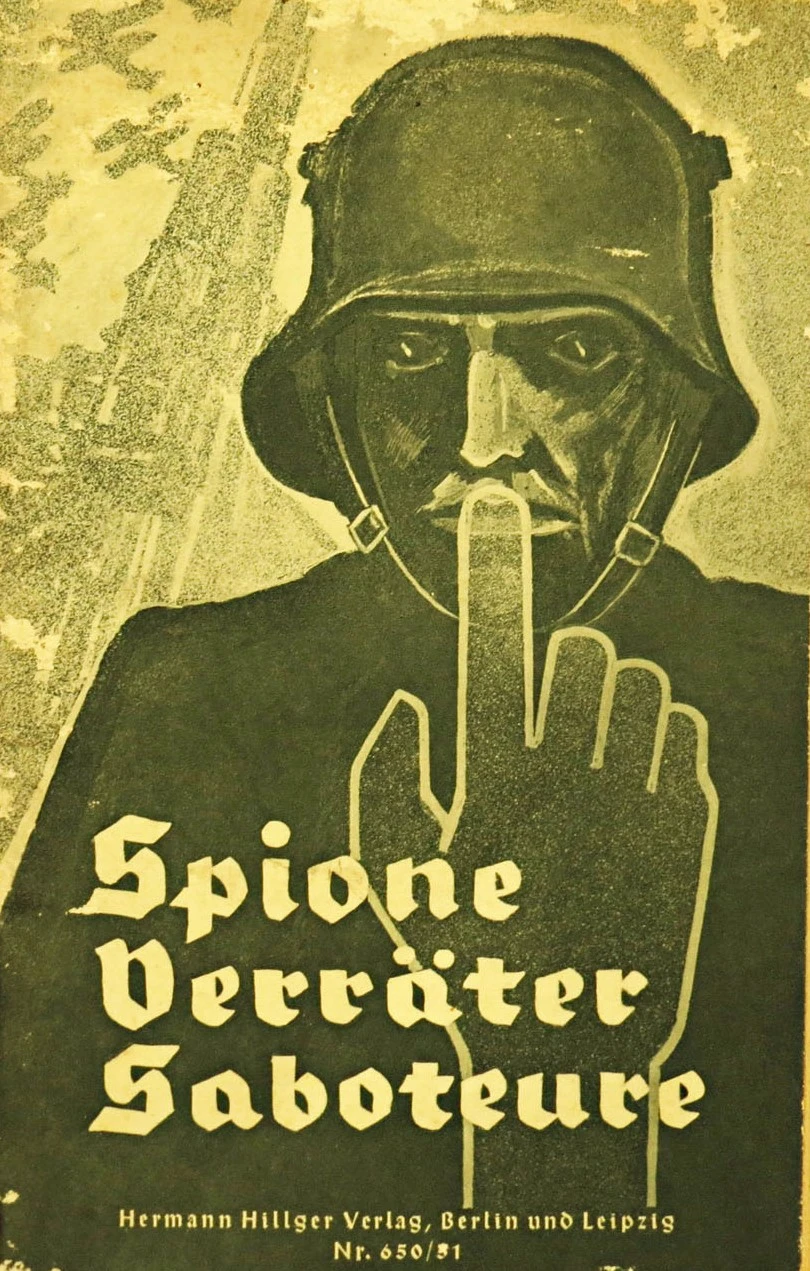
The Karten: Rationing Germany at War
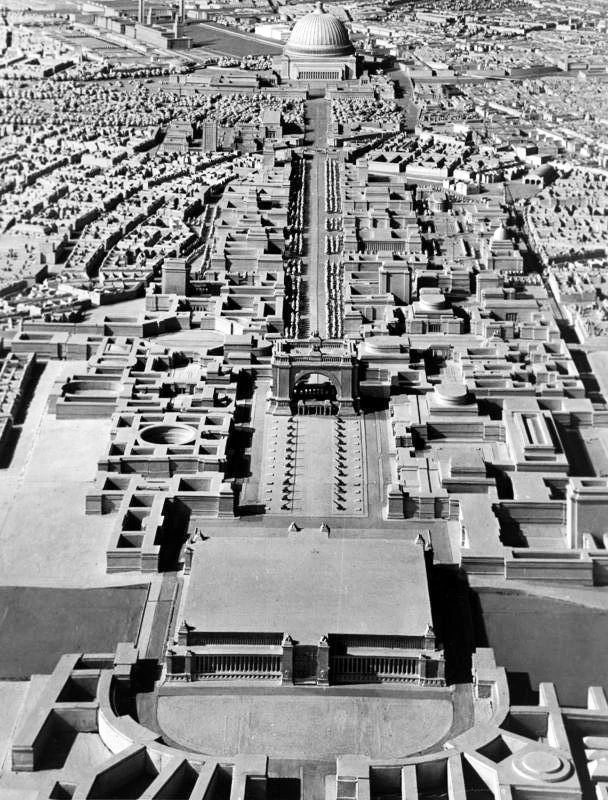
Speer and the Germania trade-off

Borakowski and the merchant fleet
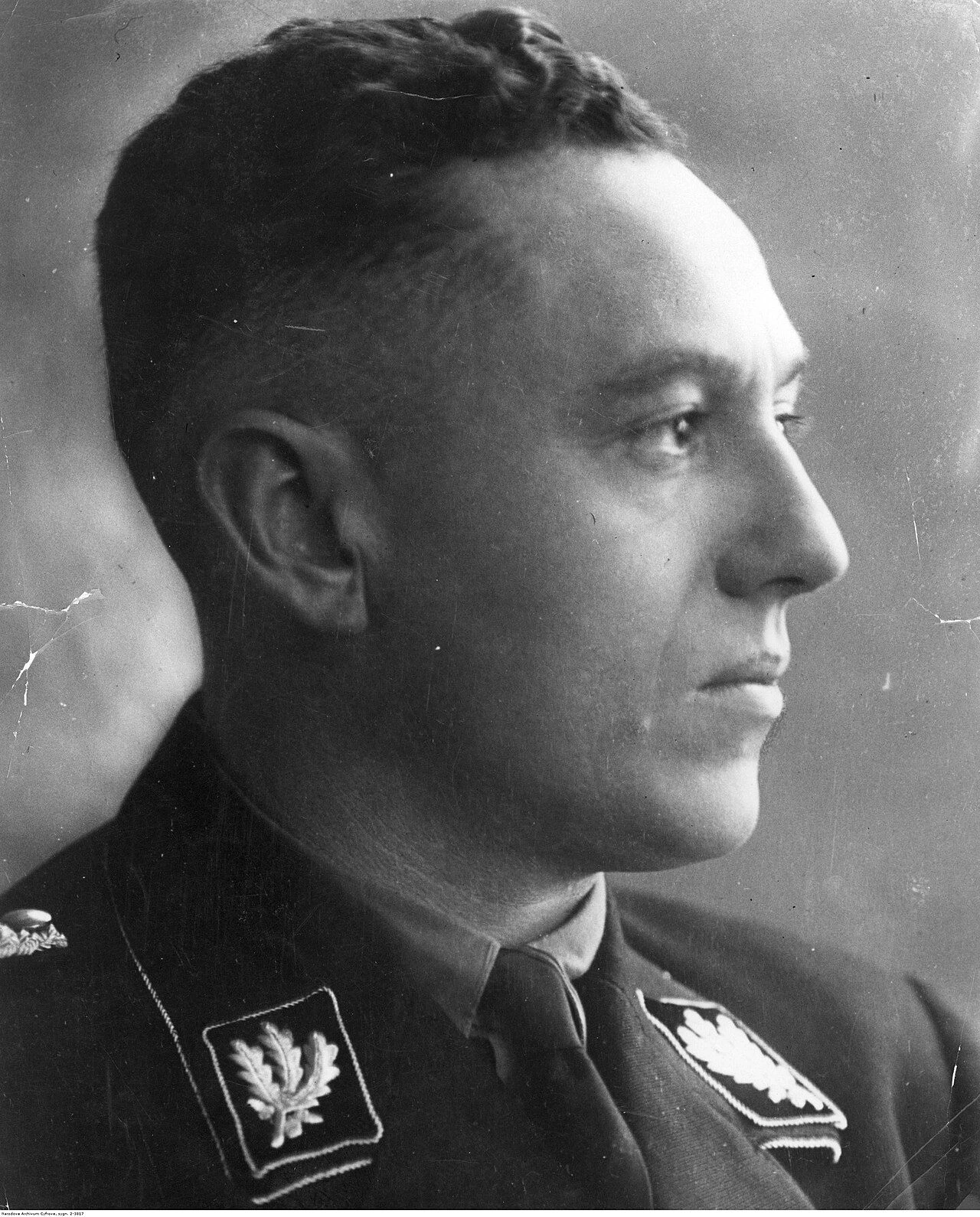
Forster — Kashubians and Kociewiacy
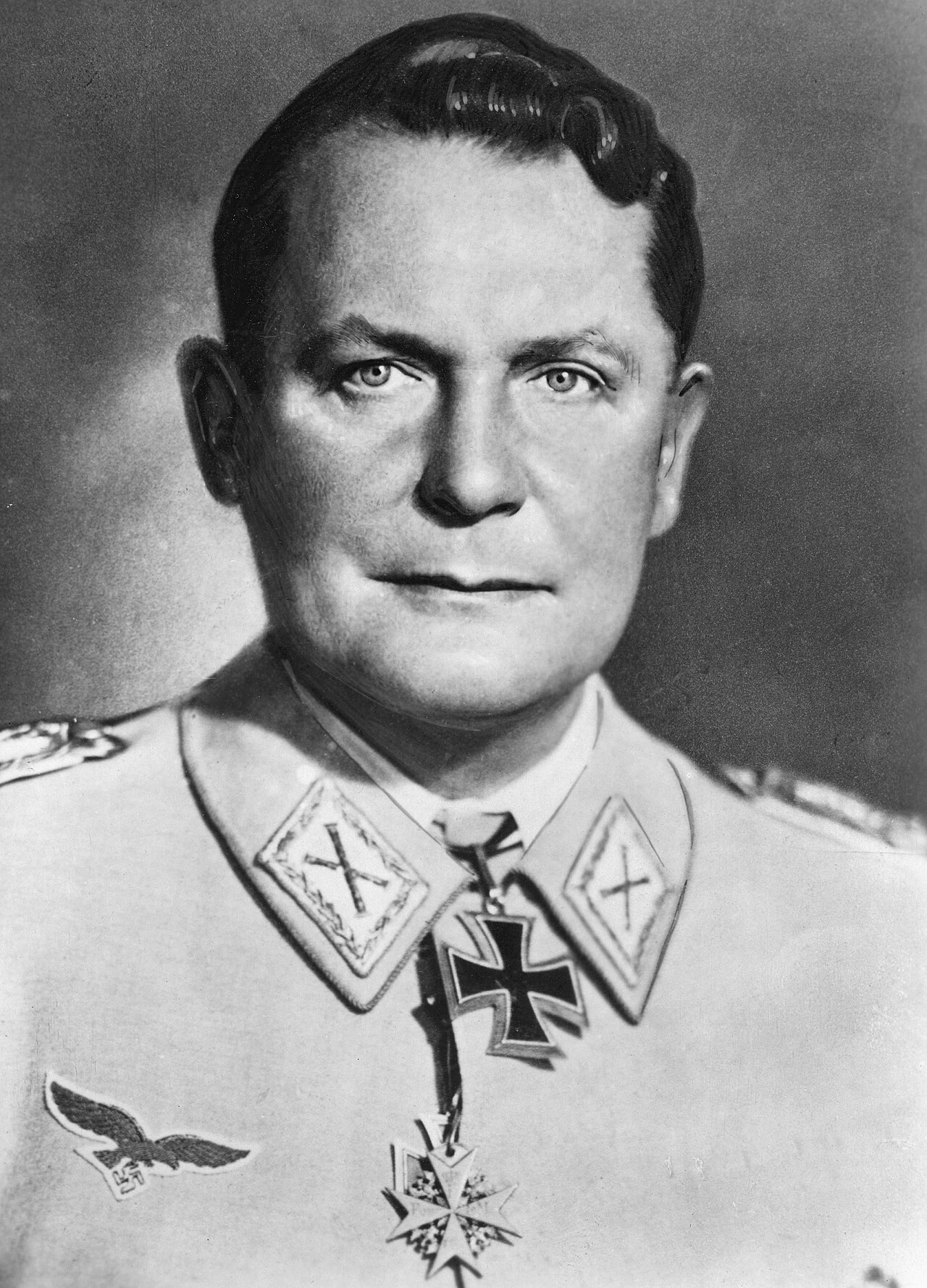
Goering at Carinhall — the promise to Hitler
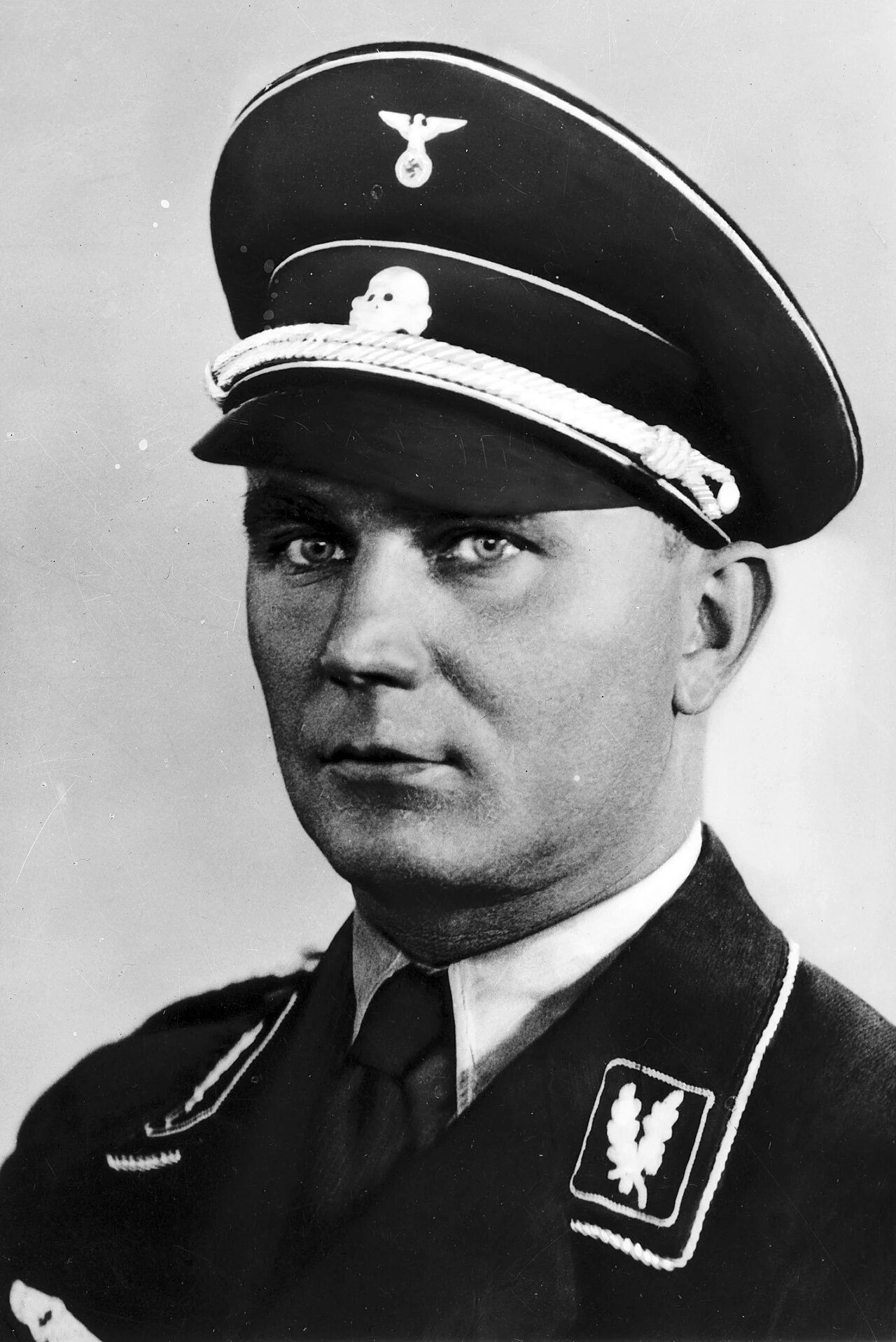
Greiser — the Priority of the Wartheland
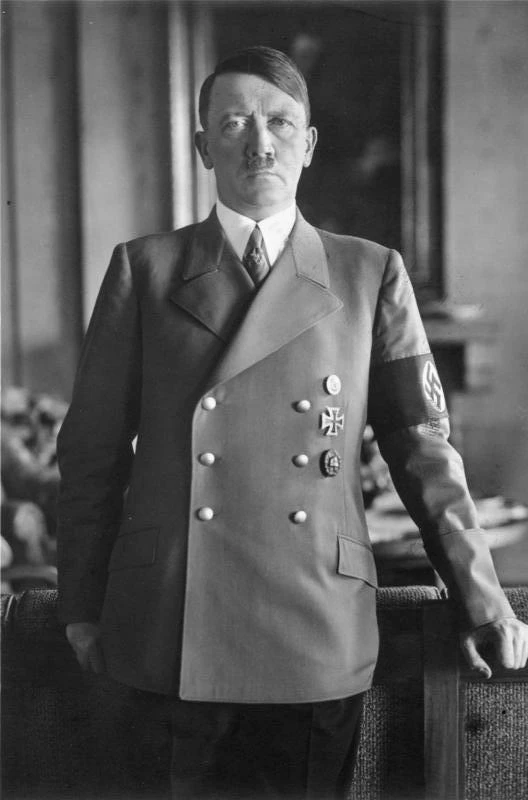
Hitler at Compiègne — 22 June 4:30 p.m.
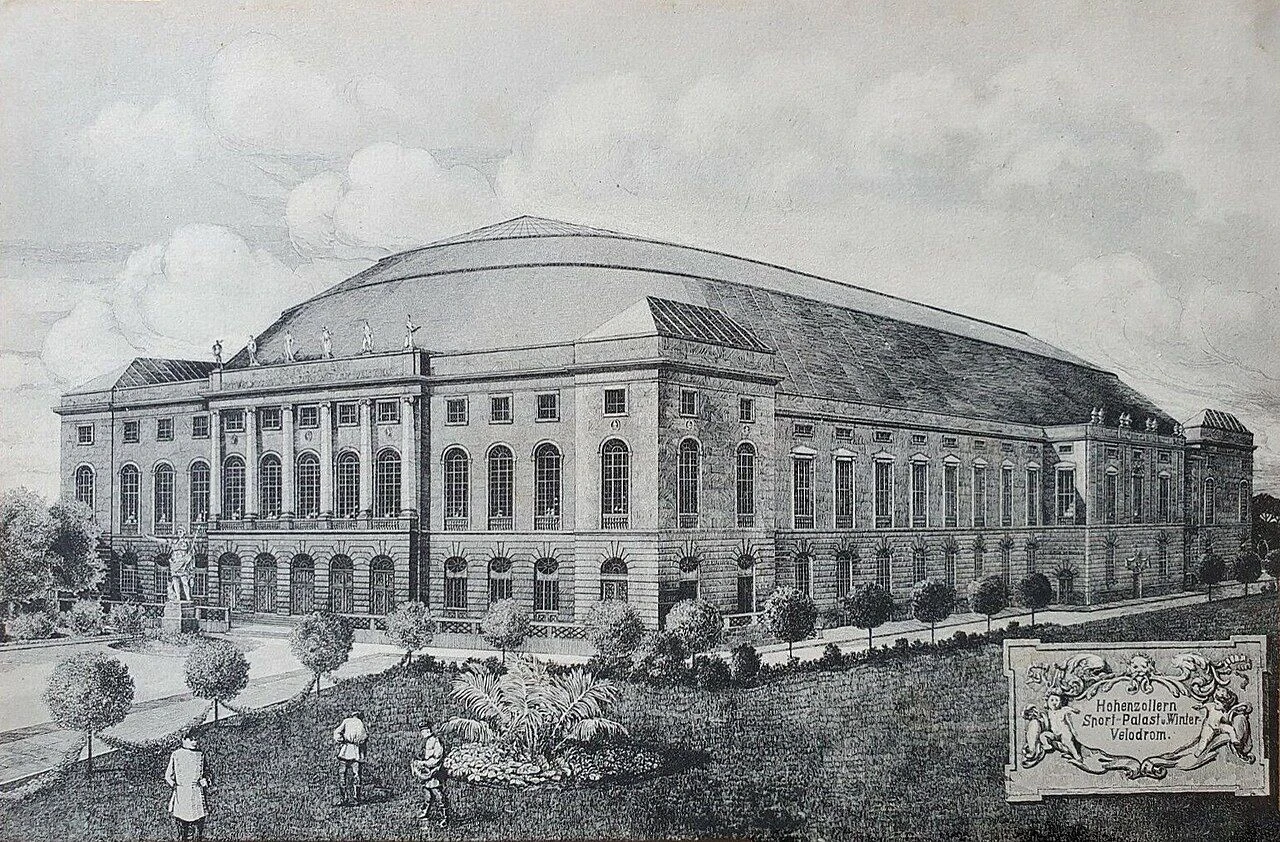
Hitler at the Sportpalast — 30 January, 8 pm
Brauchitsch — Reich Chancellery, 5 November
Hitler — the Reichstag Speech
The Karten: Rationing Germany at War
Speer and the Germania trade-off
Borakowski and the merchant fleet
Forster — Kashubians and Kociewiacy
Goering at Carinhall — the promise to Hitler
Greiser — the Priority of the Wartheland
Hitler at Compiègne — 22 June 4:30 p.m.