
Langeron — Prefecture of Police, 14 June
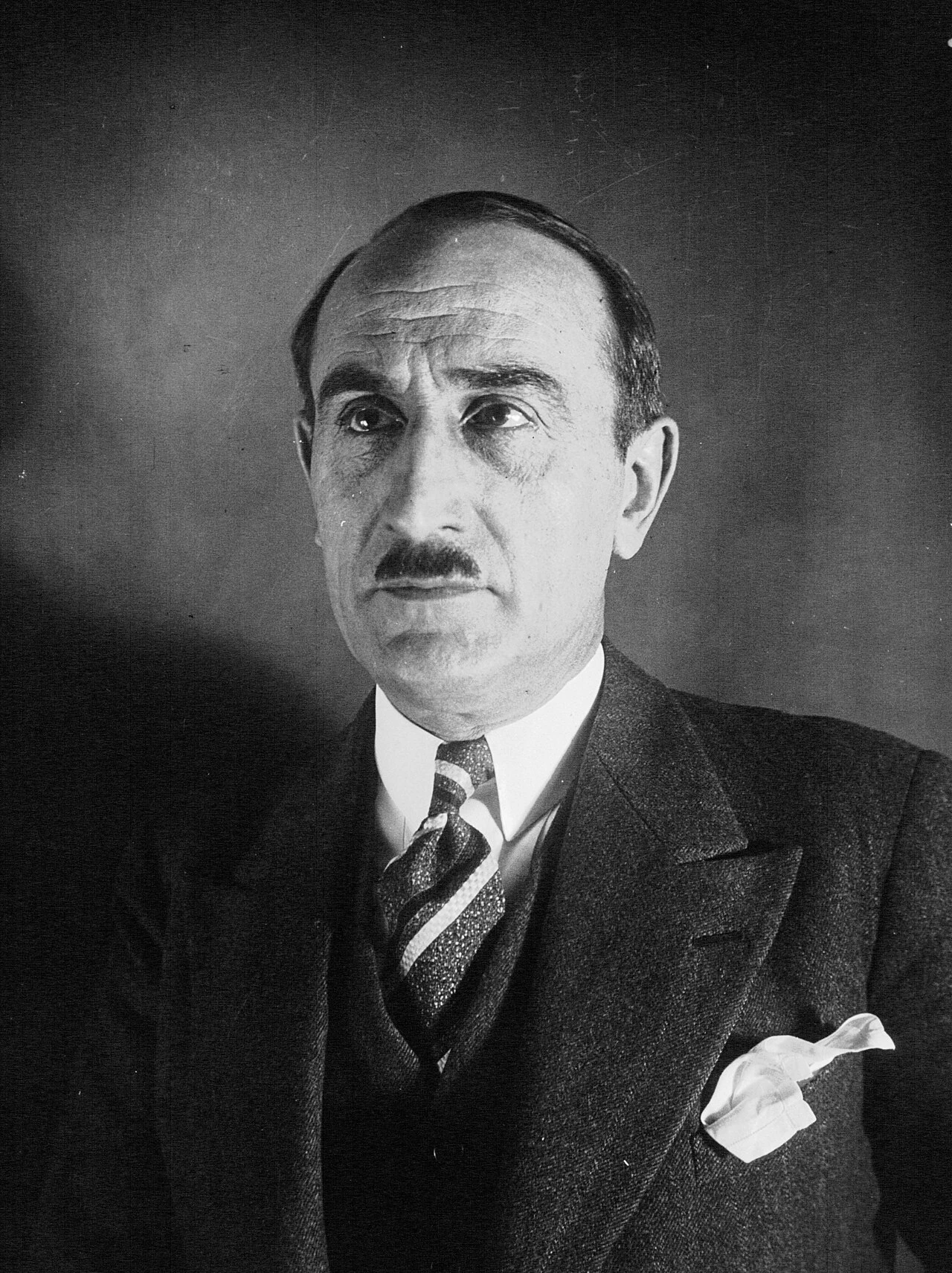
, Prefect of Police of Paris since 1934, is on the morning of 14 June the highest French civil authority still in the capital. The president of the Municipal Council has left the city, the government has fallen back to Bordeaux. Langeron has stayed, with some 28,000 policemen under his orders, the vast majority of whom have remained at their posts.
At 08:00 he receives General von Studnitz, commanding the occupying troops. The German asks him to maintain public order, organize supplies, enforce a curfew, post German notices at the district town halls, and not obstruct German services. In return, his police keep their weapons, the municipal administration goes on functioning, and the population is not in direct contact with the Wehrmacht.
Langeron's dilemma is that of every French civil servant in the summer of 1940: how far to cooperate with the occupier to prevent chaos, without becoming the instrument of his orders? He must answer von Studnitz on the spot.
How should Langeron answer the occupier's demand for cooperation?
Langeron chooses B. He agrees to maintain public order but refuses to put his seal on German notices, which he has posted "at the request of the occupying authority." This posture — administrative cooperation without allegiance — prefigures all the ambiguity of the Paris police under the Occupation. Langeron remains in office until his arrest by the Germans in June 1941. His diary, Paris, juin 1940, published in 1946, is a first-hand source on the opening hours of the capital's occupation. The maintenance of the French police within its existing framework will have heavy consequences later, notably during the round-ups of 1942.
Learn more about this event
Related polls
10
Hannah Arendt, Stateless and Interned, Facing Exile
Marquet — Bordeaux overwhelmed, 12 June
The Massilia — Bordeaux 21 June

Pierre Caron facing the exodus — the archivist and his post
When the Louvre Must Vanish
Reynaud faces the Council — Bordeaux, 16 June, 22:00
Czerniaków — the offer of the Judenrat
Daladier asked to leave the War Ministry
De Gaulle joins the government — 5 June
Héring — Paris open city, 13 June
Hannah Arendt, Stateless and Interned, Facing Exile
Marquet — Bordeaux overwhelmed, 12 June
The Massilia — Bordeaux 21 June
Pierre Caron facing the exodus — the archivist and his post
When the Louvre Must Vanish
Reynaud faces the Council — Bordeaux, 16 June, 22:00
Czerniaków — the offer of the Judenrat
Daladier asked to leave the War Ministry
De Gaulle joins the government — 5 June