
Danzig, September 1939 — the policeman of the Free City
The Free City of Danzig, overwhelmingly German-speaking, had been placed under the protection of the League of Nations since 1920, but was coveted by the Reich. Since 1933, its police force had been brought into line by the local Nazi party: an officer who did not embrace National Socialism no longer had any future in the service. Throughout August 1939, its officials secretly prepared to seize the Polish installations in the city.
On 1 September 1939, the battleship Schleswig-Holstein opens fire on the Polish garrison at the Westerplatte: the German annexation begins in the city. Everywhere, the Polish installations — including the Post Office, whose employees barricade themselves in — become targets, and the Reich's forces expect the cooperation of the local services.
An inspector of this police force must choose his stance on this first day: take an active part in the operations alongside the German forces, simply hold his post by carrying out the "law-and-order" orders, or refuse and resign in protest.
On 1 September 1939, what does a policeman of the Free City of Danzig do when the German annexation begins?
Overwhelmingly composed of ethnic Germans and led by Nazis, the police of the Free City of Danzig sided with the annexation and took an active part in it from 1 September 1939 onward, notably during the assault on the Polish Post Office, whose defenders were besieged and then executed. As early as 2 September, the Stutthof camp was opened near Danzig under the authority of the local police chief, initially as an internment camp for the Polish intelligentsia and opponents of the regime; it would become a concentration camp where more than 60,000 people would perish. The Danzig police was subsequently absorbed into the German police apparatus (Gestapo and Ordnungspolizei). , the city's Nazi leader, would be appointed Gauleiter and Reichsstatthalter of the new Reichsgau Danzig-West Prussia on 26 October 1939.
Learn more about this event
Related polls
10
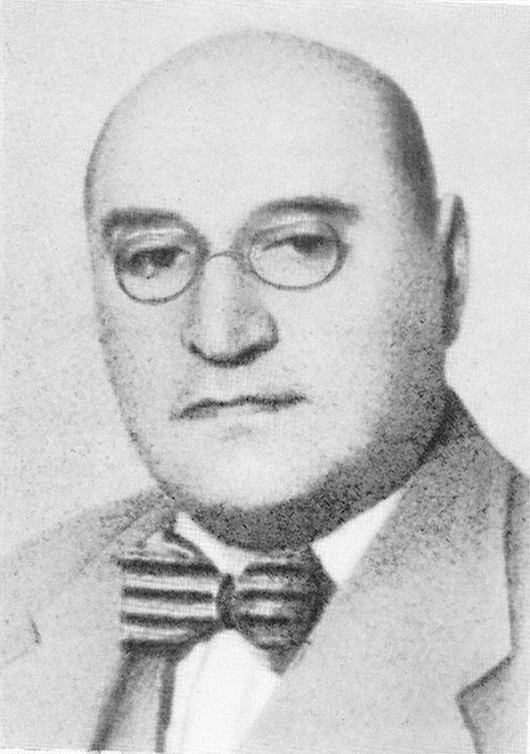
Czerniaków — the offer of the Judenrat
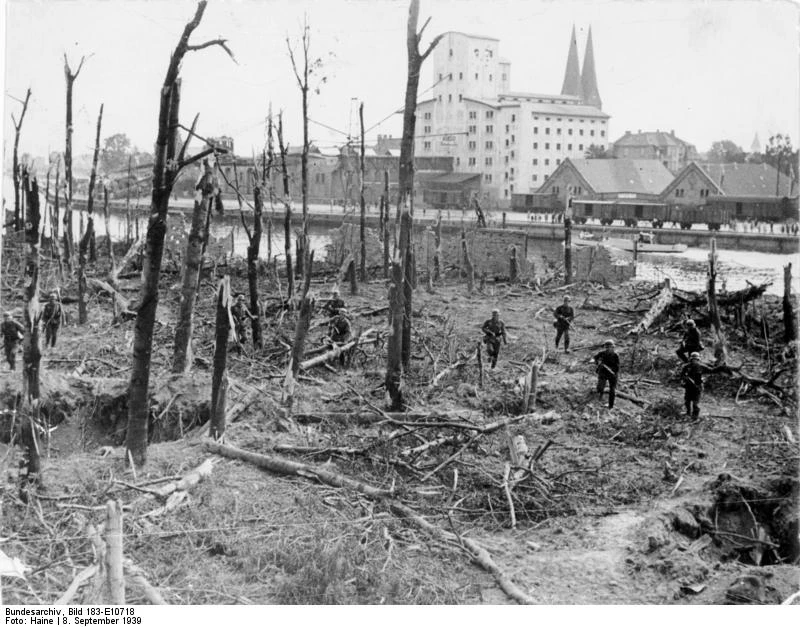
A Danzig Customs Officer on the Day of Annexation
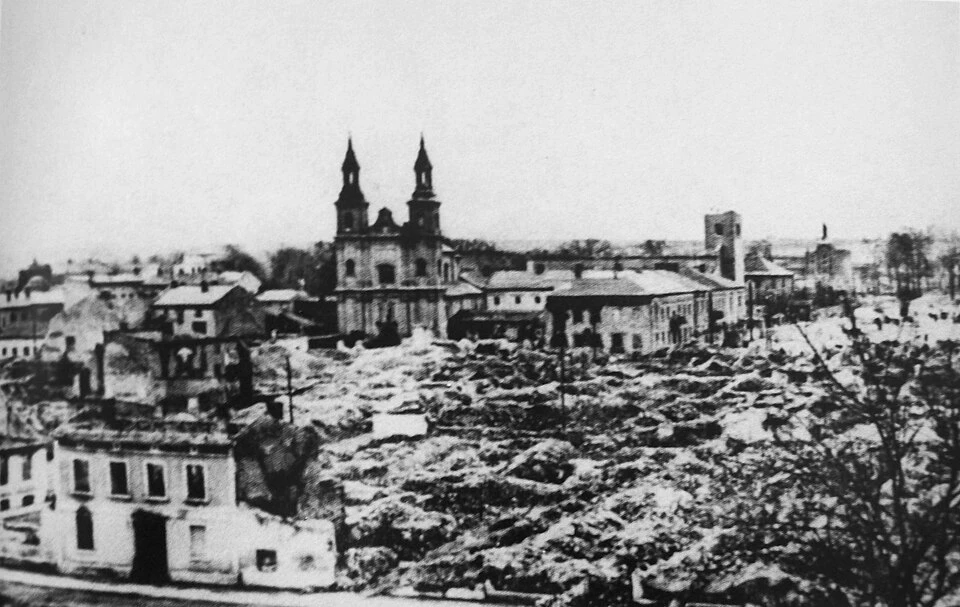
Wieluń at 04:40 — the first air strike
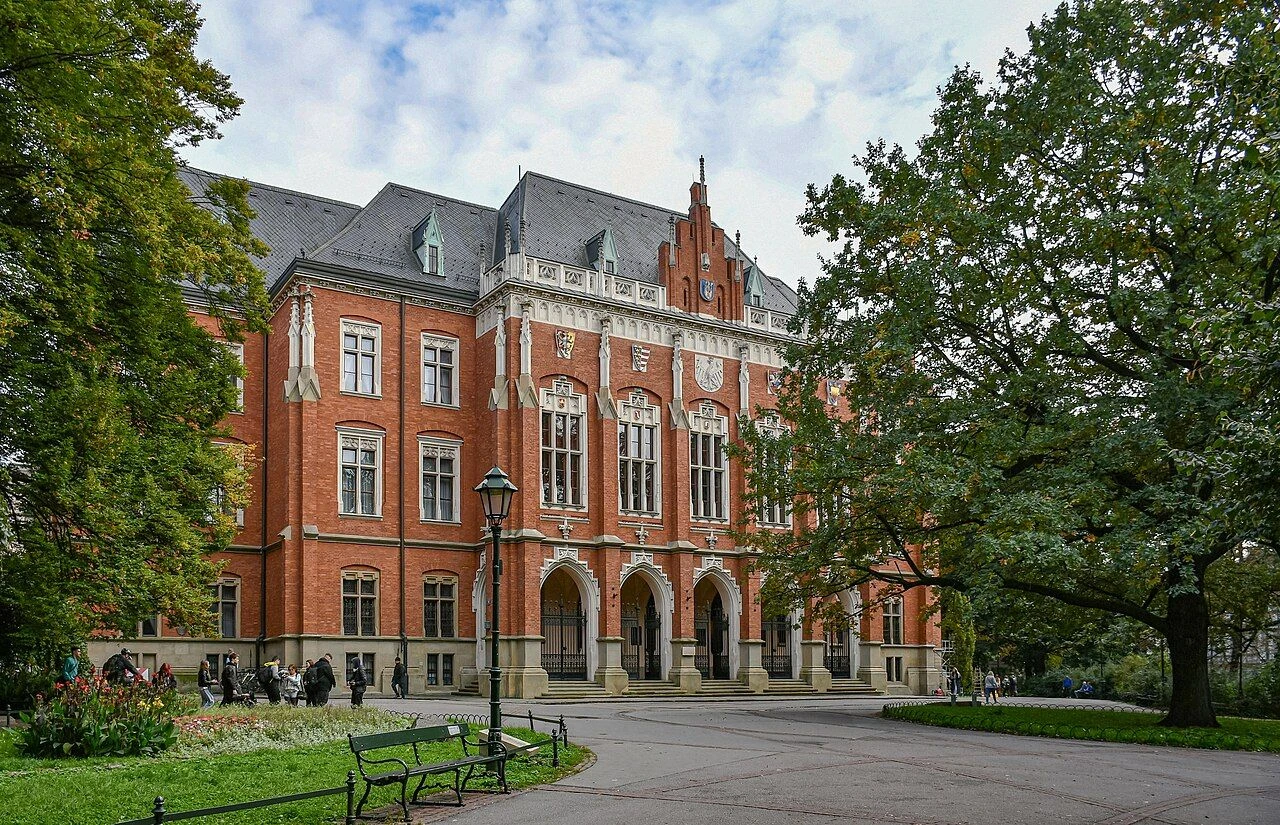
Hans Frank — the taking of the Wawel
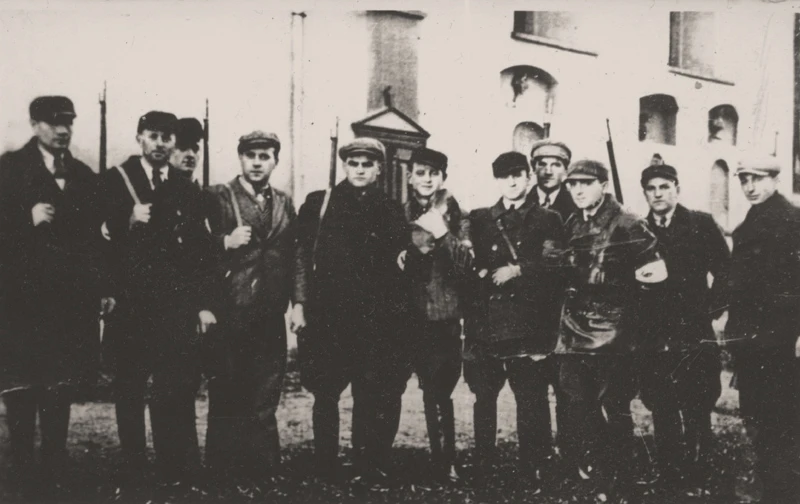
The Volksdeutsche Conscripted into the Selbstschutz
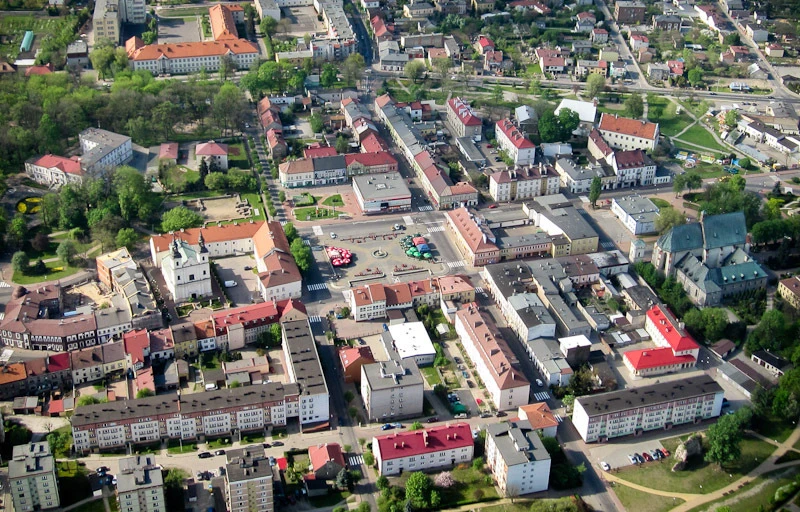
Wieluń, 4:40 a.m. — the first bomb of the war
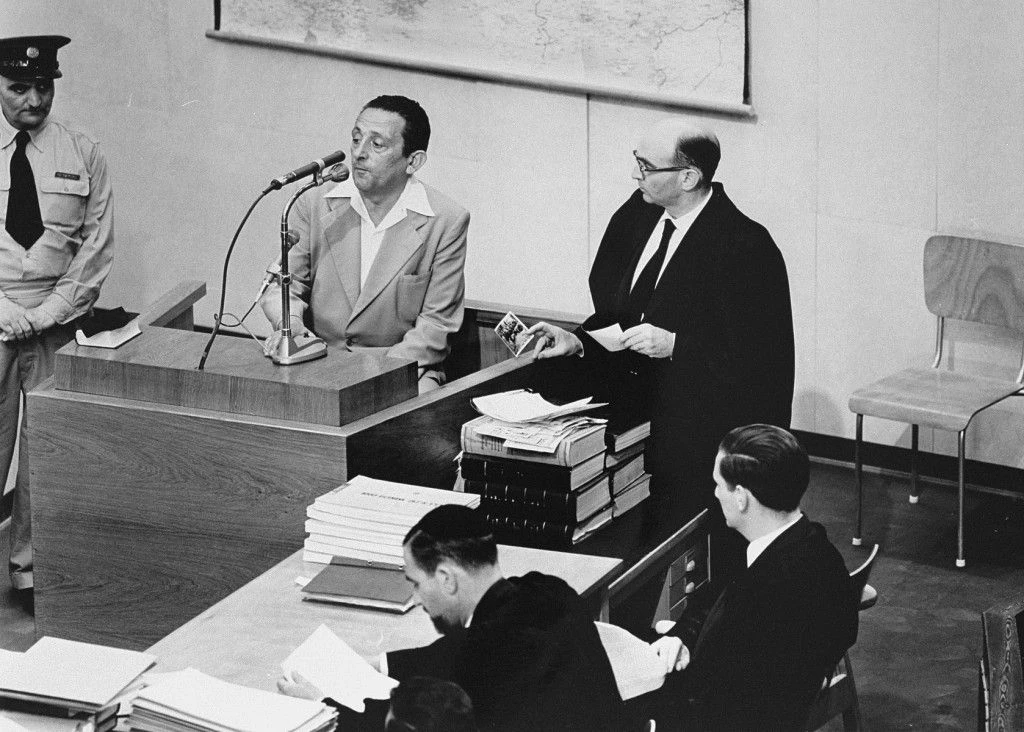
Biebow at Litzmannstadt — 8 February
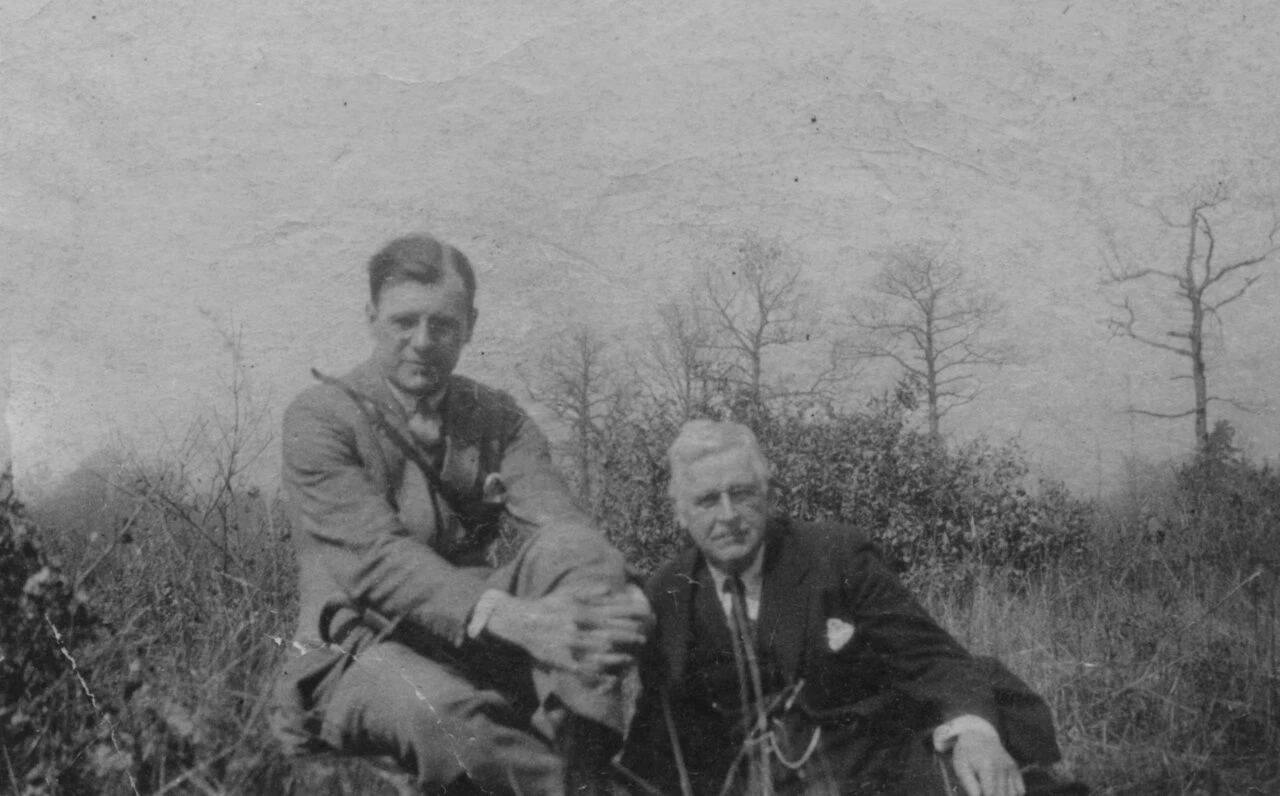
Cambridge, 1939: The Evacuated LSE Student and Conscription
The Jewish Schoolteacher of Kazimierz
A Schoolteacher of Poznań under the Wartheland
Czerniaków — the offer of the Judenrat
A Danzig Customs Officer on the Day of Annexation
Wieluń at 04:40 — the first air strike
Hans Frank — the taking of the Wawel
The Volksdeutsche Conscripted into the Selbstschutz
Wieluń, 4:40 a.m. — the first bomb of the war
Biebow at Litzmannstadt — 8 February
Cambridge, 1939: The Evacuated LSE Student and Conscription
The Jewish Schoolteacher of Kazimierz