
The American neutrality laws, passed in the 1930s, prohibit the sale of arms to any belligerent. For President Roosevelt, this is an obstacle: in the event of a European war, this embargo would strike above all the democracies — France and the United Kingdom — which, masters of the seas, could otherwise buy American matériel and transport it themselves.
Roosevelt therefore wants the law revised to authorise the sale of arms under the 'cash and carry' formula: pay in cash and carry it away yourself. But Congress is dominated by a powerful isolationist current, determined to keep America clear of European quarrels.
In the summer of 1939, the President must choose his tactics. To push with all his might to obtain the revision before the parliamentary recess, at the risk of a public and humiliating failure? To temporise and wait for a later, more favourable session? Or to give up so as to spare isolationist opinion and his own political capital? The stake goes beyond procedure: it is a question of whether the democracies will be able to count on the American arsenal.
Should Roosevelt force the revision of the arms embargo now, at the risk of a public setback?
Roosevelt attempts A but fails: in July 1939, he gathers senators at the White House to convince them, in vain. The isolationist senator Borah asserts that there will be no war, and the Senate Foreign Relations Committee refuses to lift the embargo before adjournment. The President must yield. It is only after the invasion of Poland, during an extraordinary session in November 1939, that Congress will finally accept 'cash and carry', opening the Allies' access to American arms. The July setback illustrates the strength of isolationism on the eve of the war. Roosevelt will retain the lesson and will more methodically prepare opinion for increased support to the democracies.
Learn more about this event
Related polls
10
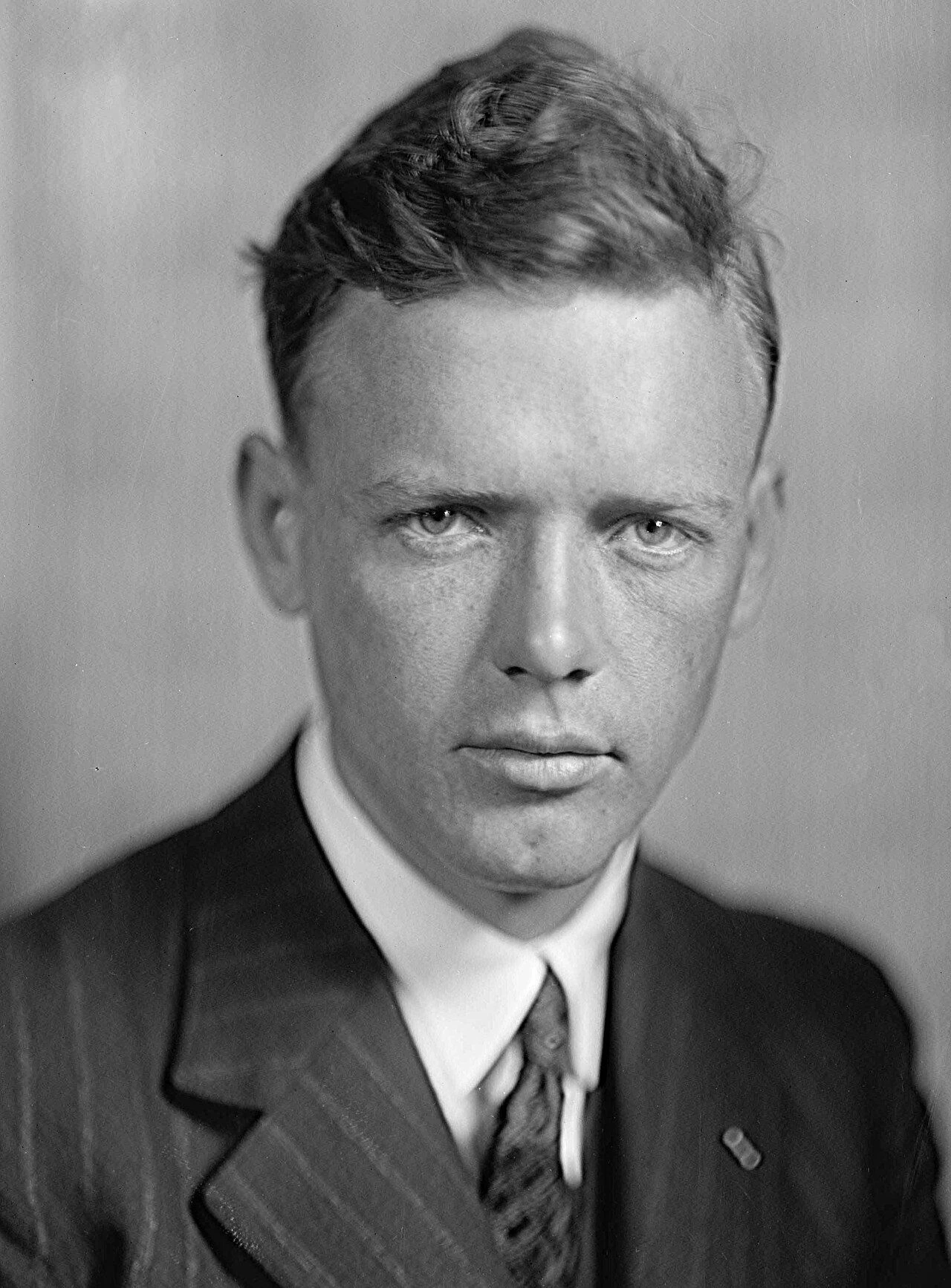
Charles Lindbergh — at the NBC Microphone
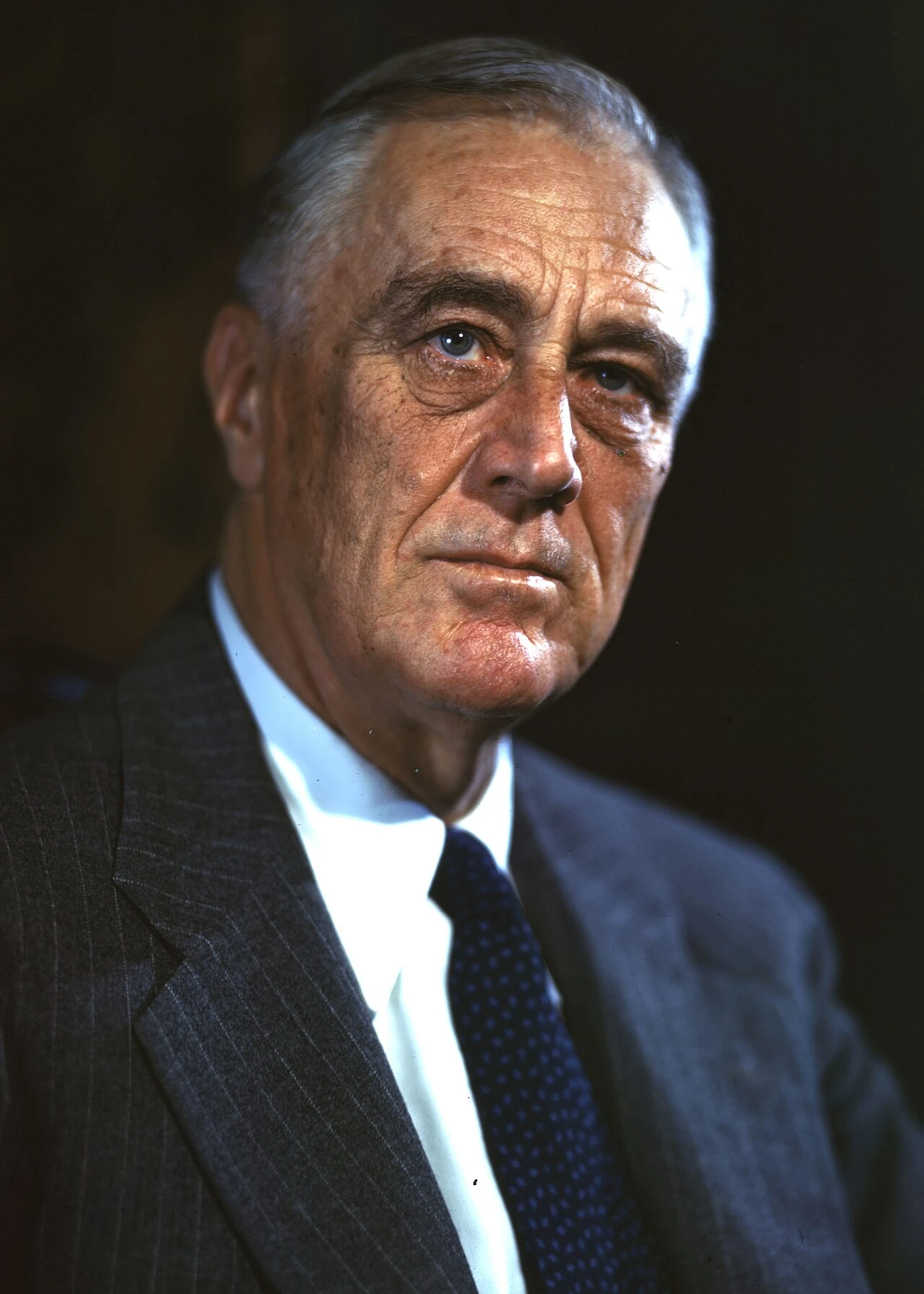
Roosevelt's Appeal
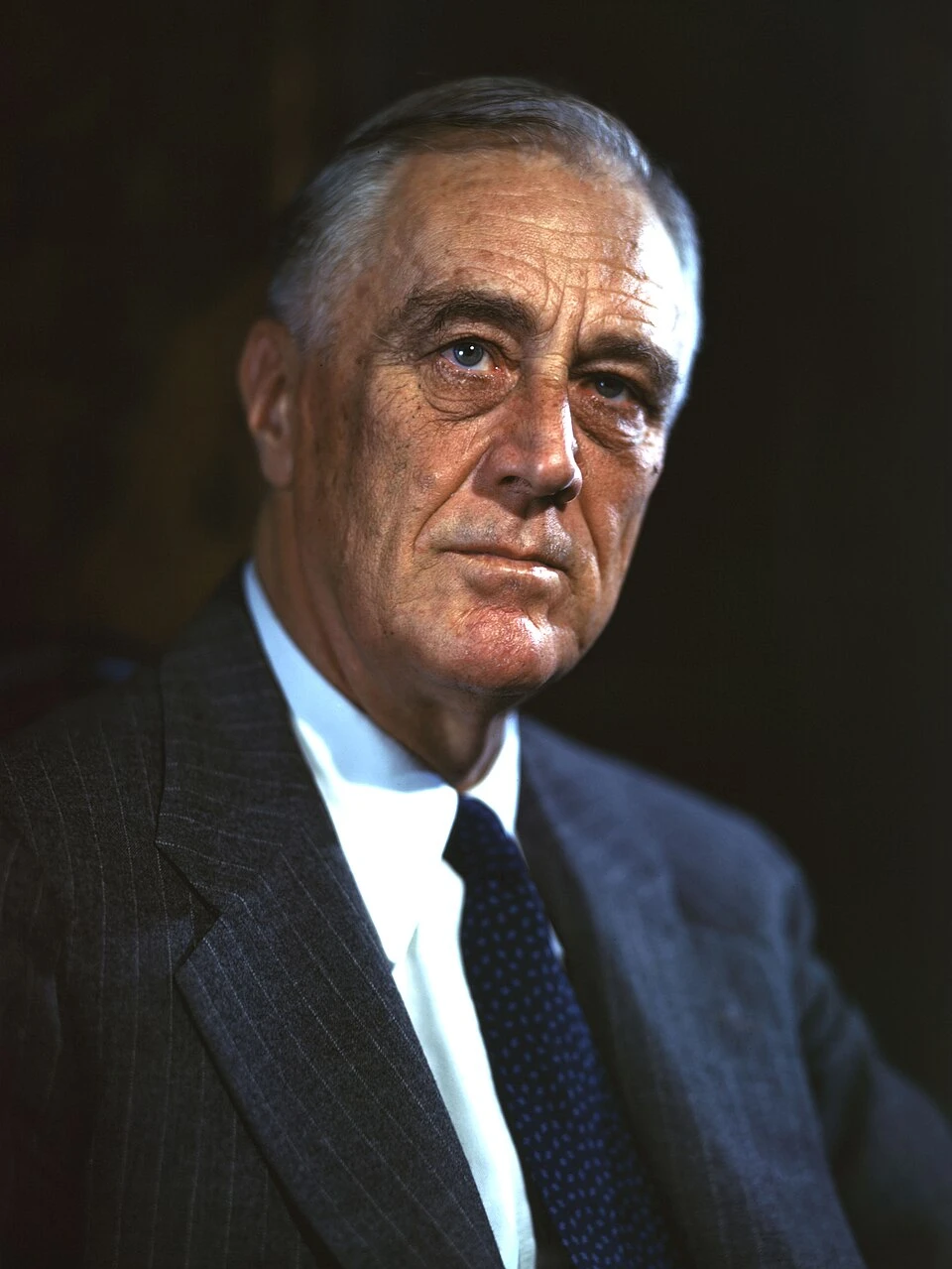
Roosevelt — revising the Neutrality Act
Sumner Welles — Preparing the European Mission

Selling Arms Without Going to War
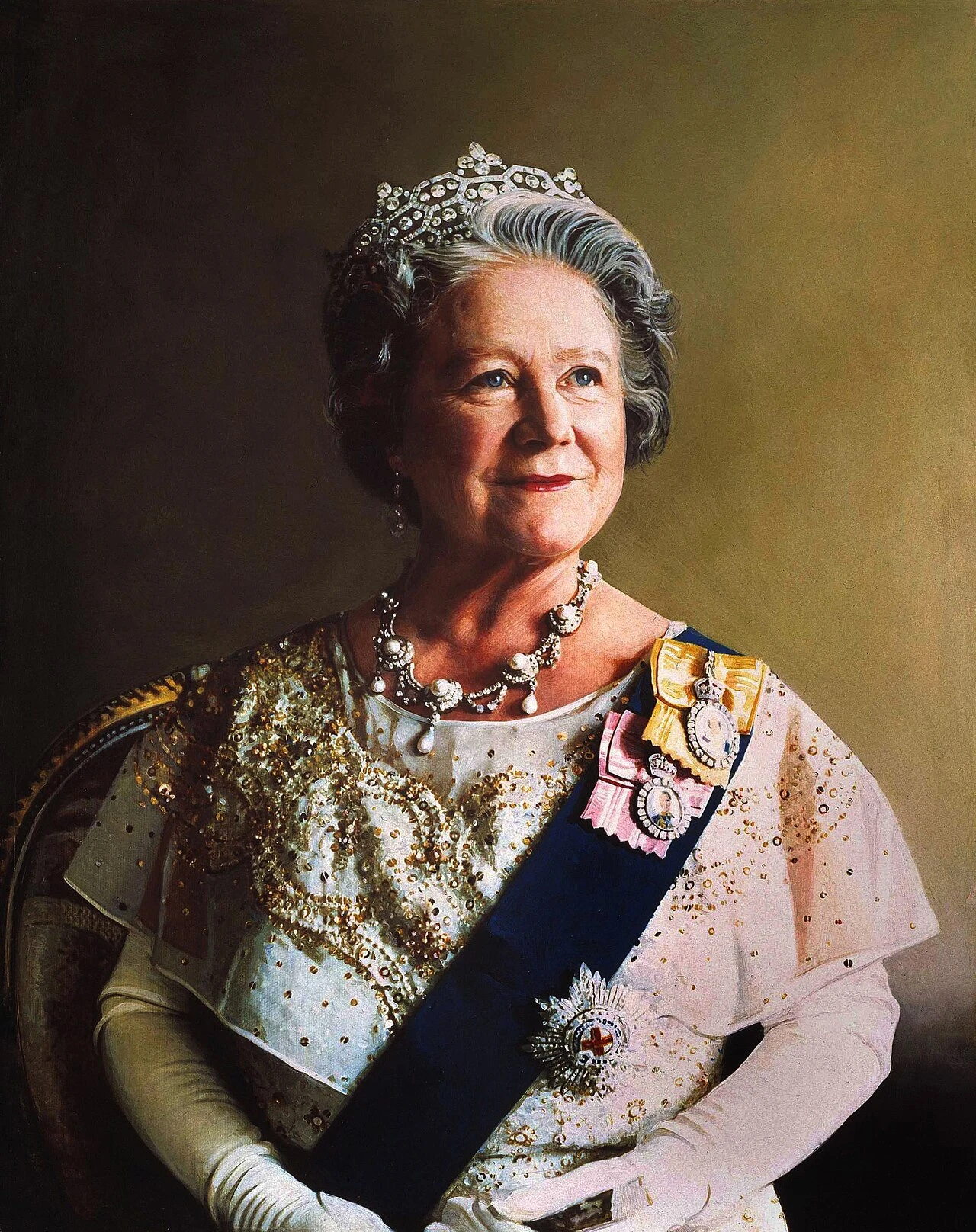
The Royal Visit of George VI
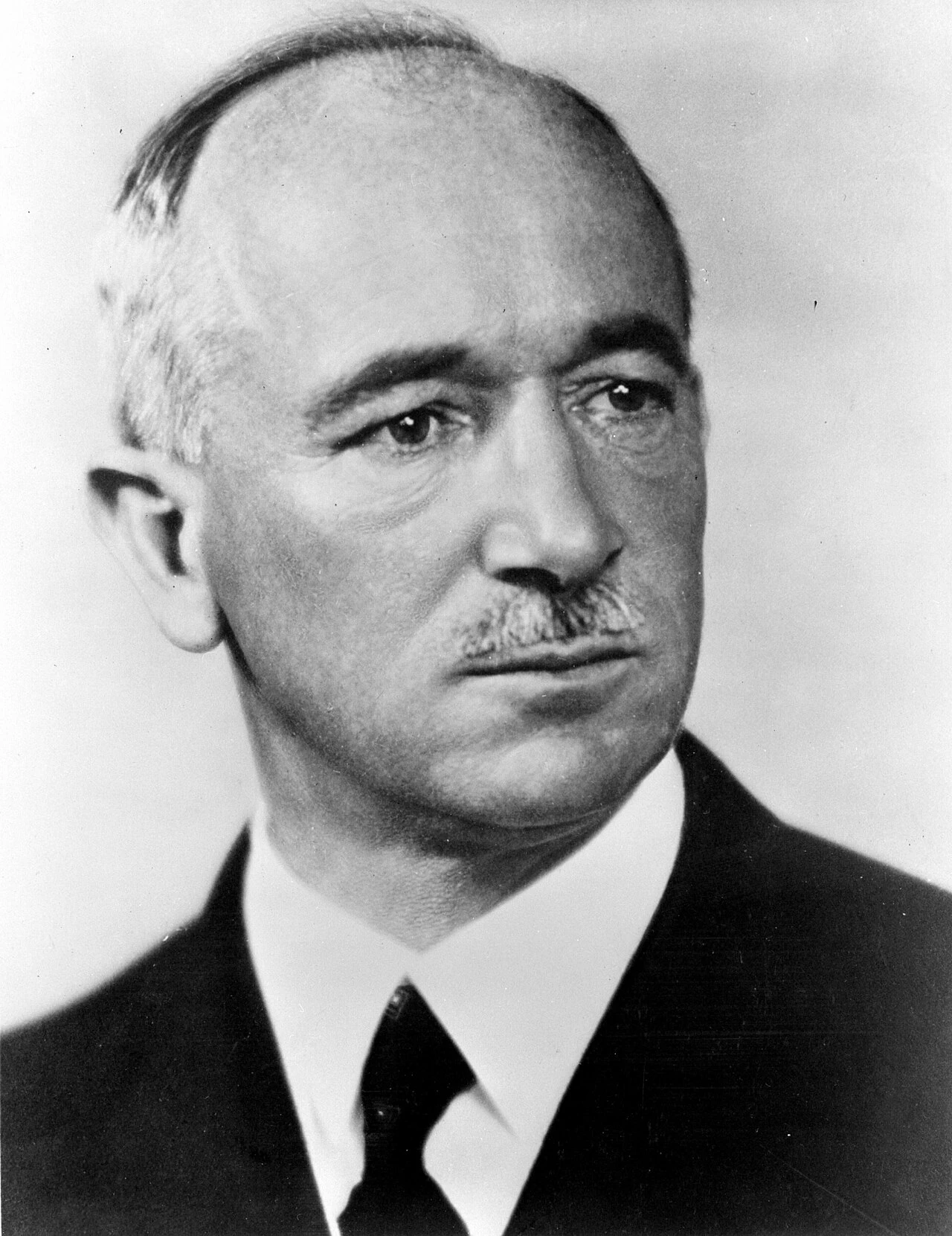
Beneš in London — autumn 1939
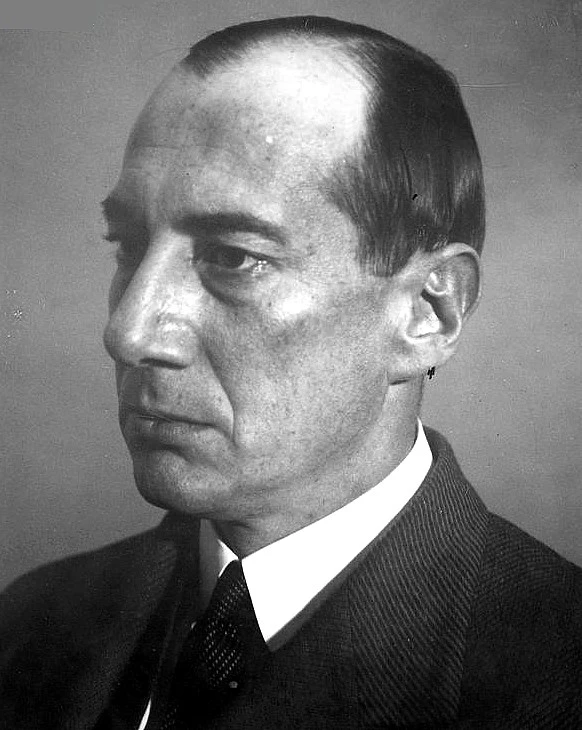
Danzig — the Escalation
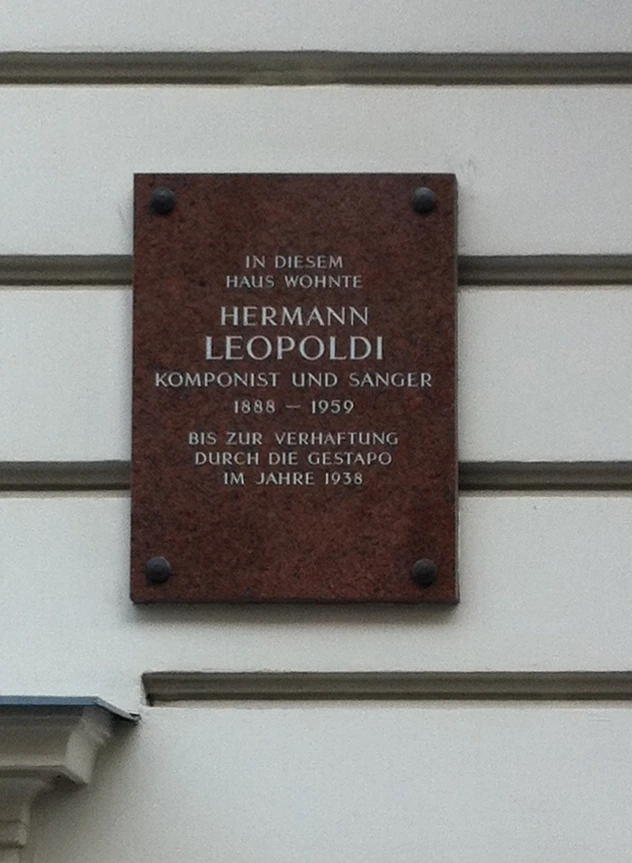
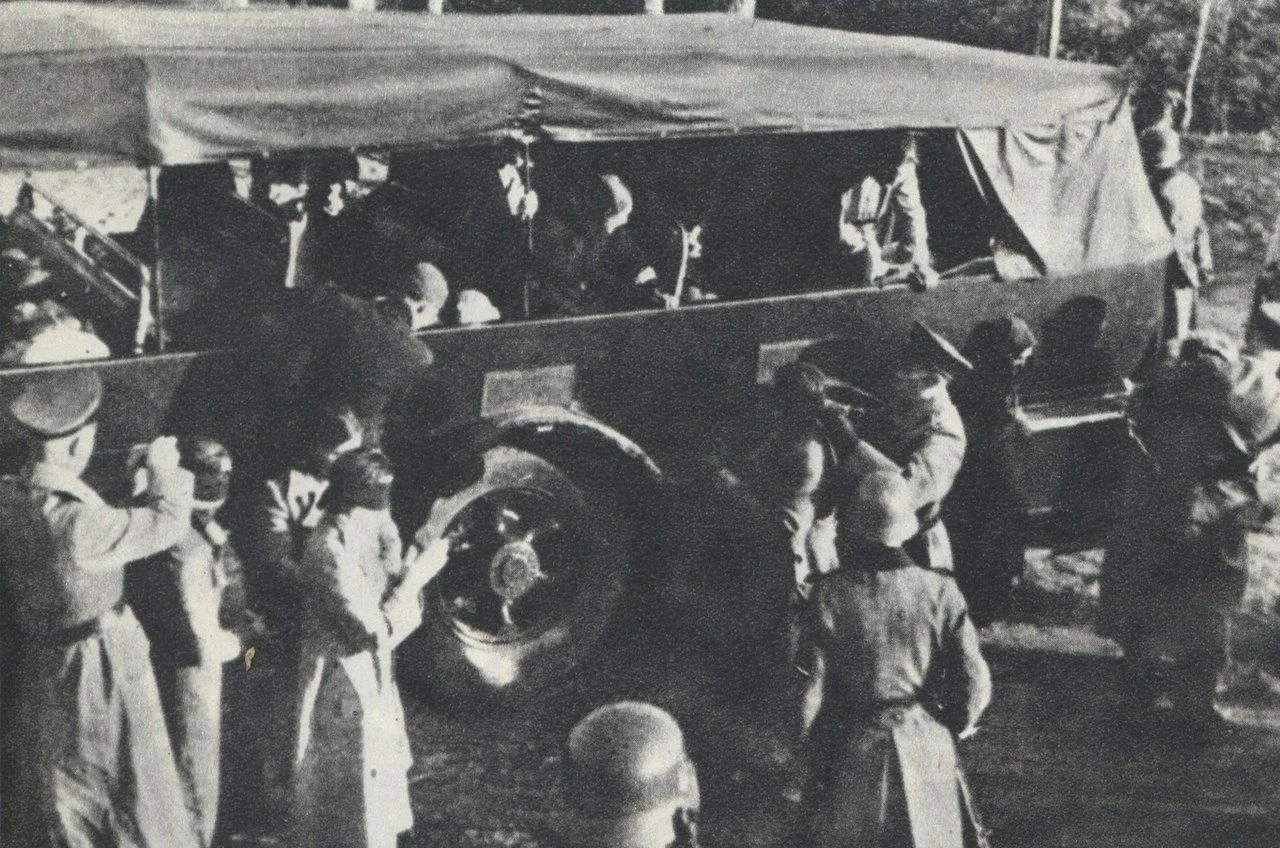
Informing on a Jewish Neighbor in Vienna
The Dominions Facing War
Charles Lindbergh — at the NBC Microphone
Roosevelt's Appeal
Roosevelt — revising the Neutrality Act
Sumner Welles — Preparing the European Mission
Selling Arms Without Going to War
The Royal Visit of George VI
Beneš in London — autumn 1939
Danzig — the Escalation
Informing on a Jewish Neighbor in Vienna