
The Ustasha state and the fate of the Serbs
The crushing of Yugoslavia opened the way, on 10 April 1941, to the proclamation of the Independent State of Croatia (NDH), an Axis satellite state entrusted to and the Ustasha fascist movement. The territory, vast, encompassed Croatia, Bosnia-Herzegovina and parts of Serbia and Slovenia — a mosaic in which Croats made up barely more than half the population.
The Ustashas, ultranationalists, dreamed of an 'ethnically pure Greater Croatia.' Yet nearly two million inhabitants of the NDH — about a third — were Orthodox Serbs; to these were added the Jewish and Roma communities. From April, the regime promulgated racial decrees modelled on those of the Reich.
Pavelić and his ministers had to set the new state's policy toward these populations they deemed foreign to their project. Three paths were discussed in the circles of power: integrate and tolerate these minorities within the Croatian state; subject them to legal persecution and expulsions; or aim at their elimination by mass violence. The choice engaged the fate of millions of people.
What policy did the Ustasha regime adopt toward the Serbs, Jews and Roma of the NDH?
The regime chose C, combined with B. The Ustasha programme toward the Serbs, summed up by a minister, aimed to kill a third, expel a third and forcibly convert a third. From April-May 1941, the massacres began — Bjelovar, Blagaj, Glina, Ljubinje — while Jews and Roma, required to wear the star from 14 May, were rounded up. A concentration camp system was set up (Jasenovac, Stara Gradiška), where killings, often with bladed weapons, would reach extreme savagery. During the summer of 1941, tens of thousands of Serbs were killed; in total, the Ustasha genocide would claim hundreds of thousands of Serbian, Jewish and Roma victims. The terror in turn nourished resistance — Serbian Chetniks and Tito's communist Partisans — opening in Yugoslavia a civil war within the war.
Learn more about this event
Related polls
10

The Barbarossa decree — the 'licence to kill'
The deportation of the Volga Germans
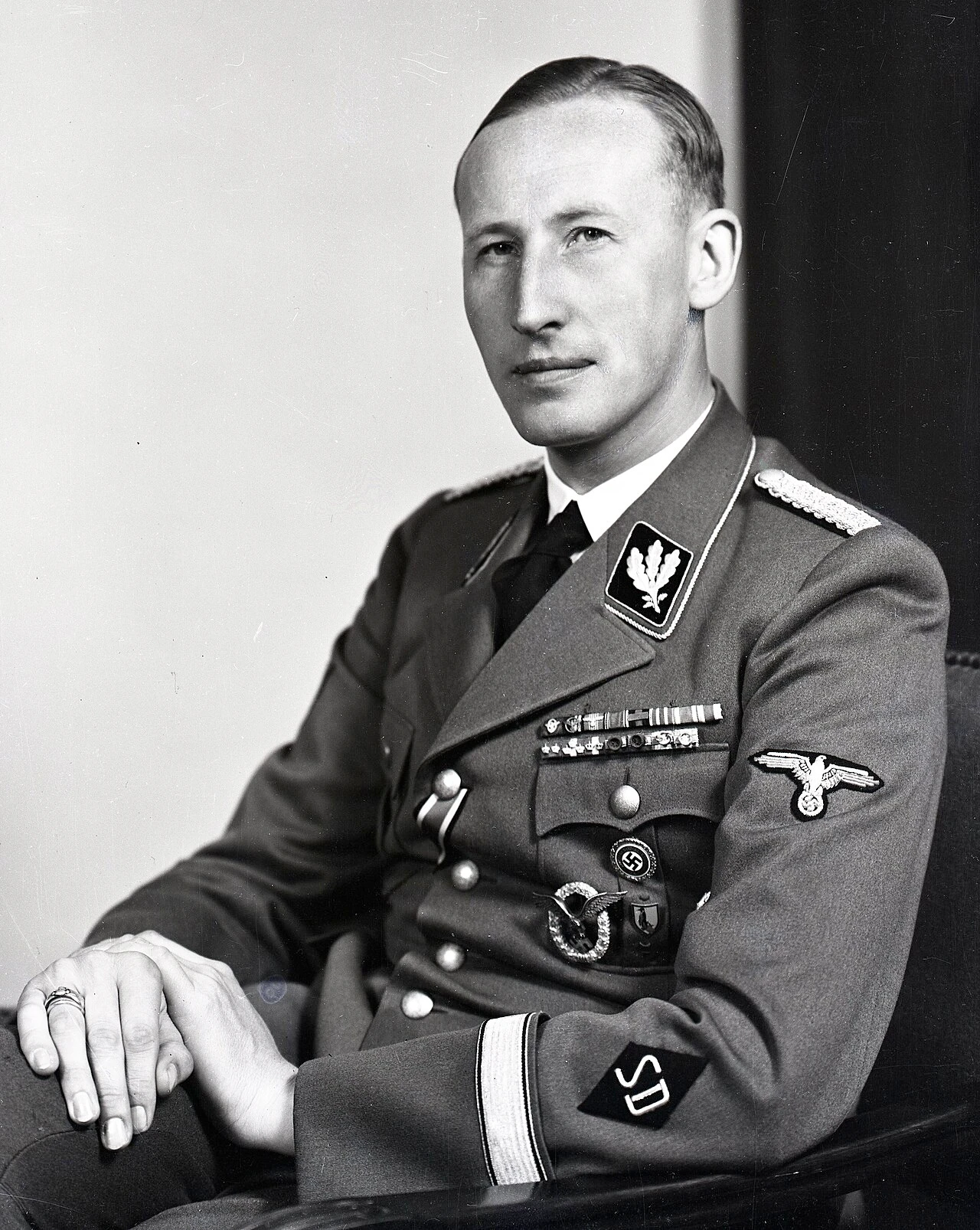
Heydrich Arrives in Prague

The Arajs Kommando — Latvian collaboration in the Holocaust
The Holy Office against the scalpel of the State
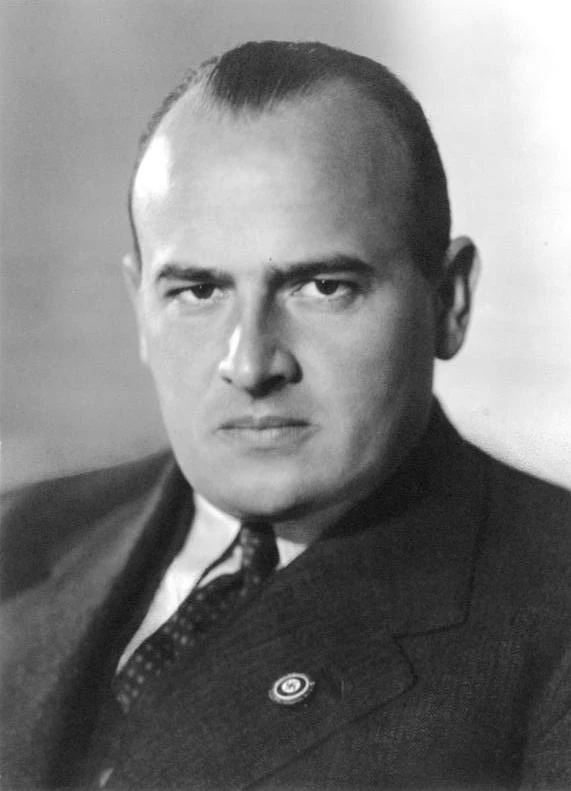
AB Aktion — planning at the Wawel
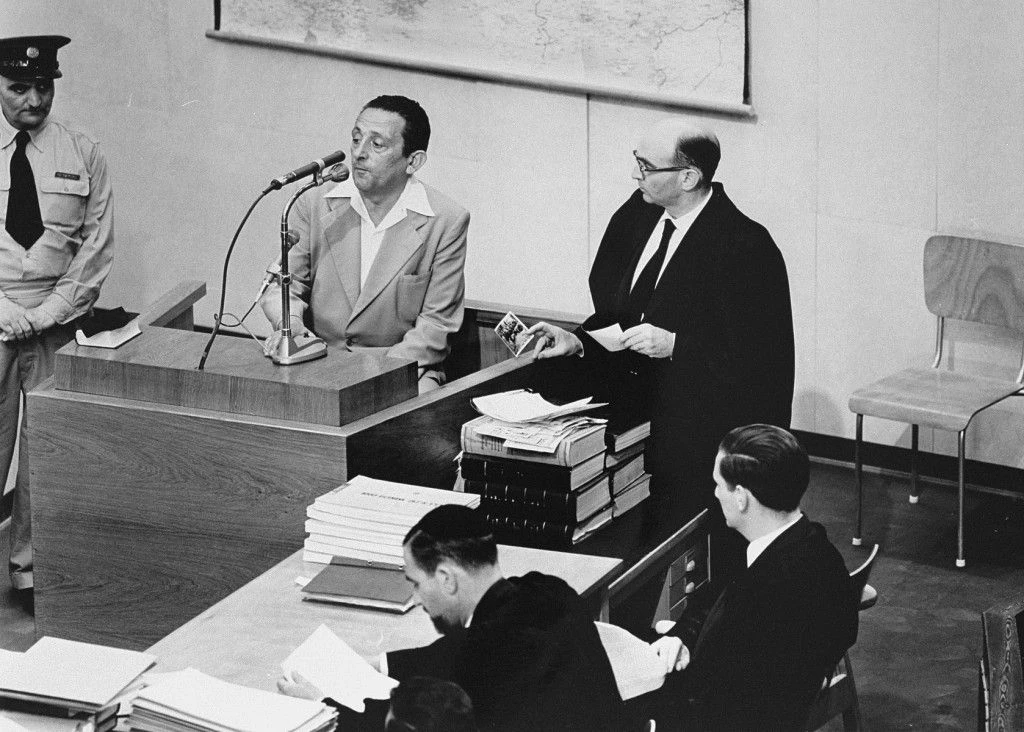
Biebow at Litzmannstadt — 8 February
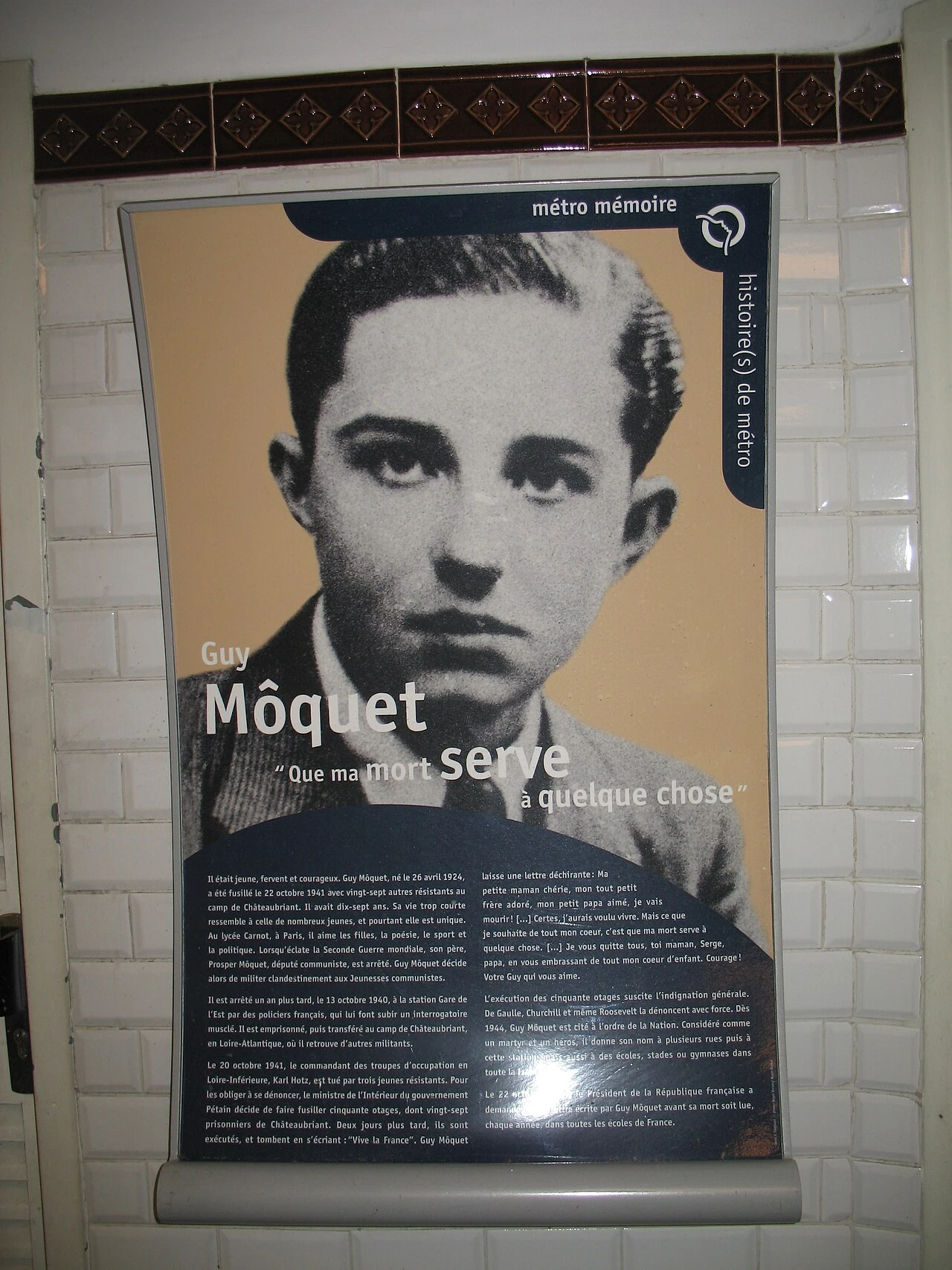
Châteaubriant: The List of Hostages
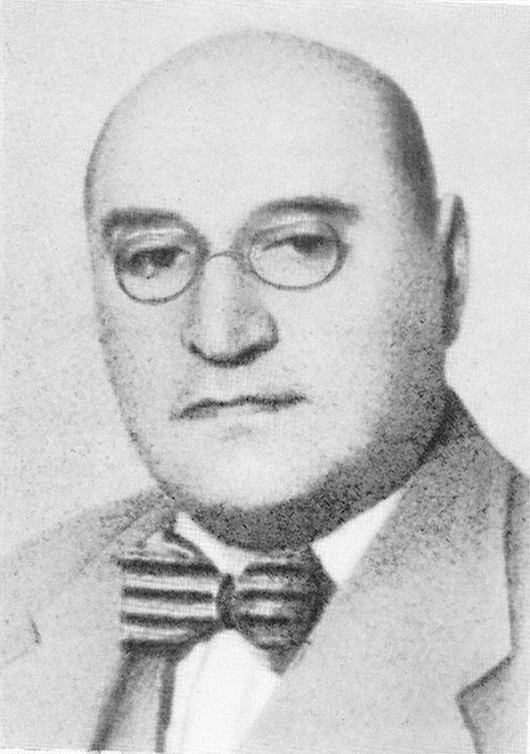
Czerniaków — the offer of the Judenrat
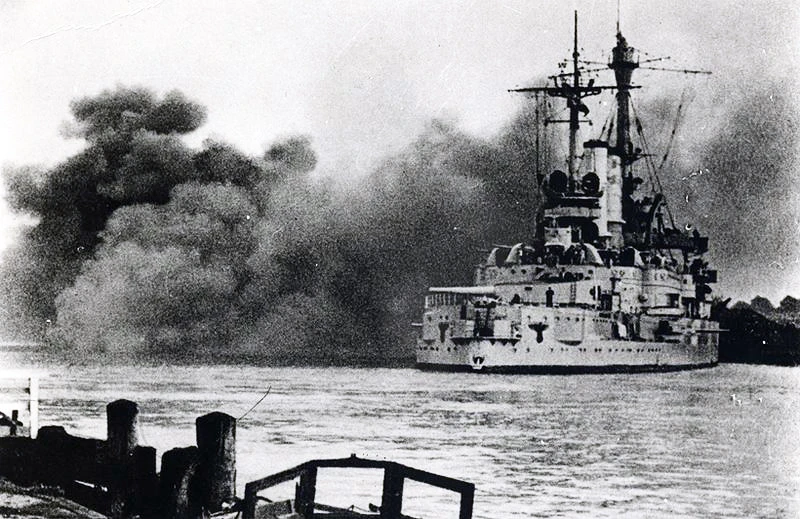
Danzig, September 1939 — the policeman of the Free City
The Barbarossa decree — the 'licence to kill'
The deportation of the Volga Germans
Heydrich Arrives in Prague
The Arajs Kommando — Latvian collaboration in the Holocaust
The Holy Office against the scalpel of the State
AB Aktion — planning at the Wawel
Biebow at Litzmannstadt — 8 February
Châteaubriant: The List of Hostages
Czerniaków — the offer of the Judenrat