
At the Dahomey pit, the morning of team-rate pay
Coalfield, spring 1941. Since the armistice, the Nord-Pas-de-Calais has been placed under the German command in Brussels, and the coal is shipped off to fuel the Reich's war effort. The working day has been lengthened by half an hour with no pay increase, rations are collapsing, and the companies now want to pay according to the output of the whole team rather than by individual extraction.
On 27 May, at pit no. 7 in Dourges — the Dahomey miners' housing estate — the deputies press the men to accept this new method of payment. Below ground, tension is rising. Outside, women begin to gather in front of the company offices.
Each worker must decide on the spot: submit to the pace and the team-rate pay to feed his family, negotiate shift by shift, or stop work and deprive the occupier of his coal.
That morning, below ground as on the surface, how do the miners respond to the new work organization imposed under the Occupation?
The men of the Dahomey stopped work on the morning of 27 May 1941, setting off the "patriotic strike of the hundred thousand miners." The movement spread across the entire coalfield: roughly 100,000 miners out of 143,000 (nearly 80%) downed tools until 10 June. The women, led notably by , blockaded the shafts and demonstrated in front of the companies. Regarded as one of the largest strikes in occupied Europe and one of the first acts of mass resistance, it deprived Germany of about 500,000 tonnes of coal. The repression was severe: hundreds of arrests and around 270 miners deported to Germany in July, of whom nearly 130 died there.
Learn more about this event
Related polls
10
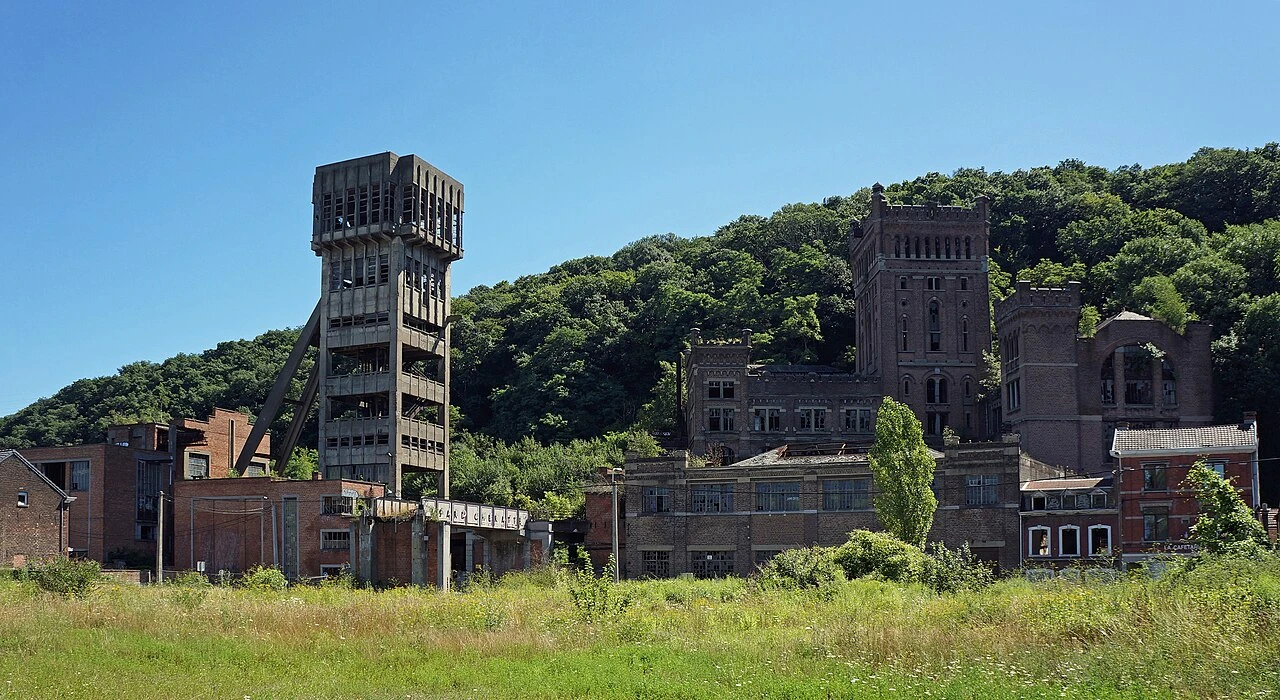
Campine Coal and the Hunger of Year One
Billancourt Under the Eye of the Occupier

The Parisian concierge facing informing under the Occupation
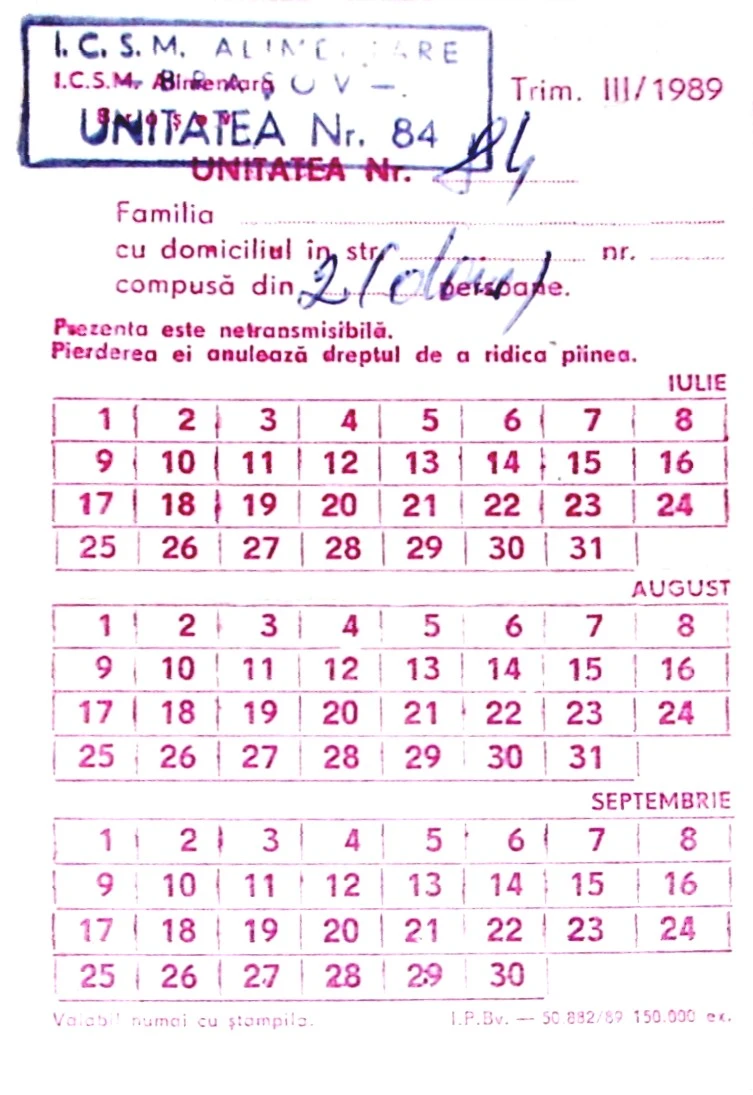
British Clothes Rationing
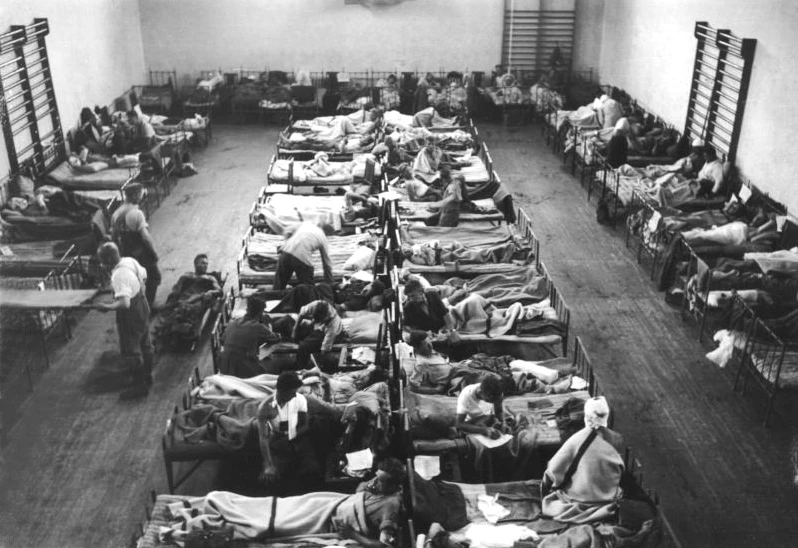
A French nurse facing a wounded enemy soldier
Boulanger and the Reich's trucks

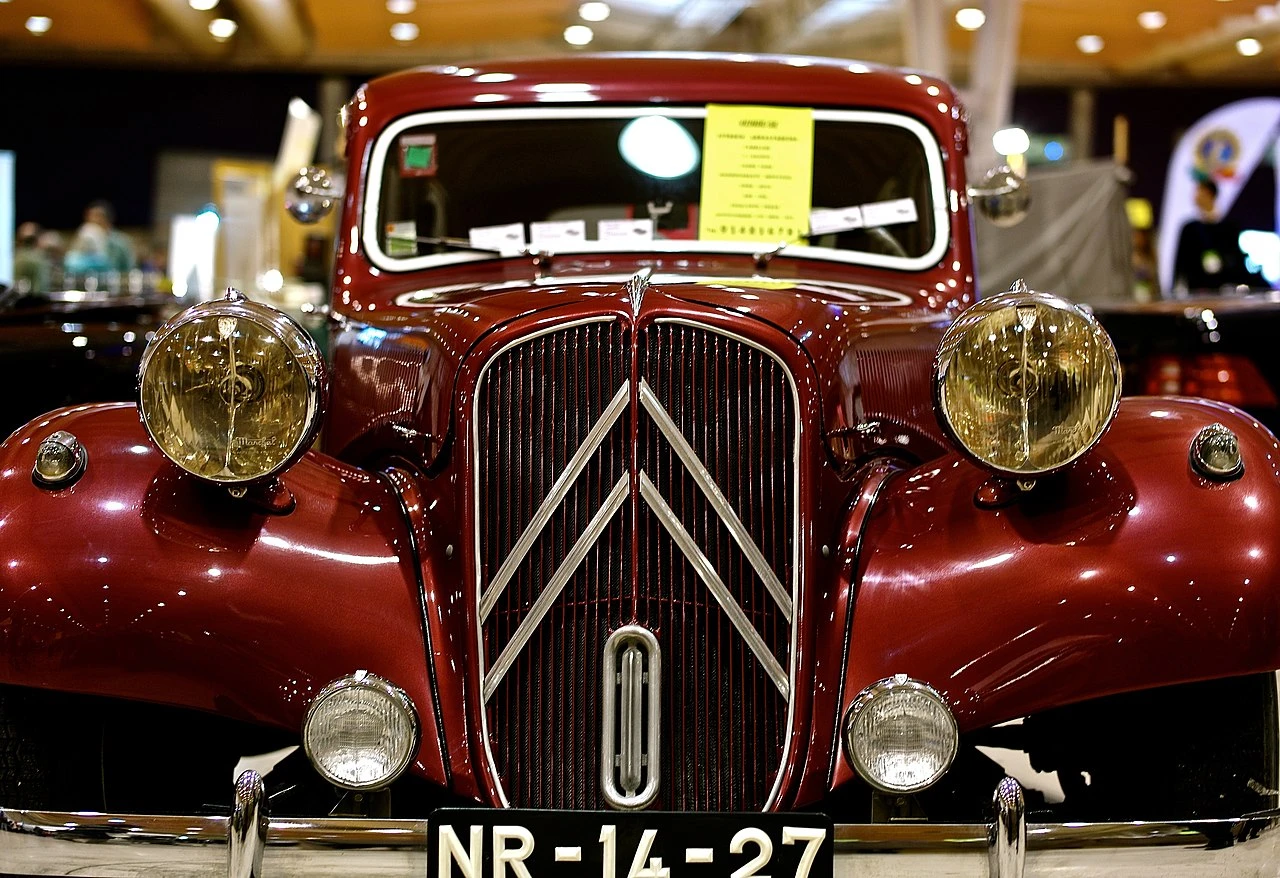
Citroën, the occupier and the secret little car

Citroën under the Occupation: the boss faces German orders
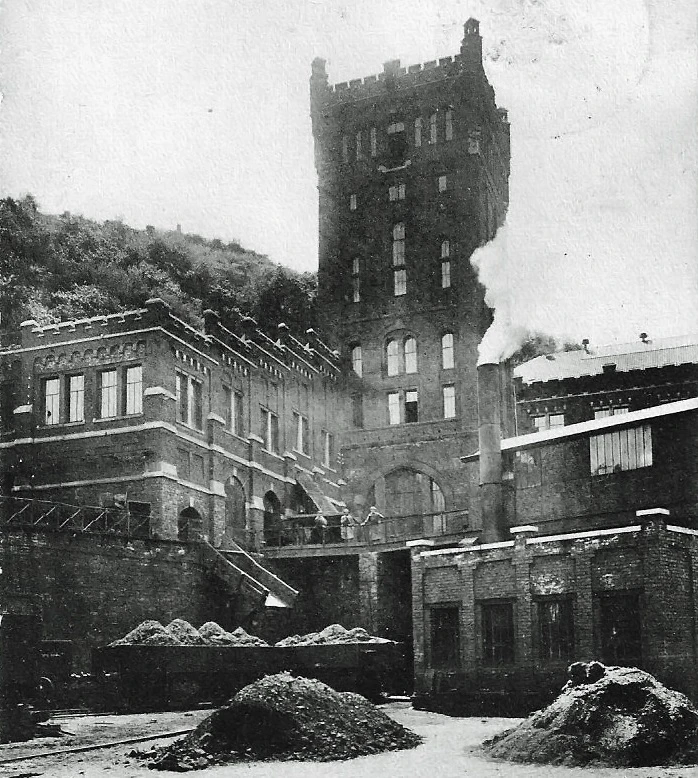
The strike of the '100,000' in Belgium
The Soviet schoolteacher facing the German advance
Campine Coal and the Hunger of Year One
Billancourt Under the Eye of the Occupier
The Parisian concierge facing informing under the Occupation
British Clothes Rationing
A French nurse facing a wounded enemy soldier
Boulanger and the Reich's trucks
Citroën, the occupier and the secret little car
Citroën under the Occupation: the boss faces German orders
The strike of the '100,000' in Belgium