
The Last Stand on the Lys
Driven back towards western Flanders, the Belgian army commits, in late May 1940, to a great defensive battle on the Lys, around Kortrijk. It is there that the holding of its front is decided, while the Allies evacuate at nearby Dunkirk and German pressure becomes overwhelming.
The Belgian command is caught in a vice. Holding the Lys protects the left flank of the Allied dispositions and covers the evacuation, but exhausts an army at the end of its strength, without reserves or depth. To give way is to open a breach towards the coast and hasten the collapse.
The command may hold the Lys at all costs to cover the Allied flank and the evacuation. It may conduct a fighting withdrawal to preserve the army. Or it may acknowledge that capitulation is approaching, being unable to hold a continuous line. This engagement looms as one of the great trials of the Eighteen Days' Campaign, and perhaps the last for the Belgian army.
Should the Belgian command hold the Lys at all costs, defend in a fighting withdrawal, or resign itself to capitulation?
The Belgian army fights according to A: from 24 to 27 May, it battles fiercely on the Lys, around Kortrijk, in one of the deadliest engagements of the Eighteen Days' Campaign, pinning down German forces and covering the left flank of the Dunkirk evacuation. But, exhausted, without reserves, pushed back into an ever-shrinking space, it cannot hold indefinitely. The attrition of the Battle of the Lys leads to the capitulation of 28 May. This final action, often overshadowed by the controversy over the surrender, bears witness to the genuine resistance of the Belgian army to the very end — and to the price paid to cover the Allied re-embarkation.
Learn more about this event
Related polls
10
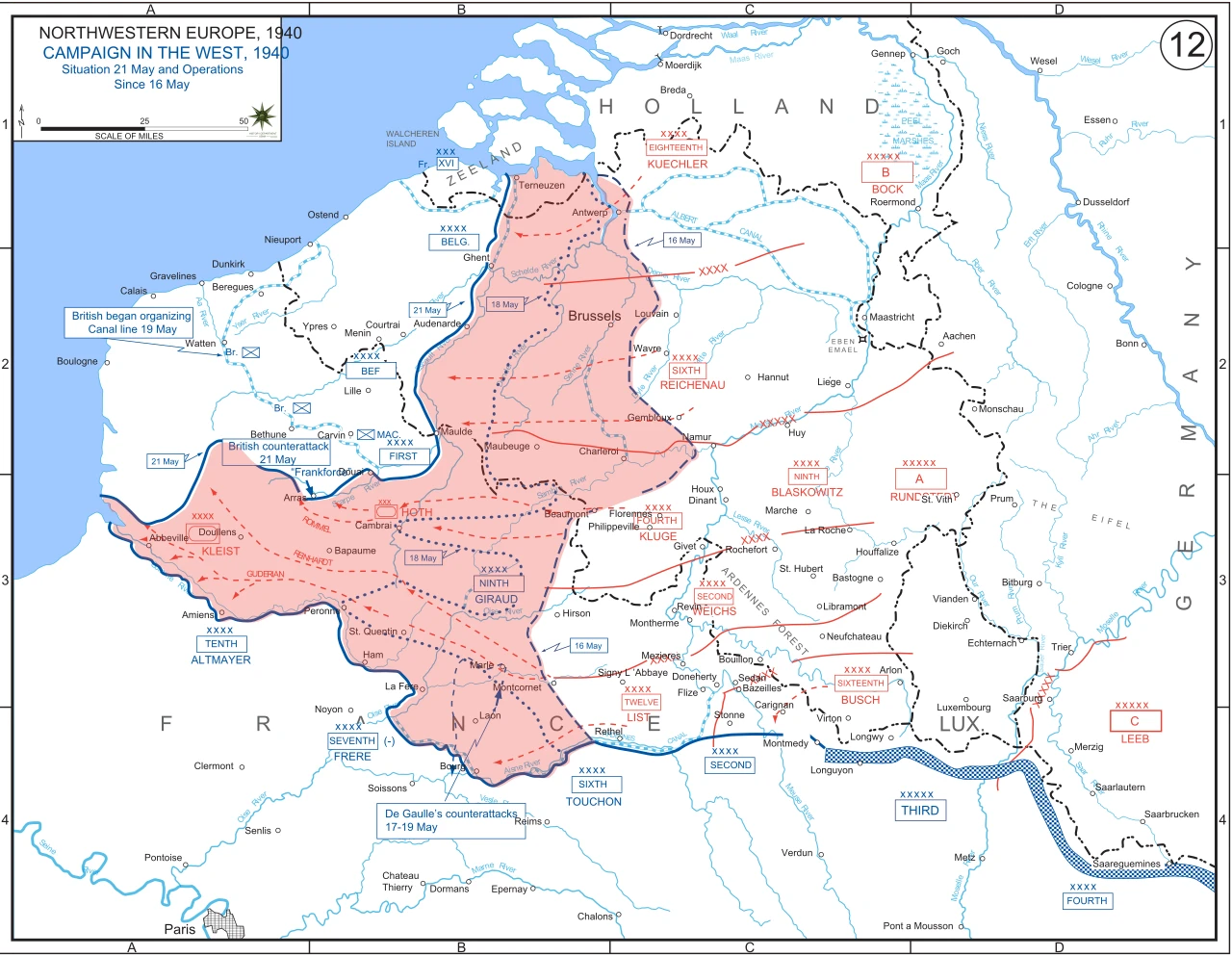
The Battle of the Lys
The bridges of the Meuse
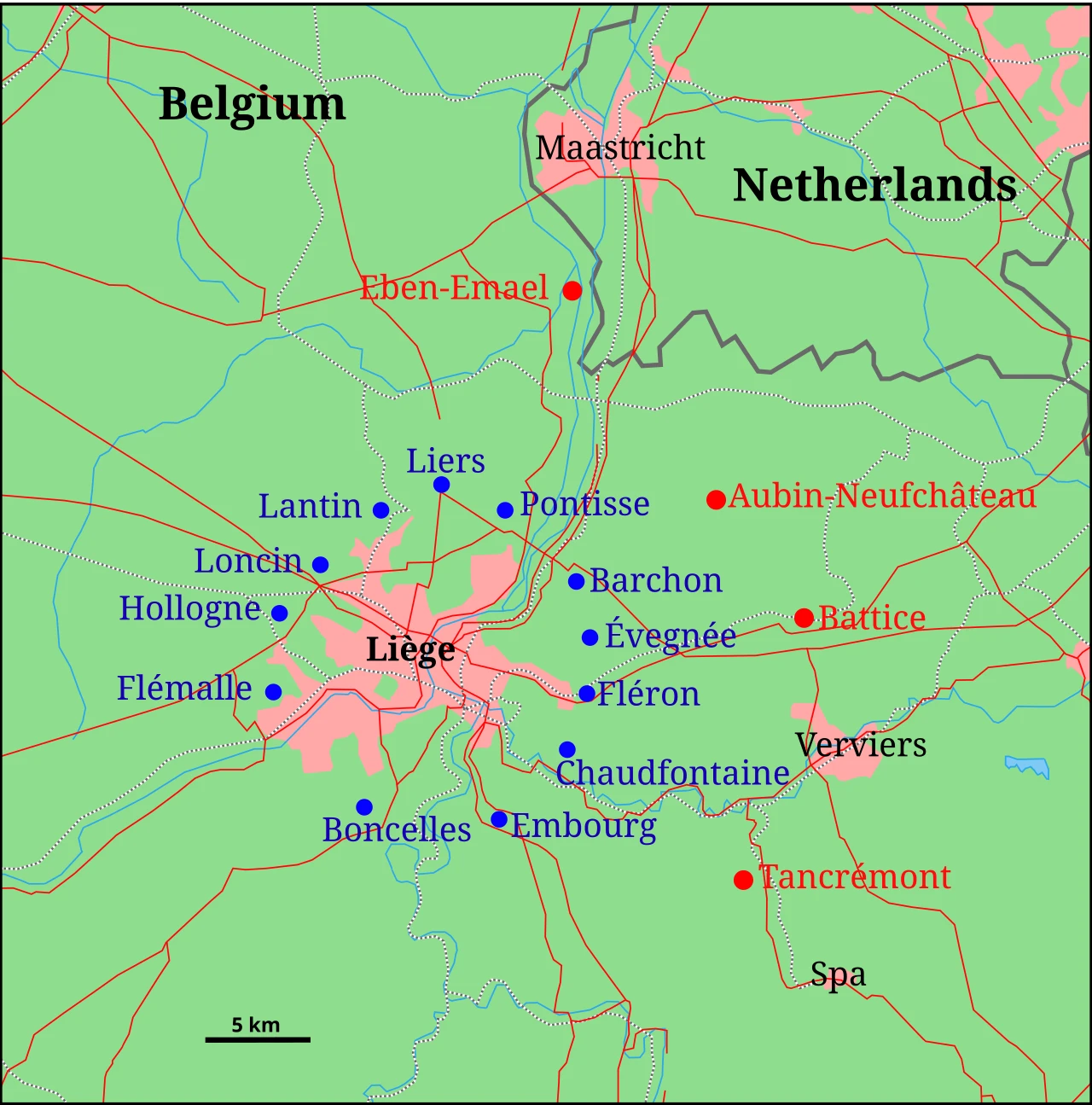
The fortified position of Liège
The Gembloux gap
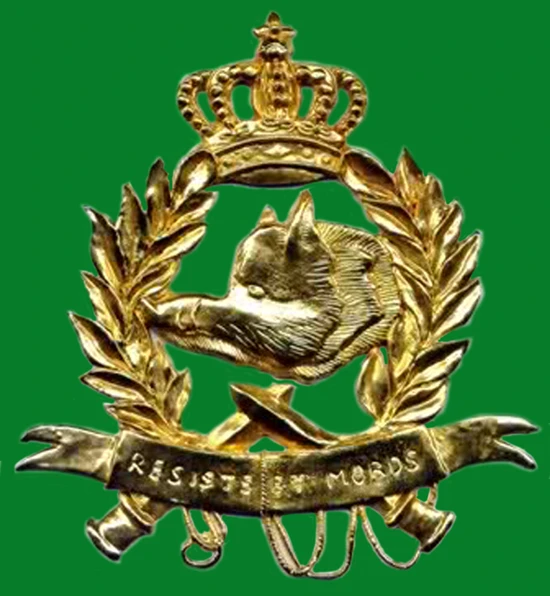
The abatis of the Chasseurs Ardennais
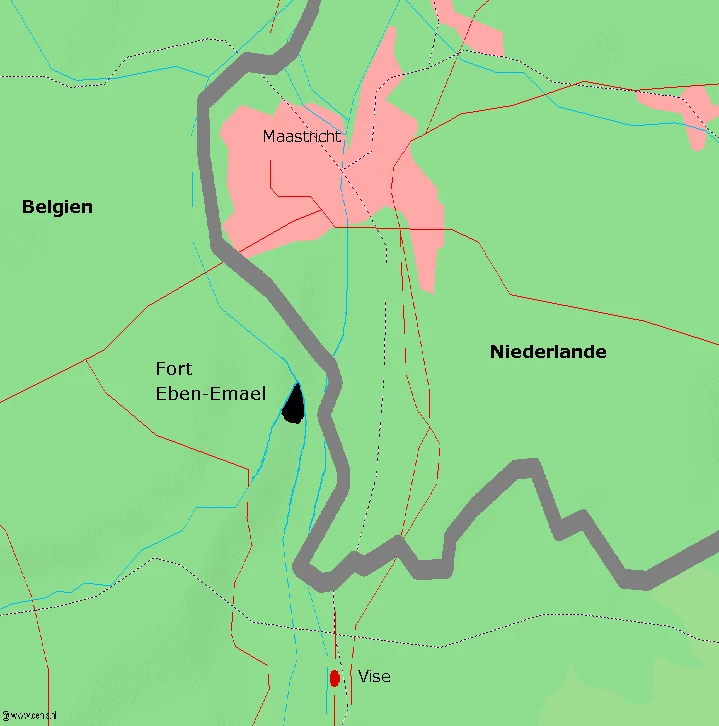
Eben-Emael — Jottrand under the explosions
The garrison of Ében-Émael
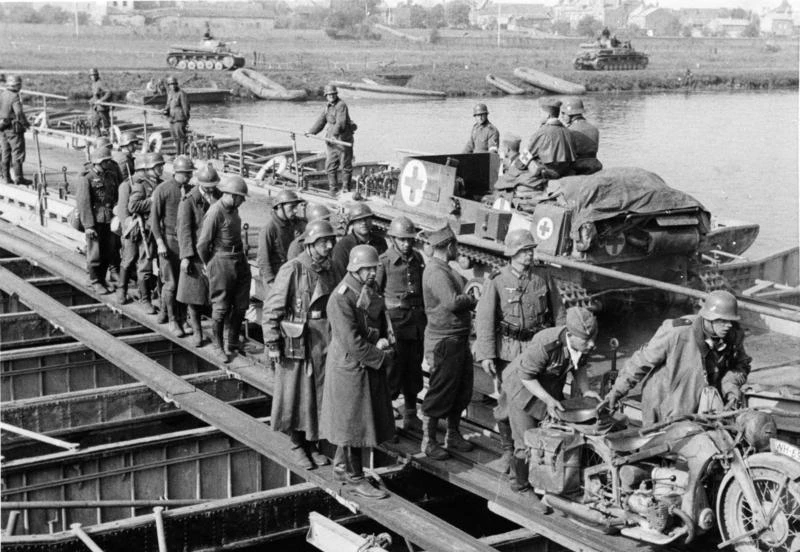
The charges are set beneath the deck
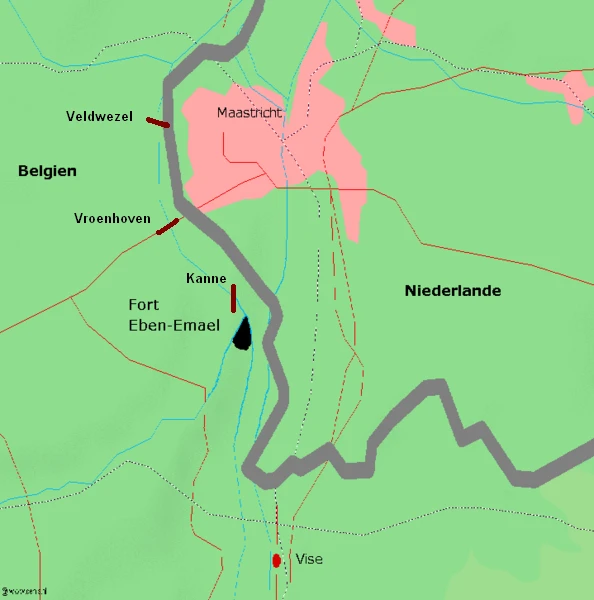
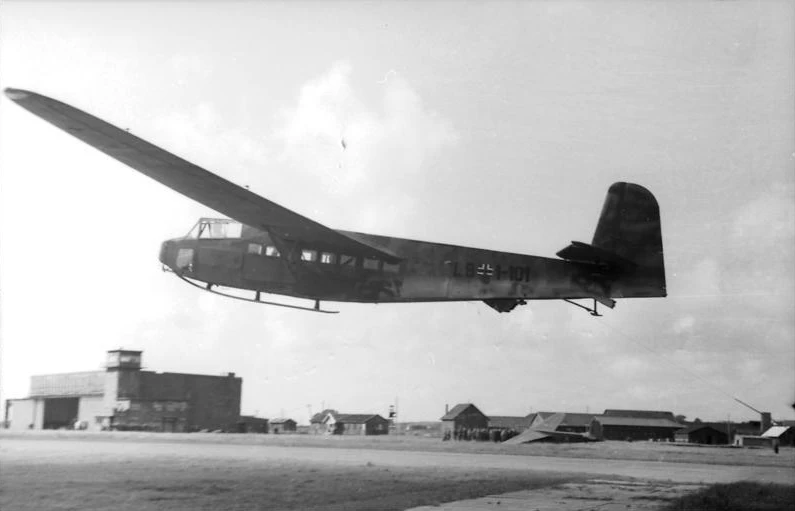
Kanne bridge — fourth airborne target
Veldwezelt bridge — Beert and the demolition officer
The Battle of the Lys
The bridges of the Meuse
The fortified position of Liège
The Gembloux gap
The abatis of the Chasseurs Ardennais
Eben-Emael — Jottrand under the explosions
The garrison of Ében-Émael
The charges are set beneath the deck
Kanne bridge — fourth airborne target