
Heydrich Arrives in Prague
On 27 September 1941, Reinhard Heydrich, head of the Reichssicherheitshauptamt and one of the most feared men in the Nazi regime, arrives in Prague. He has just been appointed Acting Reich Protector of Bohemia and Moravia, replacing Konstantin von Neurath, judged too lenient by Berlin. His mission is twofold and urgent: contain Czech unrest and run the Protectorate's industrial arsenal at full capacity, where the Škoda Works and the foundries supply the Wehrmacht engaged in the Soviet Union.
The situation Heydrich discovers worries the Reich. Since the summer, go-slow strikes have multiplied, sabotage has struck the railways and the armament lines, and output is falling. German intelligence is questioning the attitude of the autonomous government itself: Prime Minister Alois Eliáš and the network of the internal resistance, in contact with the government-in-exile in London led by Edvard Beneš, are at the heart of the reports flowing back to Berlin.
Heydrich holds full police powers and almost total latitude over the course of action to take. Several levers are open to him, each affecting public order, the population's morale and the war effort differently, and each carrying its own risks. The new Protector must settle on his line from his very first hours in Prague.
How should Heydrich crush Czech resistance while reviving the Protectorate's armaments production?
Heydrich chose the first option: martial law and targeted executions, combined with material concessions to the workers. As early as 28 September 1941, he proclaimed a state of siege and set up courts-martial that handed down hundreds of death sentences in the following weeks, striking officers, intellectuals and suspected resisters. Prime Minister Alois Eliáš was arrested, tried and sentenced to death for treason (he would be executed in June 1942). At the same time, Heydrich applied his "whip and sugar policy": he increased the food rations of armament workers, granted social benefits and rest stays in order to buy peace in the factories and sustain production. This combination of terror and concessions stabilized the Protectorate for several months. But on 27 May 1942, Heydrich was mortally attacked in Prague by the Czechoslovak paratroopers of Operation Anthropoid; he died on 4 June. The Nazi reprisals were appalling: the village of Lidice was razed and its inhabitants massacred or deported.
Learn more about this event
Related polls
10
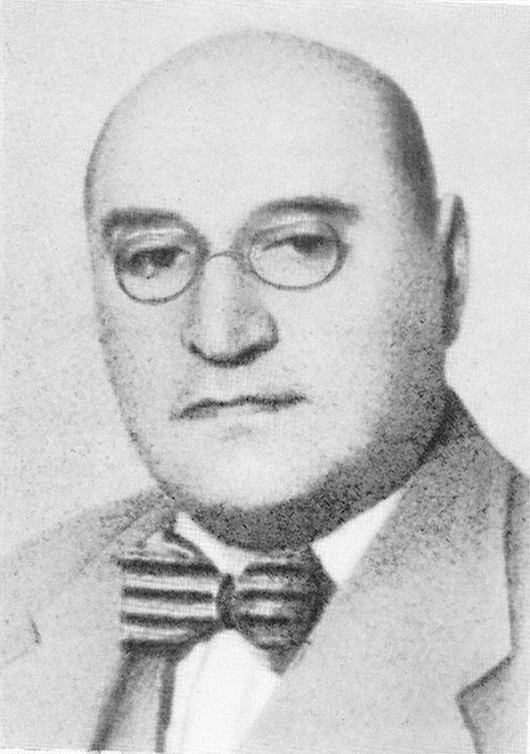
Czerniaków — the offer of the Judenrat
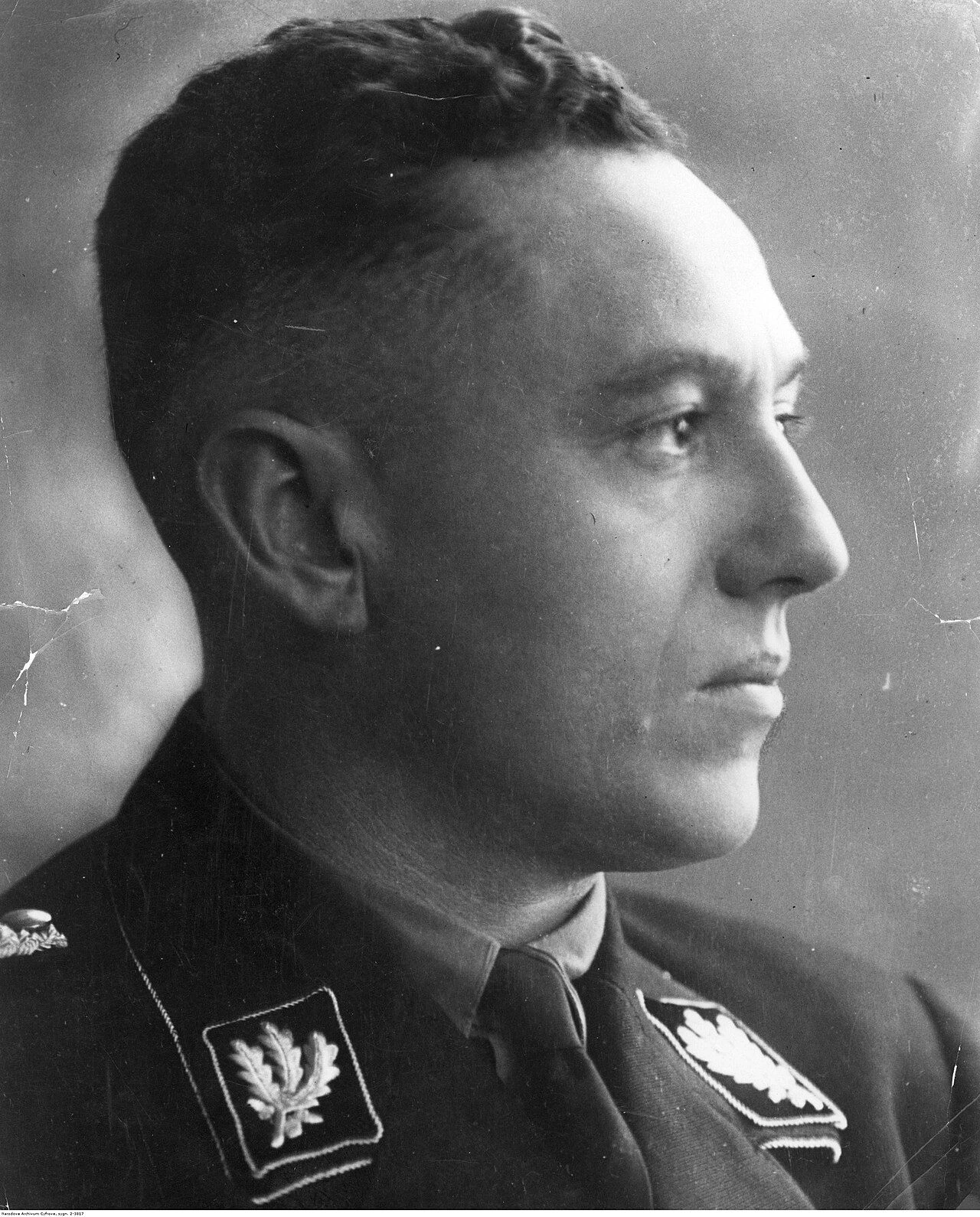
Forster — Kashubians and Kociewiacy
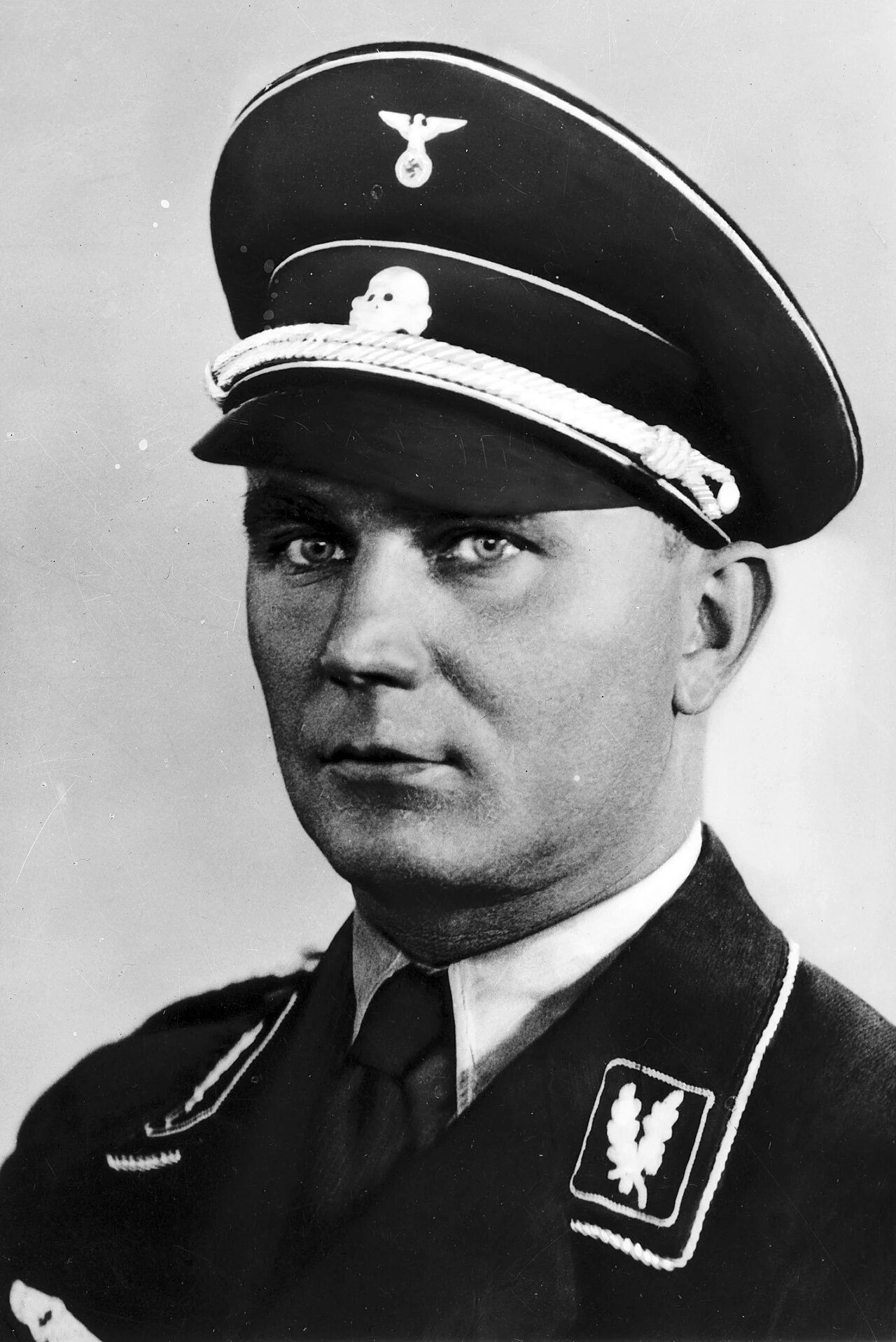
Greiser — the Priority of the Wartheland
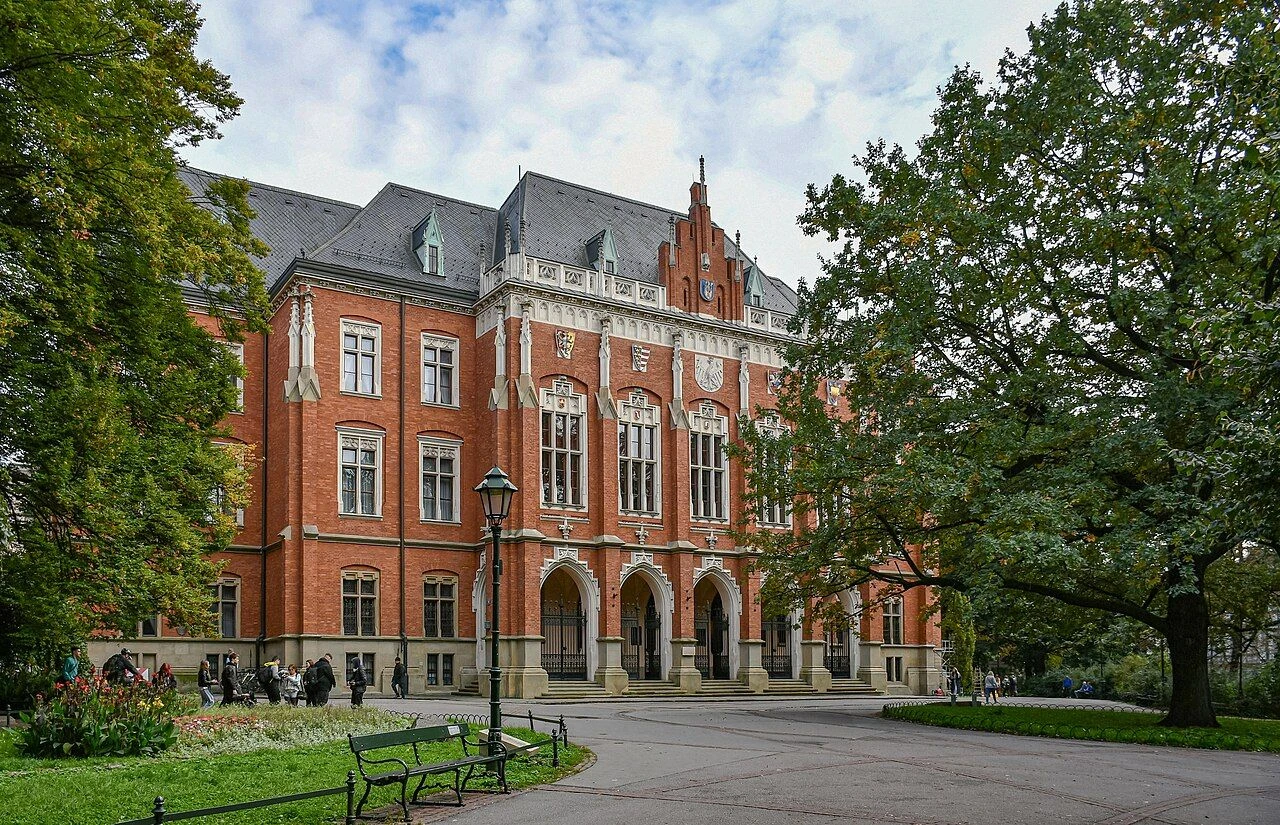
Hans Frank — the taking of the Wawel
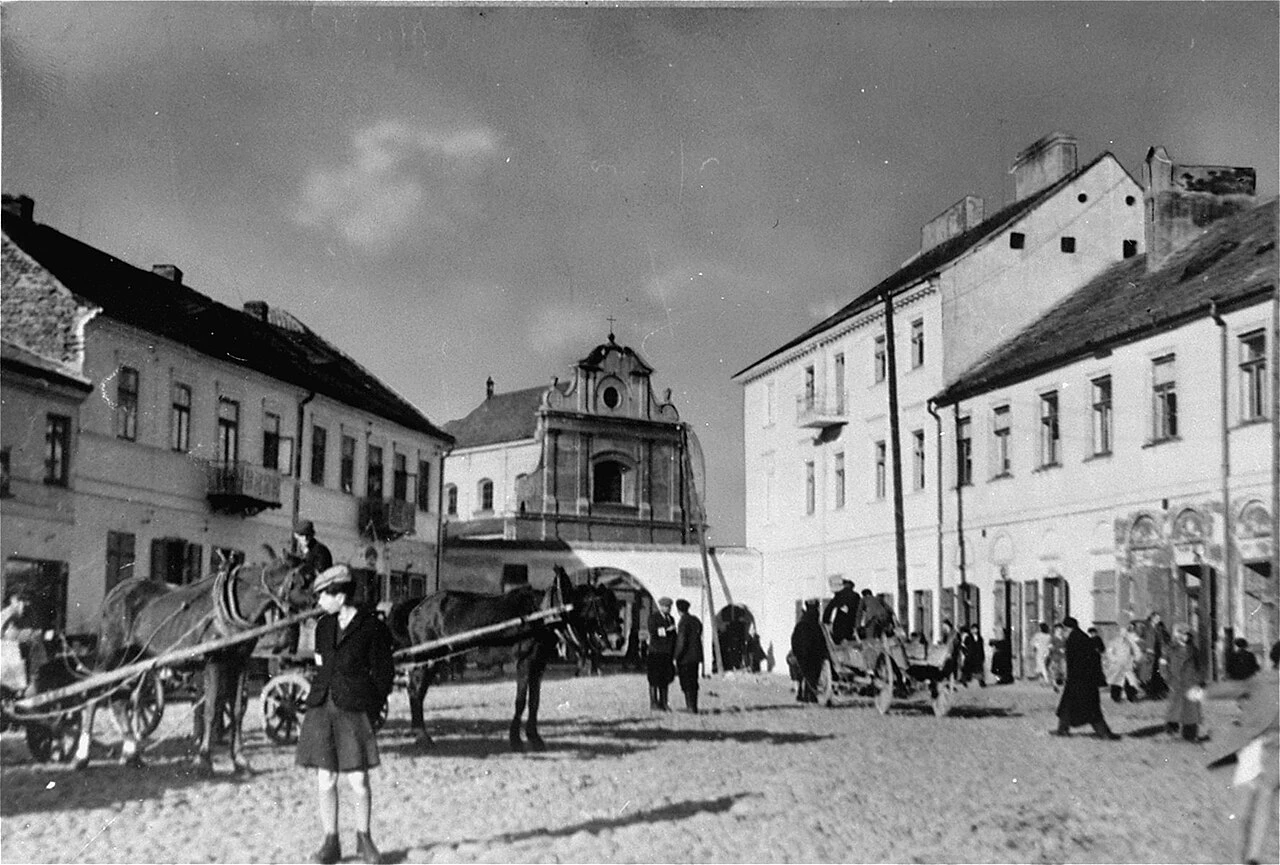
Piotrkow — Tenenberg Facing the Judenrat
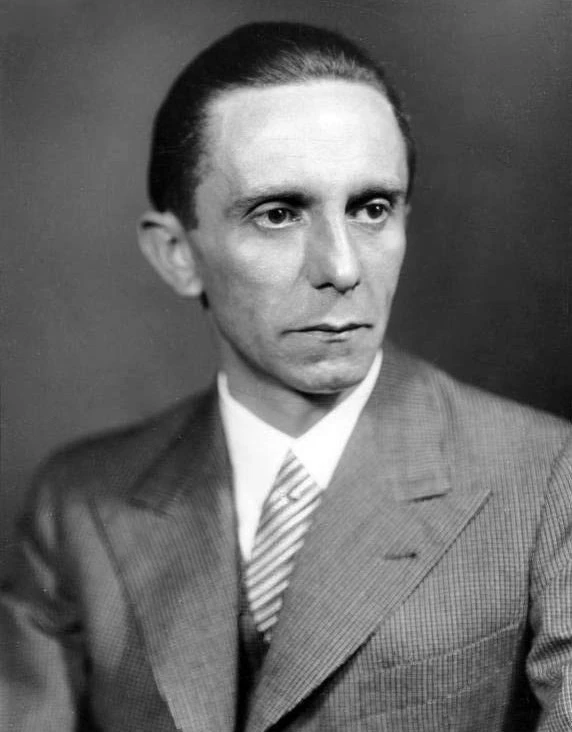
Berlin, October 1941: The Words of Victory
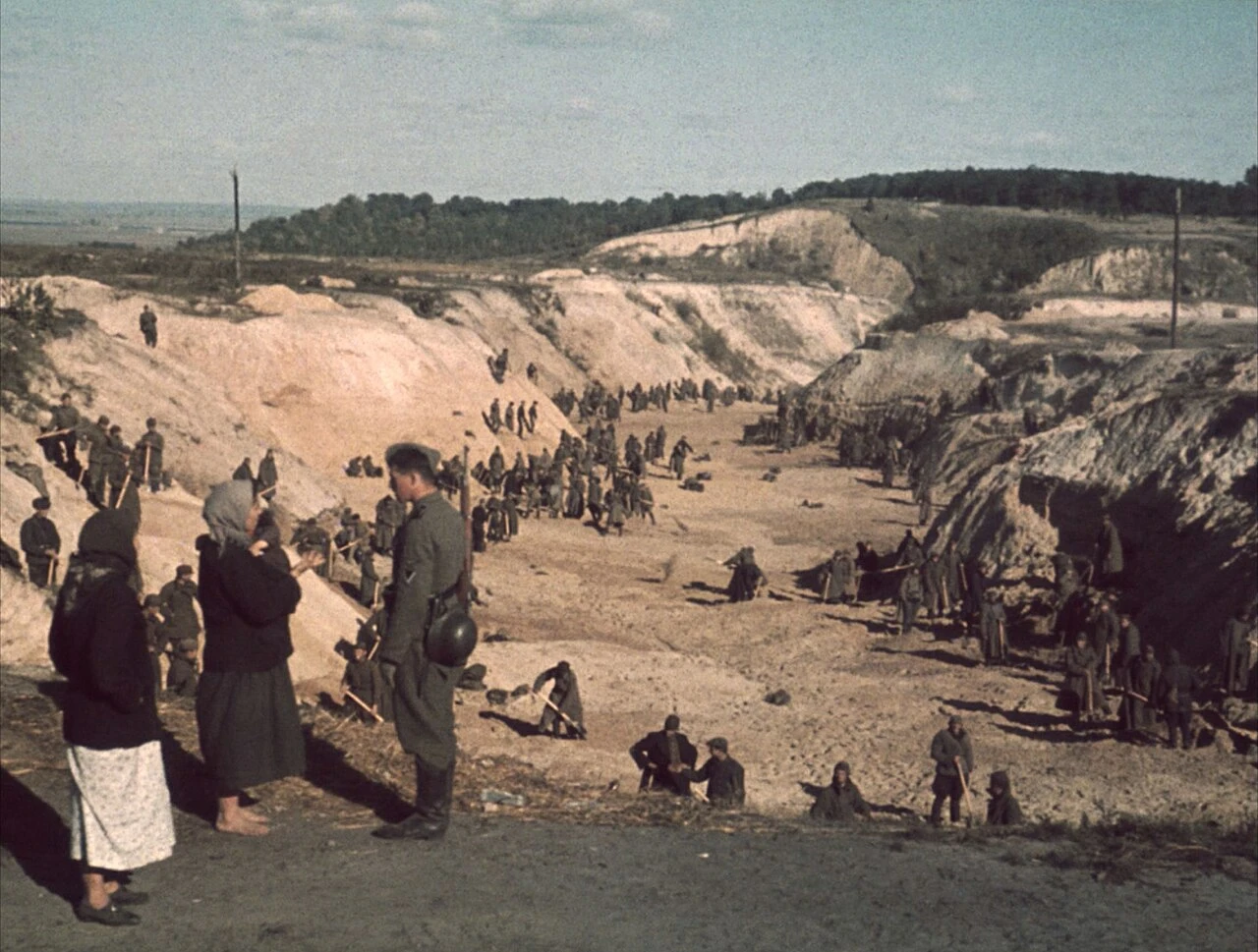
Kiev, 29 September 1941: The Posted Notice
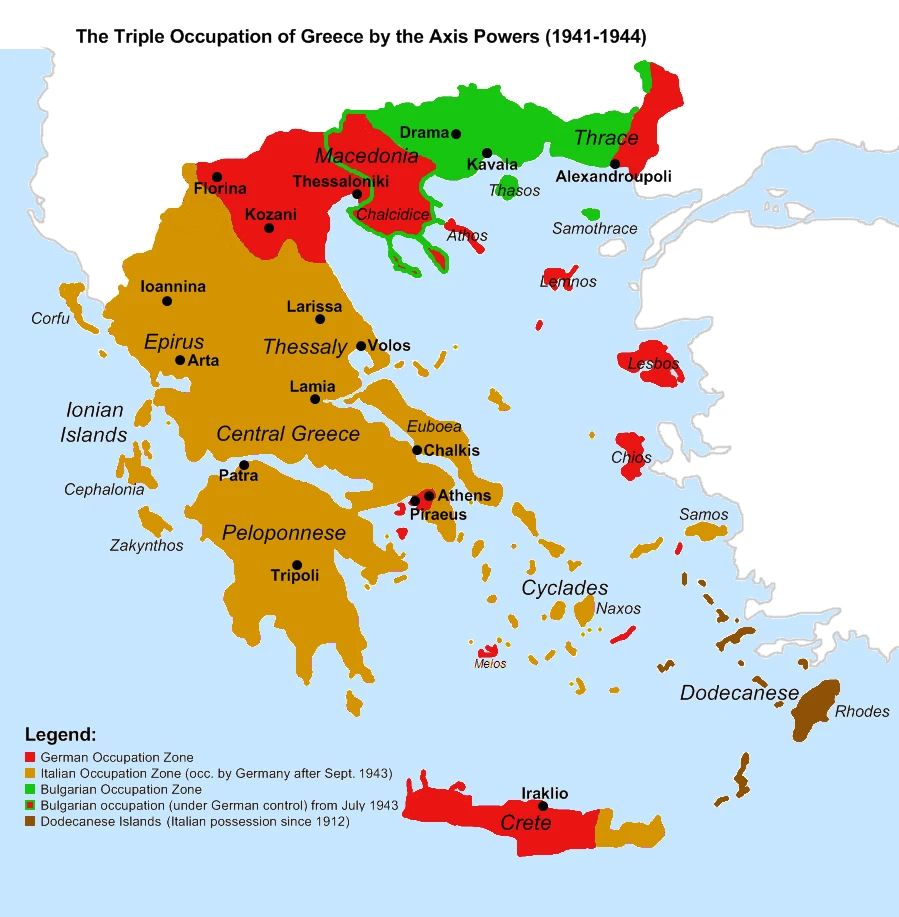
Athens, the Winter of Hunger
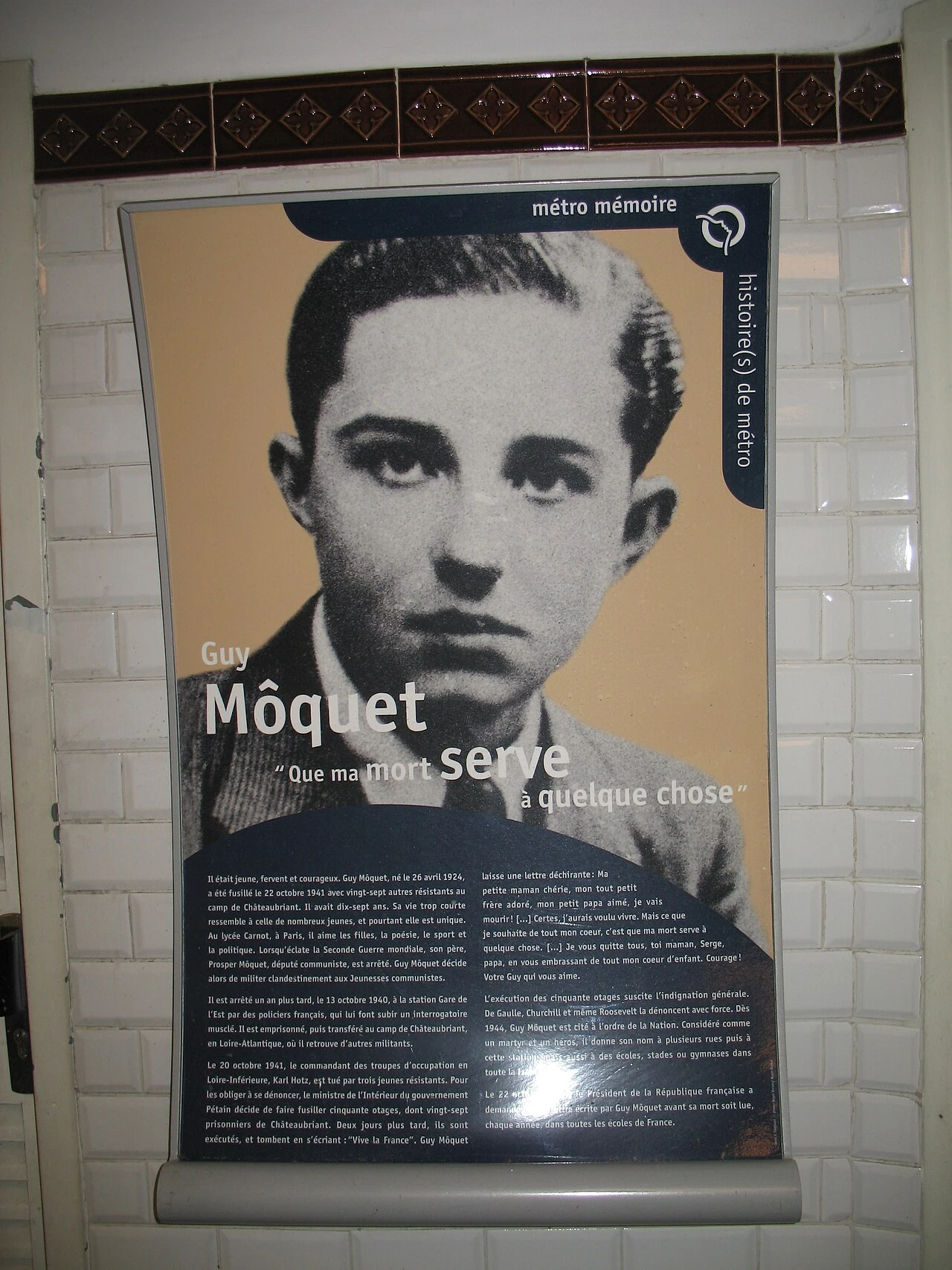
Châteaubriant: The List of Hostages
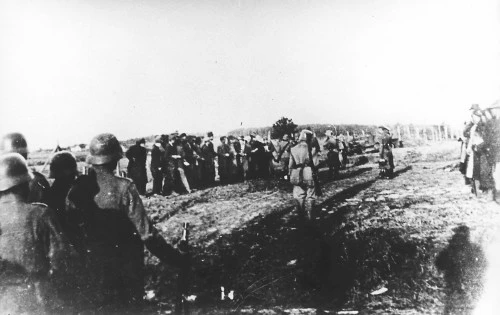
Denouncing the partisans under the terror of reprisals in Serbia
Czerniaków — the offer of the Judenrat
Forster — Kashubians and Kociewiacy
Greiser — the Priority of the Wartheland
Hans Frank — the taking of the Wawel
Piotrkow — Tenenberg Facing the Judenrat
Berlin, October 1941: The Words of Victory
Kiev, 29 September 1941: The Posted Notice
Athens, the Winter of Hunger
Châteaubriant: The List of Hostages